
9 Meals That Became Popular for the Most Unexpected Reasons

Food history is rarely as straightforward as it seems. Many meals we now see as classics weren’t carefully planned or celebrated at birth; they were responses to shortages, social shifts, technology, or pure convenience. Over time, repetition turned practicality into preference, and necessity into nostalgia. These meals didn’t rise because chefs set out to create icons; they became popular because they solved problems, fit lifestyles, or filled unexpected gaps. These nine meals prove that popularity often comes from circumstance, not intention.
Instant Ramen
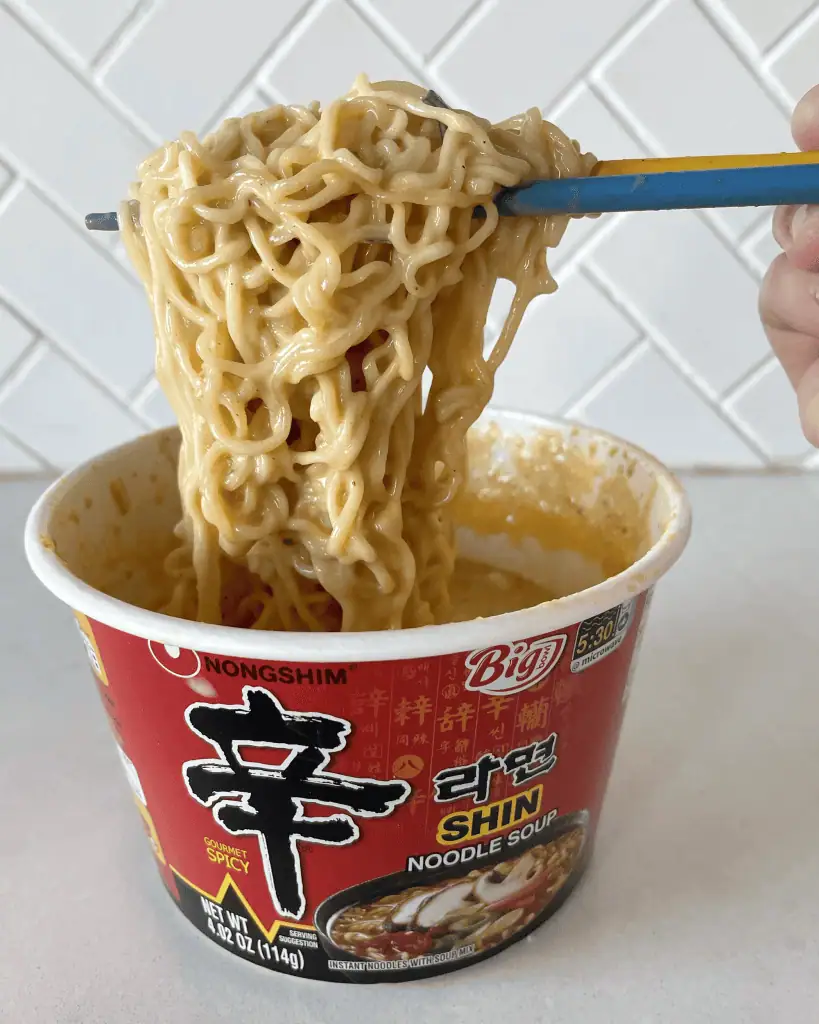
Instant ramen became popular not because it was flavorful or refined, but because it solved a massive problem: affordable nourishment with minimal effort. Originally introduced during periods of food scarcity, it offered calories, warmth, and convenience at an unmatched price point. Students, workers, and low-income households relied on it heavily, and repetition slowly built familiarity and comfort. Over the decades, that reliance evolved into emotional attachment. What started as a practical solution quietly became a global staple eaten even when better options are available.
Chicken Tikka Masala
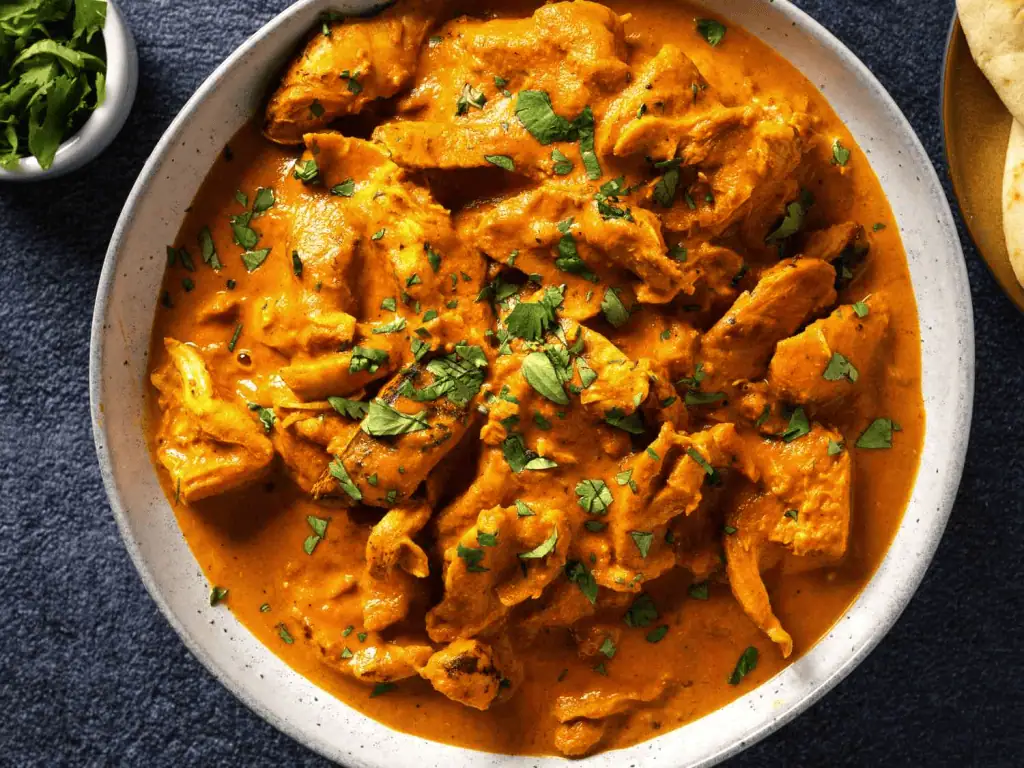
Chicken tikka masala rose to fame not from ancient culinary tradition, but from adaptation and compromise. The dish is widely believed to have been created to satisfy diners who wanted a sauce added to dry grilled chicken. Softening spices and adding creaminess, it made Indian flavors more approachable to new audiences. Its popularity grew because it bridged expectations rather than preserved authenticity. Over time, it became a defining restaurant dish, proving that flexibility can be more powerful than tradition.
Caesar Salad

The Caesar salad gained popularity through improvisation and performance rather than innovation. It was reportedly assembled on the spot during a busy service when ingredients were limited, forcing a chef to work with what was available. The tableside preparation added drama and ritual, making the experience memorable. Guests talked about it, ordered it again, and spread the word. What began as a practical solution became a symbol of restaurant elegance and theatrical dining.
Pizza by the Slice
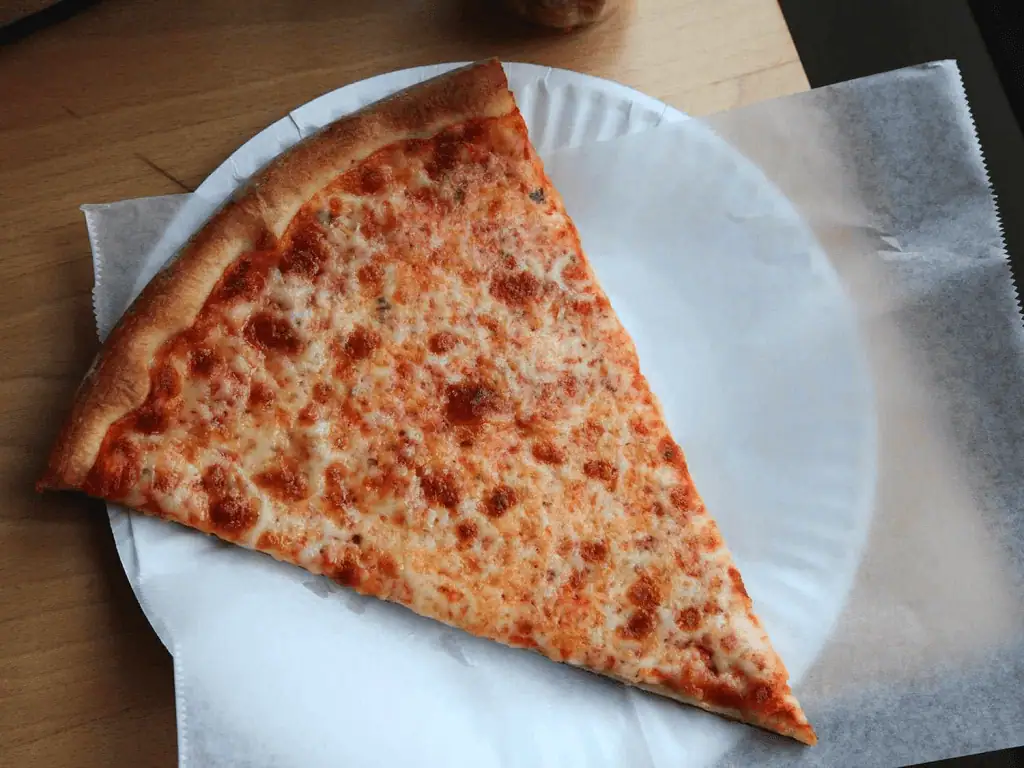
Pizza by the slice became popular because it matched the pace of urban life, not because it was superior to a whole pie. Cities needed fast, portable meals that didn’t require sitting down, sharing, or planning. Selling pizza in slices made it accessible to individuals on the move. Convenience drove demand long before nostalgia set in. Over time, the slice became its own cultural icon, representing speed, affordability, and everyday eating.
Spam and Rice
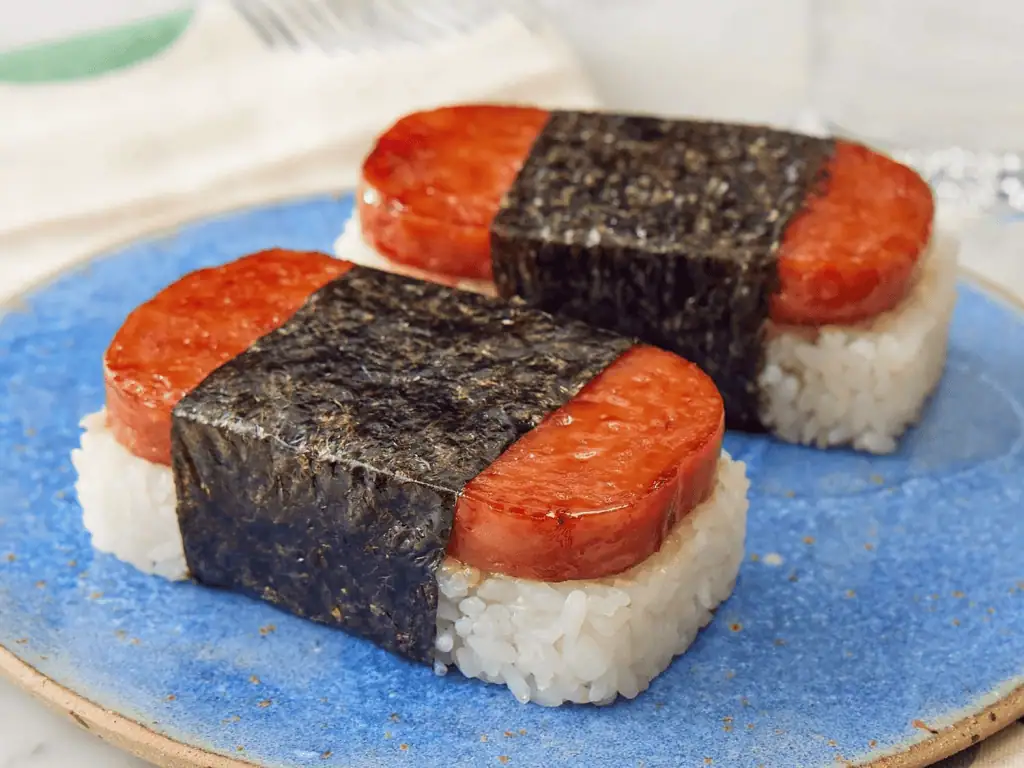
Spam and rice became popular through supply chains and necessity rather than preference. During wartime and periods of limited access to fresh meat, Spam was widely distributed and shelf-stable. Communities adapted it into their local cooking, pairing it with rice to create filling meals. Over generations, what began as survival food turned into comfort food. Familiarity, repetition, and cultural memory transformed a ration into a beloved staple.
Avocado Toast
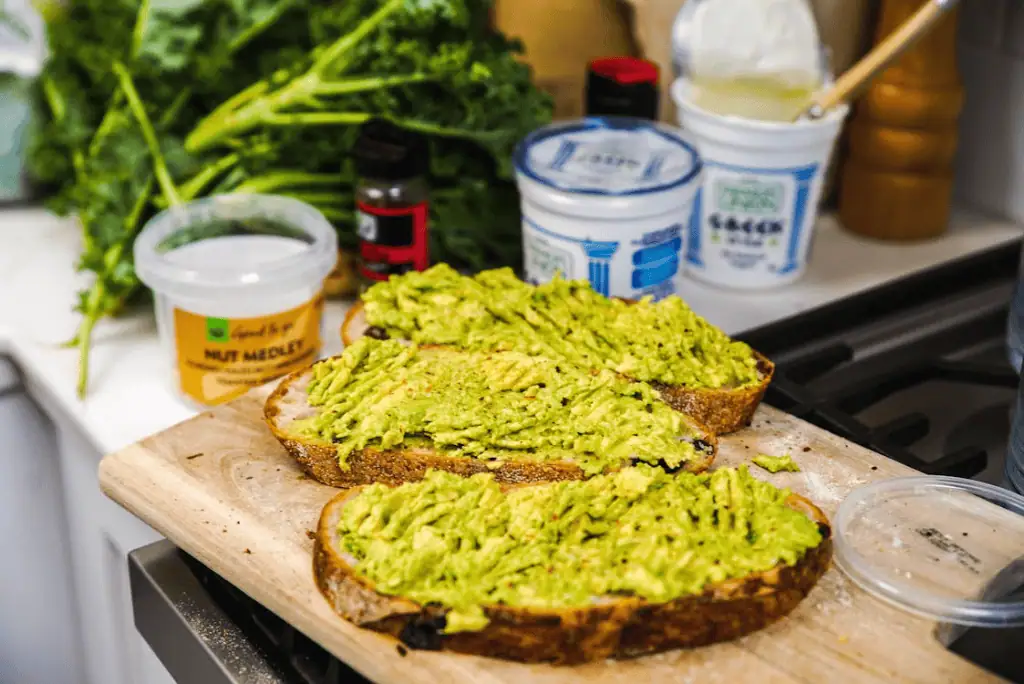
Avocado toast didn’t become popular because it was new, but because it aligned perfectly with lifestyle shifts. It photographed well, fit wellness narratives, and required minimal cooking skill. Social media amplified its visibility, turning a simple combination into a cultural symbol. Cafés embraced it because it was inexpensive to produce and easy to customize. Its popularity followed exposure and identity rather than culinary complexity, proving visibility can drive demand as much as flavor.
Frozen TV Dinners
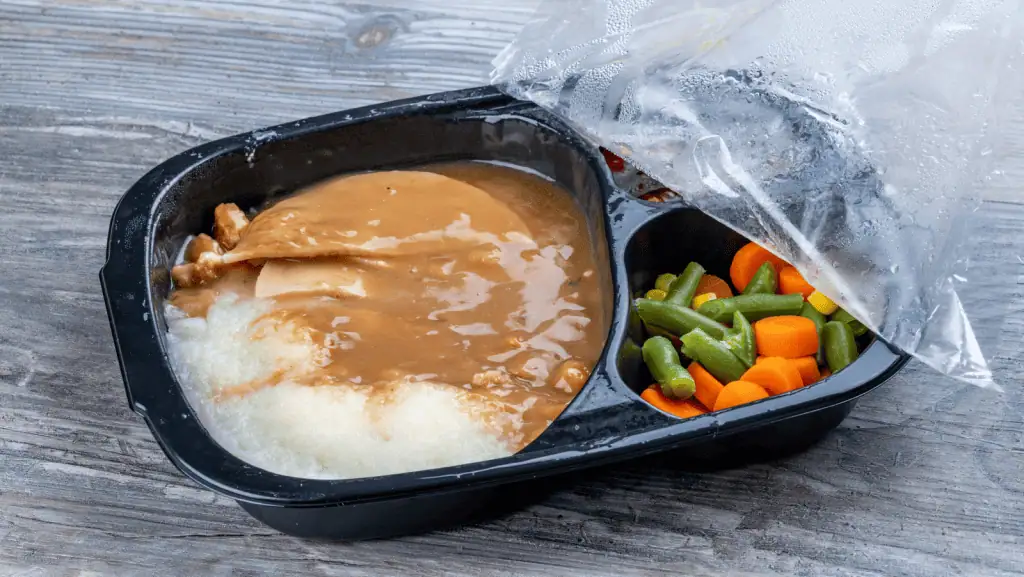
Frozen TV dinners became popular because technology changed how families spent time, not because the food was exceptional. As televisions entered homes, families wanted meals that were easy to serve and eat while watching. Pre-portioned frozen trays fit perfectly into this new routine. Convenience and novelty outweighed concerns about taste or nutrition. These meals reshaped dining habits, driven by lifestyle changes rather than culinary appeal.
Cup Noodles
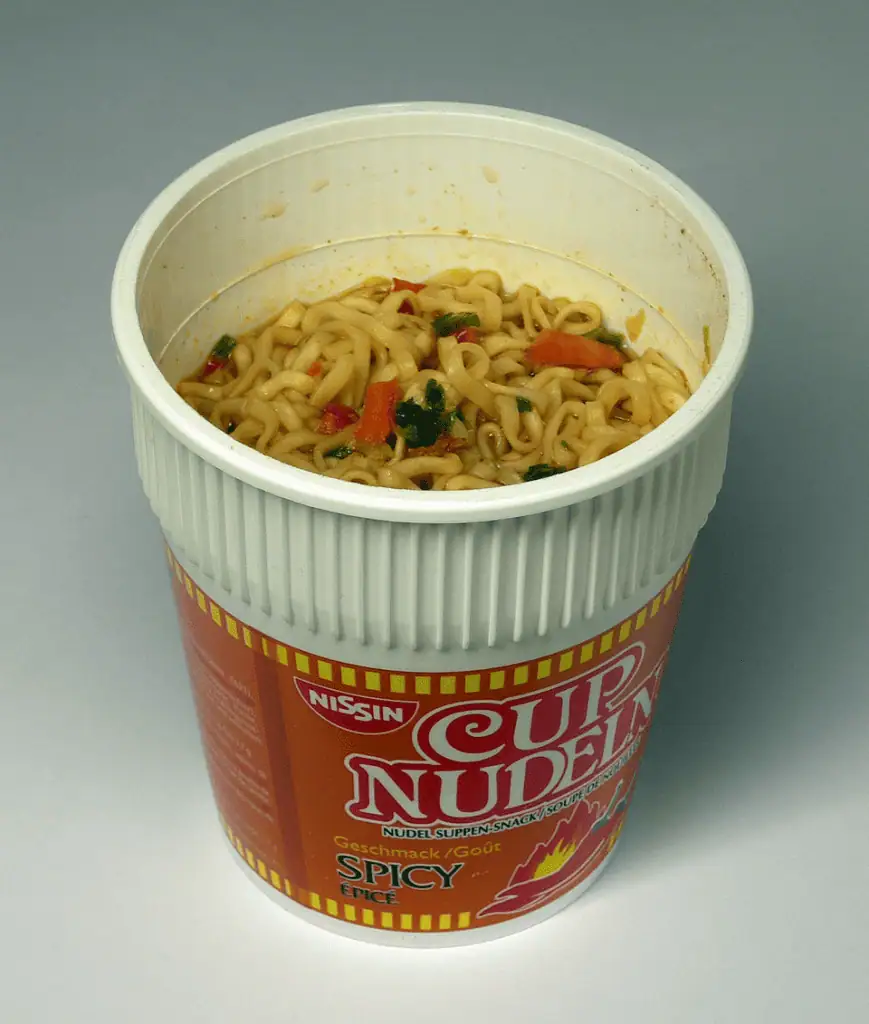
Cup noodles succeeded by eliminating every obstacle to eating. No stove, no plates, no cleanup, and almost no time required. Designed for independence and speed, they fit dorm rooms, offices, and late-night routines perfectly. Their popularity came from logistics rather than flavor. Over time, familiarity turned them into comfort food. Cup noodles prove that removing friction can be just as influential as improving taste.
Breakfast for Dinner

Breakfast for dinner became popular because it was affordable, fast, and flexible. Eggs, pancakes, and toast were cheaper and easier than traditional meat-centered dinners, especially on busy or tight-budget nights. Families adopted it out of convenience, not creativity. Eventually, the comfort and simplicity made it intentional. What started as a workaround became a beloved meal choice, showing how practicality can evolve into tradition.


