
5 Food Worries Quietly Growing Among Americans Right Now

Americans are experiencing a growing anxiety around food choices, driven by economic and safety concerns. With everyday grocery shopping becoming a challenge, understanding emerging trends is crucial. This guide examines current food worries, providing insights to help navigate these challenges with confidence. From rising prices to nutrition label confusion, these issues impact decisions and highlight the need for informed purchasing.
Rising Grocery Prices & Shrinking Portions

The rise in grocery prices is leaving many to rethink purchasing habits. As costs climb, manufacturers often reduce portion sizes—a tactic known as “shrinkflation.” By paying attention to unit pricing and bulk buying when possible, you can manage your budget more effectively. Opt for whole ingredients like grains and legumes, which offer better value and nutritional benefits. Understanding these trends helps stretch each dollar further without compromising on quality.
Food Safety Concerns After Recalls

Food recalls have raised concerns about safety in recent times. Staying updated with recent recalls through reliable sources ensures you make informed buying decisions. Prioritize fresh, local produce and reputable brands known for stringent safety standards. Proper storage, like keeping perishables at correct temperatures, reduces risks. Adapting these practices not only enhances kitchen safety but also boosts confidence in ingredient integrity.
Confusion Over Nutrition Labels

Navigating nutrition labels can be daunting with increasing complexity. Learning to read them effectively is key to making healthier choices. Focus on serving sizes, hidden sugars, and trans fats to assess product quality accurately. Familiarize yourself with common additives and aim for items with minimal processing. Developing this label literacy empowers you to select foods that best align with your dietary and health goals, making meal planning more straightforward.
Supply Chain Disruptions
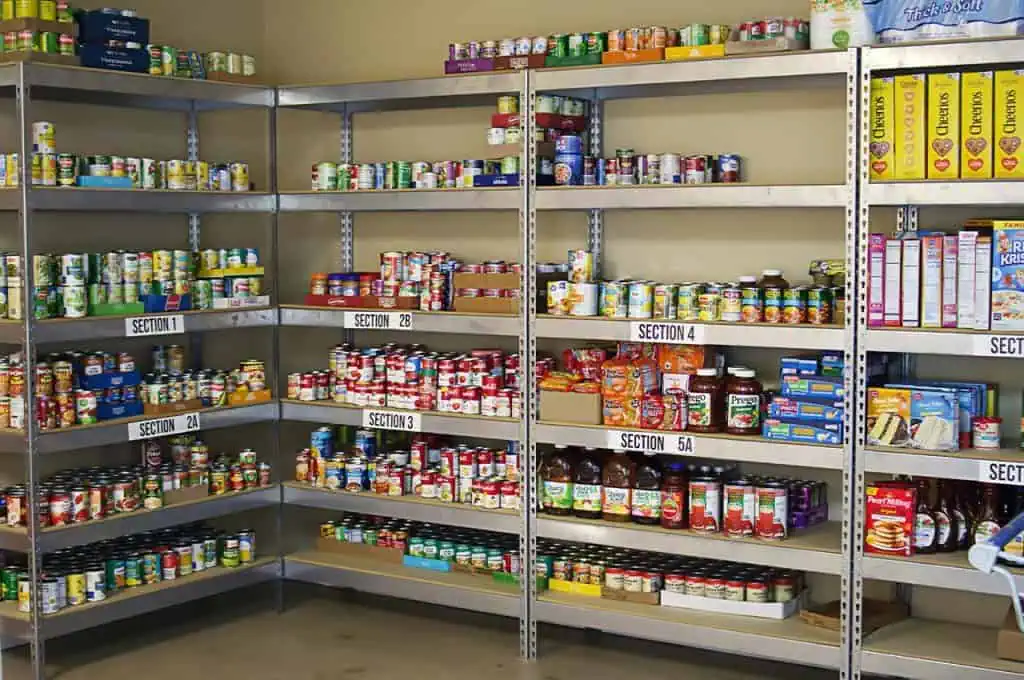
Recent supply chain disruptions highlight the importance of flexibility in meal planning. Global challenges affect availability, making staple items unpredictable. Diversifying purchases and keeping a well-stocked pantry of versatile staples like rice, pasta, and canned goods can mitigate these issues. Experimenting with alternative recipes allows adaptability, making it easier to cope with unexpected shortages. Building a resilient kitchen strategy ensures readiness for supply challenges.
Sustainability & Climate Impact

Growing concern over food sustainability and its climate impact is reshaping American culinary priorities. Shoppers increasingly seek out ingredients that tread lightly on the environment, opting for plant-based proteins over resource-intense meats. In the kitchen, this translates to creatively using whole vegetables to minimize waste, such as turning beet greens and carrot tops into vibrant pestos. Additionally, seasonal eating reduces the carbon footprint by prioritizing locally sourced produce. Embracing these practices not only aligns with eco-conscious values but also enriches the culinary experience with fresher, more flavorful ingredients.


