
Why Thanksgiving Turkeys Have Become Expensive (and How to Cut Your Costs)

Thanksgiving turkeys have seen a noticeable price hike in recent years, challenging home cooks looking to prepare a traditional feast. Understanding the factors driving up costs can help you find ways to save without sacrificing quality. From feed prices to labor shortages, several factors intertwine to impact the market. This guide will explore these issues and offer practical tips to enjoy a delicious turkey dinner on a budget.
Rising Feed Prices: The Hidden Cost

Feed constitutes a substantial portion of turkey farming expenses, and recent spikes in feed prices have contributed to the rising cost of turkeys. Grain prices fluctuate due to global demand and agricultural factors, directly affecting turkey prices. Opt for alternative suppliers offering competitively priced turkeys. Farmers' markets and local producers often provide fresh alternatives, where reduced transportation costs can lead to savings.
Supply Chain Strains Impacting Markets
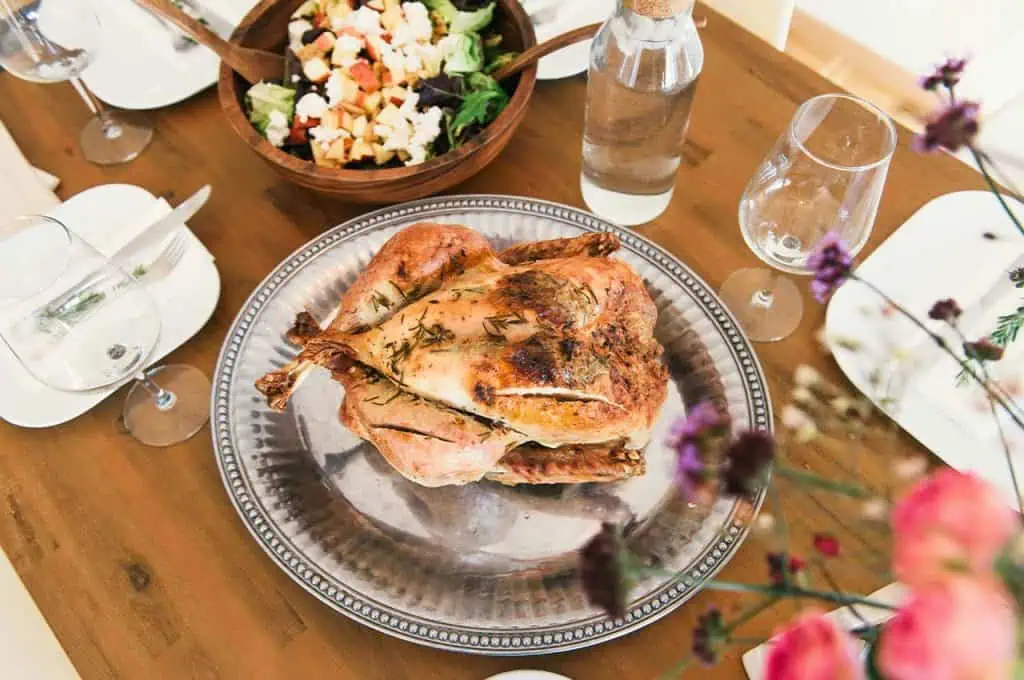
Disruptions in the supply chain can escalate turkey prices, with logistical challenges affecting delivery and availability. Delays and increased transportation costs push prices higher at retail. To mitigate this, consider purchasing your turkey early or exploring local options that bypass larger distribution networks. Freezing early-season purchases allows you to take advantage of lower prices and ensures a quality centerpiece for your meal.
Labor Shortages Increasing Costs

Labor shortages across the poultry industry have contributed to rising turkey prices, as producers face increased wages and hiring challenges. This impacts every stage, from farm to supermarket. To reduce personal expenses, explore community-supported agriculture (CSA) programs or cooperative buying groups that offer direct-from-farm poultry deals. These options can provide cost-effective solutions and support local farmers.
Climate Issues Affecting Feed Crops

Adverse climate conditions disrupt feed crop production, leading to scarcity and higher costs for turkey farmers. Unpredictable weather patterns can delay planting and affect yields, impacting the price consumers pay. By choosing turkeys from regions less affected by these issues or selecting smaller birds, you can manage costs while still presenting a delightful Thanksgiving feast.
Smart Shopping for Turkey Deals

Navigating the cost of turkey requires strategic shopping. Begin by comparing local grocery store flyers and apps to identify sales on turkey. Loyalty programs can offer significant discounts, so enrolling may save more than you anticipate. Consider buying frozen turkey over fresh, it's often cheaper and can be purchased in advance of price hikes. Look at weight versus price; smaller birds might be priced better per pound. Seek out farmers' markets closer to the holiday when vendors are eager to sell remaining stock, potentially lowering prices.
Festive Alternatives on a Budget

Experiment with less traditional centerpieces that maintain holiday spirit without the turkey expense. A roast chicken offers familiar flavors at a fraction of the cost. Alternatively, a stuffed pork loin or a vegetarian mushroom Wellington can provide a decadent yet affordable feast. Consider creative sides, roasted root vegetables, a vibrant grain salad, and spiced pumpkin dishes, that stretch the meal delightfully. Skimp on nothing in presentation; a well-arranged table enhances the experience, elevating simpler dishes to festive grandeur.


