
12 Amazing Foods Picky Eaters Just Can’t Stand

Exploring foods that often challenge the taste buds of picky eaters reveals a unique intersection of texture, flavor, and sensory experiences. Understanding why certain ingredients evoke strong reactions can enhance our culinary repertoire. This guide delves into commonly resisted foods, offering insight into both their culinary potential and the reasons behind their divisive nature.
Avocados: The Creamy Green Aversion

Avocados boast a buttery texture and subtle flavor that, while adored by many, can be off-putting to some due to their creamy consistency. To make them more appealing, focus on texture contrast and flavor balance: add lemon juice for brightness or incorporate into a chunky salsa with crisp vegetables. These methods highlight the avocado's strengths while minimizing the richness that some find overwhelming.
Blue Cheese: Bold and Divisive

Blue cheese is known for its intense flavor, marked by sharpness and a distinct aroma, which can polarize palates. To ease into its pungency, pair it with sweet elements like ripe pears or honey, which mellow the cheese’s boldness. Using it as a subtle accent in dressings or melted into sauces allows one to appreciate its complexity without the initial intensity that might deter a hesitant eater.
Sushi: Raw Delights or Frights?

Sushi, with its raw appeal, can be daunting due to unfamiliar textures and flavors. For first-timers, start with milder options, such as cucumber or tempura rolls, which offer familiar elements. Pay attention to balance by dipping sparingly in soy sauce and complementing with a hint of wasabi for delicate heat. This approach helps acclimate taste buds to the enticing yet unfamiliar world of raw fish and seaweed.
Mushrooms: Earthy Yet Misunderstood

Mushrooms often face rejection due to their earthy flavor and unique texture. To emphasize their umami depth, sauté them with garlic and herbs or roast them to enhance their natural sweetness. Choosing the right variety is key, porcini and shiitake have intense flavors, while button mushrooms offer a milder profile. This thoughtful preparation transforms their perception from spongy to savory, inviting a newfound appreciation.
Olives: Salty Spheres of Controversy
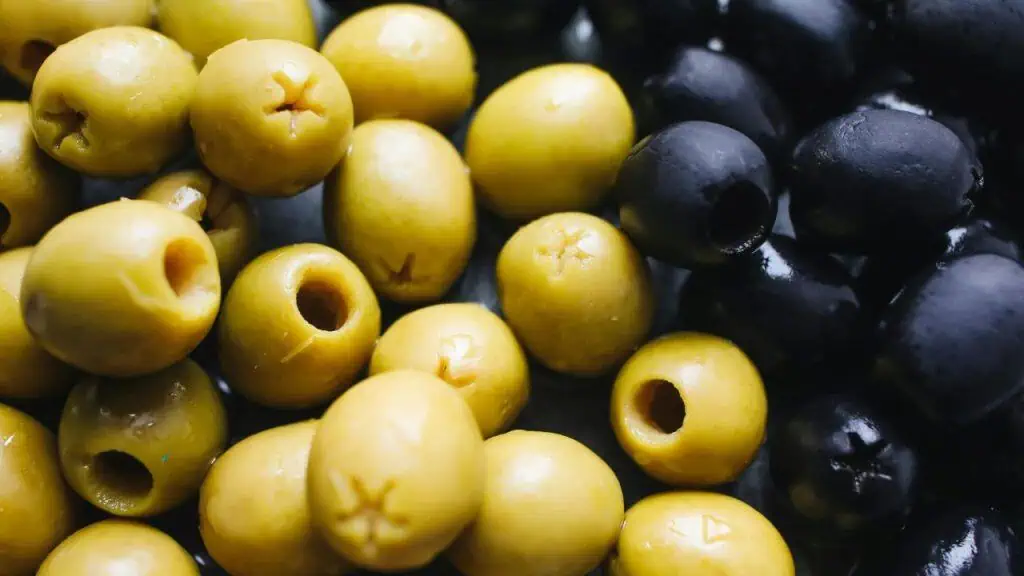
Olives, with their distinctive briny bite, often divide palates. The key to enjoying them lies in selecting the right variety. Kalamata olives, known for their fruity complexity, work beautifully in Mediterranean salads or tapenades. For a milder experience, consider green Castelvetrano olives, which offer a buttery texture. Experimenting with curing methods, such as brining versus dry-curing, reveals different flavor profiles. Pair olives with creamy cheeses or fresh herbs to balance their intensity, introducing them as accents rather than focal points.
Brussels Sprouts: Tiny Cabbage Conundrum

Brussels sprouts often suffer from overcooking, leading to a mushy, bitter experience. Roasting is a foolproof method to enhance their nutty sweetness. Cut sprouts in half to increase surface area, tossing them with olive oil, salt, and pepper. High-temperature roasting encourages caramelization, creating a crisp exterior and tender inside. Adding balsamic glaze or a sprinkle of Parmesan can further elevate their flavor. Steaming or blanching with a quick finish under the broiler can also yield delicious results, avoiding the sulfurous fate that turns many diners away.
Anchovies: Salty Filets of Debate

Anchovies, small yet potent, are revered and reviled alike. They provide a deep, umami-rich flavor that enhances many dishes. Rinsing excess salt helps subdue their intensity, making them more palatable. When integrated properly, anchovies dissolve seamlessly into sauces, lending depth without overpowering. Try incorporating them into a caesar dressing or blending them into a compound butter for steaks or vegetables. Their transformative power lies in subtlety, making them an ally in achieving complex savory notes, even for hesitant eaters.
Eggplant: The Purple Puzzle

Eggplants require careful treatment to highlight their creamy texture and mild flavor. Salting slices before cooking reduces bitterness and improves texture by drawing out excess moisture. Grilling or roasting sliced eggplant concentrates its natural sweetness, while a quick fry can achieve a silky interior encased in a golden crust. Pairing with robust flavors like garlic, tomatoes, or spices enhances its taste without overwhelming it. Their adaptability makes eggplants ideal for curries, ratatouille, or even as a hearty meat substitute in vegetarian dishes.
Tofu: The Flavorless Canvas

Tofu, often dismissed for its blandness, holds transformative potential in the kitchen. Its spongy texture readily absorbs marinades; maximizing flavor requires pressing out excess water. Opt for firm or extra-firm varieties for grilling or stir-frying to retain structure. Marinades rich in garlic, soy, or citrus provide depth and complexity. Cooking techniques like pan-searing or baking can create a crispy outer layer while maintaining a soft interior. Tofu's understated presence complements bold sauces and vibrant vegetables, serving as a versatile cornerstone for various cuisines.
Beets: Nature’s Sweet, Earthy Gems

Beets, revered for their vibrant color and distinct earthiness, are often snubbed by picky eaters. To soften their robust flavor, roast them until tender, allowing their natural sweetness to come forward. Pair with citrusy notes like orange or grapefruit to balance the earthiness, and finish with a sprinkle of sea salt for contrast. When preparing, peel after cooking to preserve juiciness. For those cautious of texture, pureeing into a velvety soup or blending into a creamy dip can make them more palatable, showcasing their versatility.
Cottage Cheese: Lumpy White Mystery

Cottage cheese, with its unusual texture, is often misunderstood. When approaching it, consider mixing in flavors or pairing it creatively. Stir in fresh herbs like chives and dill to add brightness, or combine with a dollop of honey and fresh berries for a sweet contrast. Opt for full-fat varieties for a richer mouthfeel, and use as a filling for stuffed pasta or a topping for baked sweet potatoes. For texture concerns, blending cottage cheese until smooth can transform it into a creamy base for dressings or spreads.
Oysters: The Ocean’s Slippery Bounty

Oysters, adored for their briny essence, offer a tactile challenge for some. Selecting freshest varieties is imperative; they should smell of the sea, not fish. When preparing, serve raw with a squeeze of lemon or a dash of mignonette to enhance their oceanic flavor. For those hesitant with raw preparation, try broiling with herbs and a touch of butter until golden, which tempers the slipperiness while retaining oceanic notes. Encourage exploration with baked varieties, where textures meld and flavors deepen.


