
Stop Settling for Basic: I Asked 4 Chefs the Best Way to Cook Steak, and They All Gave the Same Answer

Steak is one of those dishes that invites endless debate. Grill or cast iron? Butter baste or keep it simple? Finish in the oven or keep on the stovetop the whole time? To simplify things, I asked four professional chefs the same question: What’s the absolute best way to cook a steak at home? Even though they work in different kitchens with distinct styles, their answers aligned around one core technique. The finer details varied, but the method and the reasoning behind it remained remarkably consistent.
Start With a Hot Cast-Iron Pan

All four chefs stressed the importance of high heat and a heavy pan, with cast iron as the clear favorite. A properly preheated surface is what creates that deeply browned crust that defines a great steak. Without an aggressive initial sear, you’re simply warming meat rather than building flavor. The Maillard reaction, responsible for browning, develops complex savory notes and texture. Let the pan heat thoroughly before adding oil, and always pat the steak dry surface moisture prevents proper crust formation.
Season Simply, But Generously
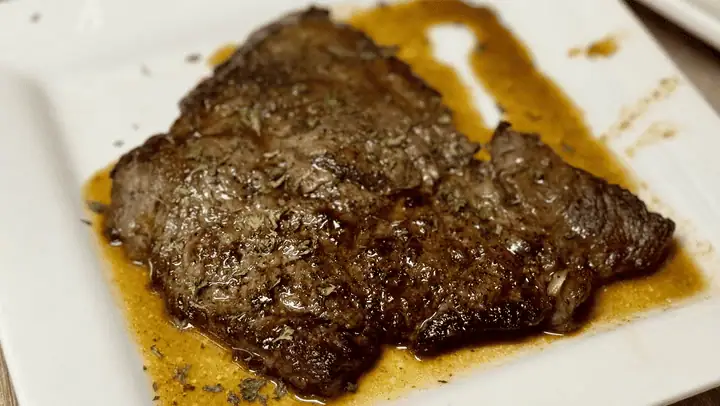
When it comes to seasoning, the consensus was refreshingly straightforward: kosher salt and freshly cracked black pepper are more than enough. The key is not complexity, but timing and quantity. Chefs recommend salting either at least 40 minutes before cooking to allow the salt to absorb, or immediately before it hits the pan. Under-seasoning is one of the most common home-cooking mistakes. A confidently seasoned steak enhances its natural richness without overpowering the meat’s inherent flavor.
Sear, Then Control the Heat
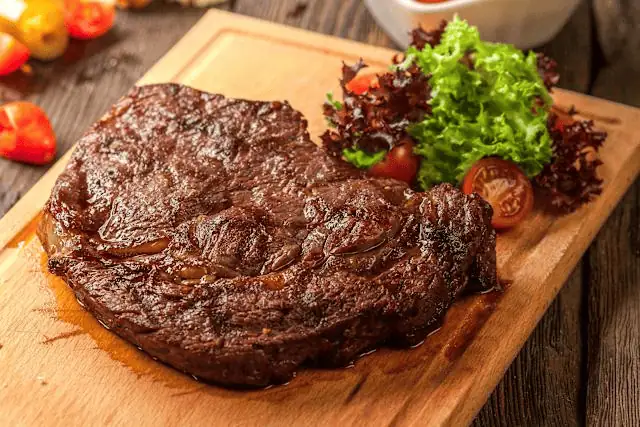
The shared method wasn’t about blasting high heat from start to finish. Instead, chefs advised beginning with a hard sear to build crust, then moderating the heat or finishing in the oven for thicker cuts. This two-stage approach allows the exterior to develop deep color while protecting the interior from overcooking. For steaks over an inch thick, transferring the pan to a moderate oven helps achieve an even internal temperature without burning the outside, delivering better balance and control.
Butter Baste for Flavor
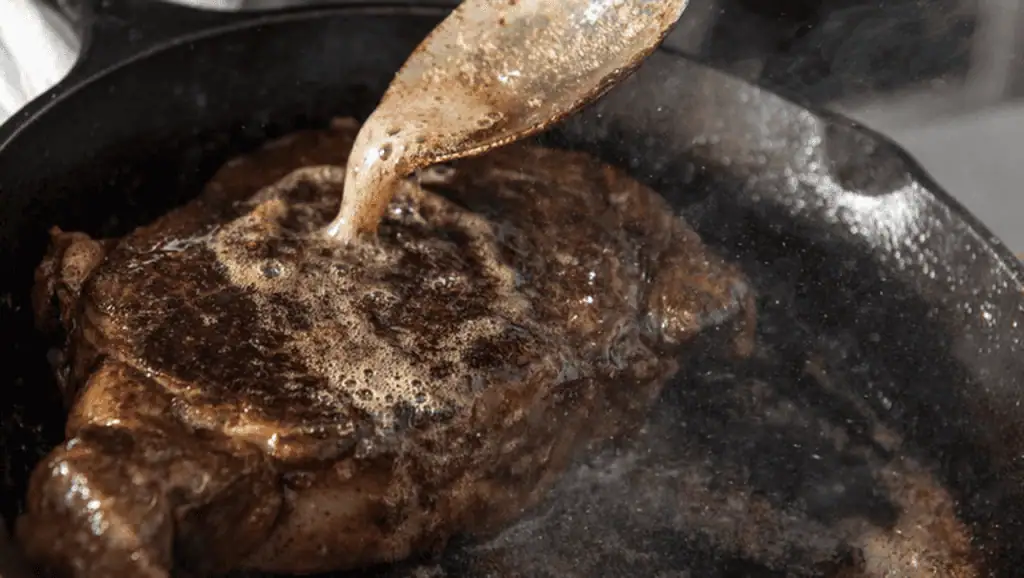
Once a deep crust has formed, the chefs recommend lowering the heat slightly and adding a knob of butter along with crushed garlic and hardy herbs such as thyme or rosemary. As the butter melts, tilt the pan and continuously spoon the foaming mixture over the steak. This technique layers flavor while gently finishing the surface. It’s not strictly required, but it’s often the difference between a solid home-cooked steak and one that tastes restaurant-level. The butter amplifies richness and releases aromatic depth.
Let It Rest
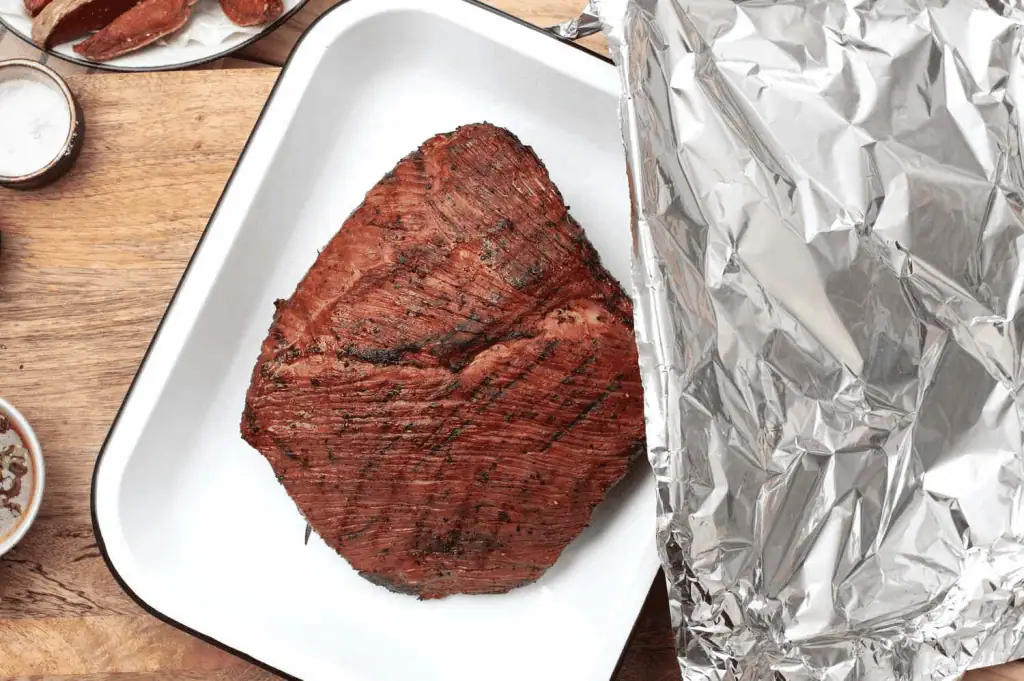
Resting the steak before slicing was non-negotiable for every chef I spoke with. Cutting too soon causes flavorful juices to spill onto the cutting board instead of staying within the meat. Allowing the steak to rest for five to ten minutes gives the muscle fibers time to relax and redistribute moisture evenly. The result is a juicier, more tender bite from edge to center. It may feel like a small pause in the process, but it delivers a noticeable improvement in texture and overall satisfaction.


