
9 Nuts Nutritionists Say Are the Healthiest to Eat

Nuts are small but mighty foods, packed with healthy fats, protein, fiber, and key nutrients that support overall health. While all nuts offer some benefits, certain varieties stand out for their nutrient density and role in promoting heart health, brain function, and weight management. Research consistently links nut consumption to lower risks of heart disease and improved longevity, making them a smart addition to any diet.
Almonds
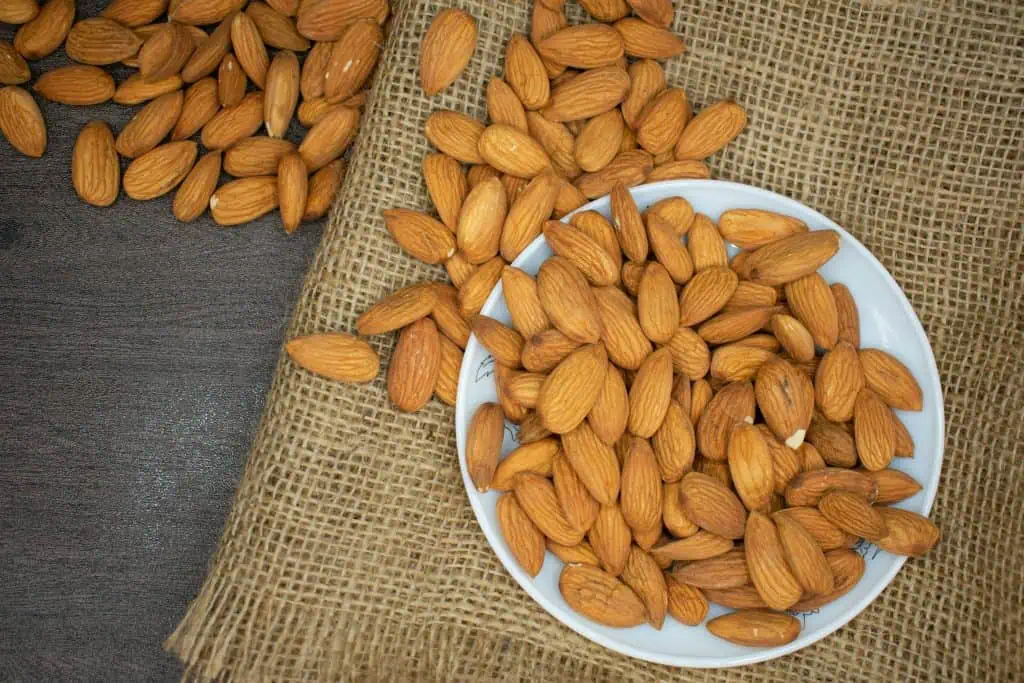
Almonds are rich in vitamin E, magnesium, and fiber, making them great for heart health and blood sugar control. A study in the Journal of the American Heart Association found almonds may reduce LDL cholesterol and belly fat. Just a handful also supports weight management, skin health, and energy levels, making almonds one of the most versatile nuts in a balanced diet.
Walnuts

Walnuts are one of the best sources of plant-based omega-3 fatty acids, which reduce inflammation and support brain and heart health. According to research from Harvard, regular walnut eaters had a 14% lower risk of death from cardiovascular disease. Their antioxidants also help fight cellular damage, making walnuts a powerhouse for memory and heart function.
Pistachios
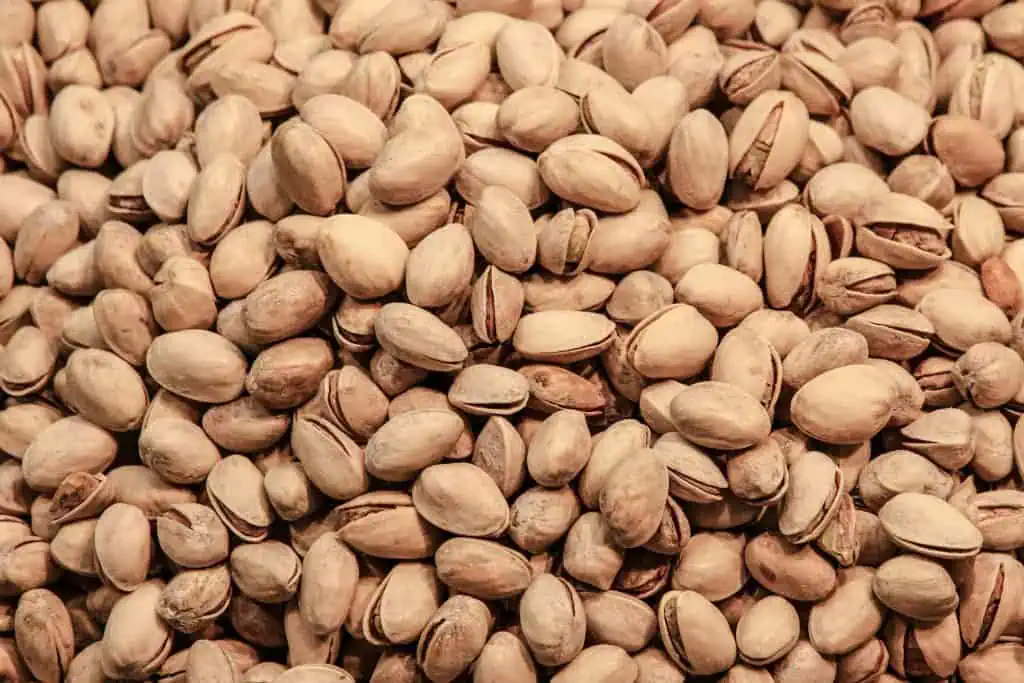
Pistachios are lower in calories than many other nuts but packed with protein, fiber, and potassium. A study in Nutrition Reviews linked pistachio intake to better cholesterol and blood pressure control. Their antioxidants, lutein and zeaxanthin, also protect vision. Eating them in the shell encourages mindful snacking, helping with portion control and weight balance.
Cashews

Cashews provide healthy fats, magnesium, and iron that support energy and bone health. A clinical trial published in Nutrients showed cashew consumption improved blood pressure and HDL cholesterol. Their creamy texture makes them popular in recipes, and while slightly higher in carbs, they remain a nutrient-dense choice when eaten in moderation.
Pecans

Pecans are full of antioxidants, heart-healthy fats, and fiber. Research in the Journal of Nutrition showed daily pecan consumption improved cholesterol and insulin sensitivity. Their slightly sweet taste makes them common in desserts, but when eaten raw or lightly roasted, they help lower inflammation and promote better cardiovascular health.
Hazelnuts

Hazelnuts are packed with vitamin E, copper, and manganese, supporting skin, bones, and immunity. A 12-week trial published in Nutrients found hazelnuts significantly improved participants’ cholesterol levels. Their monounsaturated fats promote heart health, while their antioxidant profile makes them a powerful nut for long-term well-being.
Brazil Nuts

Brazil nuts stand out for their extremely high selenium content, a mineral essential for thyroid and immune health. A study in the Journal of Nutrition and Metabolism showed that eating just one Brazil nut daily improved selenium status and antioxidant activity. Their creamy texture makes them indulgent, but moderation is key since excess selenium can be harmful.
Macadamia Nuts

Macadamia nuts are higher in fat than most nuts, but the majority is heart-healthy monounsaturated fat. According to a study in the Asia Pacific Journal of Clinical Nutrition, diets including macadamia nuts lowered cholesterol levels. Their buttery flavor makes them satisfying, though portion control is important given their high calorie density.
Peanuts
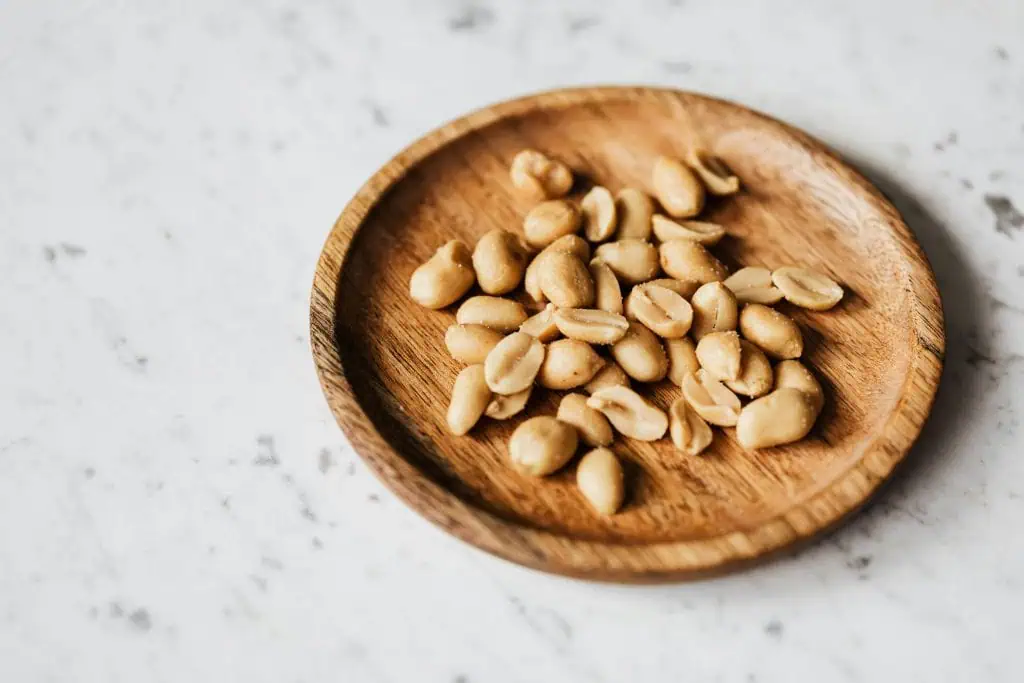
Though technically legumes, peanuts are often grouped with nuts and carry many of the same health benefits. A Harvard study linked peanut consumption to a 21% lower risk of heart disease. They’re rich in protein, niacin, and folate, supporting brain and energy health. Affordable and widely available, peanuts remain one of the most accessible nutrient-packed snacks worldwide.


