
5 Do’s and Don’ts for a Good Pasta

Making pasta seems simple, but small mistakes can turn a great dish into a disappointing one. From the way you cook noodles to how you handle the sauce, every step makes a difference. Italians have perfected pasta making over centuries, and their techniques reveal that good pasta is about balance, texture, and timing. Here are five key do’s and don’ts that will help you serve pasta like a pro.
Do Salt the Water Generously

Pasta water should be salty like the sea. Adding enough salt helps season the noodles from within, making them flavorful instead of bland. A common mistake is adding just a pinch too little to matter. Experts recommend at least one tablespoon of salt per four quarts of water for the best results.
Don’t Add Oil to the Water

Many believe adding oil prevents pasta from sticking, but in reality, it makes the noodles slippery and prevents the sauce from clinging. Proper stirring during the first minutes of cooking is enough to keep pasta separate. Save olive oil for drizzling over the finished dish, where its flavor can truly shine.
Do Cook Until Al Dente

Al dente, or “to the tooth,” means pasta that’s firm yet tender. Overcooked pasta becomes mushy and loses its character. Always taste a noodle a minute before the package suggests it should have a slight bite. This texture not only feels better but also holds up perfectly when tossed with sauce.
Don’t Drain Away All the Water

One of the biggest mistakes is dumping all the cooking water. Pasta water is full of starch, which acts like a natural thickener. Saving a cup before draining lets you loosen sauces and help them cling to noodles. This step transforms a good pasta into a restaurant-quality dish.
Do Toss Pasta with the Sauce
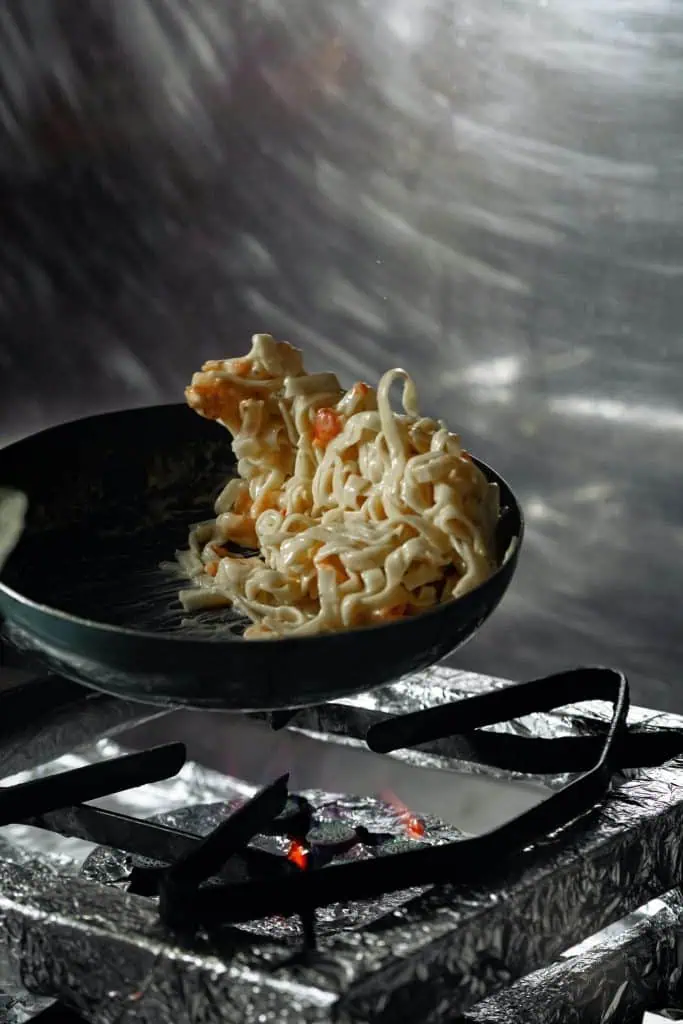
Instead of pouring sauce over pasta, always toss it together in the pan. This allows the noodles to absorb flavor and the sauce to coat evenly. Adding a splash of reserved pasta water helps create a silky texture. This final step ensures that every bite is balanced, flavorful, and satisfying.


