
The Story of Sweeteners: How Sugar, Honey, and Syrups Changed What We Eat and How We Live
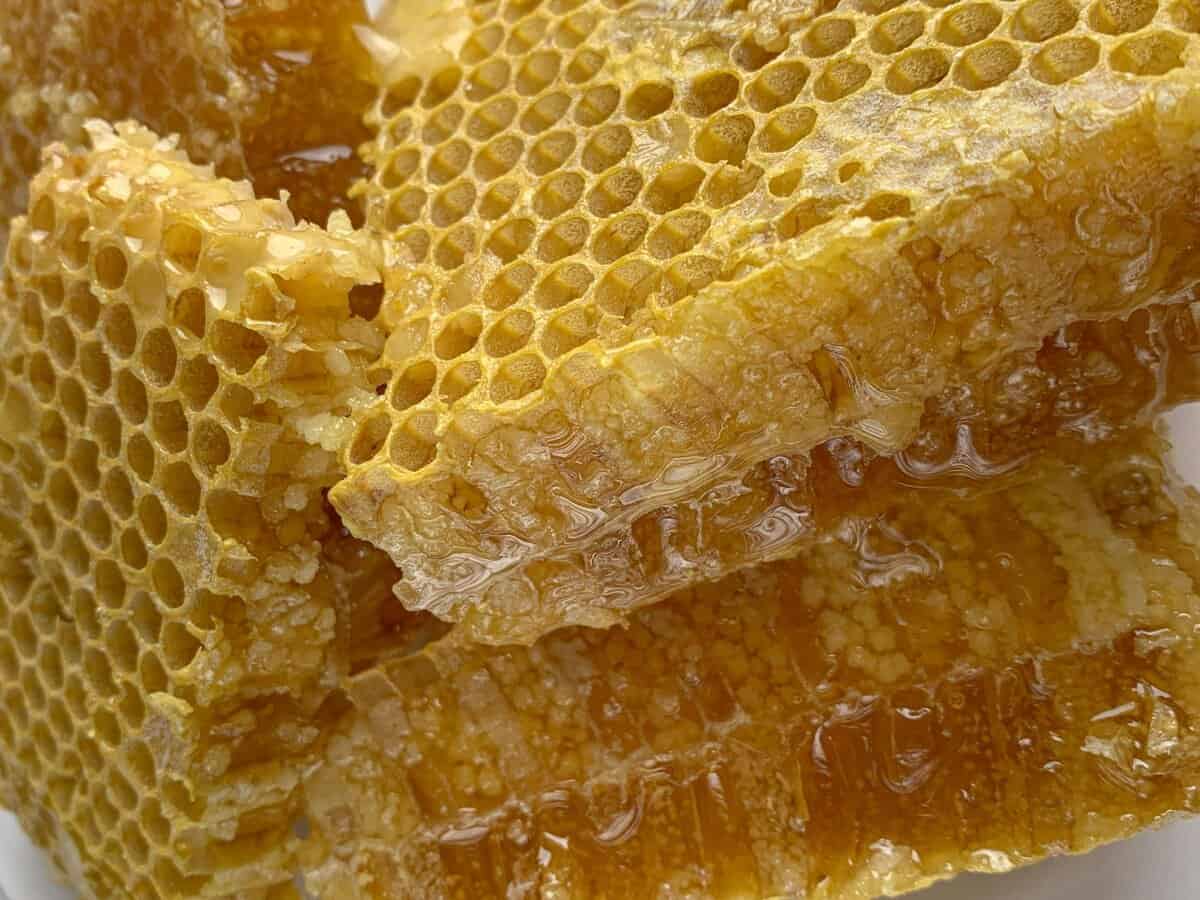
Sweeteners have shaped human history as much as they have shaped our diets. From ancient honey gatherers to modern sugar refineries, the quest for sweetness has influenced trade, culture, and even health. Once rare and prized, sweeteners became daily staples that changed how we cook, preserve, and celebrate. Today, sugar, honey, and syrups continue to connect us to traditions and innovation, reflecting both indulgence and the ongoing search for balance in what we eat.
Honey in Ancient Times

Honey was humanity’s first sweetener, treasured not only for its taste but also for its medicinal and preservative properties. Ancient Egyptians offered it to gods, while Greeks used it to fuel athletes and heal wounds. Honey’s natural enzymes and antibacterial qualities gave it a sacred status. Its ability to sweeten food and drinks made it indispensable long before cane sugar reached the world, and it remains a symbol of purity and natural abundance.
Sugar Cane and Global Trade

The rise of sugar cane transformed economies and diets across continents. Originating in South Asia, it spread through the Middle East and Europe, becoming a luxury commodity. By the 16th century, sugar fueled global trade, driving colonization, slavery, and economic shifts. Once reserved for the elite, sugar gradually became a household staple as production scaled. Its accessibility reshaped desserts, beverages, and daily diets, cementing its role in culinary and cultural history.
Maple Syrup and Regional Identity

Maple syrup emerged as a defining sweetener in North America, discovered by Indigenous peoples who taught colonists how to harvest sap. Its unique flavor and regional production made it more than just sugar, it became a cultural emblem of certain communities. Harvest festivals, recipes, and exports elevated maple syrup to a global delicacy. Its connection to place and tradition highlights how sweeteners can reflect identity and heritage as much as flavor.
Molasses and Industrial Growth

Molasses, a byproduct of sugar refining, became an essential ingredient in the 18th and 19th centuries. It flavored breads, gingerbreads, and rum, while also fueling industries reliant on cheap, calorie-dense ingredients. In many households, molasses was a practical sweetener, affordable and accessible compared to refined sugar. Its deep, rich taste influenced baking traditions and remains tied to classic recipes that showcase how byproducts can shape food culture.
Honey in Modern Wellness

Honey has seen a resurgence in the modern era as a natural alternative to processed sugar. Praised for its antioxidants, enzymes, and soothing qualities, it appears in teas, skincare, and health supplements. Raw and local varieties are particularly prized for flavor and potential benefits. Though still sweet, honey is embraced as a more holistic ingredient, showing how ancient sweeteners continue to find relevance in contemporary health-conscious lifestyles.
Sugar in Everyday Life

Sugar shifted from luxury to necessity, becoming embedded in nearly every processed food by the 20th century. Its affordability and versatility made it central to snacks, cereals, beverages, and desserts. However, rising concerns about health and obesity have reshaped its image. Once celebrated as a symbol of abundance, sugar is now more carefully consumed, reflecting a cultural shift in how we balance pleasure and health in our diets.
Syrups in Global Cuisine

Syrups like agave, date syrup, and rice syrup have expanded the world of sweeteners. Often tied to regional traditions, they add distinctive flavors and textures to foods. Agave became popular in modern vegan cooking, while date syrup remains a Middle Eastern staple. These syrups show how sweeteners reflect both cultural history and modern innovation, diversifying how people around the world satisfy their craving for sweetness.


