
The Reason Your Favourite Chain Tastes Different Than It Did 10 Years Ago

Chain restaurants evolve their recipes and ingredients over time to adapt to consumer trends and regulatory standards. This often results in subtle but noticeable changes in taste and texture. Understanding these alterations can explain why your favorite meal might taste different than it did a decade ago. Let's explore how some of the most popular fast-food chains have evolved their offerings in recent years.
McDonald's and Its Evolving Oil

McDonald's has significantly changed its cooking oil over the past decade, moving away from trans fats to healthier alternatives. This shift has affected the flavor profile of their iconic fries and chicken products. Transitioning to a blend that includes canola, corn, and soybean oil, the company aimed to appeal to health-conscious consumers without sacrificing taste.
For home cooks, this highlights the impact of oil choice on flavor, urging the experiment with different vegetable oils to find their preferred taste balance.
Subway: The Bread Revolution

Subway's bread has undergone substantial changes, driven by consumer demand for healthier options and clearer ingredients. The removal of additives like azodicarbonamide has altered the texture and flavor of their loaves. Emphasizing simplicity, Subway now offers breads with whole grains and seeds, enhancing both taste and nutritional value.
Home bakers can learn from this by scrutinizing ingredient labels and baking with cleaner, simpler ingredients to achieve delicious, wholesome bread at home.
Taco Bell's Ingredient Overhaul

Taco Bell has revised its ingredient list, focusing on natural flavors and better transparency. Removing artificial colors and reducing sodium were key steps in updating their menu. These changes enhance the authenticity of their dishes while catering to modern dietary preferences.
For enthusiasts wanting to recreate these flavors, this tweak underscores the importance of fresh herbs and spices, allowing you to refine your taco fillings with ingredients that pack genuine flavor without relying on artificial enhancements.
Burger King's Cost-Cutting Shift

Burger King has made adjustments to ingredient sourcing and preparation methods to maintain a competitive price point. This includes altering seasoning blends and adjusting portion sizes, which can subtly shift the taste dynamic. Cost management often involves such strategic tweaks, highlighting the delicate balance between quality and price in fast food.
For home chefs, this offers a lesson in ingredient flexibility, experimenting with differing spice ratios or meat cuts to achieve the desired taste while managing costs.
KFC's Health-Conscious Adjustments
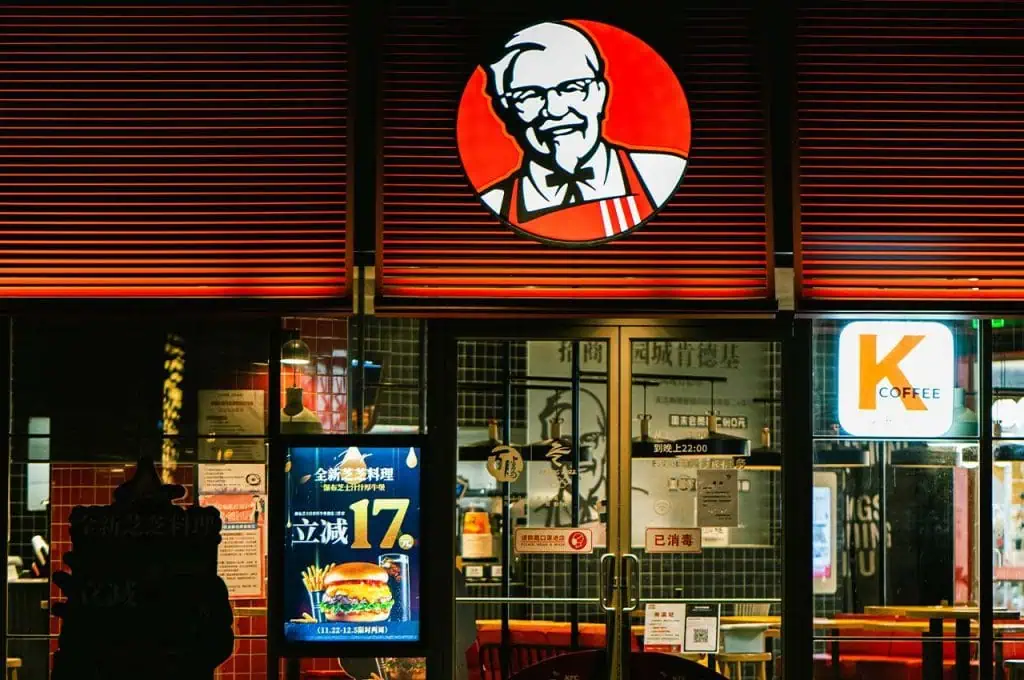
KFC, known for its iconic fried chicken, has adapted its recipes over the years to meet evolving health trends. The drive to reduce trans fats and sodium has led to changes in their cooking oils and seasoning blends. These adjustments aim to provide a healthier option without sacrificing flavor.
For home cooks aiming to emulate this, consider using canola oil for frying and balancing spices like garlic powder and paprika with a light hand. This ensures a depth of flavor while aligning with current dietary preferences.


