
The Fast-Food Takeover: TV Ads & Pop Culture Impact

In the latter half of the 20th century, fast-food chains transformed from local eateries to global giants. This rapid growth was fueled not only by the food itself but by strategic marketing and media influence. Television ads and pop culture played pivotal roles in embedding these brands into daily life. Exploring how these elements converged provides insight into the intersection of advertising, entertainment, and consumer behavior.
The Power of Early Fast-Food Marketing

Early fast-food marketing harnessed the reach of television to tap into a burgeoning consumer base. By presenting quick and affordable meal options, these ads resonated deeply with post-war families seeking convenience. Establishing brand loyalty through jingles and vibrant imagery, companies like McDonald's and Burger King positioned themselves as not just meal providers but cultural staples. This foundational strategy laid the groundwork for the industry's future dominance.
Iconic Ad Campaigns That Changed Eating Habits
Memorable ad campaigns like McDonald's “You Deserve a Break Today” and Burger King's “Have It Your Way” revolutionized dining habits by emphasizing personal choice and leisure. These campaigns used catchy slogans and relatable scenarios to create emotional connections.
By shifting focus from mere products to lifestyle enhancements, they encouraged consumers to integrate fast food into their routines, driving consistent demand and redefining mealtime dynamics.
Movies and TV: Making Burgers Mainstream
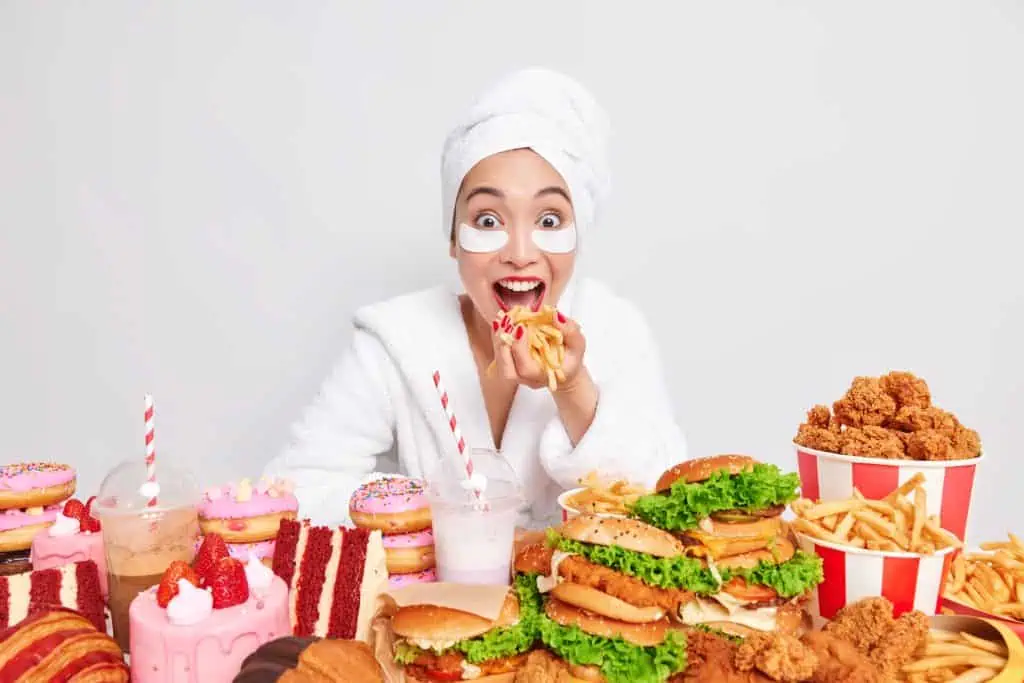
Film and television further cemented fast-food culture, with appearances in popular shows and movies normalizing and glamorizing the experience. Iconic scenes in films like “Pulp Fiction” or ubiquitous product placements in TV series familiarized audiences with brand imagery.
These portrayals not only boosted brand recognition but also embedded fast food as a symbol of modern, everyday life, increasing both desirability and normalized consumption at a cultural level.
Kids' Shows and Fast-Food Ties
Fast-food brands adeptly connected with younger audiences through strategic partnerships with children's TV shows. By incorporating popular characters into meal offerings and commercials, they fostered early brand affinity and loyalty. Happy Meals and collectible toys became cultural phenomena, enticing not just with food, but with entertainment value.
This blend of nostalgia and novelty effectively engaged children and, by extension, their families, leading to a multigenerational consumer base.
Cultural Icons: Fries, Shakes, and More
Fries and shakes have evolved into emblematic pillars of the fast-food movement. Their appeal lies in simplicity and the comforting familiarity they offer. Perfecting fries involves a two-step frying method: an initial low-temperature fry for a tender interior, followed by a high-heat finish for that sought-after golden crisp. Shakes require a balance between creamy texture and vibrant flavor, best achieved with high-quality ice cream and flavorful syrups.
These staples, consistently featured in TV ads, have become symbols of indulgence, emblematic of fast food’s pervasive cultural presence.
Lasting Effects on Taste and Dining

The fast-food industry's rise reshaped our palate preferences, creating a demand for quick, flavorful gratification. The influence of ubiquitous advertising has promoted a taste for bold flavors with high impact, often leading diners to favor intense seasoning and rich, fatty profiles. This shift has inspired home cooks to recreate familiar fast-food favorites, incorporating fast-food-inspired elements such as spice blends and juicy burgers into their repertoire.
The impact extends to dining habits, with increased expectations for speed and convenience shaping the way we approach meals, both at home and in restaurants.


