
9 Foods Food Banks Say They Wish People Donated More Often

Food banks rely heavily on donations, yet what people give doesn’t always match what families truly need. While shelves often fill with similar items, gaps remain in essential, nutritious foods that support balanced meals. Food bank coordinators frequently point out that certain products are harder to keep in stock, despite being crucial for children, seniors, and households facing food insecurity. These ten foods are consistently requested by food banks across the U.S., as they help create healthier, more complete meals rather than just temporary fixes.
Canned Protein (Chicken, Tuna, Salmon)

Canned protein is one of the most requested items at food banks because it provides essential nutrition without requiring refrigeration. While canned tuna is sometimes donated, varieties like canned chicken or salmon are far less common, despite their versatility and higher protein content. These items help families prepare filling meals such as casseroles, sandwiches, or salads. Food banks value them because they are shelf-stable, easy to distribute, and suitable for households with limited cooking equipment, making them far more impactful than many snack-based donations.
Peanut Butter

Peanut butter is a top-priority item for food banks due to its high protein, healthy fats, and long shelf life. It requires no cooking, making it ideal for families with limited kitchen access or unstable housing situations. Despite its usefulness, it is donated less frequently than expected, possibly because donors assume it is already plentiful. Food banks stress that peanut butter supports children especially well, offering sustained energy and nutrition. Its affordability and versatility make it one of the most effective items a donor can provide.
Canned Vegetables (Low-Sodium Preferred)
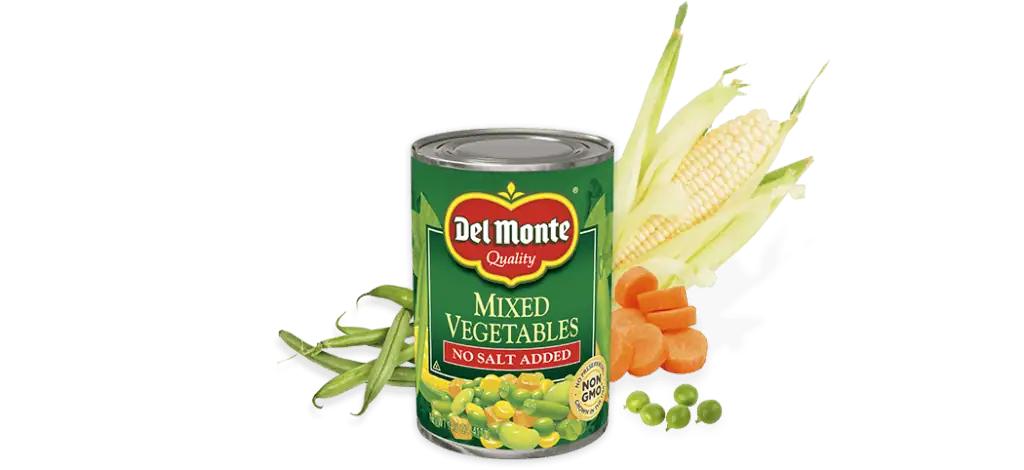
While canned goods are common donations, food banks often receive far more pasta and soup than vegetables. Low-sodium canned vegetables are particularly needed, as they help families build balanced meals without excessive salt intake. Green beans, carrots, peas, and mixed vegetables are staples that can stretch meals and add nutrition. Food banks prefer these items because they store well, work across many cuisines, and support healthier eating for people managing conditions like hypertension or diabetes.
Rice
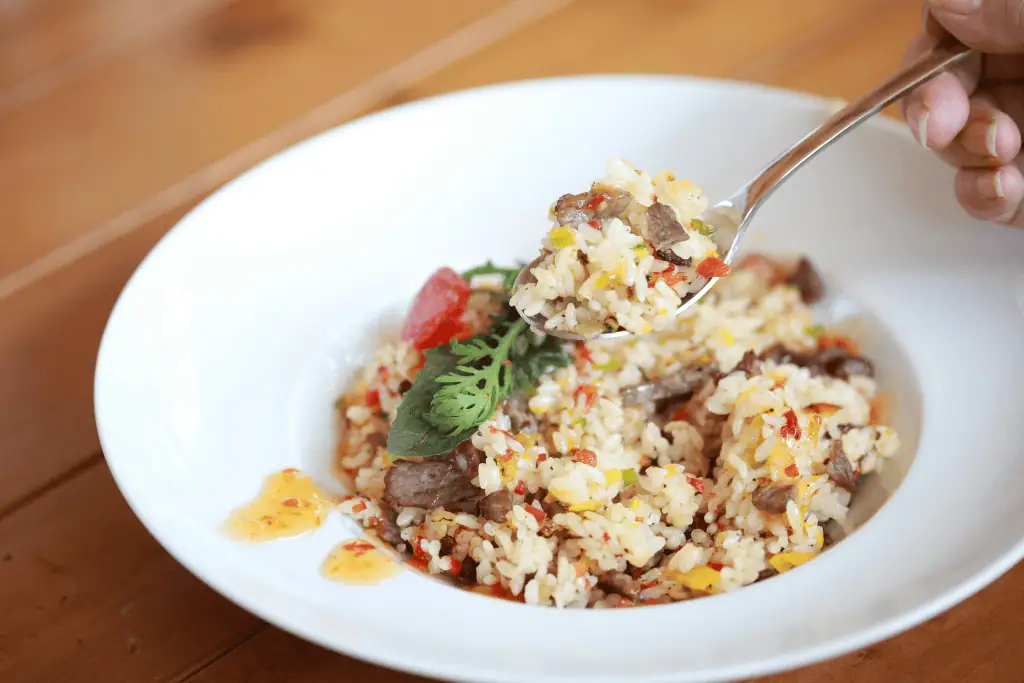
Rice is a foundational food for many cultures and one of the most requested staples at food banks. It is filling, affordable, and can be paired with almost any protein or vegetable. Despite its usefulness, rice is often overlooked in donation drives in favor of boxed or ready-made foods. Food banks appreciate rice because it allows families to cook multiple meals from a single bag. Both white and brown rice are welcome, as each offers flexibility depending on cooking time and dietary needs.
Dry Beans and Lentils
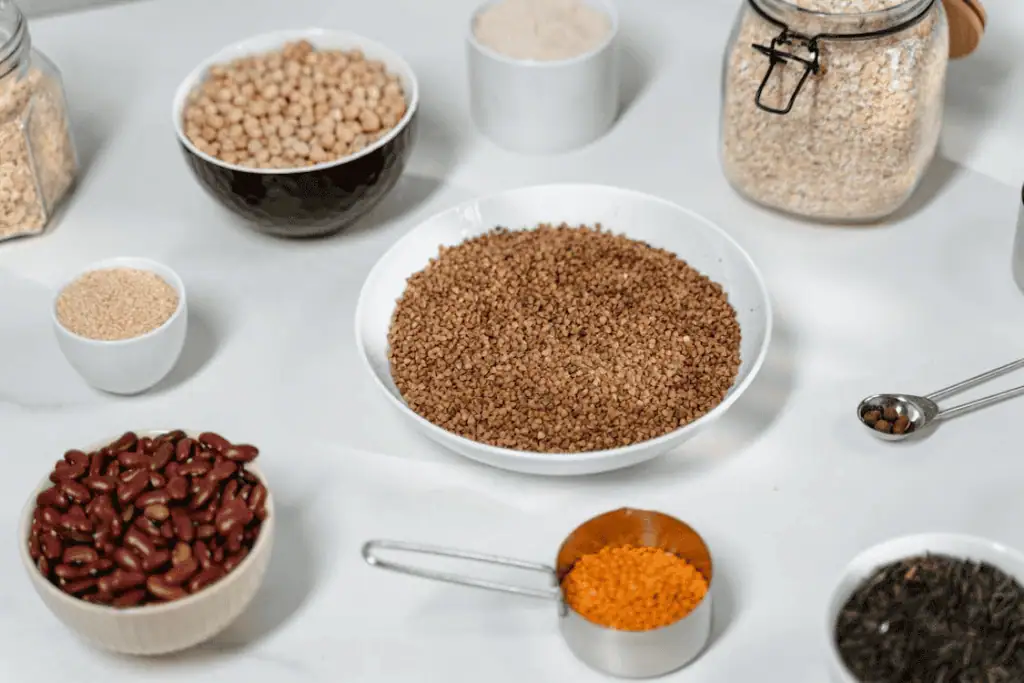
Dry beans and lentils are highly nutritious, affordable, and shelf-stable, yet they remain under-donated. These foods provide plant-based protein, fiber, and iron, making them valuable for families seeking healthy options. Food banks note that donors may avoid them due to unfamiliarity, but many households rely on them as meal staples. When paired with rice or vegetables, beans and lentils help create complete, satisfying meals that go much further than processed foods.
Cooking Oil

Cooking oil is one of the most needed yet least donated food bank items. It is essential for preparing meals, but its higher price point often discourages donors. Food banks emphasize that without oil, many donated foods cannot be cooked properly. Small bottles are especially helpful, as they are easier to distribute and store. Donating oil helps families turn basic ingredients into real meals, making it a practical and impactful contribution that is frequently overlooked.
Shelf-Stable Milk or Milk Alternatives
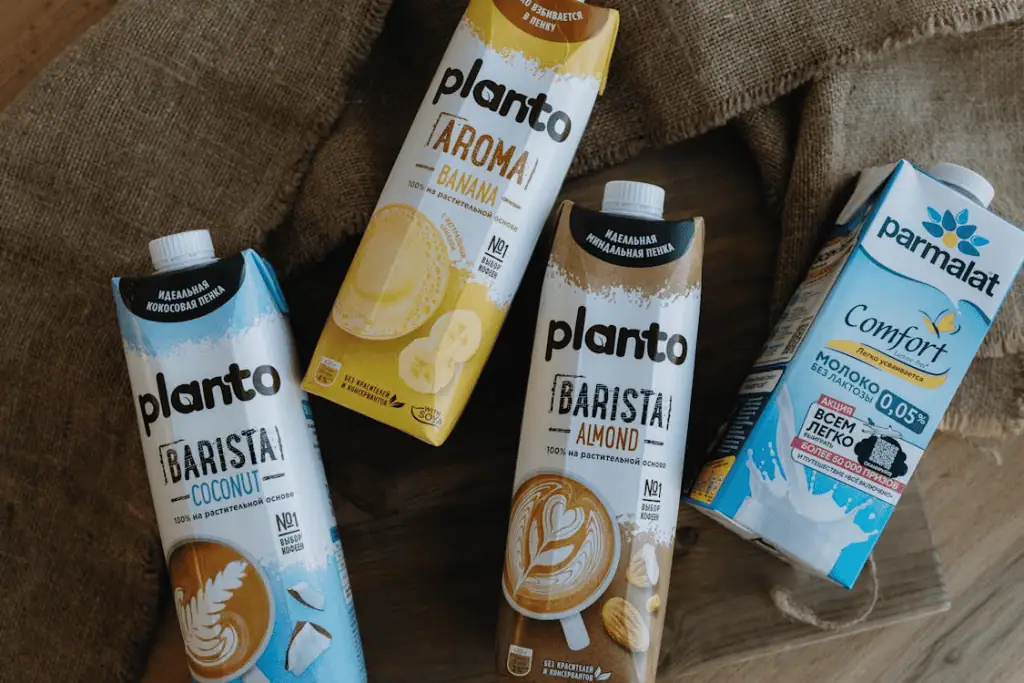
Shelf-stable milk, including dairy and plant-based options, is in constant demand at food banks. It provides calcium, protein, and essential nutrients, particularly for children and seniors. Because it doesn’t require refrigeration until opened, it is easier to store and distribute than fresh milk. Food banks report that milk alternatives like soy or oat milk are rarely donated but highly valued for people with lactose intolerance or dietary restrictions, helping ensure inclusivity in food assistance.
Whole-Grain Pasta
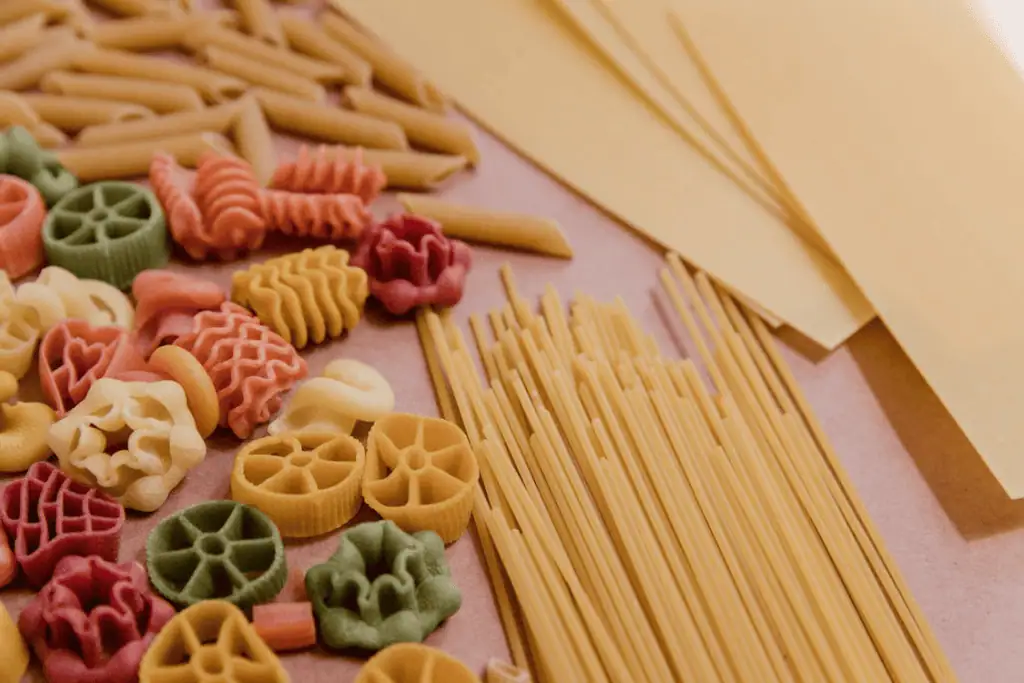
Pasta donations are common, but whole-grain varieties are much harder for food banks to keep in stock. Whole-grain pasta offers more fiber and nutrients, supporting better long-term health. Food banks encourage these donations because they help families prepare healthier versions of familiar meals. Whole-grain pasta pairs easily with canned vegetables, sauces, or proteins, making it a practical staple. Its long shelf life and wide appeal make it a meaningful upgrade from refined options.
Canned Fruit (In Juice, Not Syrup)
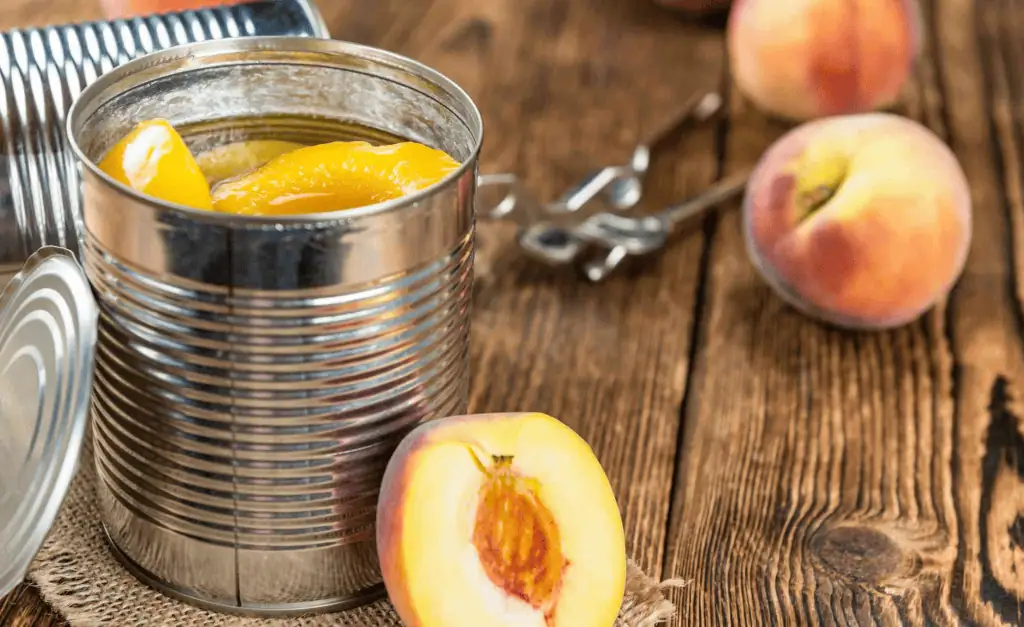
Canned fruit is appreciated, but food banks specifically need varieties packed in juice rather than heavy syrup. These options provide vitamins without excessive added sugar, making them better for children and individuals managing health conditions. Canned fruit adds variety and freshness to meals when fresh produce isn’t available. Food banks value it as a nutritious snack or dessert option, yet it remains less commonly donated compared to canned desserts or sweet snacks.


