
15 Foods That Shaped the World as We Know It

Food has always been more than just sustenance; it has shaped economies, cultures, and even the course of history. Certain ingredients and dishes have influenced trade routes, fueled empires, and brought people together across continents. From staples that built civilizations to luxuries that sparked global demand, these 15 foods changed the world in profound ways.
Bread

Bread has been a cornerstone of human civilization for thousands of years. Ancient Egyptians pioneered leavened bread, and it became a daily staple across cultures. Its role as “the staff of life” made it central to agriculture and economies. Even today, bread remains one of the most universal foods.
Rice

As one of the oldest cultivated crops, rice has sustained billions across Asia for centuries. It shaped trade, migration, and cuisine, becoming a cultural symbol in countries like China, Japan, and India. Its adaptability made it one of the most important foods in human history.
Potatoes

Potatoes transformed European diets after arriving from the Americas in the 16th century. Cheap, filling, and easy to grow, they helped reduce famine and fueled population growth. However, reliance on potatoes also led to tragedies like the Irish Potato Famine.
Corn (Maize)
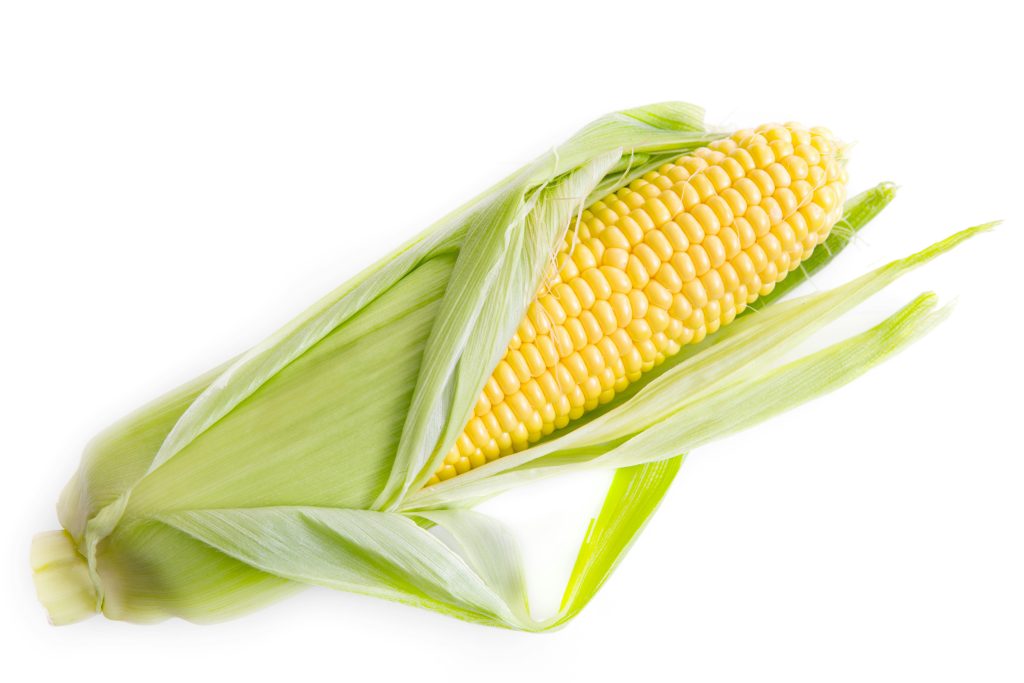
Domesticated in Mexico, corn became a vital crop that spread worldwide. It supported ancient civilizations like the Maya and Inca and later fed livestock, driving modern agriculture. Corn’s versatility from tortillas to biofuels makes it one of the most influential crops ever.
Salt

Salt’s ability to preserve food made it essential before refrigeration. It was so valuable that it influenced trade routes, economies, and even wars. Cities and empires grew around salt mines and trade, giving this simple mineral immense historical significance.
Sugar

Sugar fueled global trade and reshaped diets, but its history is tied to colonization and the transatlantic slave trade. Its addictive sweetness made it a driving force in commerce, and it remains one of the most influential and controversial foods in history.
Coffee
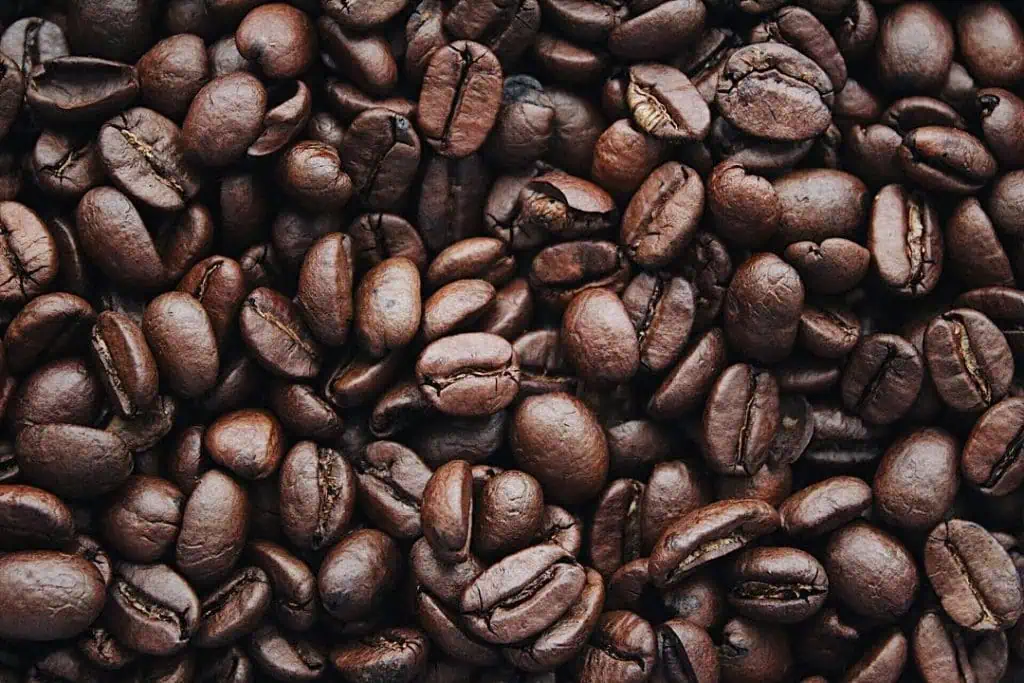
Coffeehouses became hubs of intellectual and political exchange in Europe and the Middle East. The global coffee trade influenced colonial economies and continues to impact modern culture. Today, coffee is not only a morning ritual but also an economic lifeline for millions of farmers worldwide.
Tea

Tea shaped global trade, especially between Britain and Asia. The British East India Company’s dominance in tea transformed economies, while events like the Boston Tea Party made it a symbol of political resistance. Tea remains one of the world’s most consumed beverages.
Chocolate

Cacao was revered by ancient Mesoamerican civilizations and later spread globally through colonization. Chocolate became a symbol of luxury in Europe and, with industrialization, evolved into the mass-market treat we know today. Its journey reflects cultural and economic shifts across centuries.
Olive Oil

Olive oil has been a symbol of health, wealth, and culture since ancient Greece and Rome. It fueled economies, influenced Mediterranean cuisine, and carried religious and medicinal importance. Its legacy continues as a staple of healthy diets worldwide.
Spices

Spices like cinnamon, pepper, and cloves drove exploration and trade routes. The Spice Trade connected Europe, Asia, and Africa, fueling the Age of Exploration. Wars were fought over spice access, and they remain central to global cuisines today.
Tomatoes

Native to the Americas, tomatoes transformed European and global cuisine after their introduction. They became indispensable in Italian cooking, Latin American dishes, and beyond. Today, tomatoes are one of the most widely grown crops worldwide.
Cheese

Cheese has been crafted for thousands of years as a way to preserve milk. Different regions developed unique varieties, influencing cultures and cuisines. From French brie to Swiss Emmental, cheese remains a culinary cornerstone across the globe.
Fish

Fishing sustained ancient coastal communities and remains one of the most important food sources worldwide. Cod, in particular, shaped trade routes and colonization, while sushi elevated fish into a cultural art form. Fish continues to shape diets and economies globally.
Chili Peppers
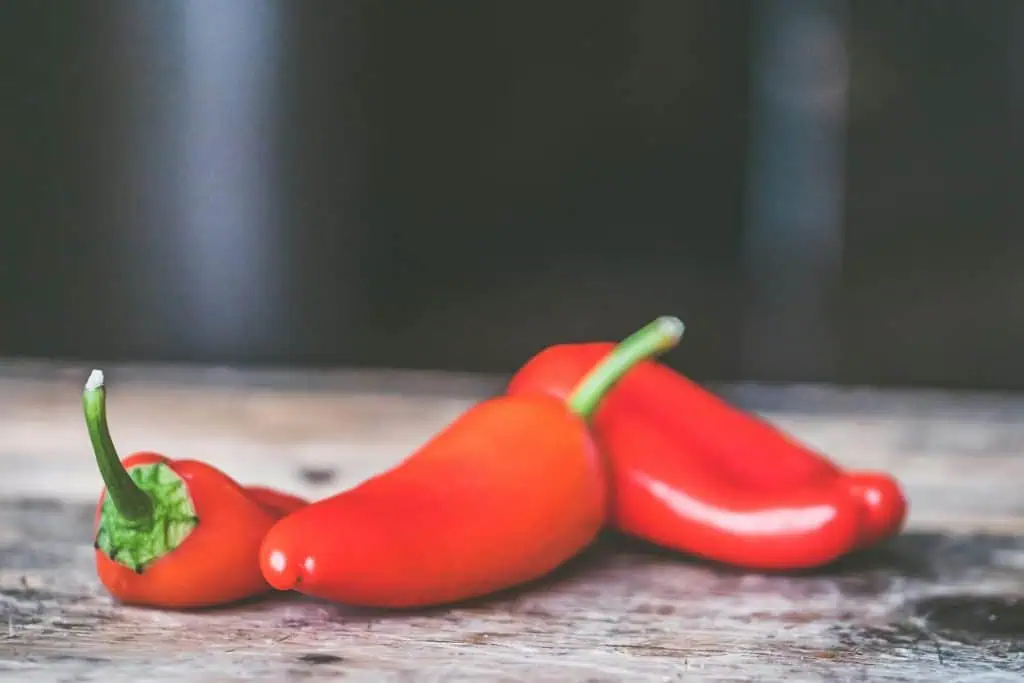
Chili peppers, domesticated in the Americas, spread worldwide after the Columbian Exchange. They transformed cuisines from Asia to Africa, adding heat and flavor that redefined dishes. Today, chilies are an essential ingredient in countless global recipes.


