
9 Unhealthy Drinks to Skip and 9 Healthier Swaps

In the quest for better health, paying attention to what we drink is as crucial as watching our food intake. Many popular beverages are laden with hidden sugars and unnecessary calories, contributing to various health issues. This guide will help you identify drinks better left on the shelf and offer healthier alternatives that still satisfy your cravings without the negative health impacts. Harness these recommendations to make more informed choices that help you feel at your best.
Soda: Skip the Sugar Bomb

Soda is a major source of added sugars, often delivering far more than the recommended daily limits. These sugar-laden drinks can lead to weight gain, spiked insulin levels, and increased risk of chronic diseases. The carbonation and artificial flavors offer temporary satisfaction but at a significant nutritional cost. It's essential to reduce or eliminate soda intake for better long-term health outcomes. Seek out alternatives that are refreshing without the excess sugar.
Swap In: Infused Water

Infused water is an excellent substitute that hydrates without added sugars or calories. Start with a base of still or sparkling water, adding slices of citrus fruits, fresh herbs like mint or basil, and even cucumber for a refreshing burst of flavor. The key is to allow the ingredients to steep in the fridge for a few hours, letting the subtle flavors enhance the water naturally. This simple switch provides hydration and delightful flavor without any guilt.
Energy Drinks: Avoid the Jitters

Energy drinks are notorious for their high caffeine and sugar content, often resulting in unwanted jitters and energy crashes. These beverages may promise heightened alertness but at the expense of your health, including potential heart and sleep issues. The artificial flavors and colors further detract from their appeal. It's wise to seek out more balanced alternatives that offer real energy without the risk of overstimulation.
Swap In: Sparkling Water with Lime

Sparkling water with a squeeze of lime provides a refreshing, caffeine-free lift. The effervescence can mimic the sensation of energy drinks, while the citrus offers a zesty note that is both invigorating and natural. Lime adds a hit of vitamin C without the sugar, making it a clean energy source that is perfect for any time of day. Embrace this swap to maintain hydration and energy levels without the harmful side effects.
Sweetened Iced Tea: Not So Refreshing

Sweetened iced tea might seem like a light option, but it often contains high levels of refined sugars and additives, diminishing its supposed ‘refreshing' qualities. Most commercial versions use artificial flavors that mask the delicate bitterness of genuine tea leaves. A typical serving can harbor as much sugar as a soft drink, contributing to dehydration rather than quenching thirst effectively. Opting for alternatives can reduce sugar intake significantly and promote better hydration.
Swap In: Green Tea

Green tea offers a myriad of benefits and is an ideal swap for sweetened iced tea. It’s naturally low in calories and teems with antioxidants that support overall health. To make iced green tea, steep quality loose-leaf green tea in hot water, then chill it without added sugars. Enhance flavor with a slice of lemon or a sprig of fresh mint for a refreshing twist. This version delivers a satisfying, subtle bitterness and natural fragrance, making it a healthier, invigorating choice.
Fruit Punch: A Sugar Trap
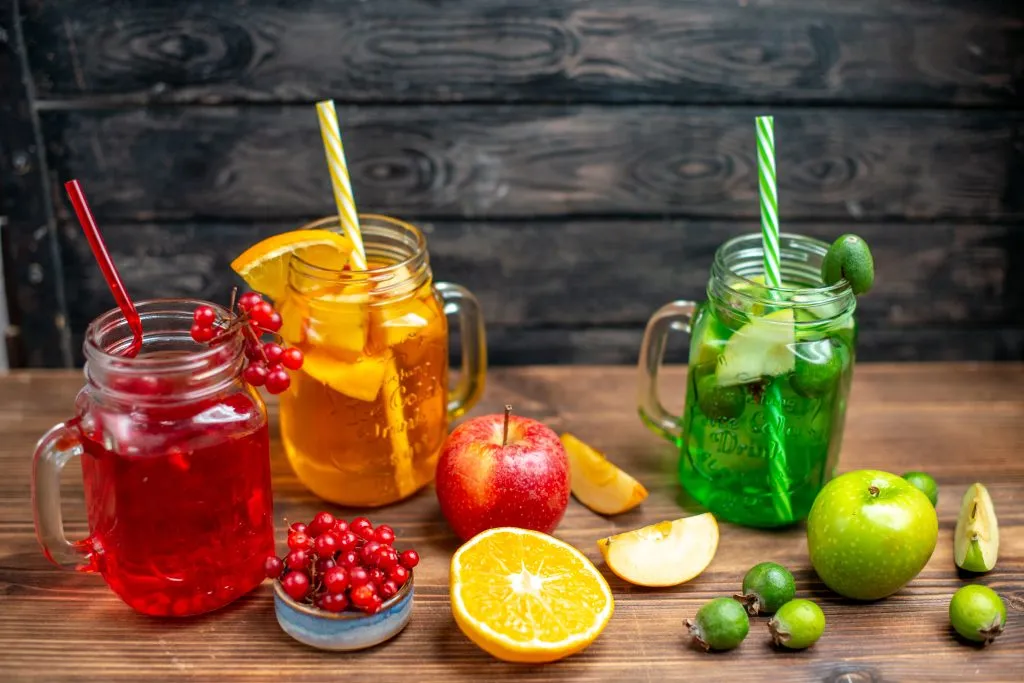
Fruit punch often masquerades as a healthy option, but it's predominantly sugar-laden, with minimal real fruit. These beverages contain high fructose corn syrup and colorings that provide negligible nutritional value. Regular consumption can lead to energy crashes and heightened sugar cravings. The vibrant child's favorite is, unfortunately, more of a sugar binge than a source of vitality. Seeking a better option helps to maintain energy without overloading on empty calories.
Swap In: Coconut Water

Coconut water is an excellent alternative to fruit punch, offering natural hydration with a subtle sweet taste. It’s low in sugar compared to its commercial counterparts and naturally rich in electrolytes like potassium and magnesium. Choose unsweetened varieties to fully benefit from its pure qualities. Great for post-workout recovery or a midday refreshment, its gentle sweetness and hydrating properties make it a superior choice for those seeking a nourishing drink.
Store-Bought Smoothies: Hidden Calories

Store-bought smoothies, although marketed as health foods, often conceal significant amounts of sugar and calories. They may include sugary fruit juices, frozen yogurt, or sweetened protein powders that undermine their nutritional appeal. Processing also diminishes the fiber content, reducing their ability to support digestion and satiety. When choosing ready-made options, pay careful attention to ingredient lists and nutritional information to avoid inadvertently consuming more sugar than expected.
Swap In: Homemade Smoothies

Creating your own smoothies at home allows you to control every ingredient and boost nutritional value. Start with a base of unsweetened almond milk or low-fat yogurt for creaminess without excess calories. Add fresh or frozen fruits such as bananas, berries, or mango for natural sweetness and vitamins. Enhance flavor with a handful of spinach or kale, a spoonful of chia seeds, or a dollop of nut butter for added nutrients. Use a high-speed blender to combine the ingredients until smooth—this technique ensures a consistent texture and optimal flavor balance.
Flavored Coffee: A Caloric Cup

Flavored coffee is often more of a dessert than a morning pick-me-up. Laden with sugar syrups, whipped cream, and various additives, a typical serving can contain hundreds of calories and grams of sugar. These drinks may appeal due to their taste, but they offer little in nutritional value, often spiking blood sugar levels, which can lead to energy crashes. Opt for alternatives that provide the richness of coffee without the unnecessary additions, thereby maintaining both health and flavor.
Swap In: Cold Brew or Black Coffee

Cold brew and black coffee provide full-bodied flavor with minimal calories. When making cold brew, use coarse coffee grounds and steep them in cold water for about 12 to 24 hours, which results in a smooth, mellow drink. Black coffee can be brewed using a French press or a drip machine for a straightforward, robust flavor. Both options can be enjoyed as they are or with a splash of milk or almond milk for those who prefer a bit more creaminess without added sugar.
Alcoholic Mixes: Empty Calories

Alcoholic mixtures often hide a significant amount of calories in the form of sugary mixers. Margaritas, piña coladas, and rum and cokes can quickly tally up to hundreds of calories per glass, primarily from sugar. Removing these mixers not only lowers caloric intake but also lets the true character of the spirit shine through. Changes in consumption can help reduce weight gain and promote overall health, without needing to completely eliminate enjoyable social drinks.
Swap In: Kombucha
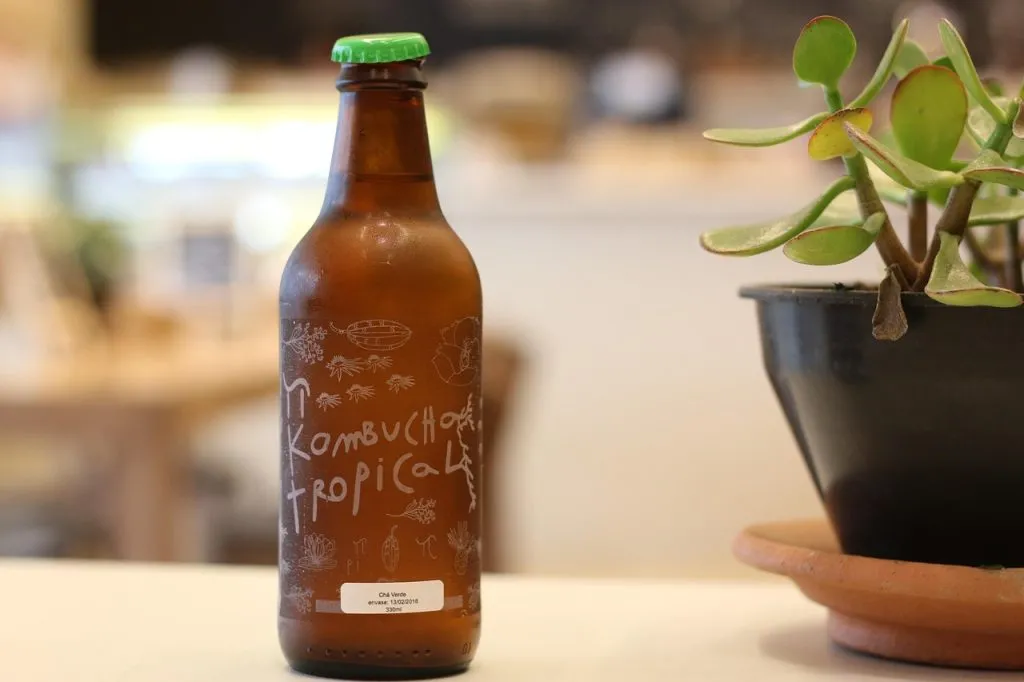
Kombucha offers a refreshing alternative to high-calorie alcoholic drinks, with the added benefit of probiotics for digestive health. Crafted through the fermentation of tea, this effervescent beverage can be made by allowing brewed tea to combine with a symbiotic culture. The result is a slightly tart, naturally fizzy drink that is low in sugar. Experiment with flavors by introducing ginger, berries, or lemon during the fermentation process to tailor the brew to your preferred taste profile. Enjoy kombucha chilled for a crisp, satisfying sip.
Vitamin Waters: Not So Healthy

Vitamin waters often lure with promises of hydration and nutrients, yet they carry high sugar content and artificial additives. While they seem beneficial, the sugar can rival that of soft drinks, undermining health goals. Instead of choosing vitamin water, opt for natural and freshly infused options to ensure genuine nourishment without excess sweeteners. Recognize labels and prioritize beverages that offer real hydration benefits without the hidden sugars.
Swap In: Herbal Teas

Herbal teas provide a flavorful and nutritious alternative to sugary vitamin waters. Rich in antioxidants and free from artificial additives, they support hydration while offering unique health benefits. Many varieties, from chamomile to mint, can aid in digestion, soothe stress, and improve sleep quality. Brewing your own allows for control over strength and flavor, integrating natural elements like lemon or ginger. As a caffeine-free choice, herbal teas refresh and rejuvenate without unwanted calories or artificial flavors.
Sweetened Coconut Water: Skip the Can

Canned coconut water often contains added sugars, diluting its natural benefits. While natural coconut water boasts electrolytes, many commercial versions are overly sweetened, negating the refreshing hydration it should offer. Be wary of labels and additives. Fresh or minimally processed coconut water is preferable, containing pure nutrients without the saccharine disguise. Look for options that specify ‘unsweetened' or explore pure coconut water from whole coconuts for authentic refreshment.
Swap In: Plant-Based Milk

Plant-based milk provides a versatile and healthier swap, especially when unsweetened and fortified. Options like almond, oat, or soy milk offer nutrients such as calcium, vitamin D, and protein, catering to various dietary needs. They serve as an excellent base for smoothies or a creamy companion to your morning coffee. The process of making homemade versions allows customizations, ensuring a fresh and additive-free drink that aligns with your preferences. Prioritize choices that highlight purity and nutrient density.


