
15 Breakfast Foods That Might Not Be as Healthy as You Think

When planning a healthy breakfast, it's essential to examine the nutrition behind popular choices. Many foods that appear nutritious can contain hidden ingredients or preparations that reduce their health benefits. Understanding these pitfalls will help you make informed choices that align with your dietary goals and start your day on the right foot.
Surprising Sugar in Smoothies

Smoothies are often seen as a convenient way to pack in fruits and vegetables. However, commercially prepared options can be loaded with added sugars. When crafting a smoothie at home, focus on balance. Use unsweetened almond milk or pure yogurt as a base, and prioritize whole fruits over juice to control the sugar content. Adding a handful of spinach or kale boosts nutrients without altering taste dramatically.
Granola: Hidden Calorie Bomb
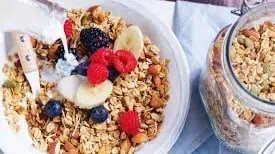
Granola may seem like a wholesome start, but it's often calorie-dense with added sugars and fats. Make it at home to control ingredients, using rolled oats, a small amount of pure honey, and heart-healthy nuts. Toasting the mixture in the oven enhances flavor. Be mindful of portions; a modest sprinkle over yogurt or a smoothie will deliver crunch and satisfaction without excess calories.
Cereal Bars: Fake Health Heroes
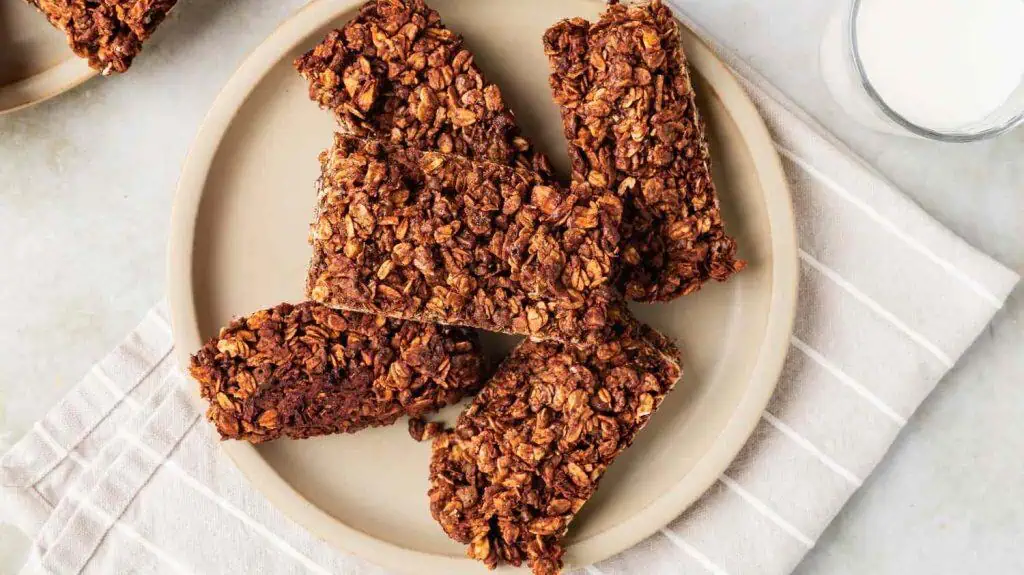
Cereal bars marketed as healthy can be misleading, often packed with sugars and syrups. Instead, create your own bar using natural sweeteners like dates and a variety of nuts and seeds for texture. Incorporate rolled oats for fiber and add a touch of dark chocolate or dried fruit for flavor without overpowering sweetness. This approach ensures control over nutritional content and maintains energy without a sugar crash.
Muffins: Dessert in Disguise

Muffins are often seen as a breakfast staple but can be little more than cupcakes without the frosting. To enjoy a healthier version, bake your own using whole grain flours and limit sugar by sweetening with mashed bananas or unsweetened applesauce. Enhance with spices like cinnamon or adding fruits like blueberries for natural sweetness and fiber. This creates a satisfying and nutritious treat without the unhealthy drawbacks of its store-bought counterparts.
Fruit Juices: Sugar Overload

When choosing breakfast beverages, fruit juices often seem like a healthy choice. However, many packaged options contain high levels of added sugars, contributing to a swift spike in blood sugar. Even juices labeled “100% fruit” lack the fiber found in whole fruits, which is essential for slowing sugar absorption. Homemade alternatives, blending whole fruits with water or ice, can offer a refreshing experience with balanced sweetness and natural fiber intact. Opt for fresh fruits alongside your breakfast for a more nutritionally complete start to your day.
Bagels: Not So Innocent

Bagels may appear as a simple carbohydrate choice but often hide significant calorie counts. A single bagel can be equivalent to several slices of bread, particularly those made from refined flours. These lack essential nutrients and fiber, leading to rapid digestion and a quick return of hunger. Choosing whole-grain varieties, or even opting for smaller portions, can be a step towards healthier consumption. Topping them with protein-rich options such as smoked salmon or avocado can also help maintain satiety throughout the morning.
Pancakes: Sneaky Sugar Sources

Pancakes can easily mask excessive sugars in both the batter and toppings. Standard pancake mixes often contain added sugars, while syrup, a common accompaniment, substantially increases sugar content. To create a more balanced dish, consider using whole grain flour or adding ingredients like oats and nuts for texture and nutrition. Serve with fresh berries instead of syrup to introduce natural sweetness along with antioxidants. Being mindful of portion size and the nutritional profile can transform pancakes from a sugary indulgence to a healthier breakfast option.
Flavored Yogurts: High Sugar Traps

Flavored yogurts often present themselves as a healthy breakfast, yet many are laden with added sugars that can rival desserts. These sugars not only overshadow the probiotic benefits but also offset the balance of a nutritious start. Opting for plain, unsweetened yogurt allows you to control sweetness by adding fresh fruit or a hint of honey. Greek yogurt provides a protein boost, enhancing fullness and sustaining energy. Making this simple swap can maintain the integrity of your breakfast, supporting overall health goals.
Breakfast Sandwiches: Fat Surprises

Breakfast sandwiches frequently contain hidden fat, primarily from processed meats and cheeses. While these sandwiches can be filling, they often deliver more saturated fats and calories than anticipated. Choosing whole-grain bread or wraps can incorporate more fiber, while opting for lean meats, plant-based alternatives, or grilled veggies can significantly reduce fat content. Consider preparing sandwiches at home where portion control and ingredient quality are prioritized, transforming a typically heavy meal into a more balanced breakfast choice.
Instant Oats: Sugar-Laden Options

Instant oats can be a quick breakfast solution, but many varieties come with added sugars that turn this otherwise nutritious grain into a less healthy choice. Always read labels carefully; aim for plain versions where you control the sweetening. Enhance your oats with fresh fruits or a dash of cinnamon for flavor without excessive sugar. These small changes preserve the heart-healthy benefits while keeping your breakfast light and satisfying.
Banana Bread: Cake in a Loaf

Though banana bread often masquerades as a healthy option, it’s typically loaded with sugar and fats that resemble a dessert more than a breakfast. Make a healthier version by reducing sugar, using whole grain flour, and adding nuts for texture and protein. Incorporate ripe bananas to naturally sweeten, ensuring each slice maintains its moistness and flavor without the extra calories.
Toast with Spreads: Sneaky Spreads

Toast topped with spreads might seem harmless, but common choices like butter, jam, and hazelnut spread can pack in saturated fats and sugars. Opt for whole-grain bread for fiber and try avocado or nut butters with no added sugars. A sprinkle of seeds can elevate the texture and boost nutrient content. This approach keeps your toast balanced without compromising on taste.
Coffee Drinks: Sweetened Pitfalls

Many coffee drinks are laden with sweeteners and syrups, transforming them into deceptive calorie bombs. When preparing coffee, favor black or lightly sweetened with a bit of honey or a dash of milk. Explore toppings like cinnamon or unsweetened cocoa powder for a flavor kick. By moderating the additives, you can enjoy your cup without undermining your health goals.
Trail Mix: Calorie Dense Snack
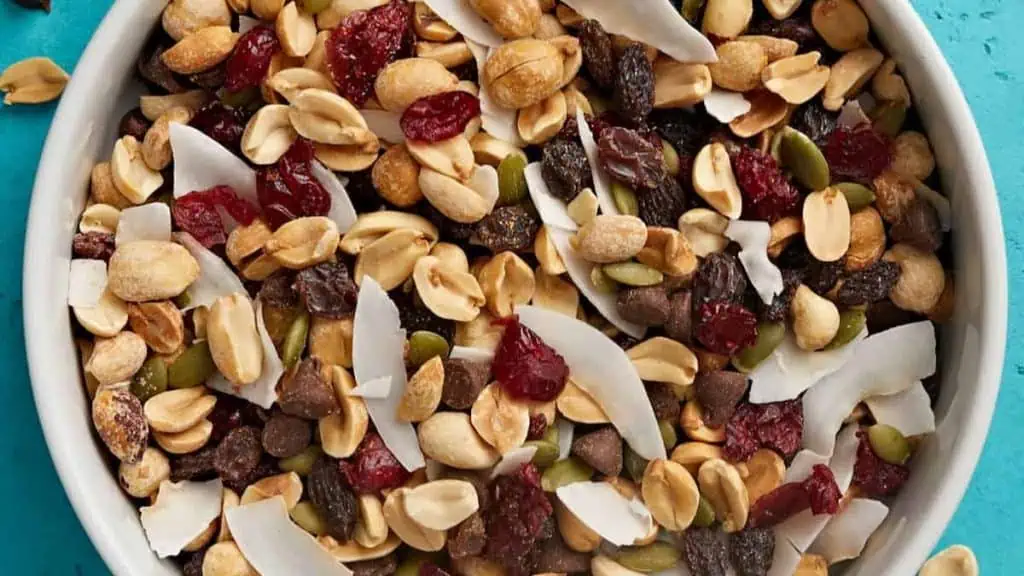
Trail mix is often marketed as a nutritious snack, but it can be surprisingly high in calories due to sugary dried fruits and chocolate pieces. For a healthier version, create your own mix with raw nuts, seeds, and unsweetened dried fruit. This homemade approach allows for control over the ingredients, ensuring a nutrient-dense snack that provides energy without unwanted calories.
Sausages: Unexpected Fats

Sausages are often beloved for their hearty flavor, but their health benefits can be misleading. Despite their protein-rich reputation, many sausages are high in saturated fats and sodium, which can counteract a nutritious start to your day. Choose varieties with visible lean meat and minimal fillers. Look for artisan or homemade options where you control the ingredients, opting for turkey or chicken alternatives over pork. Cooking methods matter as well—grilling or baking instead of frying can reduce fat content and make your breakfast a lighter, healthier choice.


