
7 Foods AI Claims Will Dominate American Plates by 2030 (And They’re Wild)
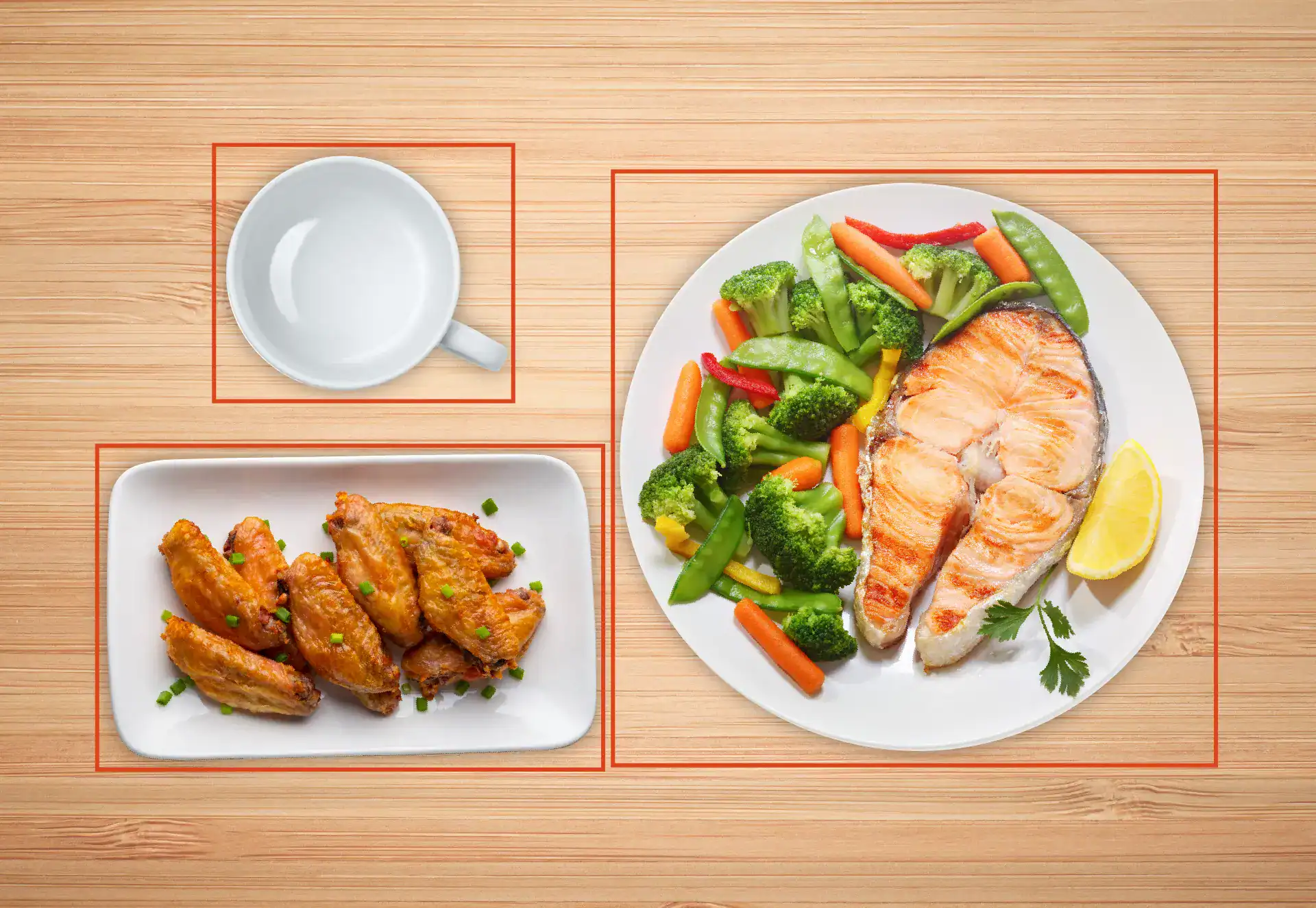
Artificial intelligence is increasingly used to analyze food trends, consumer behavior, sustainability data, and global supply chains. When AI models project what Americans may be eating by 2030, the results are anything but ordinary. These predictions aren’t about novelty for novelty’s sake they’re shaped by climate pressures, rising costs, health priorities, and shifting cultural tastes. While some of these foods sound futuristic or even unsettling today, AI suggests they could soon move from curiosity to everyday reality on American plates.
Precision-Fermented Dairy Proteins

AI predicts precision-fermented dairy proteins will become mainstream as Americans look for sustainable alternatives that still taste familiar. These proteins are created using microbial fermentation rather than cows, producing real dairy components like whey and casein without traditional farming. By 2030, they could appear in everyday items such as cheese, yogurt, and ice cream. The appeal lies in familiarity; these foods taste like dairy but avoid environmental and ethical concerns, making them easier for consumers to adopt than fully plant-based replacements.
Hybrid Meat Products
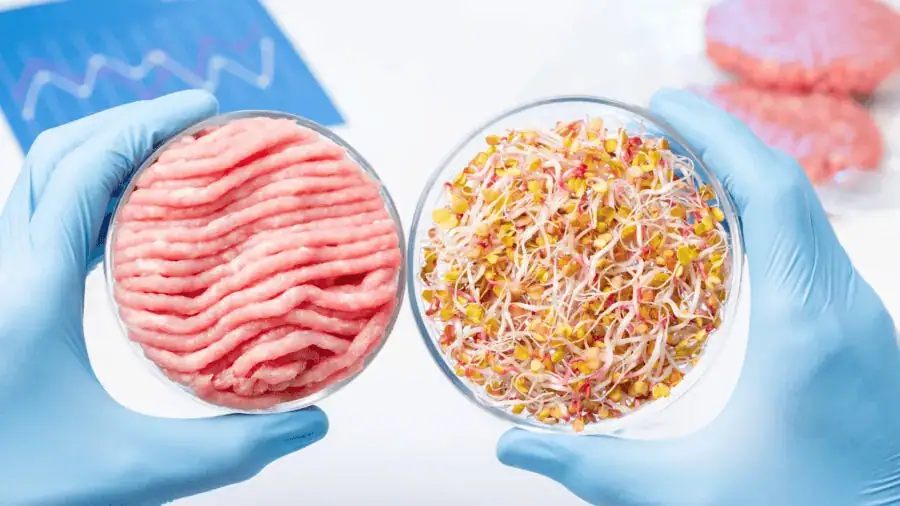
Instead of choosing between meat or plants, AI forecasts a rise in hybrid foods that combine both. These products blend traditional meat with vegetables, grains, or fungi to reduce cost and environmental impact while preserving flavor. By 2030, hybrid burgers, sausages, and meatballs could become standard grocery items. AI predicts these will appeal especially to Americans who want to eat “less meat” without giving it up entirely, making hybrids more realistic than all-or-nothing dietary shifts.
Fungi-Based Proteins Beyond Mushrooms

AI models point to fungi as one of the most scalable protein sources of the future. Beyond visible mushrooms, mycelium-based proteins can be grown quickly and shaped into meat-like textures. By 2030, fungi may replace chicken or beef in many prepared foods, from nuggets to tacos. AI suggests acceptance will grow as processing improves and flavors become more familiar. What once sounded experimental could soon feel as ordinary as soy products do today.
Climate-Resilient Grains
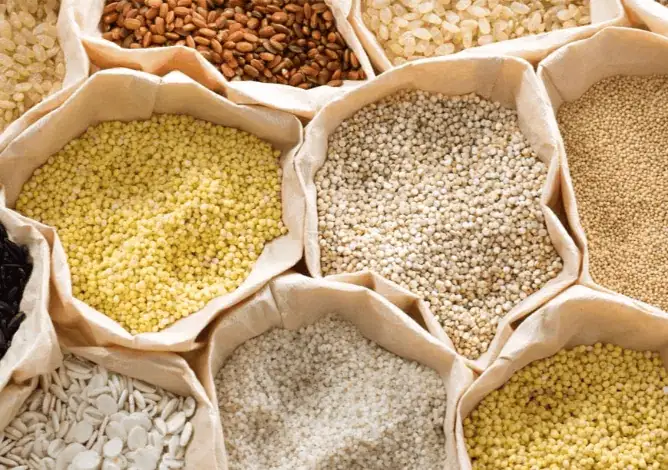
As weather extremes affect traditional crops, AI predicts Americans will eat more climate-resilient grains like sorghum, millet, teff, and fonio. These grains require less water and survive harsher conditions. By 2030, they could replace rice or wheat in cereals, bowls, and baked goods. AI suggests they’ll gain popularity not just for sustainability, but for their nutrition and versatility. What starts as a climate solution may become a pantry staple.
Insect-Derived Protein Ingredients

While whole insects remain controversial, AI predicts powdered insect protein will quietly enter the American diet. Cricket or mealworm flour can be added to snacks, protein bars, pasta, and baked goods without visible cues. By 2030, AI models suggest that cost pressure and protein demand may normalize these ingredients. The shift won’t be about shock value; it will happen subtly, through ingredient lists rather than presentation.
Cultured Meat in Limited Forms
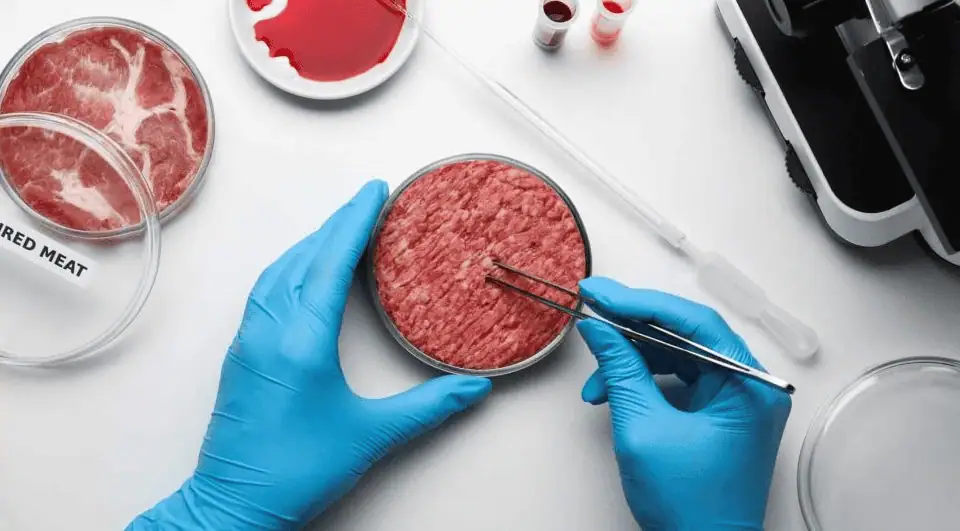
Lab-grown meat is still expensive, but AI predicts selective adoption by 2030. Rather than steaks, early cultured meat success will likely appear in processed forms like nuggets, dumplings, or blended dishes. These formats reduce cost and consumer hesitation. AI suggests acceptance will grow as prices drop and regulatory approval expands. What feels futuristic now may start as just another frozen food option.
Functional Comfort Foods

AI forecasts that Americans won’t abandon comfort food, they’ll upgrade it. By 2030, staples like mac and cheese, pizza, and soups may include added protein, fiber, probiotics, or adaptogens. These “functional comfort foods” satisfy cravings while supporting health goals. AI predicts this category will dominate because it doesn’t ask consumers to change habits, only ingredients. Familiar dishes with hidden benefits may prove more powerful than radical diet shifts.


