
9 Beloved Global dishes Americans Just don’t get

Exploring the unique and often misunderstood cuisines from around the world reveals a tapestry of flavors and traditions that are unfamiliar to many Americans. While adventurous palates may embrace these experiences, others find them challenging. The following dishes, celebrated in their countries of origin, offer a fascinating glimpse into culinary practices that might seem strange but hold cultural significance and richness.
Surströmming: Sweden’s Pungent Pride

Surströmming is a fermented Baltic herring, treasured for its intense aroma and strong flavor profile. To best appreciate this Swedish delicacy, it should be opened outdoors, as its smell is overwhelming. Typically served with crispbread, potatoes, and onions, balance the potent taste with these mild accompaniments. The texture is tender and slightly oily, providing a complex culinary experience. Pay attention to serving techniques, such as rolling the fish into a flatbread for a more approachable eating process.
Natto: Japan’s Sticky Sensation
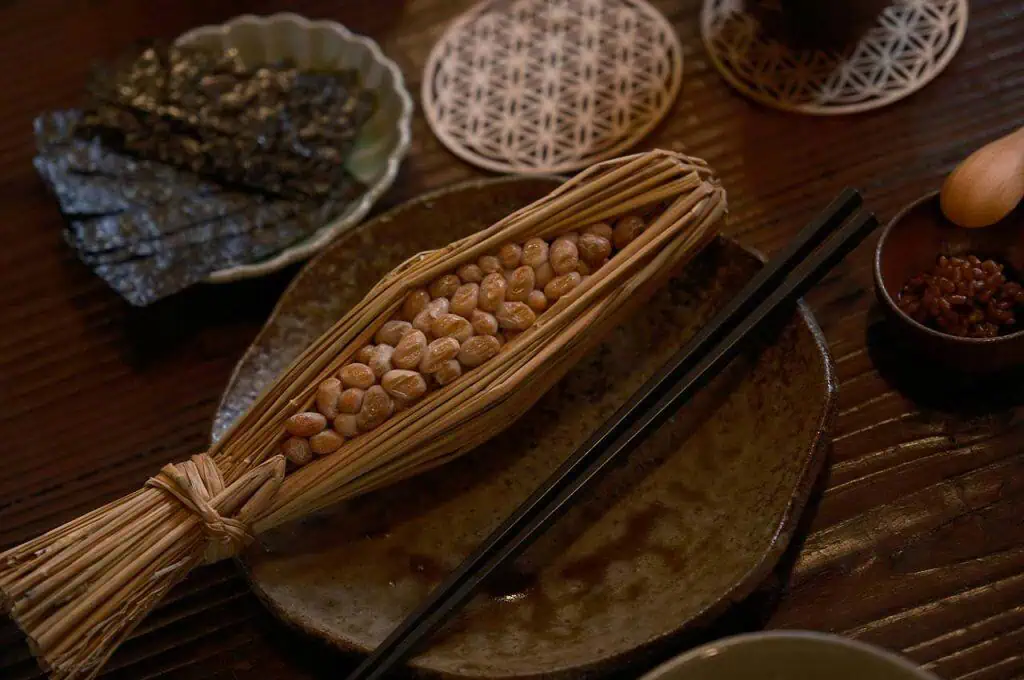
Natto consists of fermented soybeans renowned for their sticky texture and earthy aroma. You'll often find this dish accompanied by rice in Japanese breakfasts. To enjoy natto, mix it thoroughly until it develops a creamy, stringy consistency. This activates its umami flavors and enhances its probiotic properties. Usually garnished with soy sauce, mustard, or green onions, natto is an acquired taste that rewards with nutritional benefits and a unique textural experience.
Hákarl: Iceland’s Fermented Mystery

Hákarl is infamous outside Iceland for its robust flavor, derived from the fermentation of Greenland shark. Traditionally prepared by a curing process that includes burying in gravel and drying, its taste is often compared to strong cheese with a sharp ammonia note. Enjoy it in small bites, typically accompanied by a shot of local spirit Brennivín, which complements its pungency. Mastery is in the preparation and an acquired palate, offering a distinct taste of Icelandic heritage.
Marmite on Toast: A British Staple

Marmite, a yeast extract spread, divides opinions with its strong umami and salty taste. Spread sparingly on toasted bread with a good amount of butter to mellow its intensity. The balance between creamy butter and the savory punch of Marmite creates a simple yet effective contrast. Popular as a quick breakfast or snack, it’s crucial to apply it with a subtle hand, enhancing its distinct flavor profile without overwhelming the palate.
Century Egg: China’s Preserved Delicacy
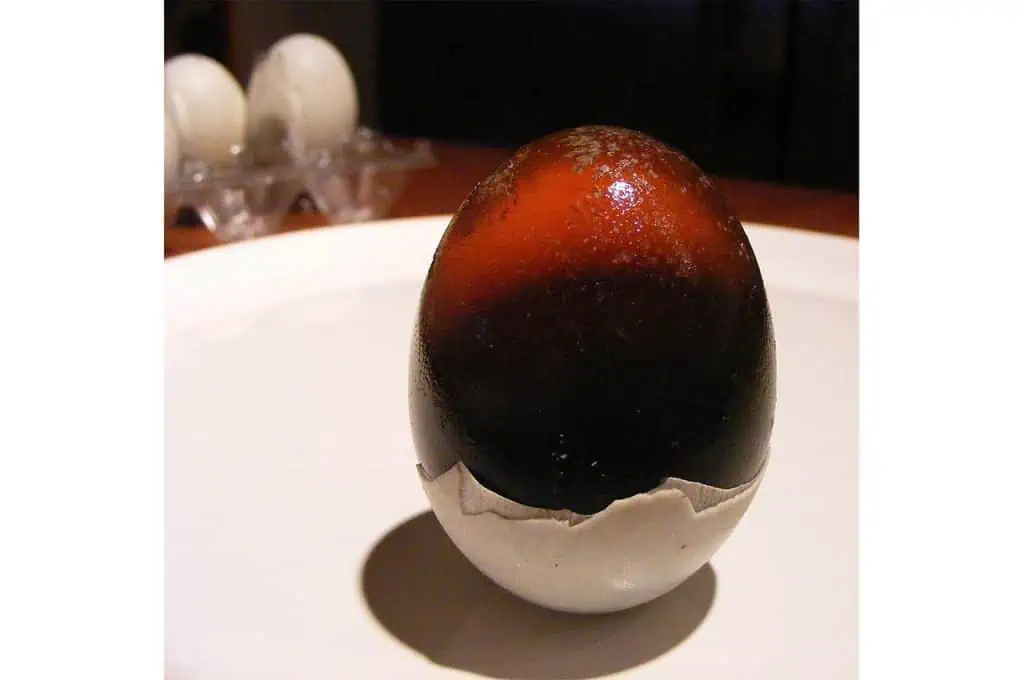
Century eggs are a bold transformation of simple ingredients, typically duck, chicken, or quail eggs. These eggs are preserved in a mixture of clay, ash, salt, quicklime, and rice hulls for several weeks to months. The preservation process transforms the yolk into a creamy, umami-rich delight and turns the whites into a dark, gelatinous texture. Often served alongside pickled ginger or tofu, the rich, pungent aroma requires an adventurous palate. Appreciating the balance of flavors, salty, earthy, and aromatic, offers insight into the artistry of Chinese preservation methods.
Black Pudding: UK & Ireland’s Savory Slice

Black pudding, a staple in British and Irish breakfasts, combines pork blood, fat, and oatmeal or barley into a robust, savory sausage. Its firm texture is achieved by boiling and allowing it to cure and set, offering a hearty and satisfying bite. Slicing and frying the pudding enhances its flavor, creating a crisp outer layer and a soft interior. Pair it with fried eggs or toast to balance the dense richness. Despite its initial unfamiliarity, black pudding's earthy, complex taste rewards those willing to embrace its traditional preparation and cultural significance.
Vegemite: Australia’s Yeasty Spread

Vegemite, an Australian favorite, is a thick, dark spread made from brewer’s yeast extract. Its rich, salty, umami flavor is distinct and potent, best enjoyed sparingly. Spread thinly on buttered toast or crackers for a balanced taste, enhancing the flavors with creaminess. The umami notes make it an unexpected yet intriguing addition to savory dishes, or even mixed subtly into sauces for depth. Learning to appreciate Vegemite involves recognizing its role in Australian cuisine as a staple that provides both nourishment and history.
Casu Marzu: Italy’s Controversial Cheese

Casu Marzu, translating to ‘rotten cheese,' is an extraordinary Sardinian delicacy. This sheep milk cheese goes through a fermentation process enhanced by the introduction of cheese fly larvae. The larvae turn the cheese into a soft, creamy spread with a sharp, pungent bite. Consuming casu marzu requires both curiosity and caution, often paired with Sardinian bread and robust wines. Its intense flavor profile, fermented, tangy, and slightly spicy, captures the adventurous spirit of Italian tradition, pushing the boundaries of culinary enjoyment.
Lutefisk: Norway’s Lye-Treated Tradition

Lutefisk involves drying stockfish and later rehydrating it in a lye solution before a meticulous rinse. This process changes the fish's texture to a gelatinous state, which is then steamed or baked. Traditionally served with boiled potatoes, peas, and bacon, lutefisk offers a mild flavor enhanced with salt and butter. Handling fish treated with lye demands care, ensuring thorough rinsing to neutralize the alkalinity. While its texture and preparation may initially seem daunting, lutefisk serves as a testament to Norwegian preservation techniques and community traditions.


