
Calories of Convenience: How Fast Living Is Redefining the Meaning of a Meal

Modern life has transformed how we think about meals. The concept of preparing a homemade dish is evolving as fast-paced lifestyles demand convenience. This shift has not only influenced our food choices but also how we define a meal, intertwining speed with sustenance. Understanding this evolution provides a clear look into how practices and perceptions around eating are adapting to new needs.
Delivery Apps: Redefining Mealtime

Delivery apps have revolutionized mealtime, offering access to diverse cuisines without stepping into a kitchen. The convenience of ordering from a vast array of menus captures the essence of modern dining, often saving time and effort. These platforms emphasize variety and speed, reshaping traditional dining experiences with the click of a button, allowing individuals to focus more on preference than preparation. Research shows that U.S. consumers now spend over $26 billion annually on food delivery, with younger generations relying on it as a primary mealtime option.
Grab-and-Go: Meals in a Snap

Grab-and-go meals cater perfectly to those needing nourishment on the run. These quick options, available at every corner store or cafe, provide a ready-made solution to satisfy hunger without the commitment of cooking. Studies reveal that nearly 50% of Americans consume at least one grab-and-go item daily, reflecting a cultural shift toward snacking as meal replacement. The emphasis on portability and efficiency challenges traditional meal structures, enabling consumers to eat whenever and wherever their schedule dictates, further distilling the essence of convenience.
Ultra-Processed Foods: Everyday Staples
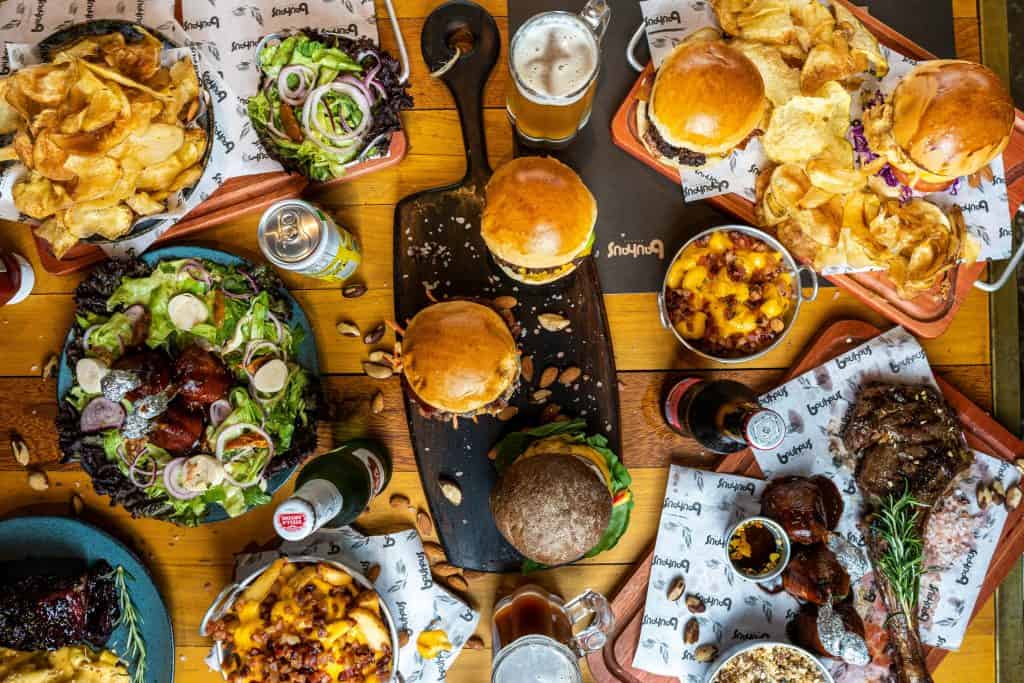
Ultra-processed foods are becoming essential in fast-paced routines, offering quick and easy solutions with extended shelf life. These items, often loaded with additives, prioritize convenience over culinary experience. While they provide immediate satisfaction, understanding their role in our daily diet helps balance convenience with health, inviting a closer look at how these staples fit into meal planning. According to the CDC, ultra-processed foods account for over 60% of calories consumed in the average American diet.
Cultural Shifts: What Counts as a Meal?

Cultural views on what constitutes a meal have evolved, increasingly valuing convenience and speed. Traditional notions of a meal as a cooked, sit-down affair are giving way to flexible definitions, where even a quick snack or smoothie can suffice. Nutrition research indicates that nearly one-third of millennials consider smoothies and protein bars legitimate “meals,” showing how eating habits are being redefined. This shift reflects broader lifestyle adaptations, prioritizing practicality and ease over formality, and reshaping how society defines nourishment and satisfaction.
Convenience vs. Nutrition: Modern Choices

In today's fast-paced world, convenience often takes precedence over nutritional value. Prepackaged meals are designed to simplify cooking, yet they can lack essential nutrients. Balancing convenience with health requires thoughtful preparation. Prioritize meals that combine ready-to-use ingredients with fresh produce. Choose whole grains and lean proteins to enhance nutritional content. Incorporating frozen vegetables and pre-cooked grains can save time without compromising quality. Such ingredients retain nutrients and allow for quick, nourishing meals, helping redefine what convenience means in modern dining. A 2022 Harvard study found that regular consumption of ready-to-eat meals was associated with higher sodium intake and lower overall diet quality.


