
10 Childhood Foods We Were Obsessed With That Many Adults Now Avoid

Childhood food obsessions were shaped by comfort, convenience, and powerful marketing rather than long-term health or ingredient awareness. Many of the foods we loved most felt exciting, indulgent, or special simply because they were easy to access and designed to appeal to kids. As adults, evolving tastes, better nutrition education, and greater attention to processing have changed how these foods are viewed. What once felt harmless or joyful now raises questions about sugar, additives, and overall balance. These foods didn’t just fade quietly they went from beloved staples to items many people now intentionally avoid, making the shift feel especially striking.
Sugary Breakfast Cereals

Sugary breakfast cereals were once the highlight of mornings, filled with bright colors, cartoon mascots, and sweet flavors that felt more like dessert than breakfast. Kids begged for them, and many parents accepted them as a normal way to start the day. As adults, many people now avoid these cereals due to their high sugar content, lack of protein, and tendency to cause energy crashes. What once felt fun and convenient now reads as nutritionally unbalanced. The shift reflects a broader move toward breakfasts that prioritize steady energy, fiber, and satiety over sweetness.
Microwaveable Mac and Cheese

Instant mac and cheese cups were childhood comfort in its purest form: creamy, salty, and ready in minutes. The neon-orange sauce and soft pasta became iconic, especially for after-school snacks or quick lunches. As adults, many people avoid these versions due to heavy processing, high sodium levels, artificial coloring, and minimal nutritional value. While homemade mac and cheese still holds emotional appeal, the microwaveable cups often feel disconnected from real ingredients, making them less appealing for modern eating habits.
Fruit-Flavored Snacks

Fruit snacks were marketed as playful, wholesome treats made from fruit, leading many kids to believe they were a healthy option. Their chewy texture and sweet flavor made them addictive, and they often replaced actual fruit in lunchboxes. As adults, people now recognize them as candy with fruit branding, packed with sugar, artificial colors, and flavorings. Many now avoid them entirely, choosing whole fruit or less processed snacks instead. Looking back, the effectiveness of the marketing makes their popularity feel almost shocking.
Frozen Pizza

Frozen pizza once felt like the ultimate convenience food, showing up at sleepovers, busy weeknights, and family movie nights. Its combination of melted cheese, soft crust, and familiar flavors made it a guaranteed crowd-pleaser. As adults, many people now avoid frozen pizza due to refined carbohydrates, excess sodium, and lower-quality ingredients. While it still carries nostalgia, it’s often reserved for rare indulgence rather than a regular meal, reflecting changing standards around everyday food quality.
Packaged Snack Cakes

Individually wrapped snack cakes were lunchbox royalty, offering soft textures, sweet fillings, and a sense of indulgence during the school day. They were shelf-stable, convenient, and heavily marketed as harmless treats. As adults, many now avoid them because of preservatives, artificial flavors, and extremely high sugar content. What once symbolized comfort and fun now feels overly manufactured. The shift highlights how ingredient awareness has changed the way people define acceptable everyday treats.
Hot Dogs

Hot dogs were childhood staples at cookouts, school lunches, and sporting events. Their mild flavor and easy preparation made them widely appealing, especially to kids. As adults, many people now limit or avoid hot dogs due to concerns about processed meats, additives, and long-term health risks. While nostalgia remains strong, hot dogs have shifted from everyday food to occasional indulgence, reflecting greater caution around highly processed proteins.
Packaged Cheese Crackers

Bright orange cheese crackers were once constant pantry items, loved for their crunch and bold, salty flavor. They were easy to grab and endlessly snackable, especially for kids. Adults now often avoid them because of refined flour, artificial coloring, and low nutritional value. Compared to modern snack options that emphasize protein, fiber, or simpler ingredients, these crackers feel outdated. Their former dominance highlights how snack standards have evolved.
Chocolate Milk

Chocolate milk was widely accepted as a treat that still counted as nutritious due to its calcium content. Kids loved its sweetness, especially in school lunches or after sports. As adults, many now avoid it because of the added sugar and artificial flavoring. While plain milk or unsweetened alternatives are still common, chocolate milk has lost its health halo. The change reflects growing awareness of hidden sugars in foods once considered harmless.
White Bread Sandwiches

Soft white bread sandwiches were lunchbox essentials, often paired with simple fillings like peanut butter, bologna, or cheese. The bread’s pillowy texture and mild flavor made it universally appealing. Adults now tend to avoid white bread due to its lack of fiber, quick digestion, and limited nutritional value. Whole-grain alternatives have largely replaced it, making the once-dominant white loaf feel like a relic of a different food era.
Soda
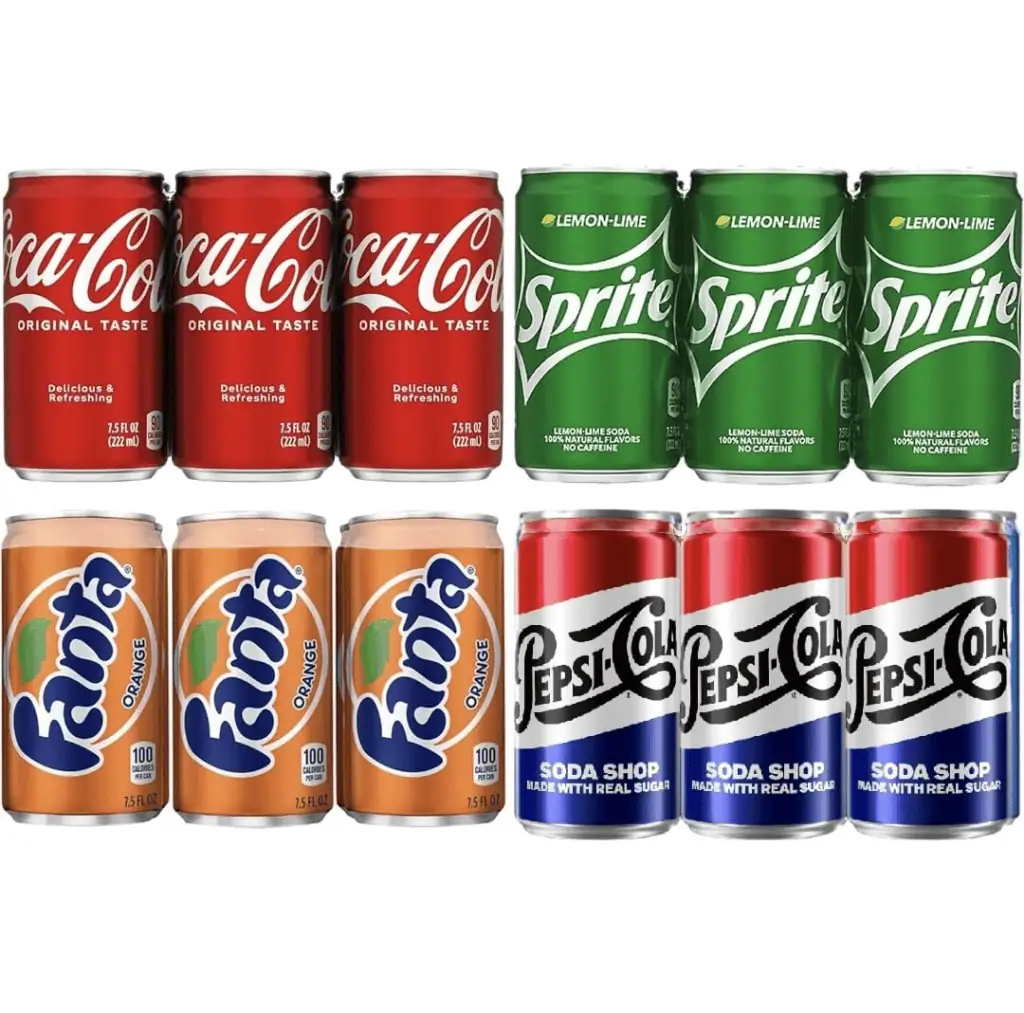
Soda once felt like the ultimate childhood reward, associated with parties, celebrations, and special outings. Its sweetness and fizz made it irresistible, and consumption was rarely questioned. As adults, many people now avoid soda entirely due to its high sugar content, empty calories, and impact on energy and health. The rise of water, sparkling water, and low-sugar drinks has pushed soda out of daily routines, despite lingering nostalgia.


