
9 “Dangerous” Foods from the Past That Are Perfectly Safe Today

Discover how attitudes towards certain foods have evolved with advances in food safety and preparation techniques. Many items once considered perilous have transitioned into modern staples, all due to improved scientific understanding and culinary practices. This guide delves into nine such foods, detailing how they've gone from feared to favored, and how today's methods ensure a safe dining experience.
Raw Eggs: From Risky to Reassured

Raw eggs once posed significant health risks due to Salmonella. Today, safer handling techniques have mitigated these dangers. Begin with pasteurized eggs, which are heat-treated to destroy pathogens without cooking the egg. When preparing dishes like homemade mayonnaise or hollandaise sauce, maintain a consistent whisk for emulsification, ensuring a smooth, velvety finish. Always keep eggs refrigerated and check expiration dates to maximize safety and freshness.
Pork: From Parasites to Perfection

Historically, undercooked pork was associated with trichinosis. Today, strict farming controls and improved meat inspection have nearly eradicated this concern. Cook pork to an internal temperature of 145°F (63°C), resting it briefly to maintain juiciness. Aim for a hint of pink for tenderness, a signal of properly cooked, flavorful meat. Use a reliable meat thermometer for accuracy, and rest the pork post-cooking to achieve optimal textural results.
Oysters: Once Treacherous, Now Treated

Oysters were often avoided due to the risk of Vibrio bacteria. Nowadays, regulations ensure they’re harvested from safe waters, and many undergo depuration, a cleansing process. Enhance their natural brininess with a delicate mignonette sauce; its acidity balances the sea’s salinity. Shuck correctly using a proper oyster knife, applying steady pressure to avoid shell fragments. Serve chilled, ensuring freshness with a slight squeeze of lemon.
Sushi: Revolutionizing Raw Fish Safety

Sushi's raw allure once came with concerns over parasites. In response, the fish is now flash-frozen to kill potential hazards. Source fish from reputable purveyors, ensuring it's specifically intended for sushi. Maintain a sharp knife for precise slicing, preserving the fish's delicate structure. Incorporate wasabi and ginger not just for flavor, but for their antimicrobial properties, complementing the fish and rice with a harmonious balance that respects tradition while ensuring safety.
Milk: From Farm Fresh to Pasteurized

In the past, farm-fresh milk was often consumed unpasteurized, leading to concerns about pathogens like Listeria. Today, pasteurization has become the norm, effectively eliminating harmful bacteria while retaining nutritional value. Advocates suggest gently heating milk to 161°F for 15 seconds, then rapidly cooling it to ensure safety. This process doesn’t compromise the creamy texture and subtle sweetness that make milk a versatile staple. When preparing dishes like béchamel or custard, using pasteurized milk guarantees both safety and flavor consistency.
Spinach: The Leafy Green Evolution

Raw spinach once had a reputation for harboring contaminants, but advancements in farming and washing techniques have made it much safer. Modern methods include triple-washing and pre-packaging, greatly reducing the risk of pathogens. To enhance flavor and ensure safety, blanch spinach briefly in boiling water before using it in salads or sautés. This not only preserves its vibrant color but also aids in retaining nutrients. Choose leaves that are crisp and bright green for optimal freshness and taste in your dishes.
Mayonnaise: No Longer a Spoilage Scare
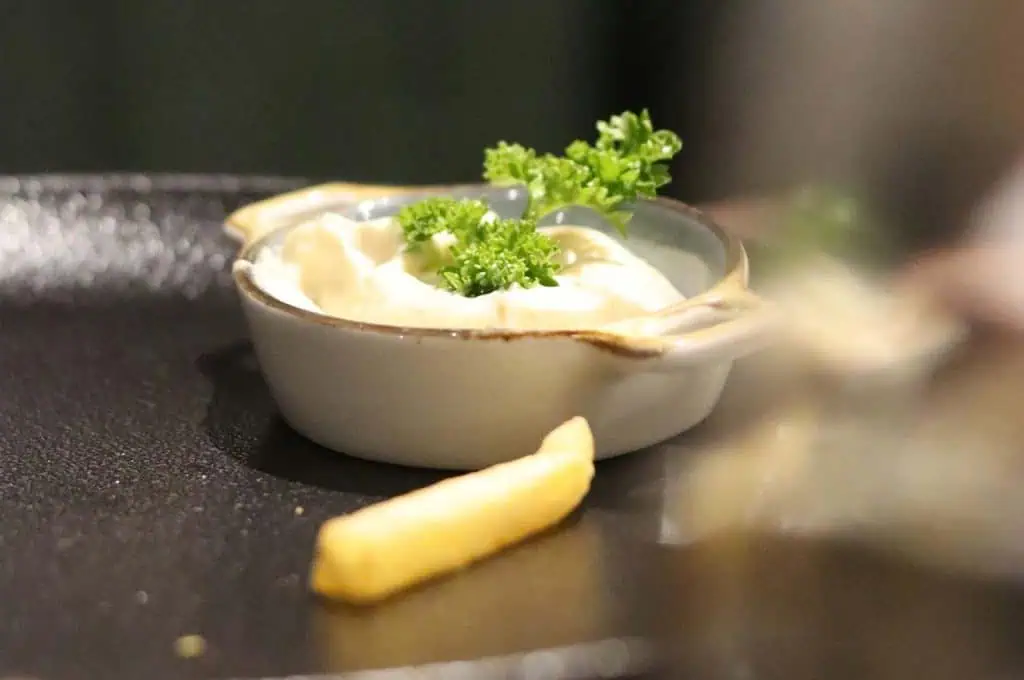
Once considered a risky home product due to raw eggs, mayonnaise is now widely manufactured with pasteurized eggs, making it safe for consumption. For homemade versions, consider using pasteurized eggs or store-bought alternatives, which offer the tangy richness without the fear of Salmonella. Emulsification, the technique that binds oil and egg, is straightforward, slowly add oil into the egg mixture while whisking vigorously. This ensures a creamy consistency that enhances sandwiches, salads, and dressings.
Chicken: From Contamination to Confidence

Historical concerns about chicken contamination have been mitigated by strict guidelines and advancements in refrigeration and handling. To ensure safety, always cook chicken to an internal temperature of 165°F. This guarantees that harmful bacteria, such as Salmonella, are destroyed. Brining chicken prior to cooking not only adds flavor but also keeps the meat juicy. When roasting, ensure even cooking by trussing the bird and allowing it to rest before carving. This approach results in tender, moist meat with a crispy skin.
Canned Foods: Innovation in Preservation

Canning, a method developed in the 19th century, revolutionized preservation by sealing food in airtight containers. Today, it’s a safe and reliable way to enjoy seasonal produce year-round. Modern canning involves sterilizing food at high temperatures, eliminating bacteria and extending shelf life substantially. When using canned goods, check for any dents or bulges, which may indicate compromised safety. Rinse canned vegetables to reduce sodium content and enhance flavor before incorporating them into stews, pastas, or salads for added convenience and nutrition.


