
Savor Korea: 11 Recipes That Deliver Big Flavor

Korean cuisine offers a rich tapestry of flavors, where umami, heat, and freshness are celebrated in every dish. From vibrant vegetables to succulent meats, each bite tells a story of tradition and innovation. In this guide, explore the core techniques and ingredients that define Korean cooking, providing home cooks with the ability to create bold, satisfying meals. Whether you're new to Korean food or looking to refine your skills, these recipes promise to bring authentic delights to your table.
Bibimbap: A Harmony of Colors and Tastes

Bibimbap is a textural and visual delight, offering a balance of colors and flavors. Start by preparing the rice—a good short-grain variety is essential for its sticky texture. As it cooks, sauté a mix of vegetables like spinach, carrots, and mushrooms to maintain their crunch and color. Cook them separately to keep flavors distinct. Arrange the vegetables over the rice, adding seasoned beef and a sunny-side-up egg. Finish with a dollop of gochujang for heat and depth. Mix thoroughly before eating to ensure each bite is a symphony of taste.
Kimchi Jjigae: Spicy Comfort in a Bowl
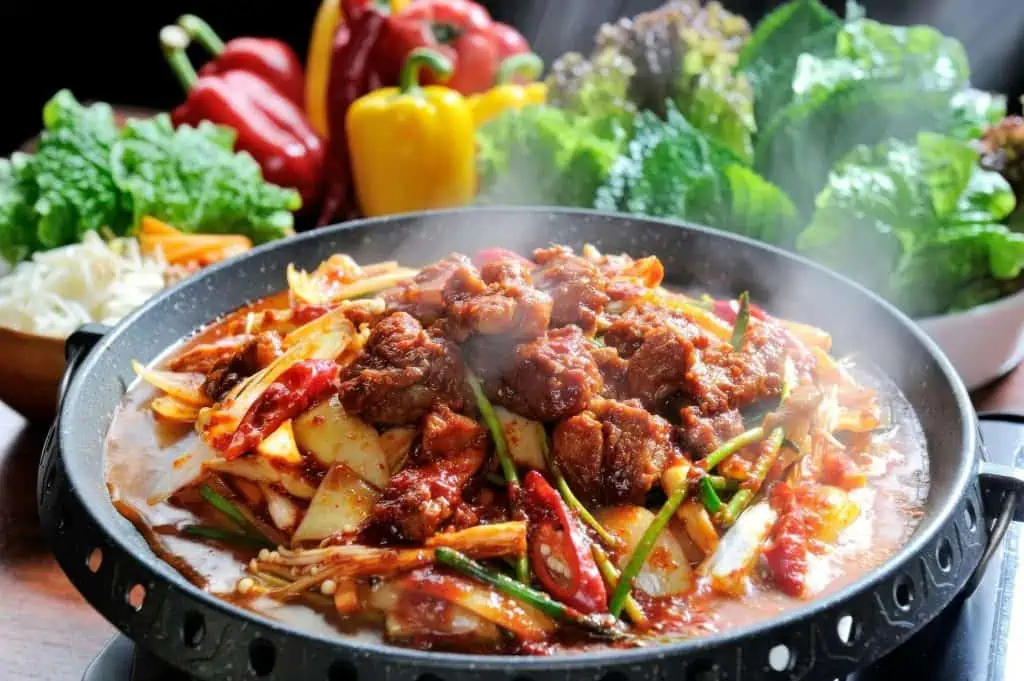
Kimchi jjigae warms the soul with its spicy and sour profile. Use well-fermented kimchi to impart a deep, robust flavor. Sauté it with diced pork belly to render its rich fat, enhancing the stew. Add water or broth and bring to a simmer, allowing the flavors to meld. Integrate tofu and green onions for texture and freshness. Adjust the seasoning with salt or soy sauce to taste. Serve piping hot, savoring the balance of spiciness and tang, perfect for cold evenings or when comfort is needed.
Bulgogi: Sweet and Savory BBQ Beef

Bulgogi showcases Korean BBQ at its finest, with tender beef cooked to perfection. Marinate thinly sliced ribeye or sirloin in a blend of soy sauce, sugar, sesame oil, garlic, and sliced onions for a minimum of 30 minutes to infuse the meat with sweetness and umami. Utilize a hot grill or pan to quickly sear the beef, ensuring caramelization and a hint of smokiness. Serve with fresh lettuce leaves and ssamjang for wrapping, creating a contrast of textures and flavors that delight the palate.
Japchae: Stir-Fried Glass Noodles Delight

Japchae is a beloved dish featuring chewy glass noodles with a medley of vegetables. Begin by soaking sweet potato noodles until pliable, then parboil briefly, ensuring they retain a bounce. Stir-fry a colorful assortment of vegetables such as bell peppers, carrots, and spinach, maintaining their vibrant hues and crunch. Combine noodles and vegetables with soy sauce, sesame oil, and a touch of sugar, tossing to glaze everything consistently. Finish with toasted sesame seeds for an added layer of nutty fragrance.
Tteokbokki: Spicy Rice Cake Sensation
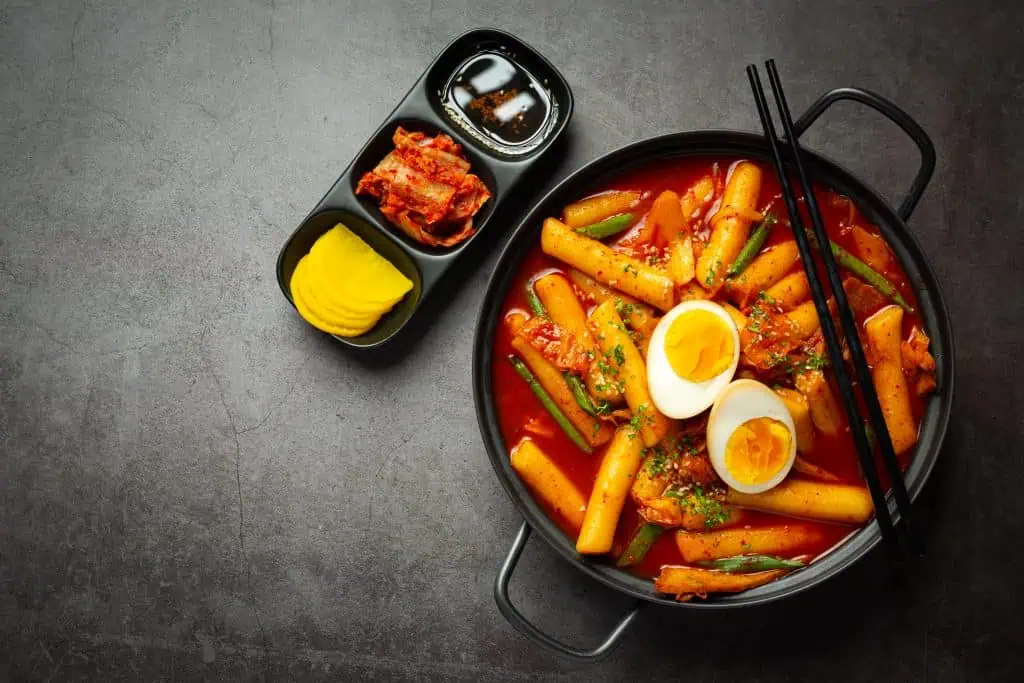
Tteokbokki stands as a staple in Korean cuisine, offering a harmonious blend of chewy rice cakes bathed in a addictive spicy-sweet sauce. To achieve optimal texture, boil the cylindrical rice cakes until tender but not mushy. The sauce, a vibrant mixture of gochujang, soy sauce, and sugar, clings to each cake, infused with depth from fish cake slices and green onions. A slight simmer melds these flavors, allowing the sauce to thicken, enhancing every bite with a kick of spice that is both warming and invigorating.
Samgyeopsal: Grilled Pork Belly Bliss
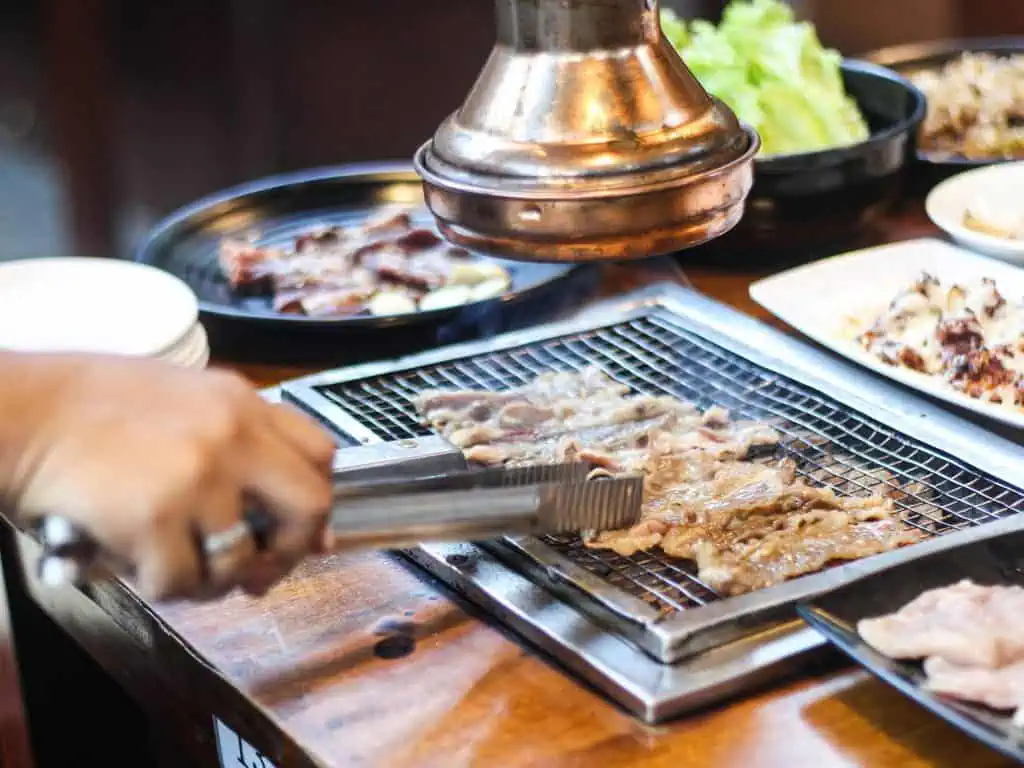
Samgyeopsal invites a communal dining experience centered on pork belly, characterized by its juicy texture and savory richness. Begin by selecting well-marbled pork, which is key to a tender outcome. Grill the slices until the edges crisp, releasing natural oils that enhance each bite. Accompany with a vibrant array of banchan and ssamjang, a fermented paste dip, for complementary flavors. Assemble a balanced wrap with lettuce, pork, garlic, and ssamjang that highlights the contrast of textures and layers of taste.
Sundubu Jjigae: Soft Tofu Stew Magic

Sundubu Jjigae offers a comforting dive into hearty flavors, spotlighting uncurdled tofu, which melts into the stew, delivering a velvety finish. Cook the base with aromatic combinations of garlic, onions, and gochugaru to build a robust broth. The addition of seafood or meat creates a depth that is both addictive and soul-warming. Simmer softly to meld these elements, ensuring the tofu maintains its silky texture, and finish with a cracked egg, stirred in right before serving to enrich the broth beautifully.
Dakgangjeong: Crispy Sweet Korean Chicken
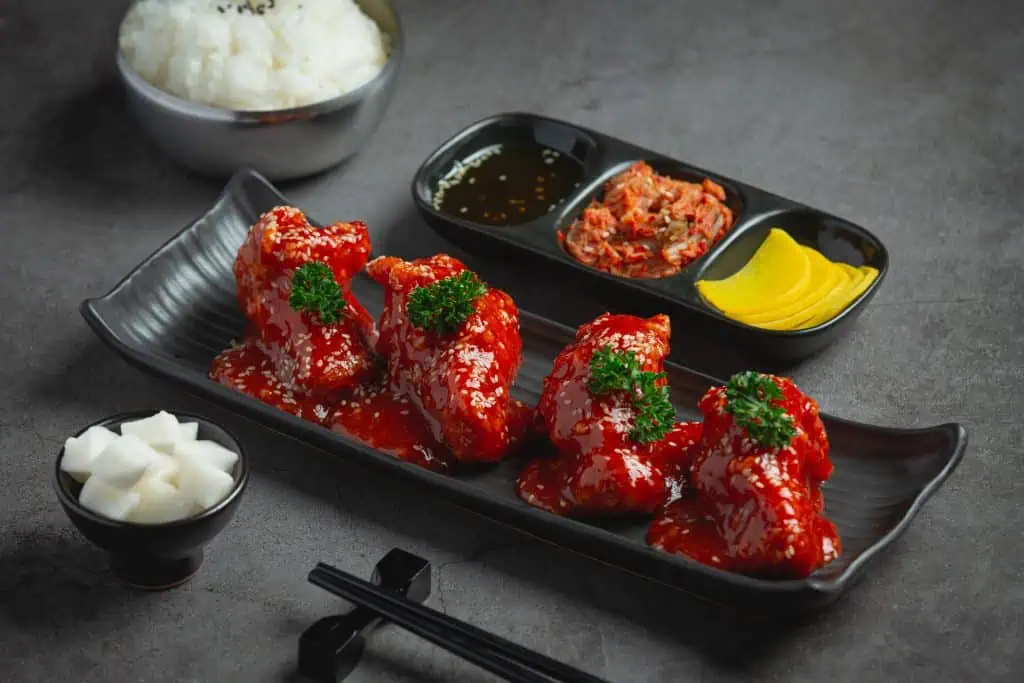
Dakgangjeong is a culinary delight where chicken pieces are double-fried to achieve a profound crispness. The meticulous frying ensures moisture is sealed in, while a second fry perfects the crunchy exterior. Coat the golden chicken in a luscious glaze of soy sauce, garlic, and syrup, striking a coveted harmony of sweet, salty, and spicy. Garnish with toasted sesame seeds for a nutty accent. This dish's enduring appeal lies in its detailed balance, satisfying both tender and crisp preference in each bite.
Haemul Pajeon: Savory Seafood Pancake

Haemul Pajeon combines the brininess of seafood with the fresh flavor of green onions, resulting in a delightful savory pancake. The batter, light yet sturdy, is seasoned with a touch of sesame oil for depth and umami. Fry on a moderately heated pan to ensure a golden-brown crust while keeping the inside tender. Incorporate a mixture of seafood—such as shrimp and squid—for different textures. Serve with a dipping sauce of soy sauce, vinegar, and sesame seeds to enhance the pancake’s umami flavors.
Gimbap: Korean Sushi Rolls Adventure
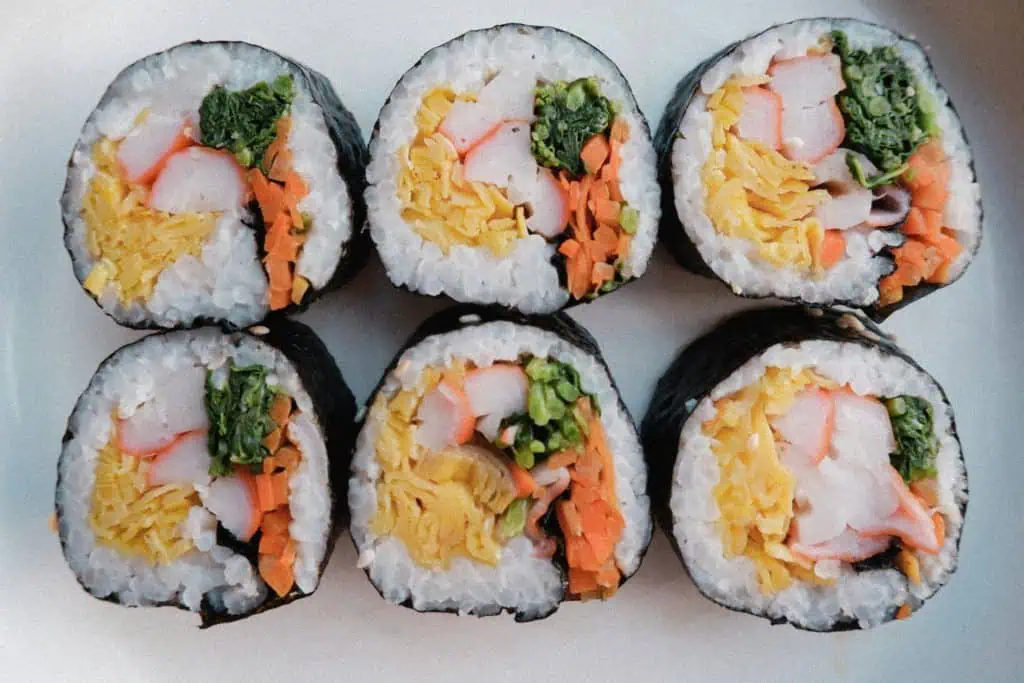
Gimbap, Korea’s answer to sushi, offers a vibrant canvas of flavors and textures. Start by laying a sheet of gim (seaweed) on a bamboo mat. Spread cooked, seasoned rice evenly over the sheet, leaving a margin at the top. Lay julienned carrots, spinach, and pickled radish across the rice alongside strips of sesame oil-marinated beef or crab sticks for protein. Roll tightly, using the mat to press out air pockets. Slice into bite-sized pieces with a sharp knife. The key is to strike a balance between firmness and tenderness, ensuring every bite delights with a cohesive yet distinct medley of flavors.
Galbi: Marinated Short Ribs Perfection

For galbi, select high-quality beef short ribs, and marinate them in a mixture of soy sauce, sugar, garlic, and sesame oil. The addition of pureed Asian pear or kiwi helps tenderize the meat, deepening its succulent quality. When ready, grill over medium heat, turning frequently to develop a caramelized crust while keeping the inside juicy. Resist the urge to crowd the grill to ensure even cooking. Serve with a sprinkle of sesame seeds and sliced green onions for a touch of freshness. This dish is a celebration of Korean barbecue at its best, rich with sweet, savory undertones.


