
8 Surprising Ways Cooking Can Help Your Mental Health

Cooking isn’t just about feeding yourself; it can actually be a powerful tool for mental well-being. Research from the Journal of Positive Psychology found that engaging in everyday creative activities like cooking boosts happiness and life satisfaction. Another study in Frontiers in Psychology highlighted how cooking lowers stress by promoting mindfulness and a sense of accomplishment. Here are 8 surprising ways time in the kitchen can improve your mental health.
Mindful Chopping: Finding Calm

Chopping vegetables may seem like a simple kitchen task, but it can double as a form of mindfulness. The steady rhythm of slicing and dicing encourages focus on the present moment, quieting racing thoughts much like meditation. A study published in Mindfulness found that repetitive, intentional actions help lower stress and anxiety by engaging the senses and grounding attention. Turning meal prep into a mindful ritual not only makes cooking soothing but also helps build mental clarity.
Creativity in the Kitchen: Ingredients to Art

Cooking offers a unique outlet for creativity, where ingredients transform into edible art. Experimenting with flavors, textures, and plating sparks imagination while boosting problem-solving skills. Research in the Journal of Positive Psychology shows that engaging in small creative activities like cooking enhances overall well-being and increases daily happiness. Treating the kitchen as a canvas allows you to play, explore, and express yourself, making each dish a nourishing act for both body and mind.
Cooking as Therapy: Stress Release

Cooking can act as a therapeutic escape, offering structure and comfort in the midst of stress. The rhythmic motions of stirring, kneading, or simmering provide a grounding effect, similar to mindfulness practices. A study in the Journal of Public Health found that cooking at home is associated with reduced stress and improved mental outlook. By focusing on simple, hands-on tasks, the mind gets a break from daily worries, turning meal prep into a natural form of stress relief.
Boosting Confidence: Success in Simplicity

Completing even the simplest of recipes can build a sense of accomplishment and self-worth. When a dish turns out well, it reinforces problem-solving skills and resilience, qualities that extend beyond the kitchen. Research in Health Education & Behavior shows that cooking boosts confidence and self-efficacy, especially when learning new techniques. Each successful meal, no matter how small, strengthens the belief that challenges can be managed step by step.
Nourishing Connection: Meals and Bonds

Sharing meals, whether cooking together or sitting down to eat, nurtures social bonds that are vital for mental well-being. Studies show that communal dining reduces feelings of isolation and fosters stronger family and community ties. Preparing food for others can also enhance empathy and gratitude, creating a sense of purpose. These shared rituals remind us that meals are more than fuel, they’re moments of connection, comfort, and belonging.
Engaging the Senses: Joy in Flavor

Cooking awakens the senses in ways few other activities can, through the sizzle of a pan, the aroma of spices, and the burst of flavors on the tongue. Engaging sight, sound, touch, and smell while preparing food grounds us in the present, a practice linked to reduced stress and greater happiness. Research in sensory psychology suggests that such stimulation can elevate mood and even sharpen memory, turning a simple meal into a joyful, mindful experience.
Routine and Stability: Daily Anchor
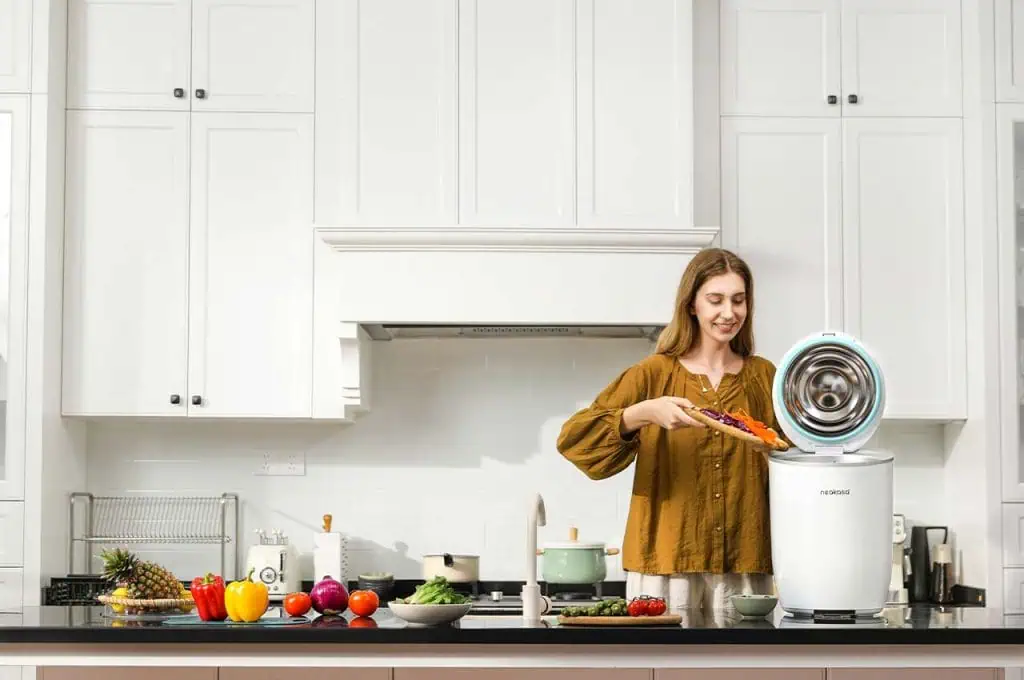
Cooking as a daily ritual can act as a grounding force, offering stability in uncertain times. Research in behavioral psychology shows that consistent routines reduce anxiety and foster a sense of control. Studies also highlight that engaging in regular meal preparation is linked to better diet quality and improved mental health. By turning cooking into a dependable anchor in the day, individuals create both nourishment and a comforting rhythm that supports emotional well-being.
Acts of Care: Cooking as Self-Love

Cooking for yourself can be a profound act of self-love, signaling that your well-being is worth time and effort. Psychologists note that self-care rituals, including preparing meals, are linked to higher self-esteem and reduced stress. Even simple gestures, like making a nourishing soup or plating food thoughtfully, reinforce self-worth. By treating cooking as more than necessity, it transforms into a mindful practice of kindness directed inward.


