
8 Spices That Are Suddenly Too Expensive to Ignore

In the culinary world, ingredients ebb and flow in price, sometimes becoming unexpectedly costly. Recently, certain spices have spiked in value, making their presence in your pantry both a luxury and an investment. Here’s a look at eight spices that have become too precious to overlook, each offering distinct flavors and aromas that can elevate any dish. Understanding their value and proper use will ensure you get the most out of each pinch.
Saffron: The Golden Treasure

Saffron's vivid red threads are celebrated for their unique ability to impart a rich, honeyed flavor and luminous yellow hue. Harvested delicately by hand from crocus flowers, this labor-intensive process justifies its high price. Historically, saffron was prized in ancient Persia, Rome, and India as both a culinary and medicinal treasure. Today, global shortages stem from its reliance on manual harvesting, climate sensitivity, and political instability in key producing regions like Iran and Kashmir.
Vanilla: The Priceless Pod

Vanilla, derived from the orchids of the Vanilla genus, commands a hefty price due to its intricate pollination and curing process. Use high-quality vanilla extract sparingly to add depth to baked goods or custards. Historically valued in ancient Greece and Rome for perfumes and medicine, cardamom later became a staple in Indian and Middle Eastern cuisines. Global shortages now occur due to labor-intensive harvesting and fluctuating yields in top producers like Guatemala and India.
Cardamom: Green Gold

Cardamom, often dubbed “green gold,” brings a spicy-sweet and citrusy profile to both sweet and savory dishes. Available as whole pods, ground, or even as seeds, it’s essential to choose the form that suits your recipe. Historically valued in ancient Greece and Rome for perfumes and medicine, cardamom later became a staple in Indian and Middle Eastern cuisines. Global shortages now occur due to labor-intensive harvesting and fluctuating yields in top producers like Guatemala and India.
Black Pepper: The King’s Ransom

Once worth its weight in gold, black pepper remains an everyday essential yet has seen price surges. Its pungency, derived from the compound piperine, enhances the complexity of flavors. Known as “black gold” in medieval Europe, pepper fueled trade routes and colonial expansion. Today, erratic monsoons and supply chain disruptions in Vietnam and India, the largest producers, create periodic global shortages.
Cloves: The Little Giants
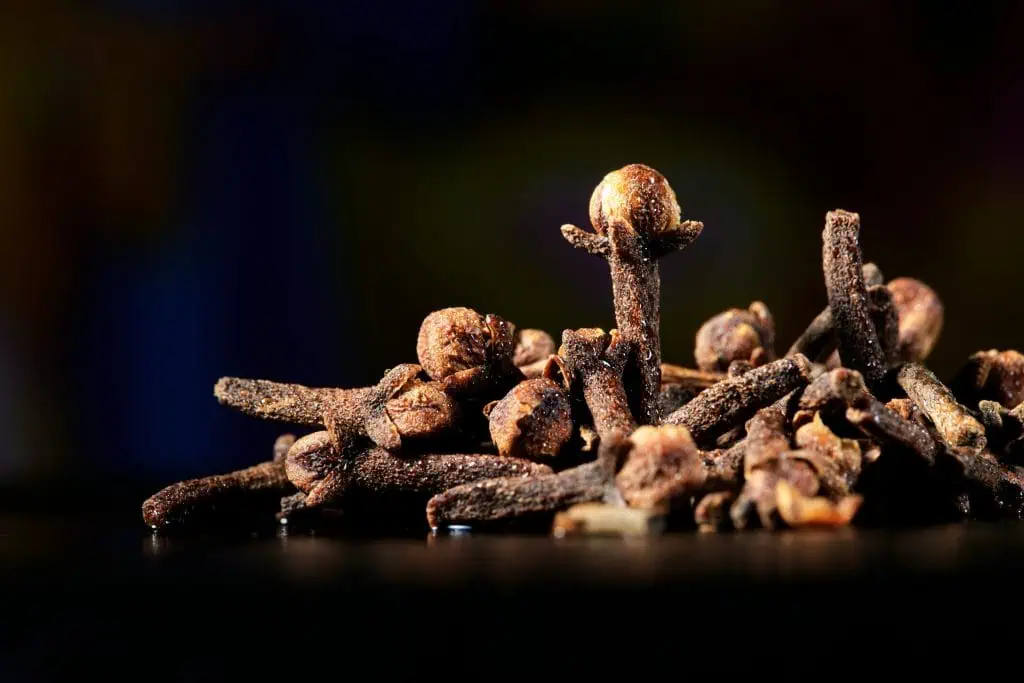
Cloves pack a bold punch, offering warmth and intensity that enhance both sweet and savory dishes. These tiny buds are best utilized by grinding them fresh, releasing their sweet, spicy power. Cloves were fiercely contested during the spice trade era, with Dutch colonists once monopolizing their growth. Modern shortages arise due to high global demand for both culinary and tobacco industries, particularly from Indonesia.
True Cinnamon: Sweet Prestige

True cinnamon, or Ceylon cinnamon, distinguishes itself with a subtle sweetness and delicate spiciness. Its soft texture grinds easily into a fine powder, perfect for baking. Incorporate it into cinnamon rolls or tea to elicit its mild, yet complex character. Unlike its common counterpart, Cassia, true cinnamon’s flavor is milder and pairs excellently with fruit-based desserts. Native to Sri Lanka and revered since ancient Egyptian times, true cinnamon was once a luxury reserved for royalty. Global shortages today are driven by limited growing regions and rising demand for authentic Ceylon cinnamon over cheaper Cassia varieties.
Fennel Pollen: Floral Gold Dust

Fennel pollen offers a unique blend of sweet, anise-like flavors with a hint of citrus and honey. This luxurious spice can transform ordinary dishes into extraordinary experiences. Historically used in Mediterranean cooking and Roman feasts, fennel pollen was long a chef’s secret ingredient. Global shortages occur because the spice is painstakingly hand-collected in tiny amounts from fennel blossoms, limiting large-scale production.
Mahlab: The Secret Sensation

Mahlab, derived from cherry pits, boasts a complex combination of almond and cherry flavors with a slight bitterness. It’s often used in Middle Eastern baking, adding a sophisticated layer to breads and pastries. Mahlab traces back to Byzantine and Ottoman kitchens, where it was a prized festive spice. Today, shortages occur due to its dependence on wild cherry trees and limited cultivation, making it rare outside the Middle East.


