
8 Foods Banned by Schools That Parents Secretly Reintroduce at Home

School food rules are shaped by more than nutrition; they’re shaped by allergies, mess, disruptions, and district-wide policies that have to work for hundreds (or thousands) of kids at once. In the U.S., the USDA's “Smart Snacks” standards also set nutrition rules for foods and beverages sold during the school day, which influence what is available in cafeterias, vending machines, and school stores. However, many schools take it a step further with local restrictions, as teachers and principals often limit what can be brought into classrooms or consumed on campus. At home, parents may reintroduce those same foods in controlled portions, at safer ages, or with allergy-aware safeguards.
Peanut Butter and Peanut Snacks
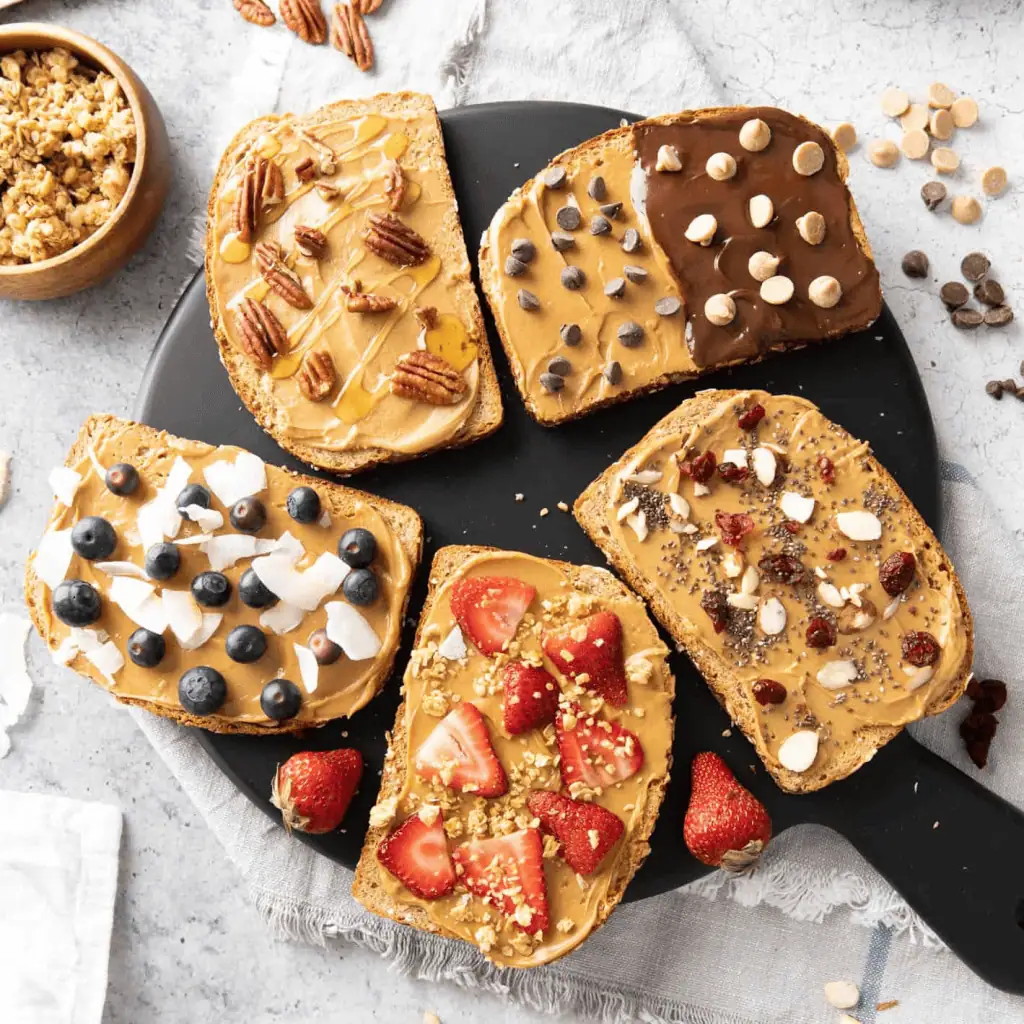
Peanut butter is one of the most common “school-restricted” foods because many schools create peanut-free rooms, tables, or even building-wide rules to reduce exposure for students with allergies. Research on school nut policies shows how widespread these restrictions can be, including bans on peanuts or tree nuts being served by the school in some settings. At home, parents often bring peanut butter back because it’s an affordable protein and a familiar comfort food served in a safer environment where they can prevent cross-contact and supervise younger children more closely.
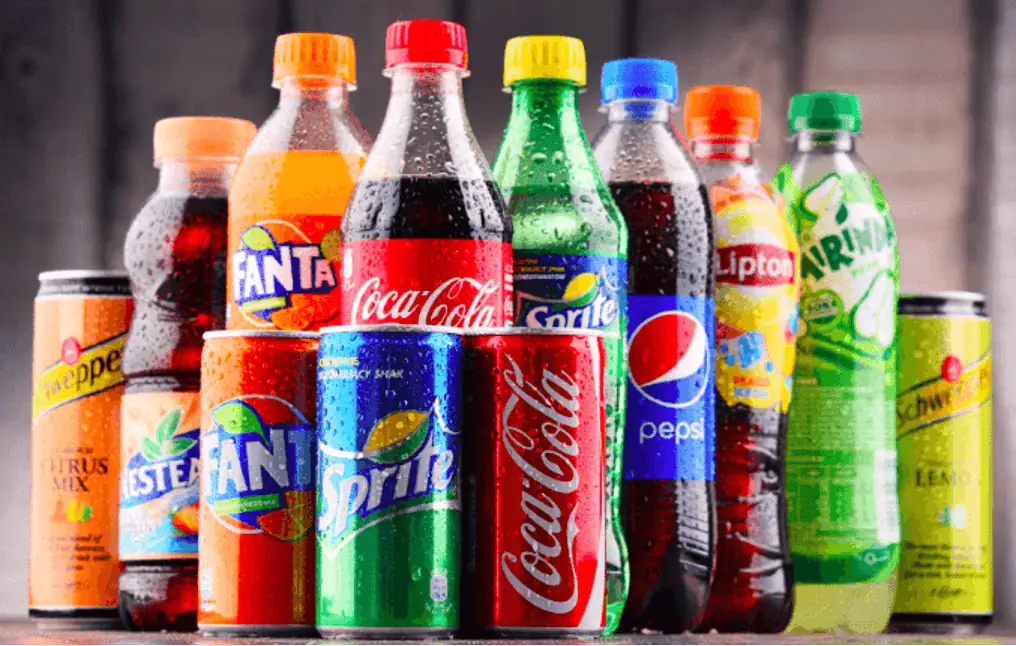
Many schools limit sugar-sweetened beverages, and federal “Smart Snacks” rules restrict what beverages can be sold during the school day, pushing campuses toward water, milk, and limited juice options rather than full-sugar sodas. Parents often reintroduce soda or sports drinks at home during holidays, parties, or game days because it feels like a treat that doesn’t belong in a classroom routine. The “secret” part is usually frequency: families may allow it occasionally while still agreeing it’s not great as a daily school drink.
Candy and Chocolate Treats
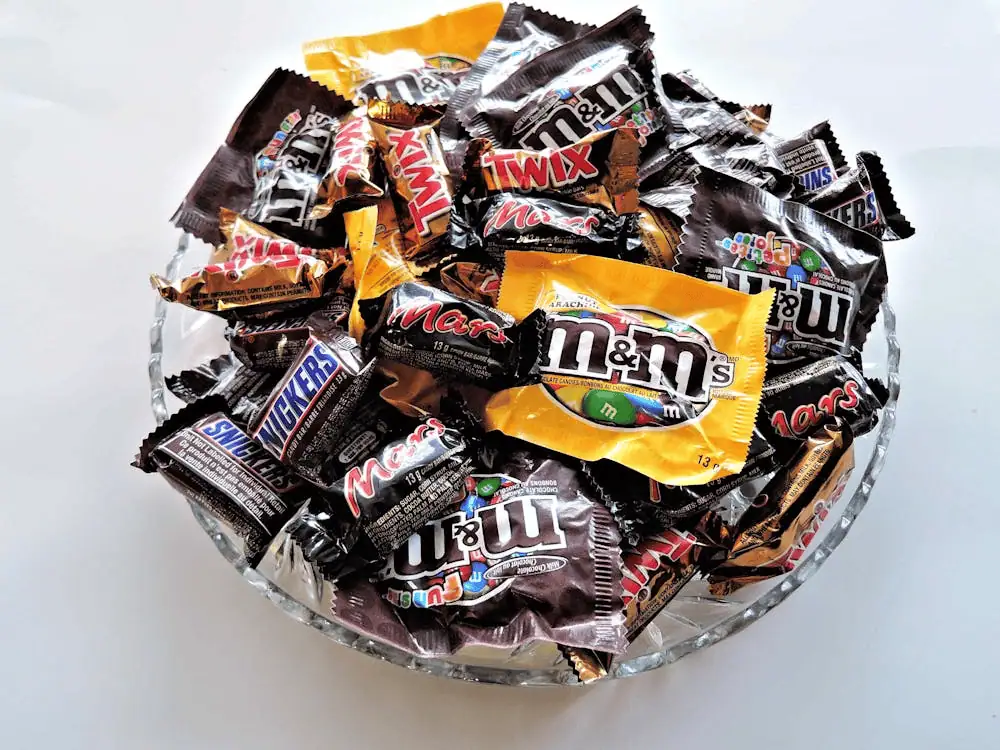
Candy is a frequent target of school policies because it’s high in added sugar, easy to trade, and can derail classroom focus, especially around holidays. While Smart Snacks standards apply to items sold at school, many campuses also discourage candy as classroom snacks or rewards. At home, parents reintroduce candy in smaller portions because it’s culturally tied to celebrations and traditions. It’s easier to manage at home where parents can pair sweets with meals, set limits, and avoid the “trading” culture that turns one candy bar into five by lunchtime.
Flamin’ Hot Cheetos and Other Spicy Chips
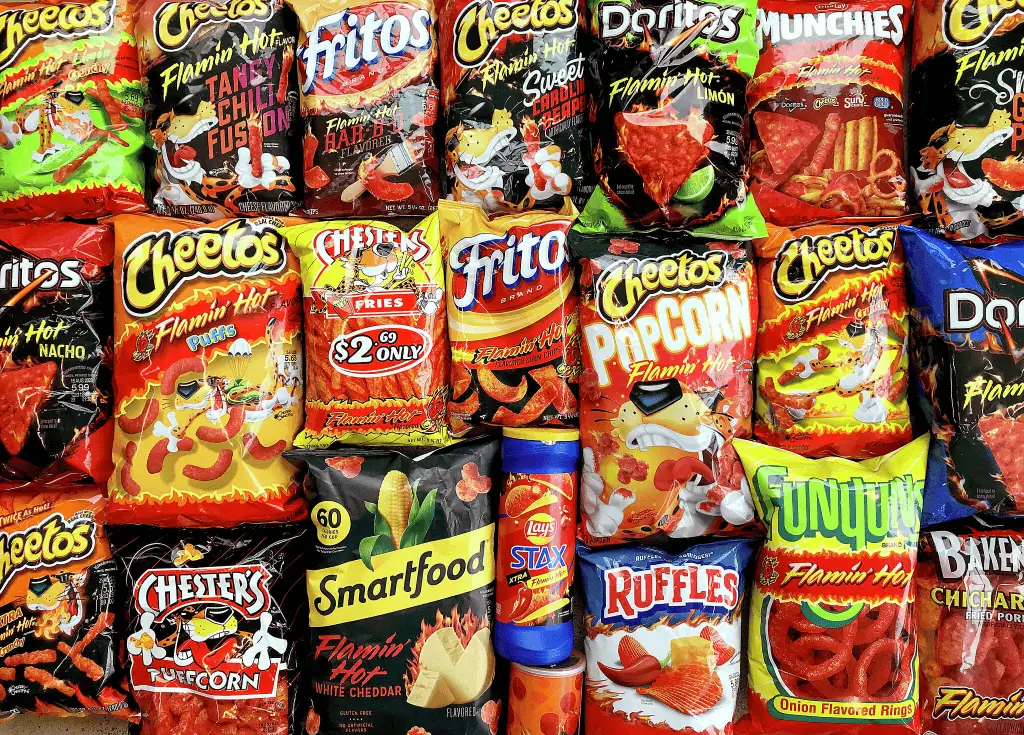
Some school districts have explicitly tried to ban or restrict Flamin’ Hot Cheetos due to nutrition concerns and the disruption they can cause when kids bring them daily. The appeal is obvious: they’re intense, cheap, and addictive in a “one more handful” way. At home, parents often allow them as an occasional movie-night snack, partly because it’s easier to control portions and frequency. Schools may see them as a daily problem; parents may see them as a sometimes treat.
Energy Drinks
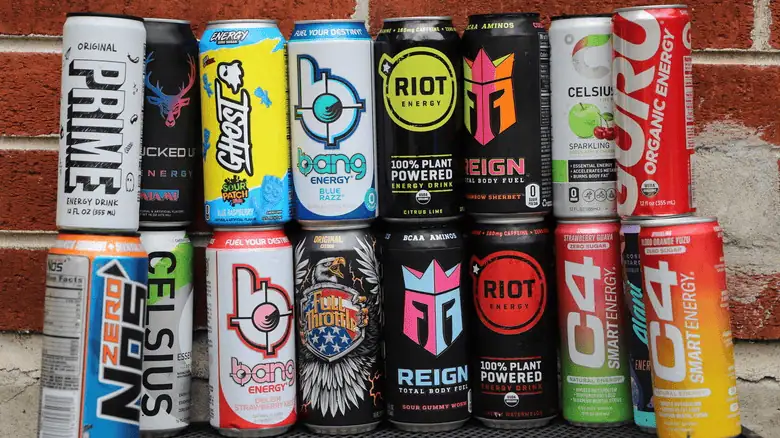
Energy drinks are increasingly restricted on school grounds, with public health guidance warning they have no place in the diets of children and adolescents, and reporting that many districts still lack formal policies, even though energy drinks can appear in school venues. Some schools have issued direct bans on students bringing them to campus. Parents may “reintroduce” the category at home in a different form, allowing a caffeinated beverage for older teens during late study nights, or permitting an occasional energy drink despite school rules, because the decision feels more personal and supervised at home than in a school day full of variables.
Homemade Cupcakes, Brownies, and Party Treats
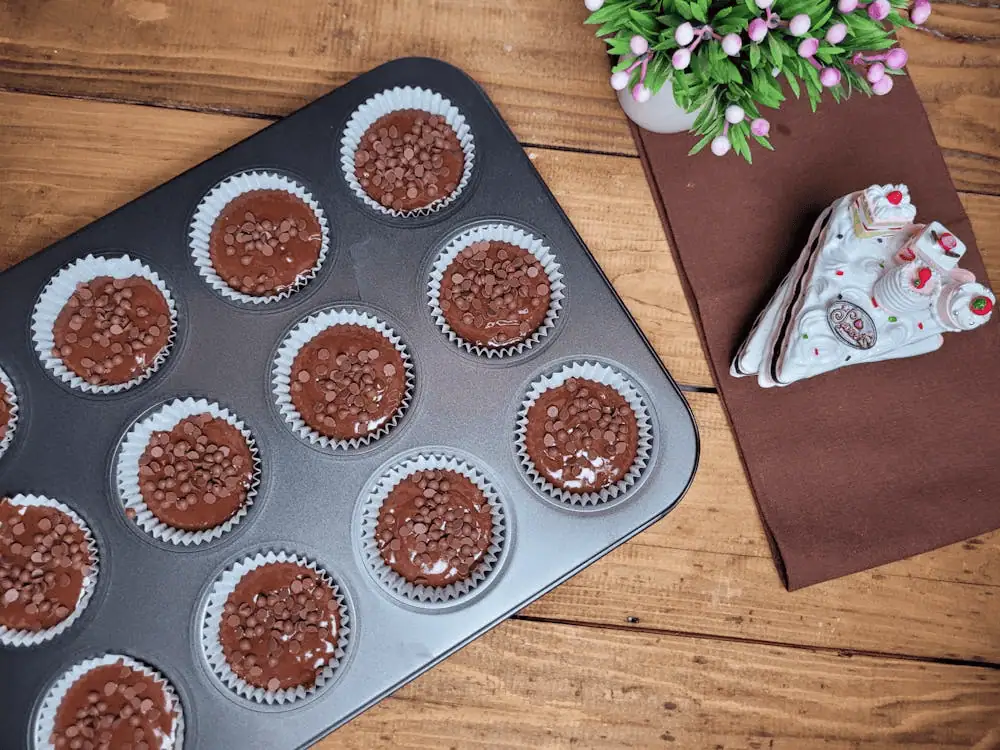
Many schools restrict homemade treats for classroom parties because staff can’t verify ingredients, cross-contact risks, or food safety, and policies often push families toward sealed, store-bought items. At home, parents bring homemade baking back because it’s part of family tradition especially around birthdays and holidays. The “secret reintroduction” happens when kids still want the homemade version they see online or at home, even if school only allows packaged treats for sharing.
Gum

Gum is banned in many schools mainly for practical reasons: mess under desks, distractions, and classroom disruptions. Parents often allow gum at home because it feels harmless and can even be used as a “car ride” or “after dinner” habit. What schools can’t manage is enforcement and cleanup across hundreds of students. At home, parents can set rules like “only after eating” and “trash it immediately,” making gum feel manageable rather than chaotic.
Instant Noodles and Cup Noodles
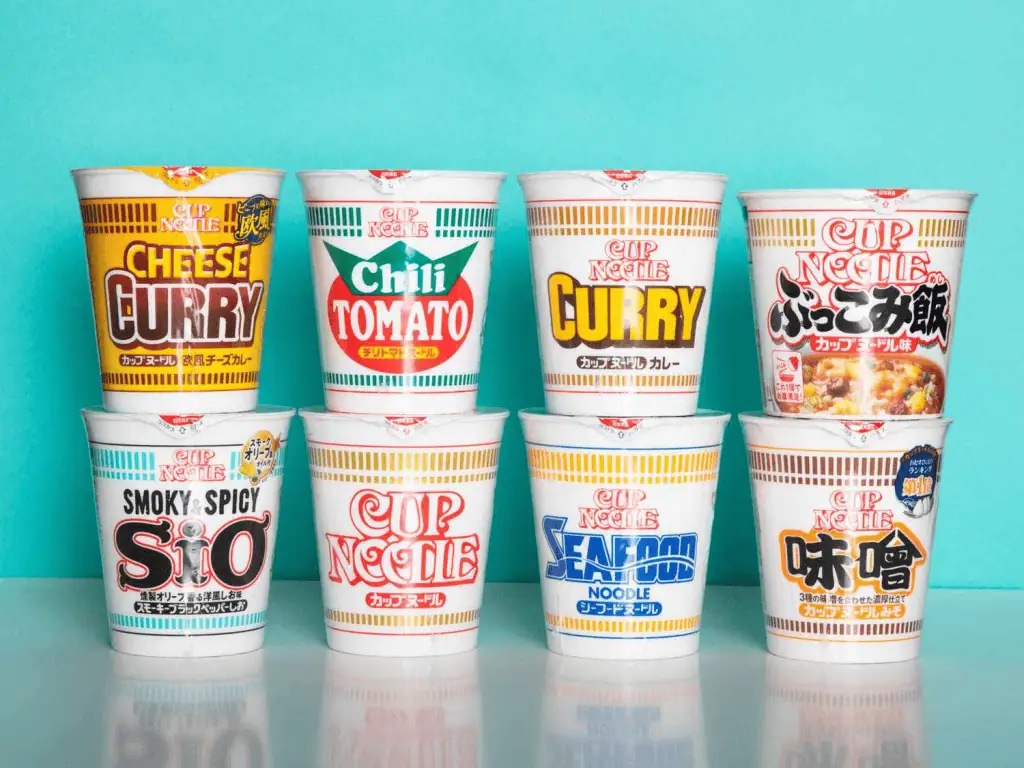
Some schools restrict the use of instant noodles due to spill risks, mess, and the need for boiling water or microwaves, as well as concerns about the high sodium content in many popular brands. While policies vary by district, the general issue is that quick “hot snacks” are hard to supervise safely at scale. Smart Snacks standards also require campuses to consider sodium and overall nutritional quality for sold items. At home, parents reintroduce instant noodles because they’re cheap, fast, and comforting, often upgrading them with eggs or vegetables in a way a school cafeteria can’t easily replicate.
Sources
- National Institutes of Health (NIH), School nut policies and allergy exposure research: https://www.ncbi.nlm.nih.gov/pmc/articles/PMC4869009/
- U.S. Department of Agriculture (USDA), Smart Snacks in School standards: https://www.fns.usda.gov/school-meals/smart-snacks-school
- Centers for Disease Control and Prevention (CDC), School nutrition and snack standards: https://www.cdc.gov/healthyschools/nutrition/standards.htm
- Los Angeles Times, Why some schools have tried to ban Flamin’ Hot Cheetos: https://www.latimes.com/food/story/2019-08-14/flamin-hot-cheetos-schools-ban
- Centers for Disease Control and Prevention (CDC), Energy drinks and youth health guidance: https://www.cdc.gov/healthyschools/nutrition/energy.htm
- Food Allergy Research & Education (FARE), Food allergies and school safety policies: https://www.foodallergy.org/resources/food-allergies-school
- Encyclopaedia Britannica, Why chewing gum is banned in schools: https://www.britannica.com/story/why-is-chewing-gum-banned-in-schools


