
Mcdonald’s CEO Couldn’t Even Eat his Own Burger: Burger King, Wendy’s and A&W Canada Ate it for Him

The fast-food world is reeling in 2026 after a disastrous promotional clip featuring the McDonald's CEO went viral for all the wrong reasons. In what was supposed to be a showcase of their “new and improved” core menu, the executive appeared to physically struggle during a recorded taste test. Onlookers and internet sleuths quickly pointed out that he never actually swallowed the bite, sparking a massive wave of skepticism.
This awkward moment has become the centerpiece of a larger conversation regarding the quality of processed fast food in the modern era. While McDonald's has spent millions on rebranding their “fresh” ingredients, this single video has done more damage than any ad campaign could fix. The internet’s reaction was swift, but the most cutting responses came directly from the brand’s biggest rivals. It highlights a growing gap between corporate marketing and the actual consumer experience.
Burger King’s “Flame-Grilled” Retort

Burger King was the first to jump on the opportunity, releasing a snarky social media campaign almost immediately after the video surfaced. Their marketing team posted a video of their own leadership team finishing entire Whoppers in one sitting, captioned with “We actually like our food.” This move successfully pivoted the conversation back to their signature flame-grilled cooking method, which they claim offers superior flavor.
In 2026, the rivalry between these two giants has moved beyond prices and into the realm of “authenticity.” By highlighting their CEO’s willingness to eat the product, Burger King positioned themselves as the more transparent and trustworthy option. They even offered a “CEO-Approved” discount for 24 hours to drive the point home to hungry fans. This type of aggressive “guerrilla marketing” is exactly how Burger King maintains its edge in a crowded digital landscape.
Wendy’s Queen of “Fresh, Never Frozen”

Wendy’s, known for its legendary Twitter presence, did not hold back in the wake of the McDonald’s executive’s viral hesitation. Their official accounts began posting close-up shots of their square patties, emphasizing that their meat is “fresh, never frozen” and actually edible. They leaned heavily into the idea that if a CEO won't eat their own burger, why should the average American consumer?
The 2026 Wendy’s strategy continues to focus on quality as their primary differentiator against the “Golden Arches.” They used the blunder to remind everyone that their burgers don't require a corporate PR team to look appetizing on camera. By mocking the “fake” nature of the McDonald's promo, Wendy’s solidified its status as the “straight-talker” of the fast-food industry. Their fans quickly turned the moment into a series of memes that dominated TikTok for several days.
A&W Canada’s Ethical High Ground
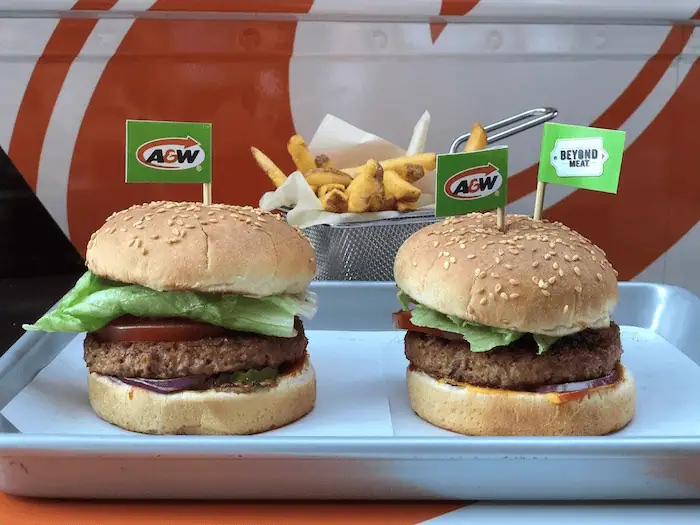
A&W Canada took a slightly different, more “wholesome” approach to the controversy by focusing on their clean-label ingredients. Their response highlighted their commitment to beef raised without hormones or steroids, suggesting that their food is something anyone would be proud to eat. In 2026, the Canadian arm of the brand has seen a surge in popularity due to this health-conscious positioning.
They released a short documentary-style clip featuring their own executives visiting local farms and eating meals with the producers. This subtle dig at the “corporate office” culture of McDonald's resonated with consumers who are increasingly wary of ultra-processed foods. A&W Canada proved that you don't need to be loud or mean to win a PR war; you just need to be consistent. Their “Better Beef” campaign saw a notable spike in engagement as people looked for alternatives to the traditional fast-food model.
The Future of Fast Food PR

This incident marks a turning point for how fast-food brands will handle corporate transparency for the remainder of 2026. The days of perfectly staged, plastic-looking food are being replaced by a demand for “real” moments and genuine reactions. If a brand wants to survive the scrutiny of social media, its leadership must be willing to stand and eat behind their product.
McDonald's is now reportedly overhauling its internal communication strategy to avoid such “unforced errors” in the future. Meanwhile, the competition has learned that a single viral mistake is more valuable than a million-dollar Super Bowl commercial. Consumers are smarter than ever, and they can spot a “fake” bite from a mile away on their smartphones. Moving forward, the most successful brands will be those that prioritize honesty over highly polished corporate theater.


