
7 Nutritionist-Approved Grains That Deserve a Spot in Your Diet

Incorporating a variety of grains into your diet can enhance nutrient intake while adding diversity to meals. Each grain offers unique benefits, aligning with health goals and culinary tastes. Discover seven nutritionist-approved grains that bring flavor and nourishment to your table.
The Versatility of Bulgur

Bulgur, a form of cracked wheat, can be a quick-cooking option for side dishes or salads. Its mild nutty flavor and tender texture make it ideal for tabbouleh, pilafs, and soups. To prepare, rinse and simmer in a ratio of one part bulgur to two parts water for about 12 minutes. It retains its nutrients through minimal processing, providing fiber and protein. Bulgur is perfect for meal prep, absorbing flavors and providing a satisfying bite.
Brown Rice: A Staple with Benefits

Brown rice maintains the bran layer, offering more fiber, vitamins, and minerals than white rice. It has a chewy texture and nutty flavor that complements a variety of dishes. Cooking it with slightly more water and a longer simmering time enhances its tenderness and nutritional benefits. Use it in stir-fries, grain bowls, or as a simple side. For best results, rinse before cooking to improve texture and remove excess starch.
Quinoa: The Protein Powerhouse
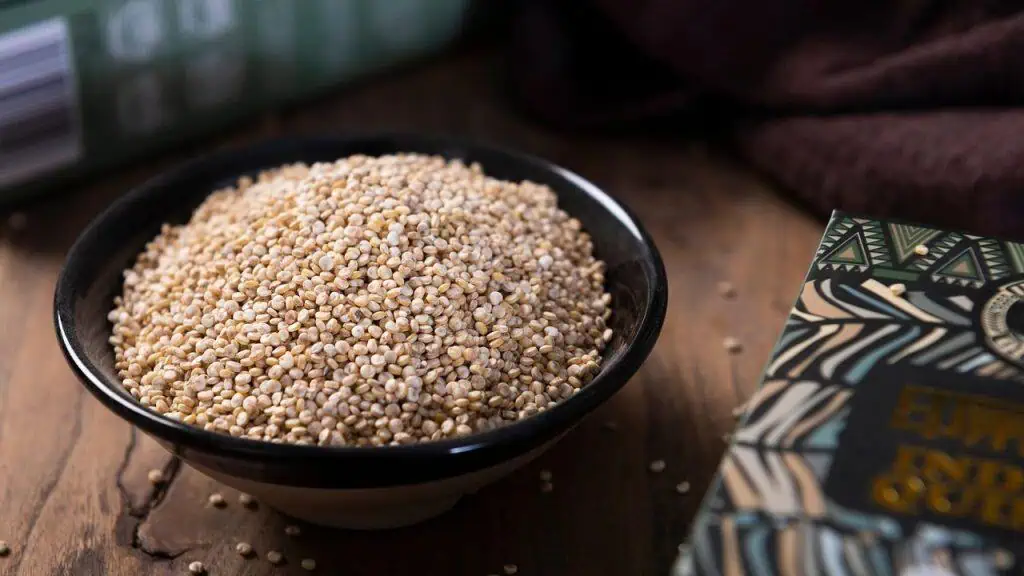
Quinoa is celebrated for its high protein content and complete amino acid profile. Its fluffy texture and subtle earthy flavor make it versatile in both savory and sweet applications. Rinse thoroughly before cooking to remove its natural saponin coating that can impart bitterness. Use a 1:2 quinoa-to-water ratio, simmering until the grains display a delicate ring. Ideal for salads, as a side dish, or even as a breakfast porridge, quinoa adapts to various flavor profiles.
Millet: Ancient Grain, Modern Health

Millet, often overlooked, is a highly nutritious grain with a mild, slightly sweet taste. It is gluten-free and rich in magnesium, making it beneficial for bone health. Toasting millet before boiling enhances its nutty flavor. With a 1:2.5 millet-to-water ratio, cook until the grains are tender yet slightly chewy. Millet can be served as a mash, added to soups, or used as a substitute for rice. Its adaptability makes it an excellent choice for diverse culinary creations.
Oats: Heart-Healthy Wonder
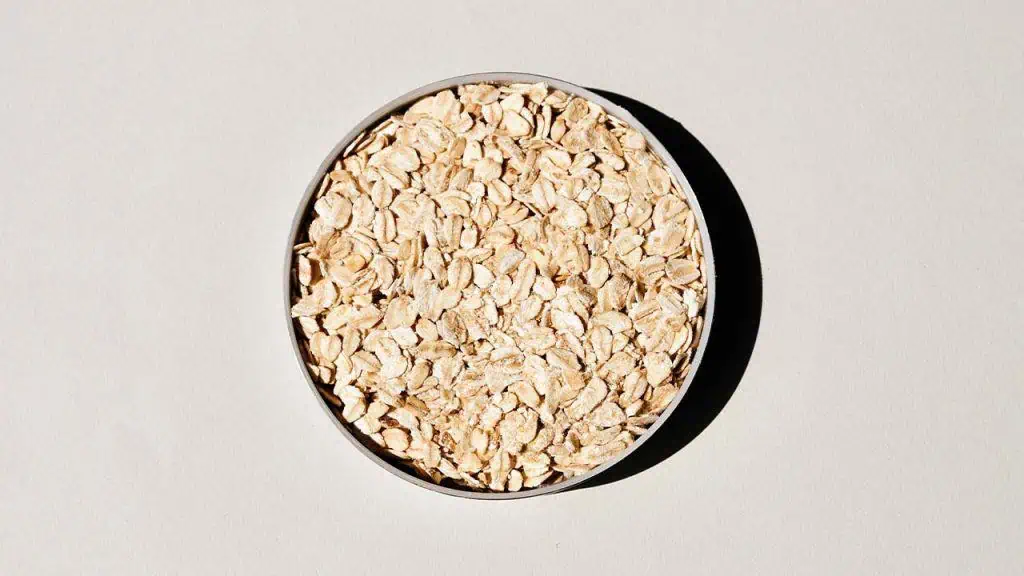
Oats stand out as a versatile and nutrition-packed grain, ideal for heart health. They contain beta-glucan, a soluble fiber known to reduce cholesterol levels. When preparing oats, consider the texture: steel-cut for a chewy bite or rolled for a creamy result. To elevate the flavor, toast oats lightly in a dry skillet before cooking. Enhance your dish with a pinch of salt to contrast natural sweetness, and serve topped with fresh fruits, nuts, or a drizzle of honey for a nutritious start to your day.
The Richness of Barley

Barley is often overlooked but boasts an impressive nutritional profile, rich in fiber and selenium. Its chewy texture makes it a perfect addition to soups and salads. For best results, opt for hulled barley as it retains more nutrients than pearled. Cook barley by simmering it in stock, allowing the grains to absorb savory flavors. Incorporate fresh herbs and a squeeze of lemon juice at the end of cooking to enhance its earthy notes. Barley pairs wonderfully with roasted vegetables or as a side to hearty meats.
Amaranth: The Nutrient-Dense Grain

Amaranth is small but mighty, packed with protein, magnesium, and iron. Its slightly nutty flavor and tender texture make it a delightful base for both sweet and savory dishes. Rinse the grains well before cooking to remove any bitterness. Simmer amaranth in water or broth, stirring occasionally to prevent sticking. When paired with sautéed greens or topped with fruits and nuts, amaranth offers a wholesome addition to your meal. Its versatility and nutrient density make it a valuable pantry staple.


