
6 Everyday Flavors That Shaped Civilization More Than You Think

Exploring the flavors that have been pivotal throughout history reveals how integral they are to creating cuisine as we know it. These six everyday flavors not only define much of our cooking but have also significantly impacted global trade and culture. Understanding their historical roles enriches both our appreciation and culinary techniques, allowing us to craft dishes with deeper context and enhanced skill.
Salt: The Ancient Treasure

Salt has been more than mere seasoning; it was once as valuable as gold. Used for preservation and flavor, its ability to enhance and stabilize foods made it essential. When cooking, use sea salt or kosher salt for more nuanced flavor control. Its granules dissolve evenly, providing consistent taste. Experiment with salt crusts for proteins, locking in moisture while creating a well-seasoned finish.
Sugar: Sweetness of Power
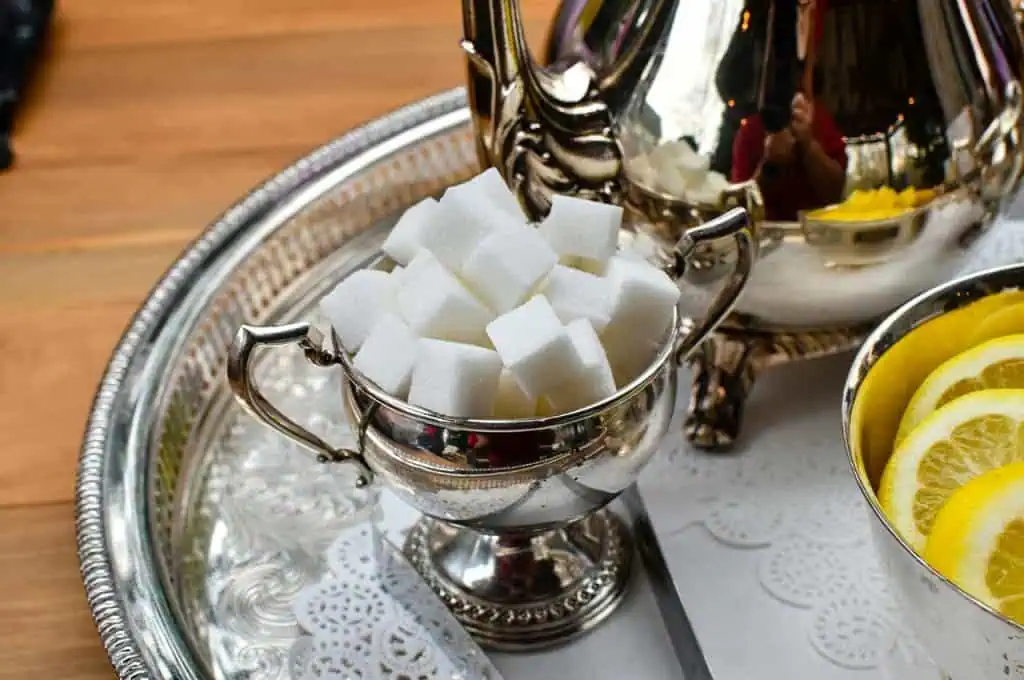
Sugar transformed the culinary world by balancing and intensifying flavors. Its roles extend beyond sweetness to caramelization and fermentation. Use refined sugars for clean, predictable results or experiment with raw sugars for depth. In sauces, pair sugar with acids to create a harmonious taste, or use it to achieve a crisp texture on baked goods, enhancing both flavor and presentation.
Black Pepper: The Spice of Empires
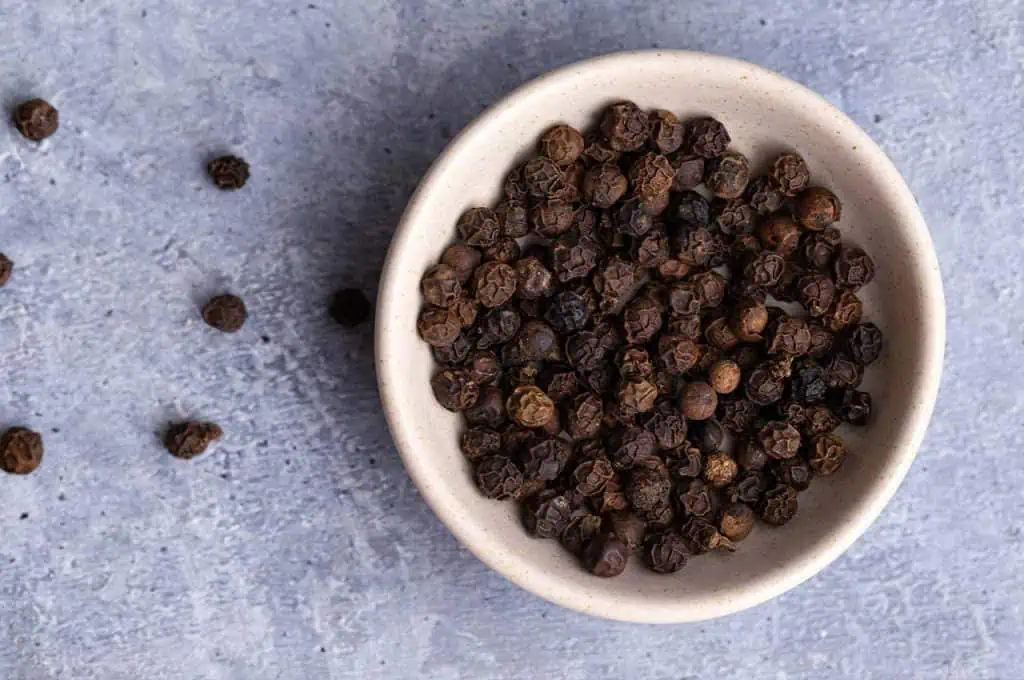
Black pepper, known as “black gold,” drove exploration and trade. The spice adds warmth and complexity, elevating savory and sweet dishes alike. Use freshly cracked pepper for optimal aroma and sharpness; grinding just before use avoids loss of flavor. In soups or rubs, black pepper introduces heat without overwhelming, complementing ingredients by deepening their natural flavors.
Chili Peppers: Heat Across Cultures
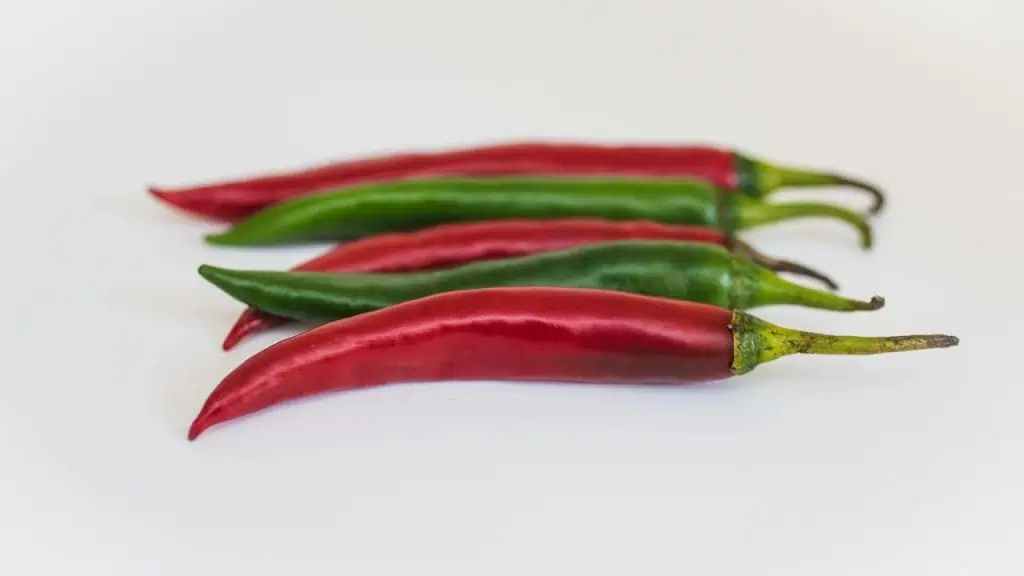
Chili peppers bring boldness and vibrancy, essential in diverse cuisines. They offer varying levels of heat and flavor, from smoky to fruity undertones. To balance heat with depth, remove seeds and membranes, or use whole for full intensity. By toasting or roasting peppers, you unlock deeper flavors, an important technique for enriching dishes. Experiment with different varieties to expand your culinary repertoire.
Vanilla: The Fragrant Voyage
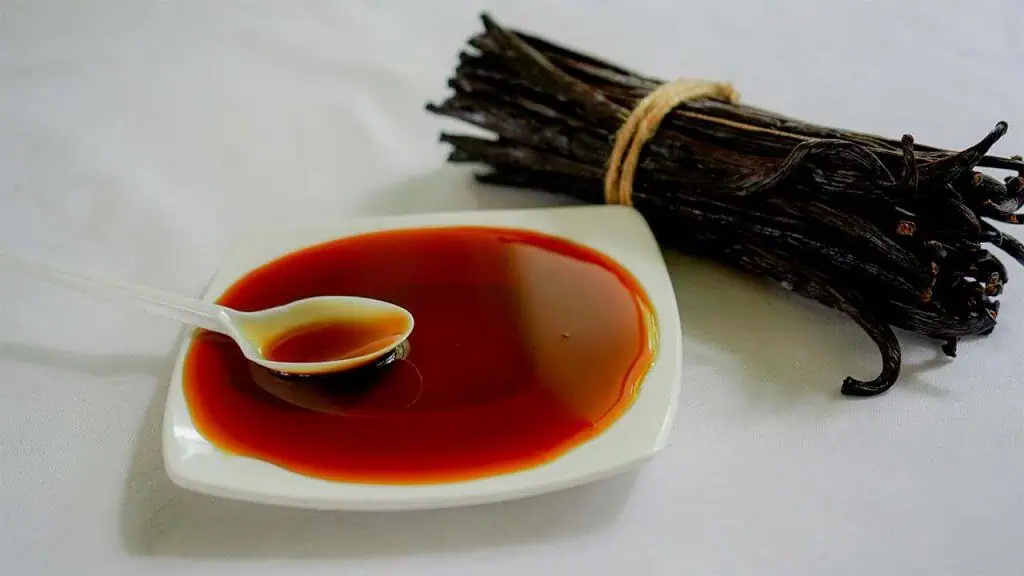
Vanilla, often relegated to a mere supporting role, holds a legacy as rich as it is aromatic. Its complexity unfolds in layers, exuding warmth and subtle floral notes. Sourcing quality beans is critical; opt for plump, dark Madagascar or Tahitian varieties. Split the pod lengthwise and scrape the seeds to unleash their full potential. Infuse creams or custards by gently warming them with vanilla seeds, allowing the flavors to deepen. This technique enhances desserts with a delicate yet discernible depth, transforming a simple custard or cake into something truly memorable.
Coffee: The Brew of Enlightenment
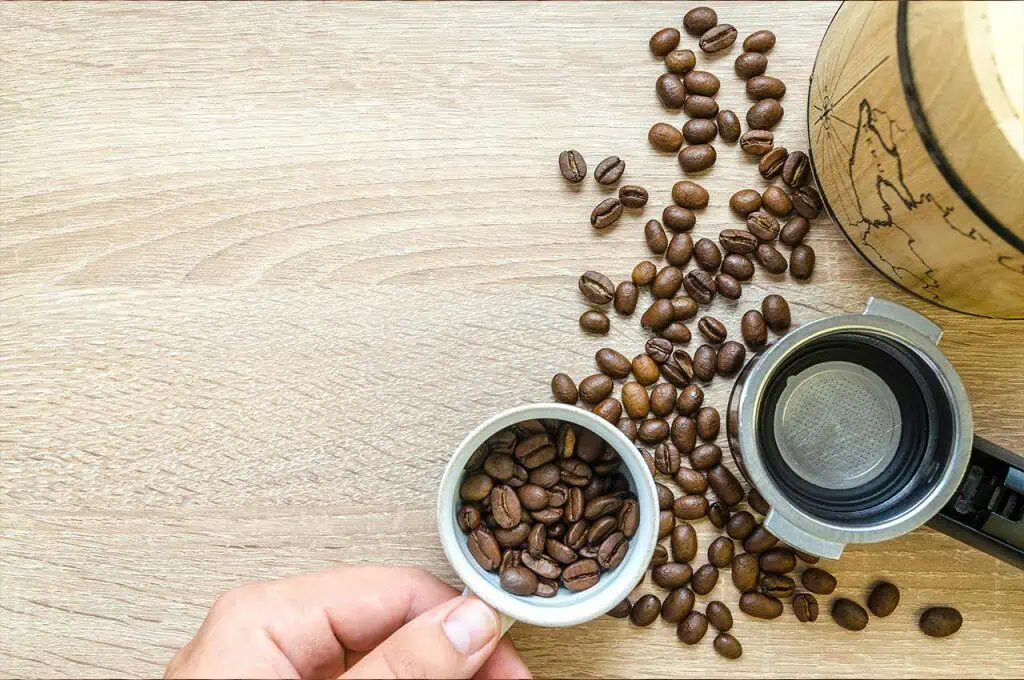
Coffee, more than a caffeine fix, shaped cultures with its invigorating allure. Selecting the right beans is paramount; aim for freshly roasted, whole beans to grind just before brewing. The grind size matters, coarse for French press, medium for drip, and fine for espresso, each affecting extraction and flavor. Employ techniques like blooming, where you pre-wet grounds to enhance flavor extraction, achieving a balanced, robust brew. Store beans in an airtight container, away from heat and light, to preserve their nuanced aromas, ensuring every cup transports you to its storied origins.


