
7 High-Fiber Foods That Beat Chia Seeds

Incorporating high-fiber foods into your diet is essential for digestive health and overall well-being. While chia seeds are known for their fiber content, there are numerous alternatives that may suit your palate and nutritional needs just as well. These foods not only offer impressive fiber amounts but enhance flavor and texture in your dishes, encouraging creative culinary exploration in your daily meals.
Power Up with Pumpkin Seeds
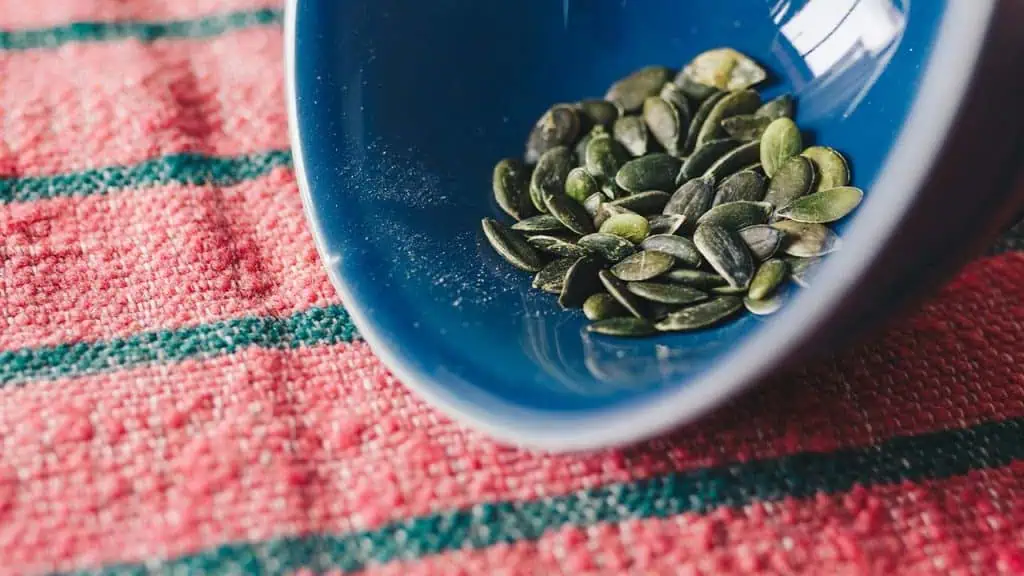
Pumpkin seeds, or pepitas, are a versatile addition to your kitchen, offering crunchy texture and a rich source of fiber. Lightly toast them in a skillet with a sprinkle of sea salt to enhance their nutty flavor. They make a perfect topping for salads, soups, or morning oatmeal. When storing, ensure they’re in an airtight container to maintain crispness. One ounce provides around 1.1 grams of fiber, alongside protein and healthy fats, making pumpkin seeds a powerhouse addition to any meal.
Spinach: A Leafy Fiber Hero
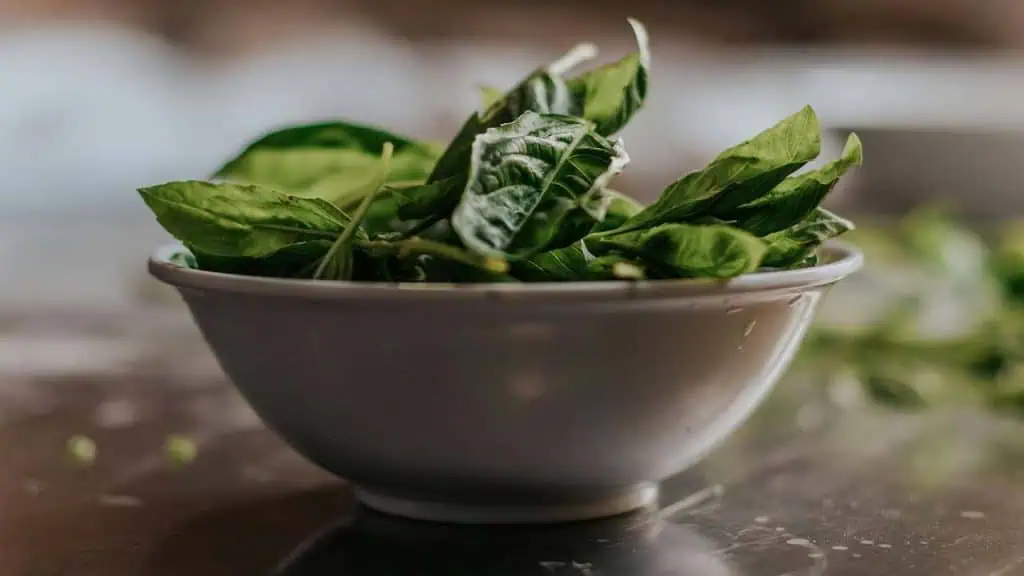
Spinach is a leafy green packed with fiber and nutrients like iron and calcium. It's best when quickly sautéed with garlic in olive oil, which softens its texture while preserving its vibrant color. Add it to omelets, pasta, or smoothies for a nutritional boost. Fresh spinach is preferable, and remember to rinse it thoroughly to remove any grit. With approximately 2.2 grams of fiber per cooked cup, spinach is both versatile and health-enhancing.
Avocado: Creamy and Fiber-Rich
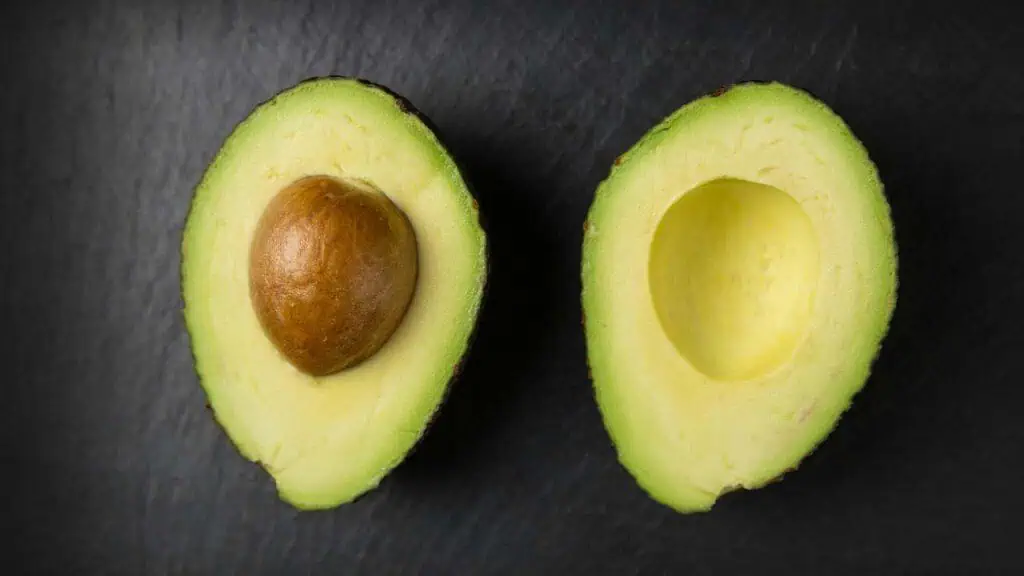
Avocado is renowned for its creamy texture and substantial fiber content. Use it in salads, as a spread, or simply diced with a squeeze of lime. To perfectly slice an avocado, cut lengthwise around the seed and twist the halves apart. Scoop with a spoon for neat chunks or mash for guacamole. Avocado offers about 10 grams of fiber per cup, along with healthy monounsaturated fats, making it a satisfying and nutritious addition to meals.
Perfect Pear: Fiber in Every Bite

The juicy pear is often overlooked, yet it's a delightful way to add fiber to your diet. Enjoy it raw, thinly sliced with a sharp knife, or poach it gently in white wine and spices for a more refined dish. Pears preserve their fiber content best when eaten with the skin, offering 5.5 grams per medium fruit. Their subtle sweetness and tender texture make them a prime choice for enhancing salads, desserts, or even cheese boards.
Chickpeas: Tiny but Mighty
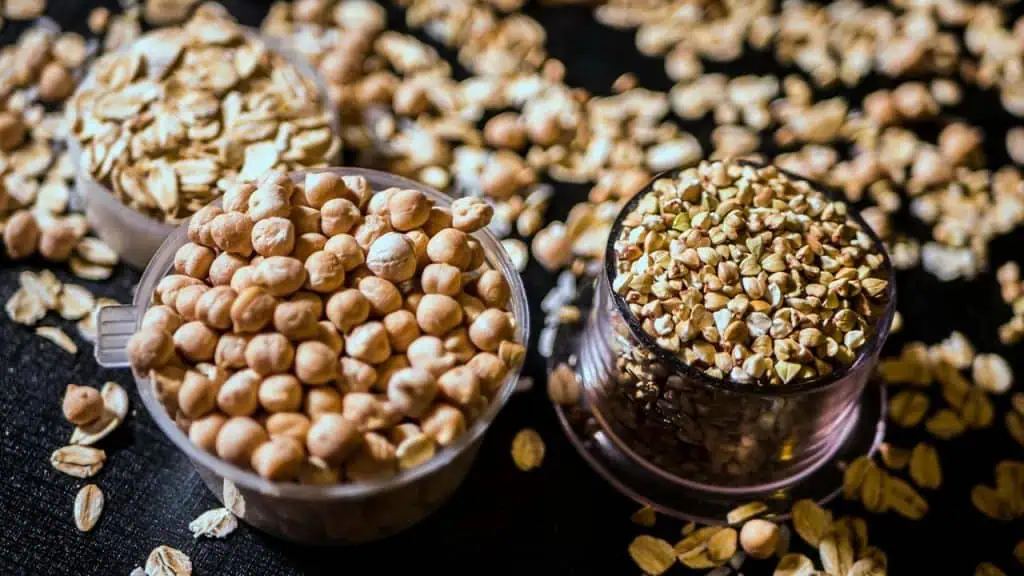
Chickpeas, often celebrated in Mediterranean and Middle Eastern cuisines, are a powerhouse of fiber that surpasses chia seeds. With 12.5 grams of fiber per cooked cup, they provide an essential base for numerous dishes. When preparing a classic hummus, start by draining and rinsing canned chickpeas thoroughly to reduce sodium. Blend them with tahini, garlic, lemon juice, and a splash of cold water. This silky-smooth dip showcases the natural creaminess of chickpeas while highlighting their nutty undertones. For added texture, roast them with olive oil and paprika until crisp, perfect for salads or as a snack.
Lentils: Fiber-Filled Legumes
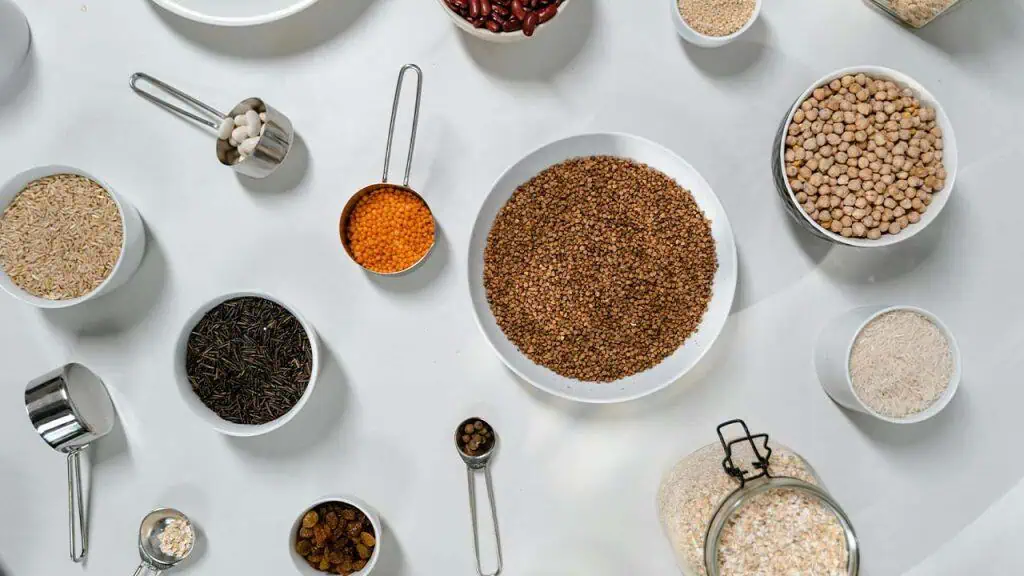
Lentils are versatile, nutrient-rich legumes offering approximately 15.6 grams of fiber per cooked cup. They require no soaking, making them a convenient choice for any meal. When crafting a lentil soup, begin with aromatic vegetables like onions, carrots, and celery, sautéed until soft to form a flavorful base. Add lentils, broth, and spices like cumin or coriander, simmering until they are tender yet retain a slight bite. The hearty, earthy essence of lentils pairs beautifully with fresh herbs such as parsley or thyme, enhancing both flavor and nutritional profile. Enjoying them in salads or stews further underscores their fibrous, satisfying texture.
Coconut Meat: Tropical Fiber Boost

Coconut meat offers a unique source of dietary fiber, with 7.2 grams per one cup of shredded fruit. Its rich, subtly sweet flavor and chewy texture make it a delightful addition to both sweet and savory dishes. For a refreshing salad, combine thinly sliced coconut meat with lime juice, chili peppers, and fresh herbs such as cilantro or mint. Alternatively, use as a topping for curries or soups to introduce a hint of tropical flair. Its fiber content promotes digestive health, while the decadent taste appeals to those seeking to diversify their fiber sources beyond common grains and seeds.


