
8 Culinary School Techniques Home Cooks Are Finally Trying

Home cooks are increasingly adopting professional techniques to elevate their culinary skills. From sous vide to emulsifying sauces, these methods open up new avenues for flavor and texture, often leading to more consistent and impressive results. By incorporating these culinary school staples, you can refine your cooking and bring restaurant-level dishes to your table.
Sous Vide: Tender Meats Every Time
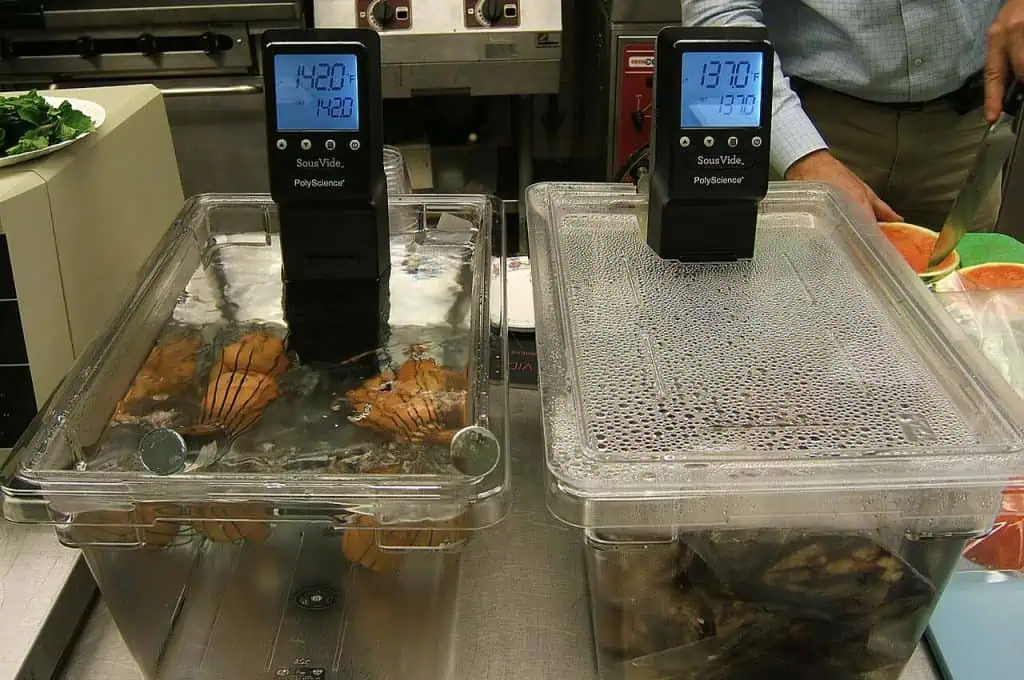
The sous vide technique involves cooking food in a vacuum-sealed bag, submerged in a controlled water bath at a precise temperature. This method ensures evenly cooked meats with exceptional juiciness. Start by seasoning your meat and sealing it tightly. Precision matters, so use a reliable sous vide machine at the recommended temperature for your cut. Post-cooking, a quick sear in a hot pan adds a perfect crust without compromising tenderness.
Blanch and Shock for Vibrant Veggies
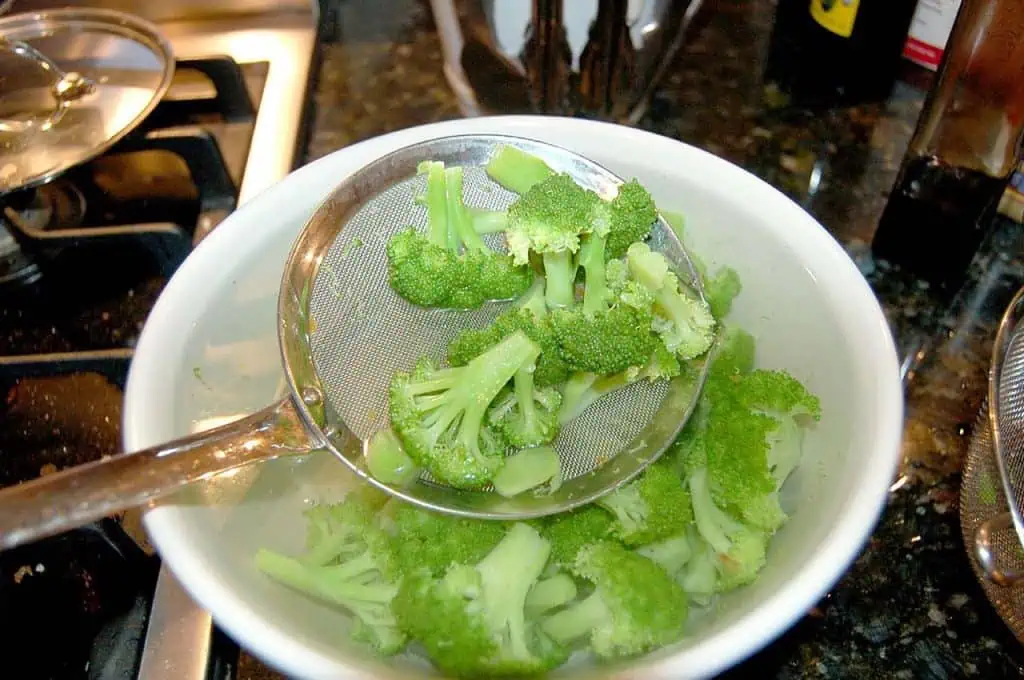
Blanching and shocking vegetables preserve color and crispness. Begin by boiling salted water and preparing an ice bath. Introduce your vegetables to the boiling water for a brief cook, usually 1-2 minutes, then transfer them immediately to the ice bath to halt cooking. This technique locks in nutrients and ensures a pleasing texture. It’s essential for dishes like salads or when prepping veggies in advance.
Master Emulsifying: Hollandaise & More

Creating a stable emulsion is key to rich, creamy sauces. For Hollandaise, start by whisking egg yolks, lemon juice, and water over gentle heat. Slowly incorporate melted butter, whisking continuously to blend the fats with the liquids. Use low, consistent heat to prevent separation. Mastering this technique can transform sauces, making them lush and uniformly smooth, perfect for eggs benedict or drizzled over vegetables.
Deglazing: Unlocking Flavor Potential
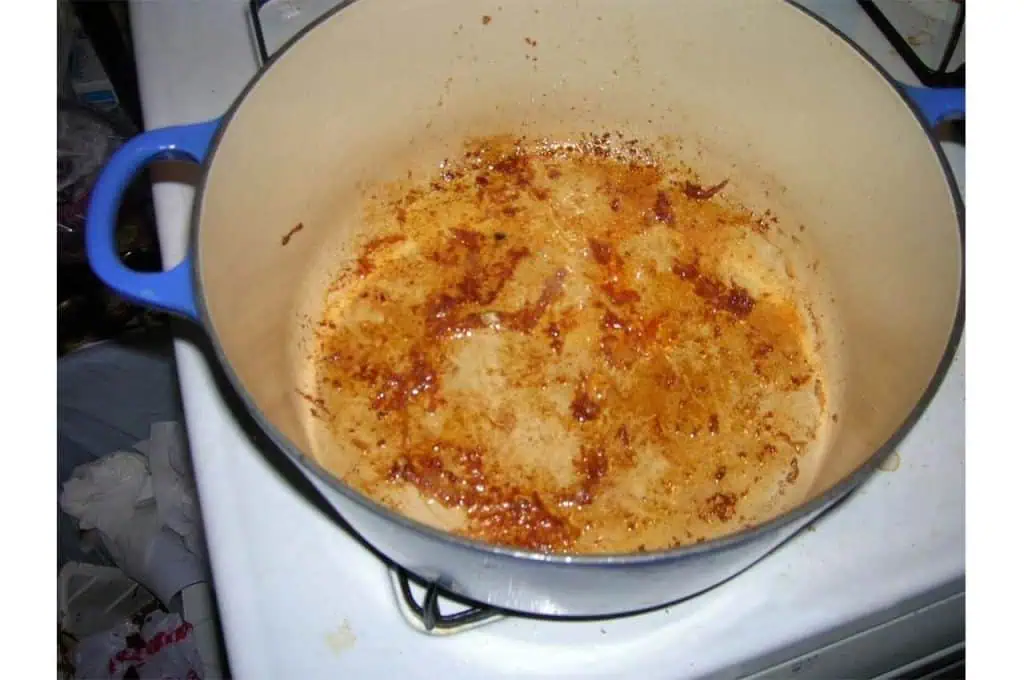
Deglazing extracts concentrated flavors left in your pan after sautéing meats or vegetables. After browning, remove the item and add a splash of wine, broth, or vinegar to the hot pan. Scrape the caramelized bits with a spatula as the liquid simmers. This simple process transforms the fond into a complex pan sauce that elevates the dish. Consider finishing with herbs or butter for added depth and richness.
Tempering Chocolate: Smooth and Shiny
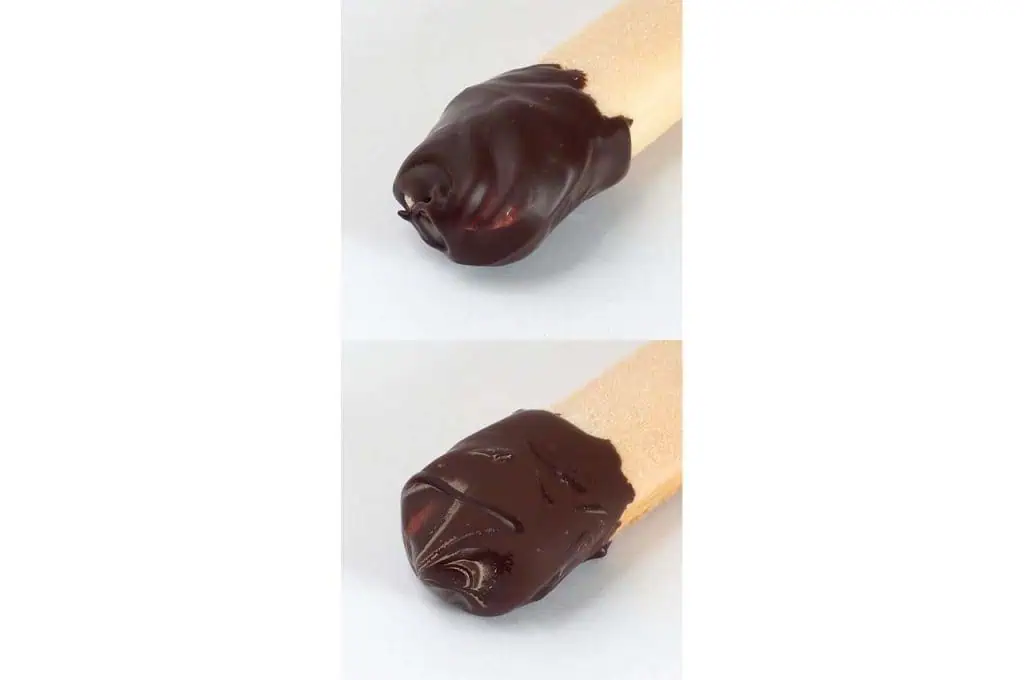
To achieve perfectly tempered chocolate, begin by melting your chocolate to around 113°F (45°C) using a double boiler for gentle heat. Once melted, remove from heat and let it cool to 82°F (28°C), stirring frequently to distribute the heat evenly. Reheat it gently to a working temperature of 88-90°F (31-32°C). This process ensures the cocoa butter crystals stabilize, giving you glossy, snap-to-the-bite chocolate perfect for coating or molding. Pay close attention to temperature changes for the best results.
Rest Meat for Juicy Perfection
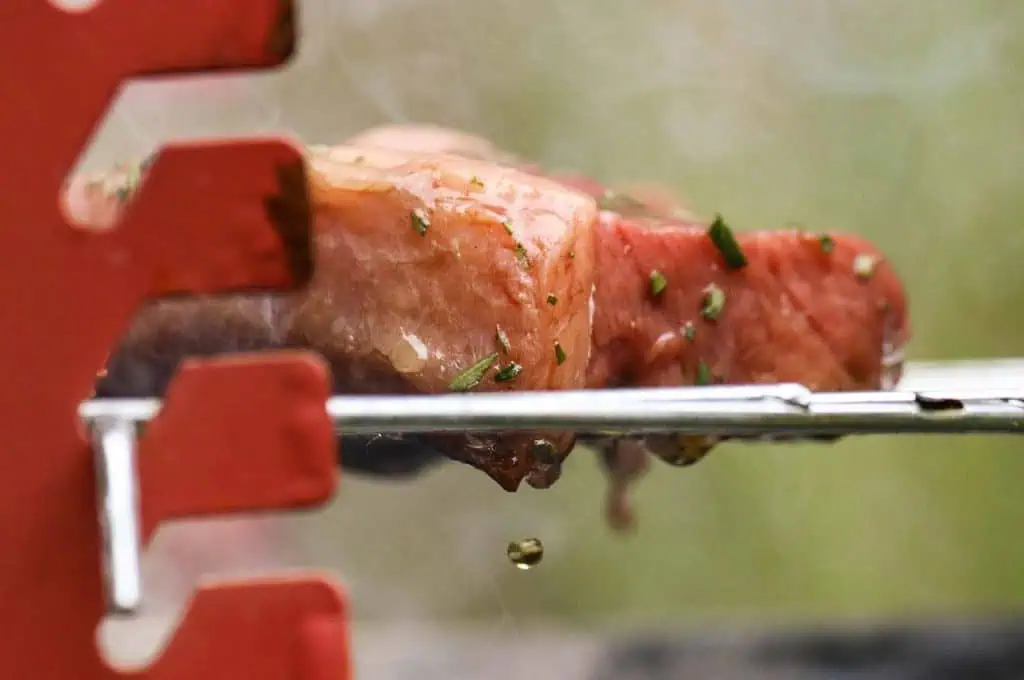
After cooking meat, let it rest before cutting to allow the juices to redistribute evenly. This simple technique, often overlooked, is crucial for juicy, flavorful results. Rest large roasts for at least 15 minutes and smaller cuts like steaks for about 5 minutes. Use a warm plate or tent the meat with foil to maintain temperature. By letting the fibrous proteins reabsorb the juices, you ensure each bite is tender and moist, transforming your meal from ordinary to exceptional.
Knife Skills: Cut Like a Pro
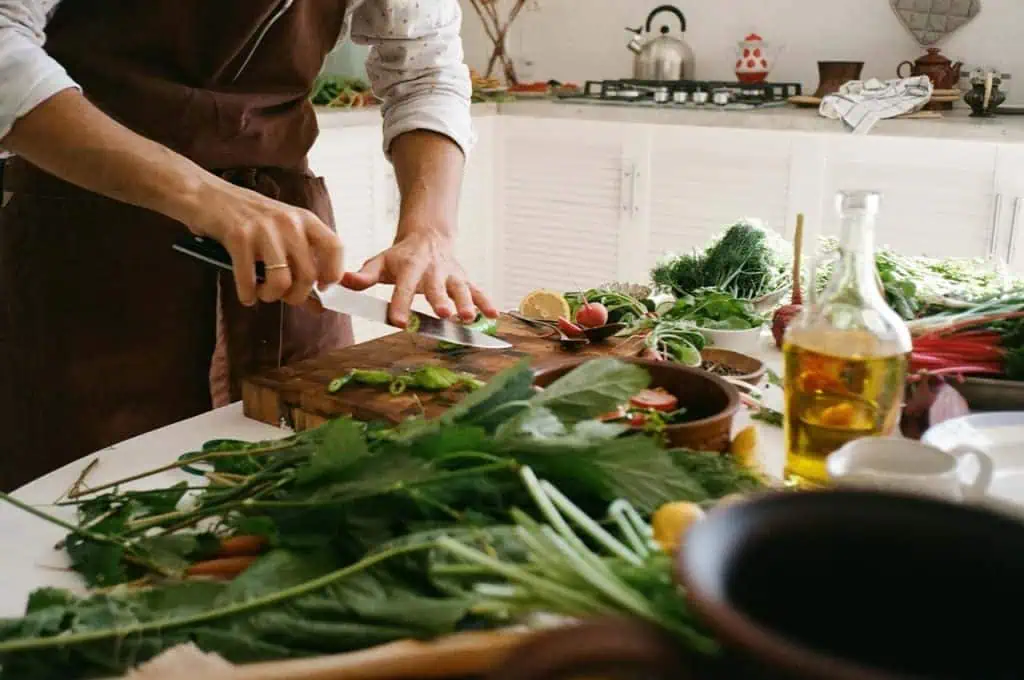
Mastering knife skills reduces prep time and enhances dish presentation. Focus on gripping the knife properly by pinching the blade between your thumb and index finger, wrapping the remaining fingers around the handle. Practice uniform cuts like julienne, dice, and chiffonade to ensure even cooking. Keep knives sharp, using a honing steel regularly and a whetstone as needed. Proper technique increases confidence and efficiency in the kitchen, making your culinary endeavors more enjoyable.
Sear First: Lock in Flavor

Searing meat at high temperatures develops a flavorful crust through the Maillard reaction, locking in juices before finishing it in the oven or on a lower heat. Pat the meat dry, season well, and use a preheated pan with a high smoke point oil. Allow the meat to develop a golden crust without moving it for several minutes. Finish cooking to your desired doneness, either in the oven or by reducing the stovetop heat. This technique promises rich flavors and tender results, elevating your dish.


