
8 Grocery Brands That Changed Their Recipes (and Sparked Backlash)

Recipe changes can turn everyday favorites into sources of outrage. In recent years, several major grocery brands have quietly reformulated products to cut costs, meet new nutrition goals, or simplify ingredients. But consumers quickly picked up on differences in flavor, texture, and quality. Here are eight brands whose recipe tweaks triggered strong reactions from devoted fans.
Coca-Cola’s “New Coke” Legacy Returns
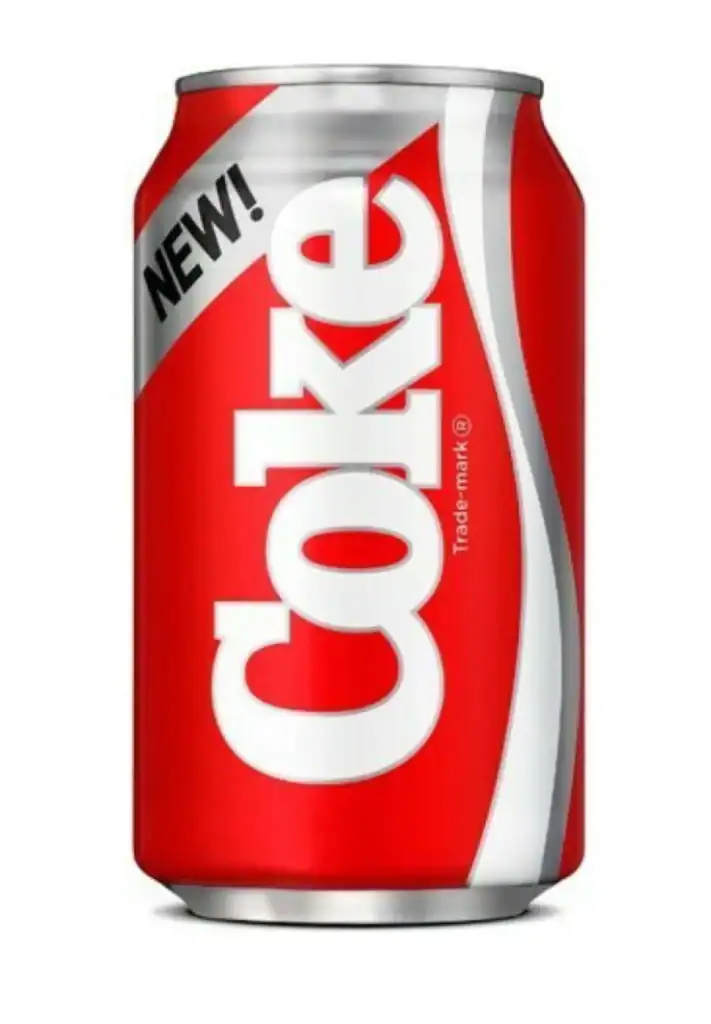
Decades after the infamous 1985 fiasco, Coke again experimented with subtle formula adjustments to align with sugar-reduction trends. Even minor changes to sweetness stirred debate on social media, reminding consumers that some flavors are too iconic to modify no matter the reason behind the reformulation.
Tropicana Orange Juice’s Less-Sweet Shift

Tropicana reduced added sugars and adjusted pulp ratios to meet cleaner-label goals. While nutrition experts approved, many longtime drinkers said the new version tasted thin or slightly sour. The backlash showed how even small tweaks in natural fruit balance can drastically alter morning routines.
Campbell’s Condensed Soups Get a Makeover
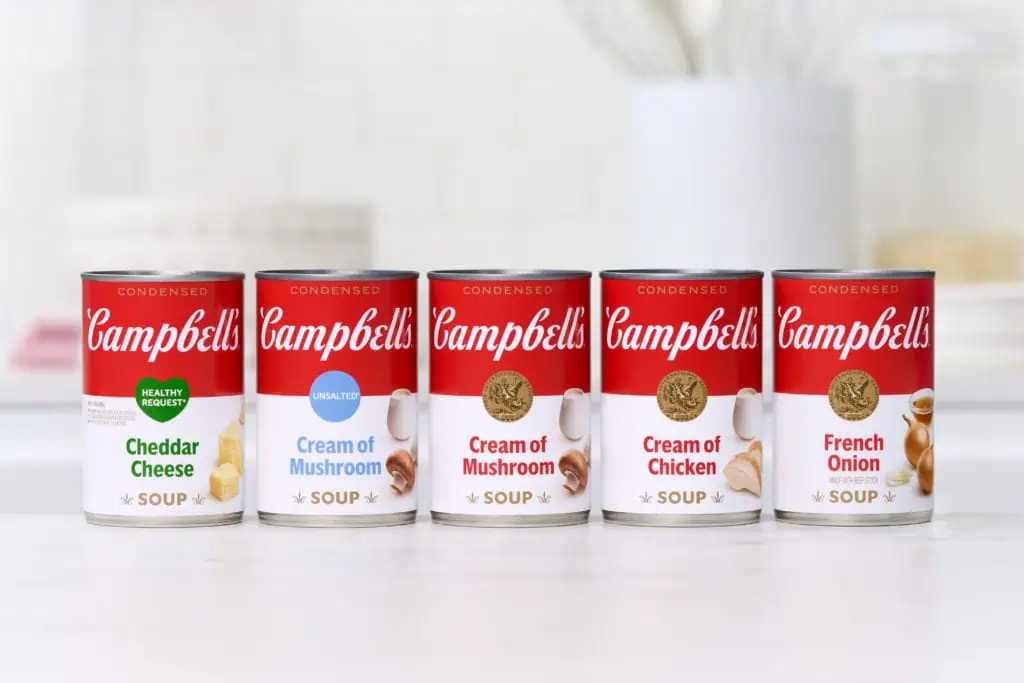
To modernize its image, Campbell’s cut sodium and removed some preservatives from its classic condensed soups. The company touted health benefits, but customers noticed a lighter taste and thinner consistency. For many, the nostalgic flavor that defined childhood comfort food seemed lost in translation.
Oreos and the Filling Controversy
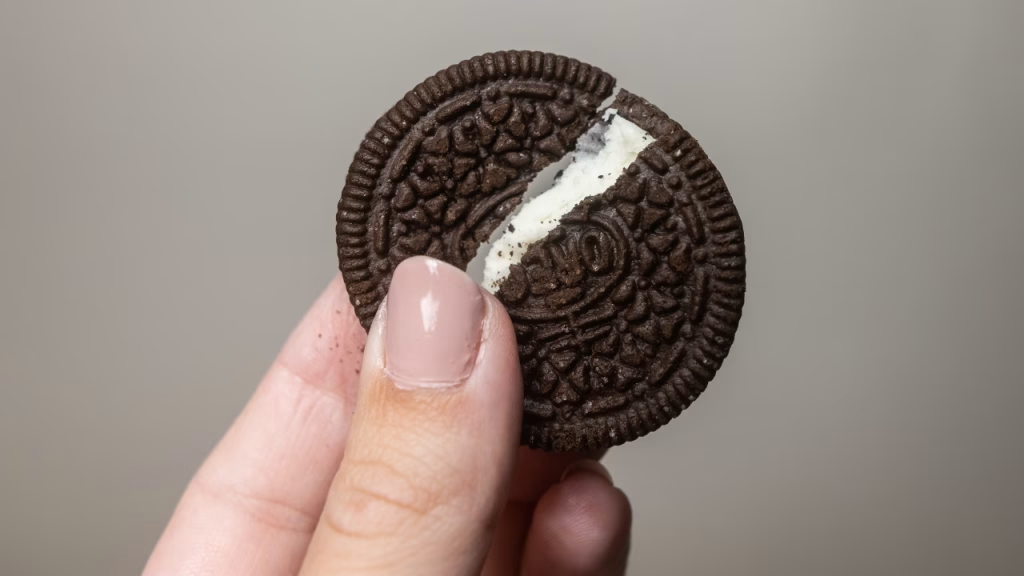
Fans swear Oreo cream isn’t what it used to be. Nabisco reformulated the filling for smoother production and shelf stability, but critics argue it tastes less rich. Online forums filled with side-by-side taste tests prove that even tiny changes to a cookie’s center can spark passionate debate.
Hellmann’s Mayonnaise Goes Greener
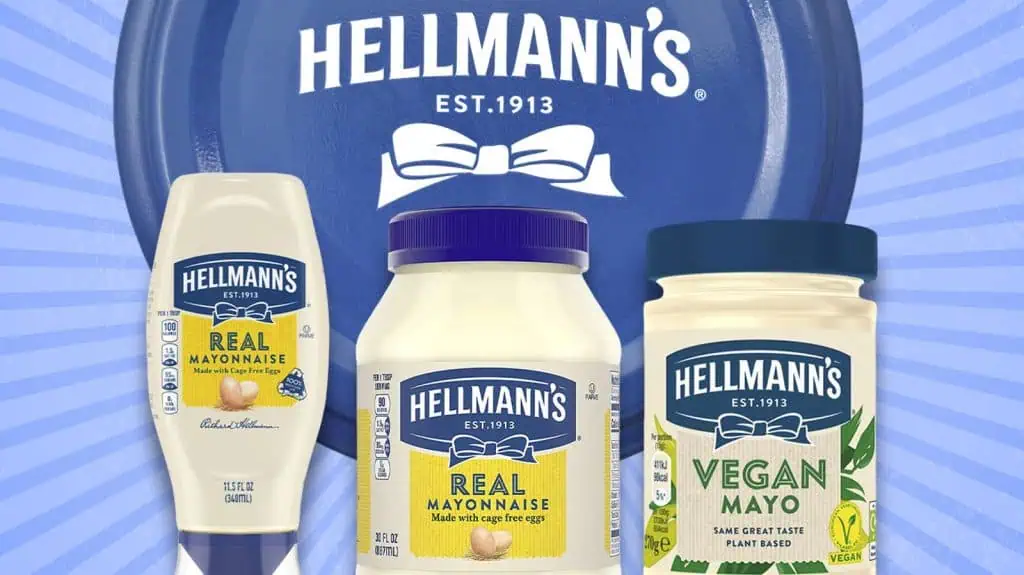
Hellmann’s introduced recipe updates to use cage-free eggs and sustainable oils, aligning with eco-friendly sourcing. While many supported the mission, some noticed a thinner texture and tangier flavor. The reformulation highlighted the challenge of balancing ethics with the familiar richness people expect.
Cheez-It’s Flavor Formula Tweaks

Kellogg’s adjusted Cheez-It ingredients to include different cheese blends and reduced artificial coloring. Snackers quickly noticed the crackers were less sharp and more bland. Loyal fans voiced frustration online, proving that bold, salty nostalgia often outweighs subtle “better-for-you” improvements.
Jif Peanut Butter’s Smooth Reformulation
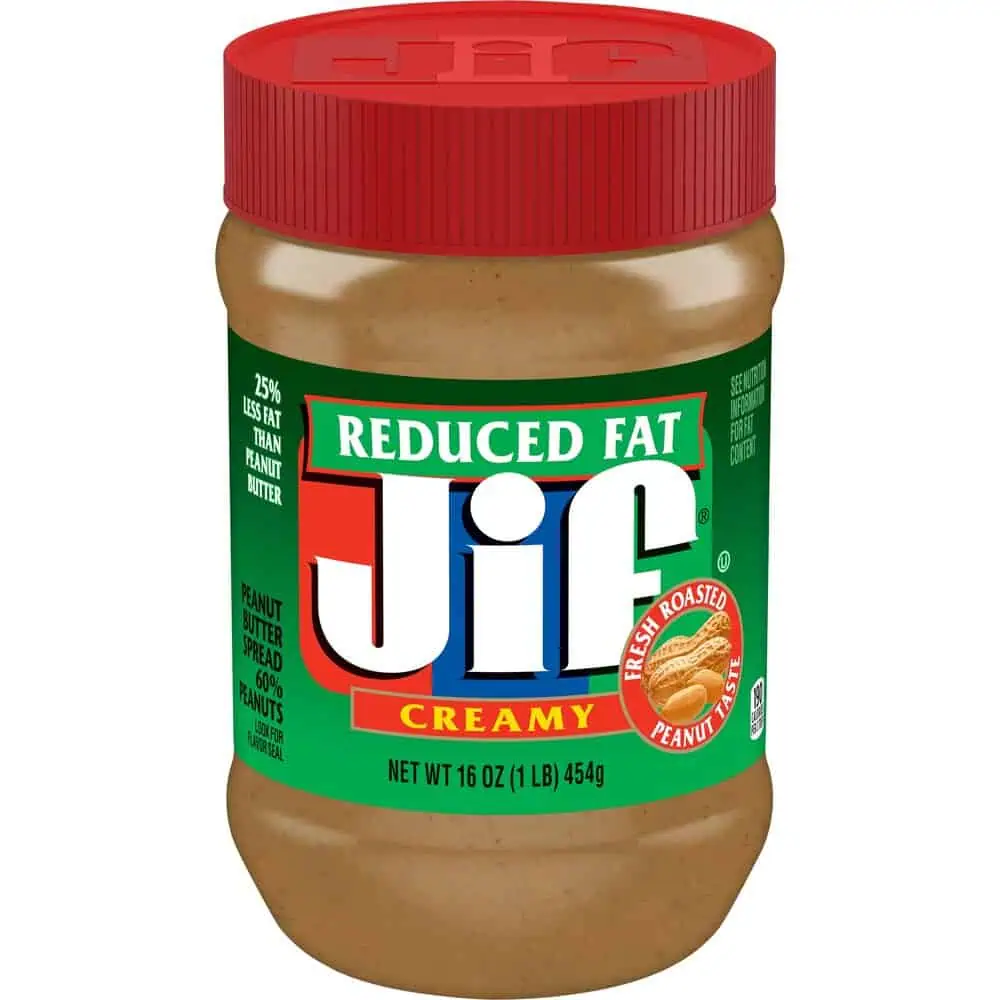
When Jif modified its oil blend for smoother spreading and longer shelf life, texture fans pushed back. Many claimed the new version felt oily and less nutty. J.M. Smucker Co. defended the update as efficiency-driven, but brand loyalty for peanut butter runs deep and hard to please.
Ben & Jerry’s Texture Transformation

To meet sustainability goals, Ben & Jerry’s replaced certain dairy sources and stabilizers in select flavors. The result was a softer texture that melted faster, prompting fan complaints. Though the brand remains a symbol of social responsibility, dessert lovers reminded it that texture is part of taste.


