
6 ‘Healthy’ Foods That May Cause Constipation

In the pursuit of a healthy lifestyle, certain foods are often chosen for their nutritional benefits. However, some “healthy” options may unexpectedly lead to constipation. Understanding the ingredients and preparation methods that contribute to digestive health is crucial for making informed dietary choices. Let’s explore six foods that, despite their healthy label, can sometimes hinder smooth digestion.
Protein Bars: Fiber Overload Risk

Protein bars are adept at providing quick nourishment, loaded with protein and often marketed as health boosters. Yet, the combination of excessive fiber and low water content can lead to constipation. Consuming more than 70 grams of fiber per day without adequate fluid intake can harden stools and contribute to constipation. When choosing a protein bar, scrutinize the fiber content. Opt for varieties that strike a balance between fiber and moisture. Consider pairing them with a glass of water to aid digestion and prevent potential discomfort.
Cereals: Sugars That Sneak In

While cereals are convenient and often fortified with vitamins, many contain high levels of added sugars, inhibiting digestion. Diets high in added sugars (more than 50 grams daily) may reduce stool water content, slowing bowel movements. This sugar can dry out the stool, leading to constipation. When selecting cereals, look for whole grains with minimal sugar content. Enhancing cereals with fresh fruits can elevate fiber levels and moisture, enhancing the digestive process and maintaining regularity.
Dried Fruits: Sugar Concentration Trap
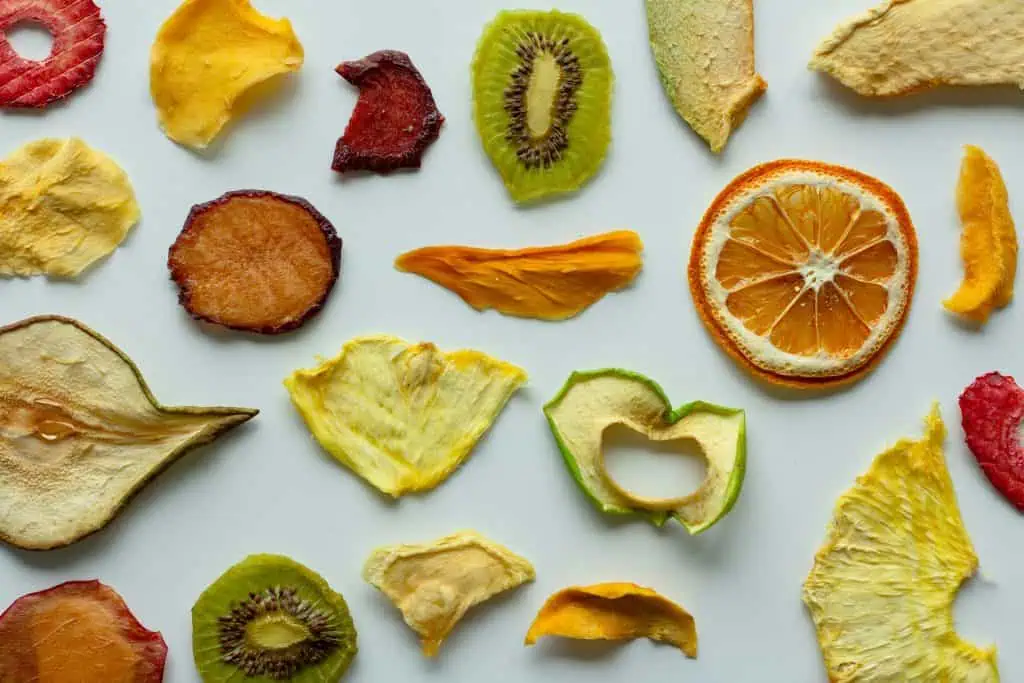
Dried fruits, despite their nutritious reputation, are densely concentrated with natural sugars and lack the water content found in their fresh counterparts. Excessive intake of fructose from dried fruits can overwhelm absorption in the gut, leading to bloating, gas, and constipation. This can contribute to hard stools and digestive slowdowns. To reduce this risk, incorporate dried fruits in moderation and accompany them with sufficient fluid intake. Integrating them into yogurt or soaking them in water can aid digestion and restore balance.
Refined Grains: Fiber Stripped Away
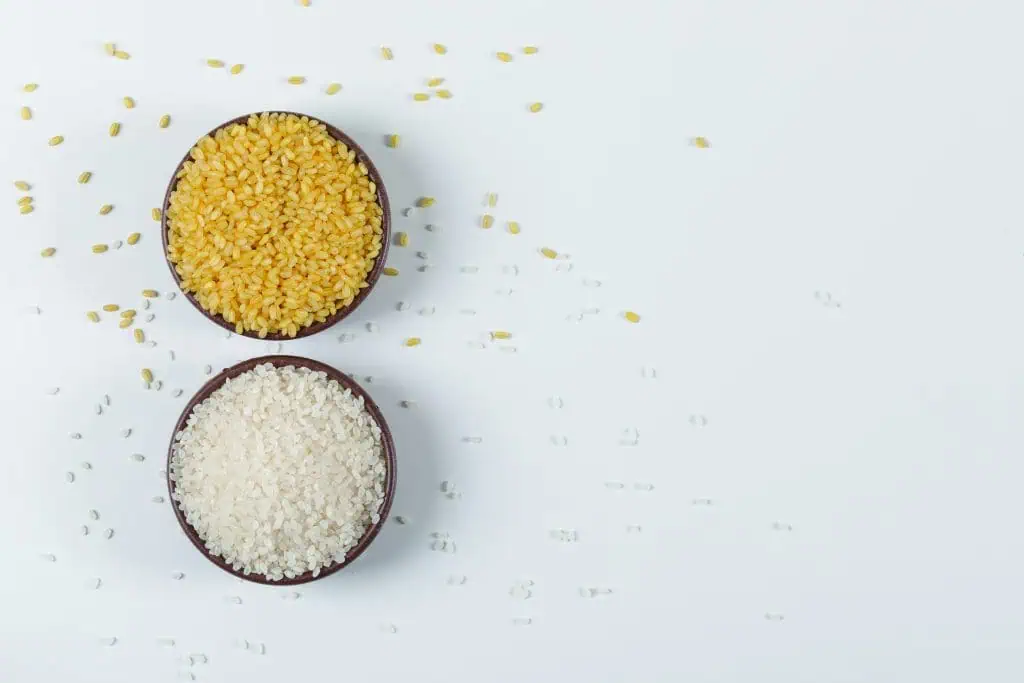
Refined grains, extensively processed to improve texture and shelf life, lose much of their fiber content, a crucial element for regular bowel movements. Americans consume on average 10–15 grams of fiber daily, well below the FDA’s recommended 25–38 grams, which increases constipation risk. Regularly consuming refined grain products like white bread or pasta might lead to constipation due to the scarcity of dietary fiber. Replacing refined grains with whole grain alternatives can significantly boost fiber intake, supporting digestive health and preventing constipation.
Cheese: High Fat, Low Fiber

Cheese, while delicious, is a common culprit in causing constipation due to its high fat and low fiber content. The fats in cheese can slow down the digestive process. High-fat diets delay gastric emptying and intestinal transit time, both of which can cause constipation. To mitigate this, opt for smaller portions and balance cheese with fiber-rich foods like whole grain crackers or a vibrant salad. Incorporating leafy greens or a few slices of apple can enhance digestion and provide a refreshing contrast to cheese’s creamy texture. Remember to stay hydrated, as water promotes better digestion and can help counteract any slowing effects of dietary fats.
Red Meat: Digestion Delays
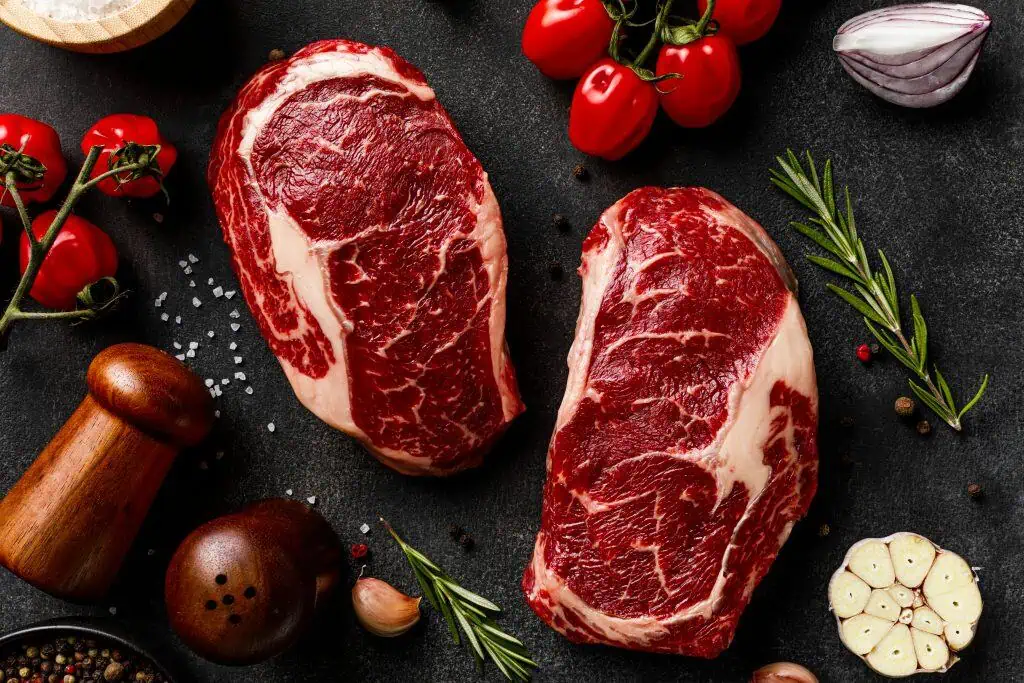
Red meat is known for its richness and satisfying flavor but can be a hindrance to smooth digestion. High in protein and kind of dense, red meat often lacks the fiber needed to aid regular movements. Excessive consumption of red meat contributes to constipation because it contains no fiber and requires more digestive effort compared to plant-based foods. Choose lean cuts and balance your plate with fiber-dense vegetables like broccoli or carrots. Cooking methods such as grilling or slow-roasting can break down the meat slightly, making it easier to digest. Add a sprinkle of lemon juice or a dash of vinegar to tenderize the meat and stimulate digestive enzymes, helping your body process the meal efficiently.


