
14 grocery store habits boomers swear by (but nobody follows anymore)

Boomers grew up with grocery store habits that made shopping feel like a well-planned weekly ritual, but many of those traditions have quietly faded away. From clipping paper coupons to treating the butcher like a trusted advisor, these once-common practices rarely show up in modern supermarkets. Here are the classic habits boomers still swear by, even if most shoppers today barely know they existed.
Clipping Paper Coupons Like a Pro

Mastering the art of coupon clipping requires precision and a keen eye for savings. Begin by meticulously scanning weekly circulars and organizing coupons by category. Pay attention to expiration dates and align them with current sales to maximize discounts. A dedicated file folder will safeguard your hard-earned deals, ensuring quick access during shopping trips. For best results, combine paper coupons with store loyalty programs, unlocking a synergy of savings rarely tapped into today.
The Art of Handwritten Shopping Lists

Crafting a handwritten shopping list involves a mindful approach to meal planning and inventory management. Start by taking stock of your pantry, then segment your list by store aisle, which minimizes time spent wandering. Use the list to guide recipe choices, focusing on versatile ingredients that complement multiple meals. This practice not only reduces food waste but also enhances shopping efficiency. Written lists foster a tactile connection to your shopping experience, a discipline that sharpens your culinary focus.
Decoding the Unit Price Mystery

Understanding unit prices can transform your buying habits. Examine the labels beneath products, often small, these figures reveal the cost per ounce, pound, or liter. Recognizing the true value of bulk versus single-unit purchases allows for informed decisions. Some smaller items might seem cheaper, but their unit price may surprise you. This skill is invaluable when comparing brands or sizes. Mastery of unit pricing ensures you're getting the best deal, a financial acumen that often goes ignored.
The One-Trip-A-Week Strategy

Adopting a one-trip-a-week strategy optimizes both time and resources. Begin with a comprehensive meal plan to eliminate unnecessary purchases. Ensure your list covers all essentials, from fresh produce to pantry staples. Planning for a single trip encourages thoughtful selection and reduces impulse buys. This approach fosters creativity, as you'll learn to adapt recipes based on available ingredients. Remember to store perishables properly to maintain freshness throughout the week.
Mastering Checkout with Exact Change

Approaching checkout with exact change is a skill rooted in precision and attentiveness. Calculate your total as you shop, rounding prices to simplify math. Familiarize yourself with common tax rates to anticipate the final amount. Organize coins and bills in advance to streamline the payment process. Mastery of this habit not only speeds up your transaction but also hones your mental arithmetic, an exercise in financial discipline that few prioritize in the digital age.
Calculators: The Unsung Grocery Hero

Generations past often wielded pocket calculators when navigating grocery aisles, a practical tool for sticking to a budget. Accuracy in tallying purchases not only ensured financial discipline but also minimized surprises at the checkout. While modern grocery apps serve similar purposes, the simplicity of a handheld calculator is unmatched for straightforward number crunching. This habit underscored a mindful approach to spending, demonstrating that careful calculations can translate into significant savings over time.
Store-Hopping for Savvy Savings

The art of store-hopping allowed careful shoppers to maximize savings by purchasing items at different grocery stores based on sales and discounts. Shoppers often carried circulars and compared prices, ensuring they capitalized on the best deals available. This method required organization and diligence but rewarded with a fuller cart for less money. Today, this habit is simplified with technology-assisted comparison shopping, yet the principle of informed selection remains vital to saving.
Produce Inspection: A Single-Piece Affair

Experienced shoppers committed to inspecting each piece of produce meticulously. This practice prevented waste and ensured quality, with a careful eye on texture, ripeness, and any indication of deterioration. Handling produce with care not only extends shelf life at home but guarantees that meals begin with the best ingredients. While time-consuming, this attention to detail reflects a deep respect for food quality and contributes to both culinary and nutritional success.
Budget Wins with Store Brands

Selecting store brands over national labels has long been a strategy for saving money without sacrificing quality. Often produced by the same factories, these products offer comparable taste and performance at a fraction of the cost. Savvy shoppers knew that store brands meant stretching budgets further, allowing for a more diverse shopping basket. Embracing this choice supports a nuanced understanding of value and product equivalency across brands.
Paper Bags: A Second Life
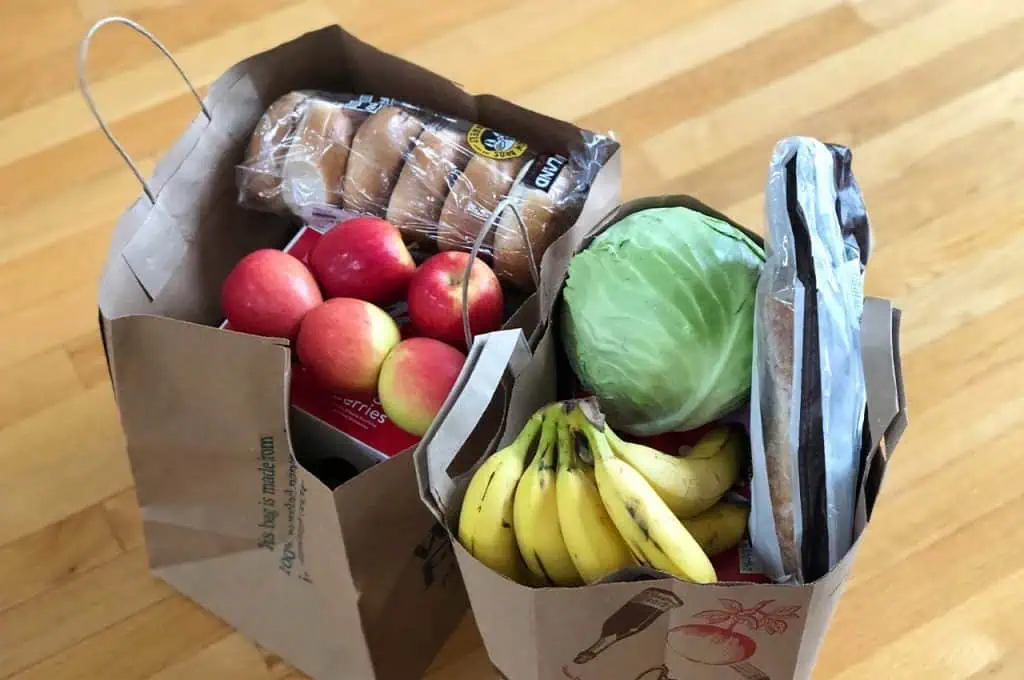
Paper bags were once routinely repurposed in creative and sustainable ways. From covering schoolbooks to lining trash bins, these bags offered numerous secondary uses that minimized waste. They could also serve as wrapping paper or be used for arts and crafts. This practice encouraged resourcefulness and environmental consciousness. While reusable bags are now the norm, the mindset behind reusing paper bags continues to inspire eco-friendly living.
The Premium Pre-Cut Produce Protest

Boomers often bypass pre-cut produce, opting instead for fresh, whole fruits and vegetables. While pre-cut options offer convenience, whole produce retains more nutrients and is typically more cost-effective. Investing time in cutting your own vegetables can greatly enhance flavor and texture in dishes, as fresher ingredients tend to cook more evenly and maintain their shape better in salads and sautés. Prioritizing whole produce also reduces waste from packaging, making it an eco-friendly choice.
Meat Deals: The Morning Markdown Rush

Boomers know that the early bird gets the worm, or in this case, the best deals on meat. Many grocery stores mark down meats in the morning to sell them before their sell-by dates. Showing up early can yield significant savings on high-quality cuts. Once back home, properly store your meats by dividing portions and using airtight containers or freezer bags to preserve freshness. This habit can be especially beneficial for those who enjoy experimenting with different cooking techniques like slow roasting or grilling.
Price Check via a Simple Phone Call

Before stepping into a store, boomers often utilize a practical approach: calling ahead to confirm prices, especially for bulk items or higher-cost ingredients. This ensures sticking to a budget and avoiding any unexpected expenses at checkout. While many now rely on apps for price comparison, a quick call can sometimes offer real-time clarity on inventory and promotions not displayed online. Such diligence pays off when managing larger grocery lists for meal prep or entertaining.
Self-Checkout: A Refusal to Conform

Some boomers prefer traditional cashier services, valuing the human interaction and assistance. Self-checkout can be efficient, but errors like incorrect scanning can lead to delays. Cashier lines offer a personal touch and often a quicker resolution for any discrepancies or inquiries, especially if handling complex transactions like refunds or multiple discounts. Emphasizing interaction at checkout fosters a connection with store staff, which can sometimes lead to beneficial insights on upcoming sales or stocking patterns.


