
17 Foods Invented by Accident—And How They Became Household Favorites

Numerous beloved foods emerged from unexpected circumstances, transforming culinary landscapes with their serendipitous origins. Home cooks often embrace these classics, not just for their flavors but for the stories they carry. This guide highlights 17 accidental culinary creations, emphasizing effective techniques and key ingredients that can enhance your kitchen endeavors. By understanding how these dishes came to be, you'll not only gain appreciation for their flavors but also the confidence to recreate or innovate them in your own cooking. Let's explore these intriguing stories.
Chocolate Chip Cookies: A Happy Mistake

Chocolate chip cookies owe their existence to a fortuitous error. Ruth Wakefield intended to bake a batch of traditional cookies but ran out of baker's chocolate. Instead, she used a semi-sweet chocolate bar, expecting it to melt. The chocolate held its shape, resulting in soft, gooey morsels mixed in with the dough. For optimal results, use room-temperature butter to ensure even mixing and a combination of granulated and brown sugar for a balanced flavor and texture. Bake at 350°F for a perfect golden-brown finish, keeping an eye on the time for desirable softness.
Pasta: Origin Stories and Accidental Creation
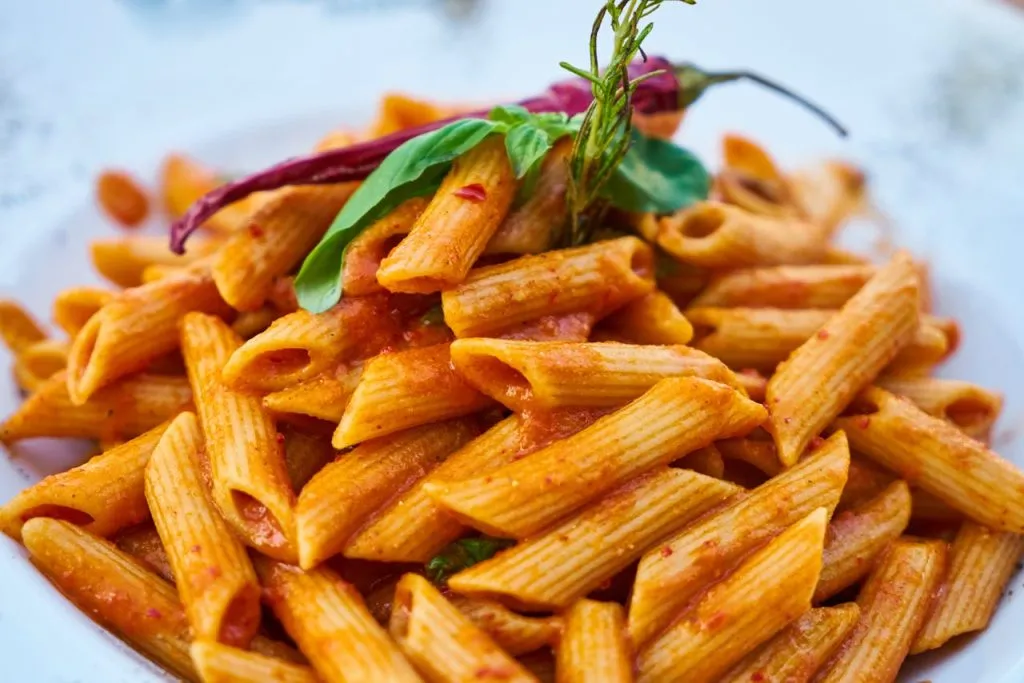
While the precise origins of pasta remain somewhat nebulous, many believe it was initially developed accidentally by ancient cultures experimenting with grain and water mixtures. Today, the art of making fresh pasta can elevate any dish. Use '00' flour for a more refined texture and finely mill semolina for flavor. When rolling out the dough, aim for thin sheets and use your favorite shapes. Cooking time varies by thickness but generally ranges from 2 to 4 minutes for fresh pasta. Pair with simple sauces to showcase the pasta's texture and absorbency, enhancing the overall dining experience.
Potato Chips: Crispy Culinary Accident
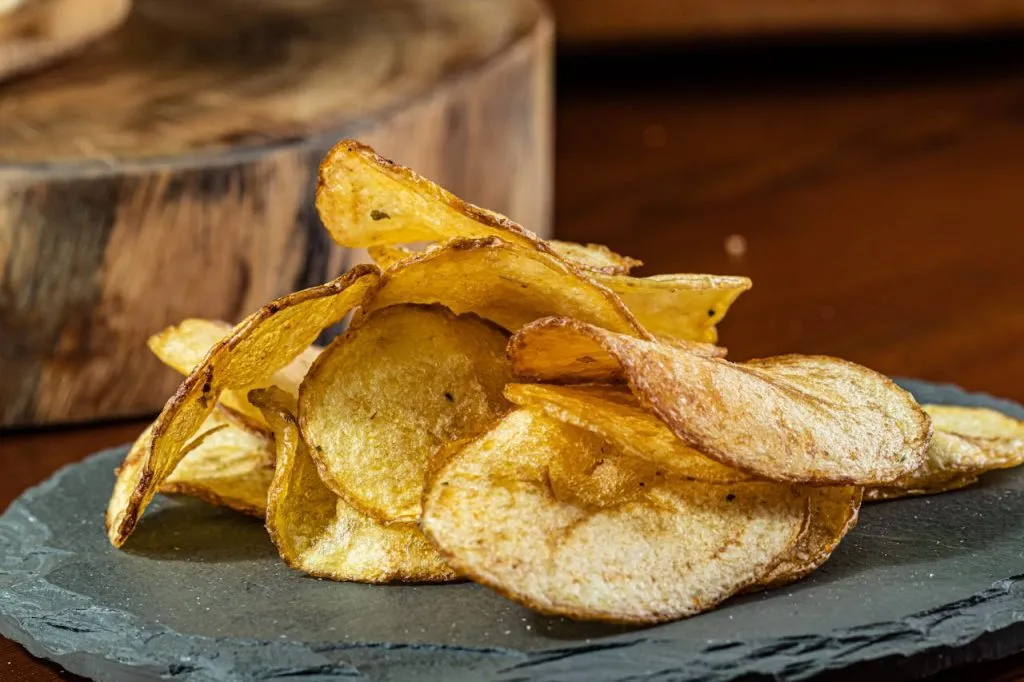
The creation of potato chips is attributed to a frustrated chef named George Crum, who sought to appease an irked diner by slicing potatoes paper-thin and frying them until crisp. The key to achieving the signature crunch is to cut the potatoes uniformly, using a mandoline for consistent thickness. Rinse the sliced potatoes to remove excess starch, which helps achieve crispiness. Fry in hot oil at 350°F, and season immediately while they are still warm for best flavor adhesion. Experiment with various seasonings, from sea salt to paprika, to elevate this timeless snack.
Ice Cream Cones: From Wafer to Delight

The ice cream cone evolved when a vendor ran out of dishes at a fair and borrowed waffle products from a neighboring stand. The result was a crisp, edible vessel for ice cream, readily embraced by enthusiasts. To create your own cones, prepare a thin batter using flour, sugar, and eggs, and cook it in a waffle iron. Roll the warm waffle into a cone shape before it cools; this ensures the cone holds its form. Opt for homemade ice cream to fill these cones—its creaminess will pair beautifully with the crunch, making for a delightful treat that's perfectly portable.
Corn Flakes: The Breakfast Blunder
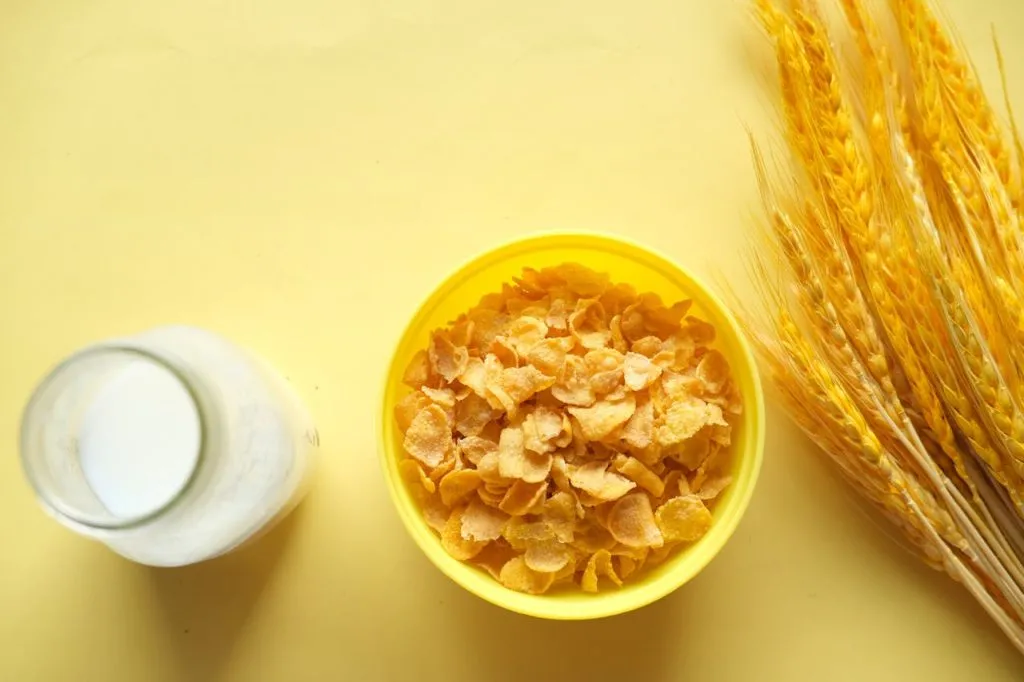
Corn flakes were the result of a simple mistake by the Kellogg brothers, who left cooked wheat out and instead created the flaked corn we enjoy today. To replicate this breakfast staple, start by toasting a mix of cornmeal and a little sugar in your oven until golden. Add a pinch of salt to enhance the flavor. Allow the flakes to cool completely for the perfect crunchy texture. Serve with milk, or use them in recipes like granola for added texture. This discovery reflects the importance of patience; letting the flakes cool improves both crunch and flavor.
Worcestershire Sauce: A Saucy Surprise
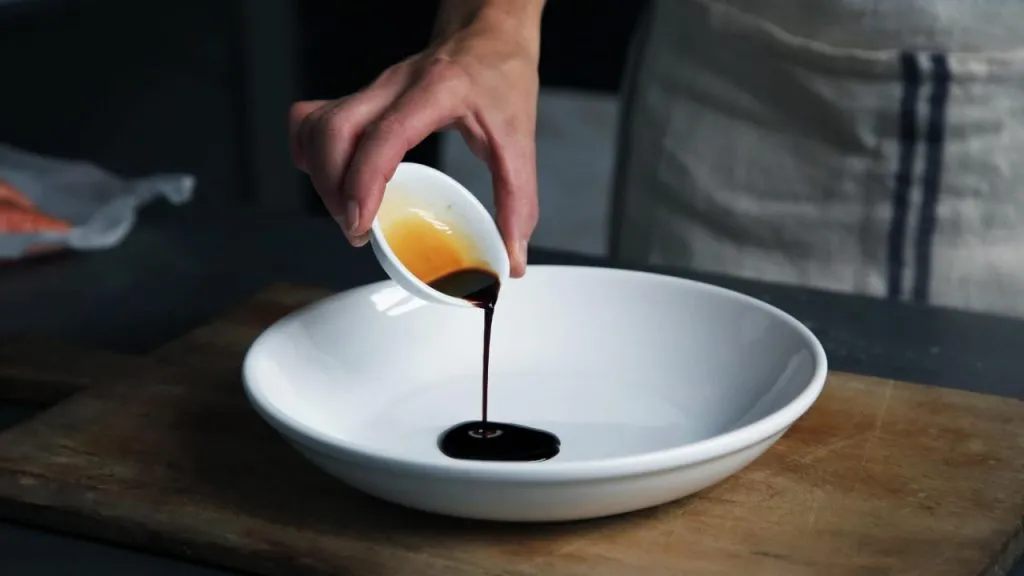
Worcestershire sauce emerged from a failed attempt to create a tonic by two chemists in the 19th century. The blend of anchovies, vinegar, molasses, and spices resulted in a complex flavor profile that enhances many dishes. For an easy homemade version, combine 1/2 cup red wine vinegar with 1/4 cup soy sauce, and add minced garlic, a dash of mustard, and a pinch of sugar. Let it sit for a week before using. This sauce adds depth to marinades, stews, and stir-fries, showcasing how unexpected combinations can evolve into essential kitchen staples.
S'mores: Campfire Magic Gone Right

S'mores originated from a happy accident while camping, where chocolate, marshmallows, and graham crackers came together around a fire. To make perfect s'mores, choose high-quality chocolate for rich flavor, using thick, roasty marshmallows for a gooey inside. Toast the marshmallows evenly until they caramelize. Construct your s'more by sandwiching the melted marshmallow and chocolate between two graham crackers. This balance of crunchy and gooey is vital; slight variations in toasting time can yield different textures that enhance enjoyment.
Accidental Tacos: The Birth of a Classic
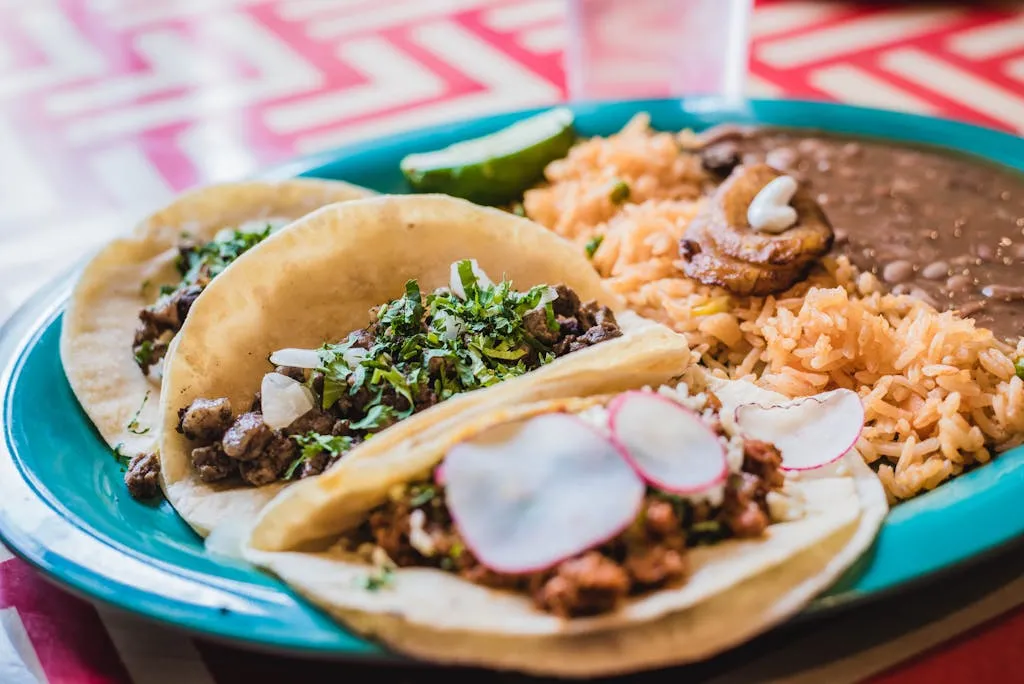
The taco as we know it was born from a happy mishap when cooks used leftovers in pliable tortillas. To create your version, choose fresh, warm corn tortillas to maintain flexibility and enhance flavor. Fill them with a mixture of braised meats, grilled vegetables, or beans, and top with a fresh salsa for brightness. The key here is balance; combine savory, spicy, and tangy elements for depth. This culinary innovation is a reminder that creativity can lead to delightful outcomes with simple ingredients, making it a staple for family dinners.
Cereal: Crunching Up the Unexpected
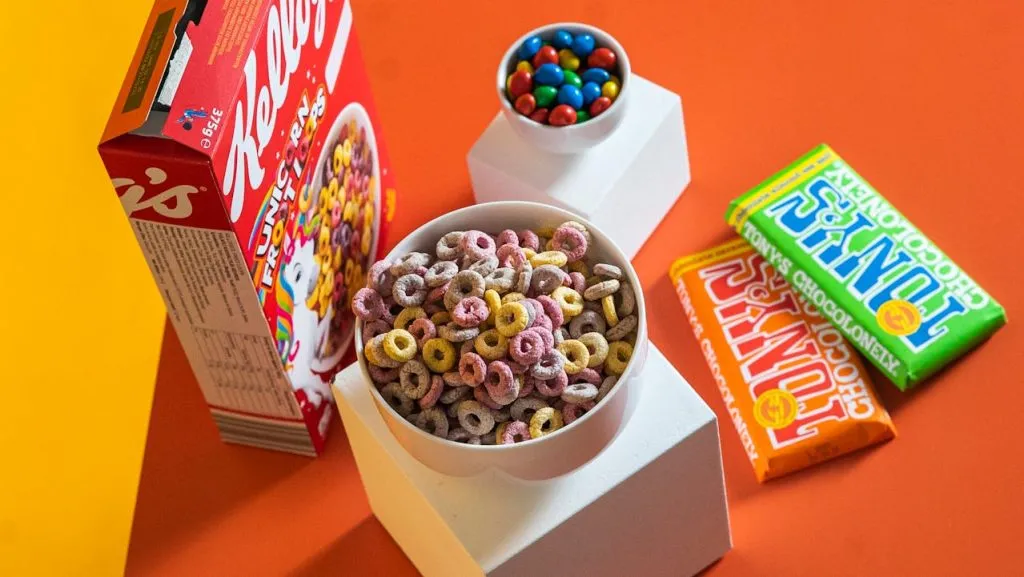
Cereal has roots in an unintentional fermentation of grains that became a breakfast staple. To create a delicious blend at home, combine rolled oats, nuts, and dried fruit. Toast the mixture in the oven with a drizzle of honey or maple syrup to achieve a fragrant crunch. Bake until golden, stirring occasionally for even browning. This process highlights how toasting enhances flavor and texture, making your cereal not just a breakfast item, but also a snack or yogurt topping, reflecting the potential hidden in simple grains.
Buffalo Wings: Spicy Serenity in Mistakes

Buffalo wings emerged from a simple kitchen mix-up that transformed an ordinary night into culinary history. In 1964, in Buffalo, New York, the owners of the Anchor Bar tossed leftover chicken wings in a hot sauce and served them with celery and blue cheese. The resulting flavor—spicy and rich—coupled with the crispy exterior, quickly gained popularity. To achieve that ideal crispiness, frying the wings at a consistent temperature (around 375°F) is essential. Tossing them in a mix of butter and hot sauce post-fry ensures a perfect glaze without losing their crunch.
Ketchup: The Saucy Surprise of Ingredients
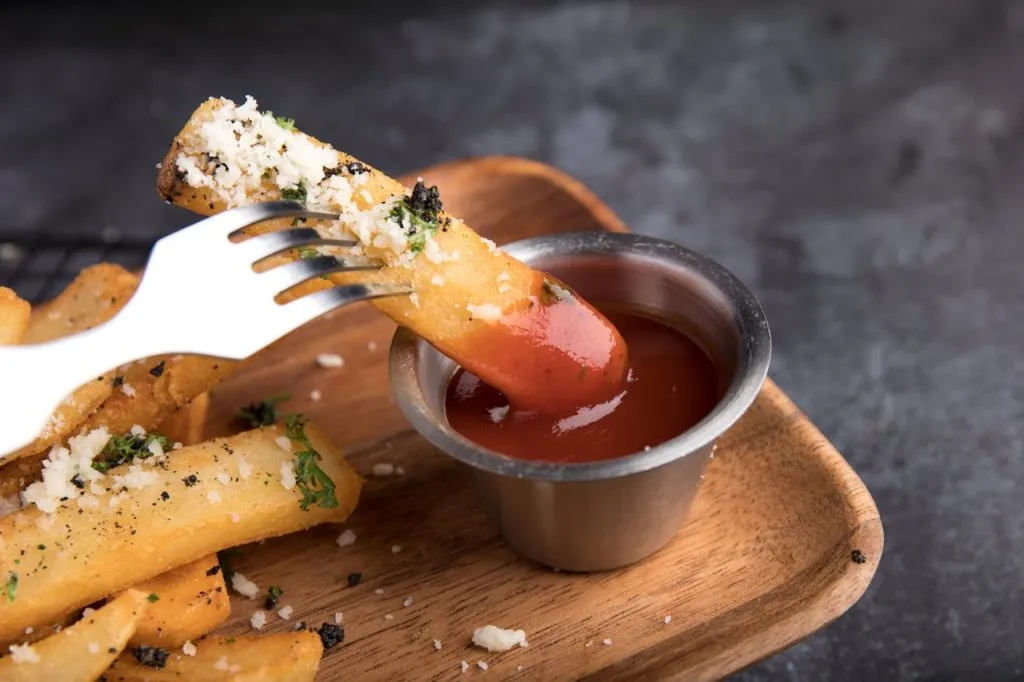
Ketchup, often seen as a ubiquitous condiment, originated from a fermented fish sauce in Southeast Asia. Its evolution includes a notable transition to a tomato base in the 19th century. This unexpected metamorphosis not only improved its flavor profile but also contributed to its widespread appeal. To make homemade ketchup, start with ripe tomatoes, simmer with vinegar, onions, and spices until thickened. This method allows for control over the sweetness and acidity, creating a custom condiment that complements burgers and fries with vibrant flavor.
Fried Chicken: A Southern Cooking Faux Pas
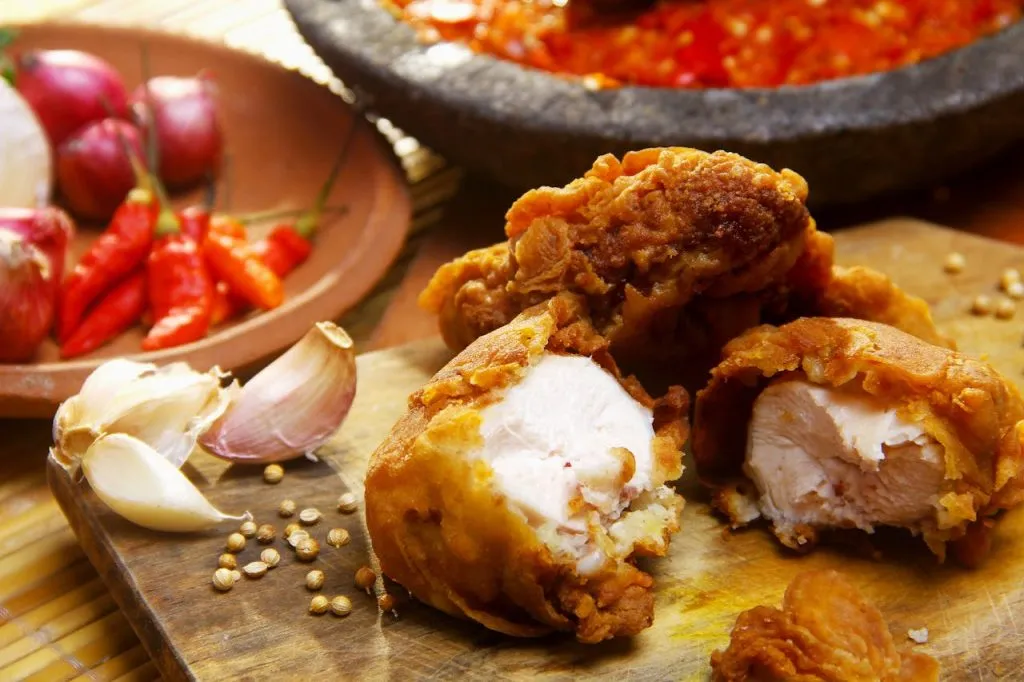
Fried chicken, an iconic dish in Southern cuisine, was born from necessity rather than intention. Early cooks, often left to their own devices, used a mixture of fats to maximize flavor and crispiness. The key to achieving that sought-after crust lies in a well-seasoned flour mixture and proper frying technique. Soak the chicken in buttermilk for at least a few hours before dredging; this not only tenderizes but also enhances flavor. Frying in a cast iron skillet maintains an even heat, yielding a golden-brown exterior that's crisp and savory on the outside.
Kettle Corn: Sweet Meets Salty by Chance

Kettle corn arose as a delightful byproduct of popcorn sales at fairs and festivals. Vendors needed a way to sell stale corn, and by adding sugar to the popping process, they created a balanced treat that combines sweet and salty flavors. For homemade kettle corn, start with high-heat oil and granulated sugar in a large pot. Gently shake the pot to prevent burning and ensure an even coat on the popped kernels. The result is a crunchy snack with a glossy finish, perfect for gatherings or movie nights at home.
Soda: Effervescent Beverage Experimentation

The invention of soda is linked to early medicinal concoctions, with carbonated water often mistaken for a health tonic. In the late 18th century, Joseph Priestley discovered a method to infuse water with carbon dioxide, leading to refreshing drinks. To replicate the fizziness at home, mix carbonated water with flavored syrups or fruit juices. Experiment with combinations like ginger and lime for a zesty profile. Infusing fresh herbs such as mint or basil during the carbonation process can elevate your homemade sodas, creating effervescent delights with intriguing layers of flavor.
Barbecue: Smoky Innovations in Cooking

Barbecue is a culinary art that emerged from a blend of necessity and creativity. Initially a method for preserving meat, it evolved into a technique highlighting smoky flavors achieved through low and slow cooking. Essential to mastering barbecue is the quality of wood; hickory and mesquite provide distinct tastes that enhance the overall experience. Temperature control is crucial—maintaining a consistent heat prevents drying out and ensures even cooking. Experimenting with rubs and marinades can elevate the flavor profile further, allowing for personal touches that turn a simple meal into a memorable feast.
Yogurt: A Tangy Accident Turned Staple
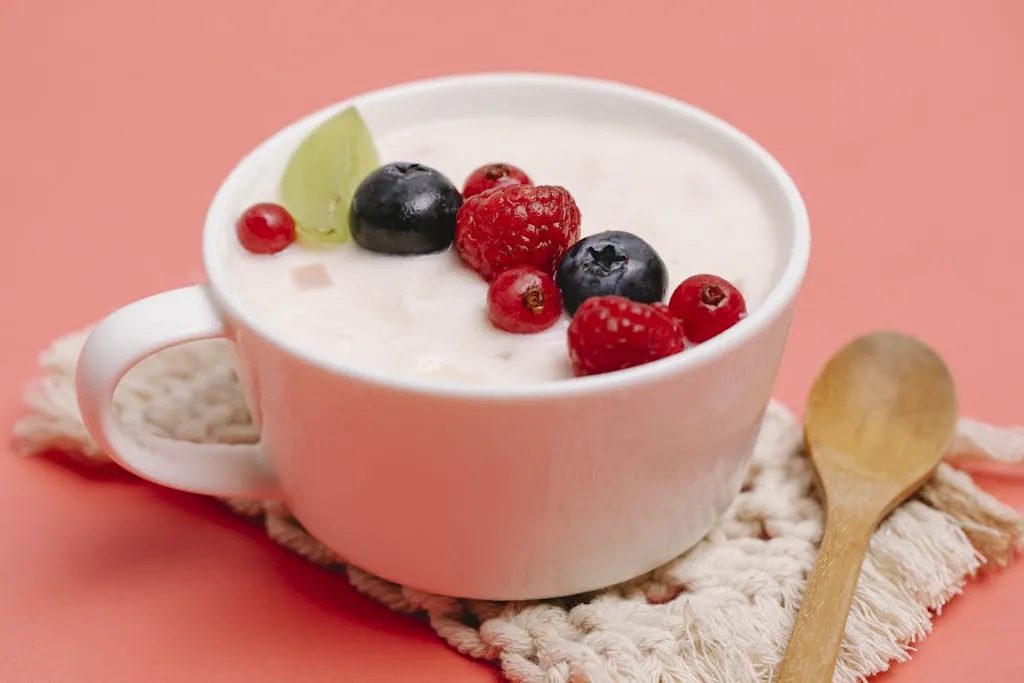
Yogurt's creation likely stemmed from a fortunate accident involving milk stored in animal-skin containers. Natural bacteria caused the milk to ferment, resulting in the tangy, creamy food we now enjoy worldwide. For homemade yogurt, heat whole milk to 180°F, then cool to 110°F before adding a few tablespoons of active culture. Incubate for 6–8 hours in a warm environment for optimal thickness and flavor. Strain the final product for Greek-style yogurt, or mix in fruit and honey for a sweet, nutritious snack.
Peanut Butter: A Smooth Solution to a Chewy Problem
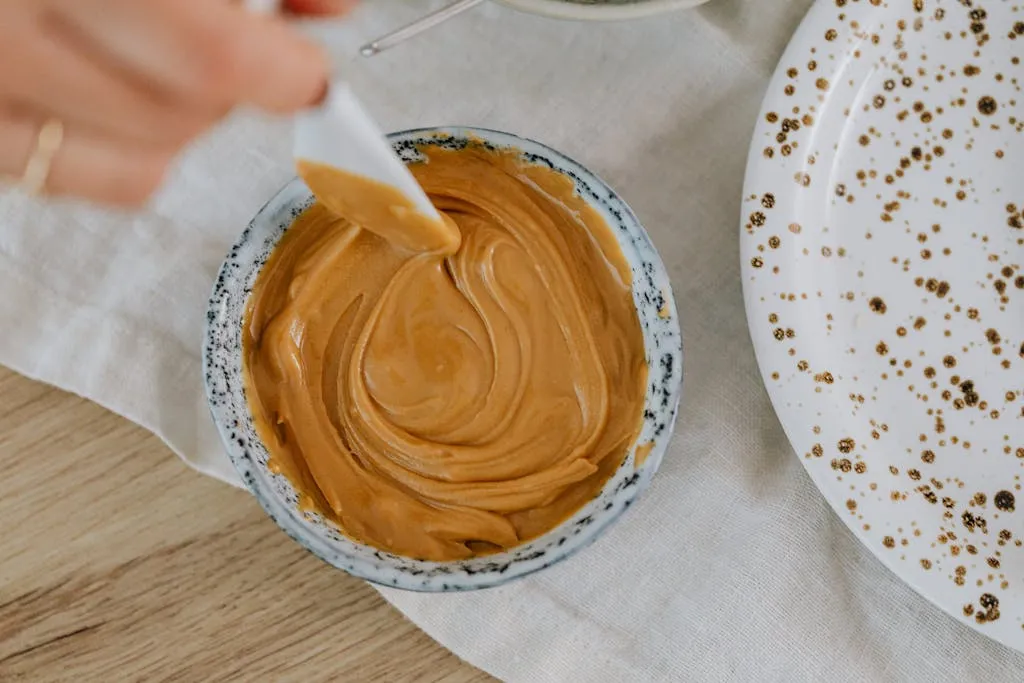
Peanut butter was first created as a protein-rich alternative for those who couldn’t chew solid meats, especially the elderly. Ground roasted peanuts formed a creamy paste that quickly became a pantry staple. For best results at home, roast unsalted peanuts until golden, then blend with a bit of oil and a pinch of salt until smooth. For chunky style, reserve a handful of crushed peanuts and mix in later. Store in a sealed jar and stir occasionally if oil separates—no additives needed for a wholesome spread.


