
5 Ingredients in Your Kid’s Cereal That Are Illegal in Dozens of Countries

Cereals designed for children often contain ingredients banned in several countries due to health concerns. Popular brands sometimes include additives that may pose risks to both physical and behavioral health. Understanding these controversial components is crucial for making informed dietary choices. This overview highlights key ingredients found in many children's cereals that are prohibited elsewhere, shedding light on their potential effects and the reasons behind global restrictions.
Artificial Red Dye #40: A Hyperactivity Link
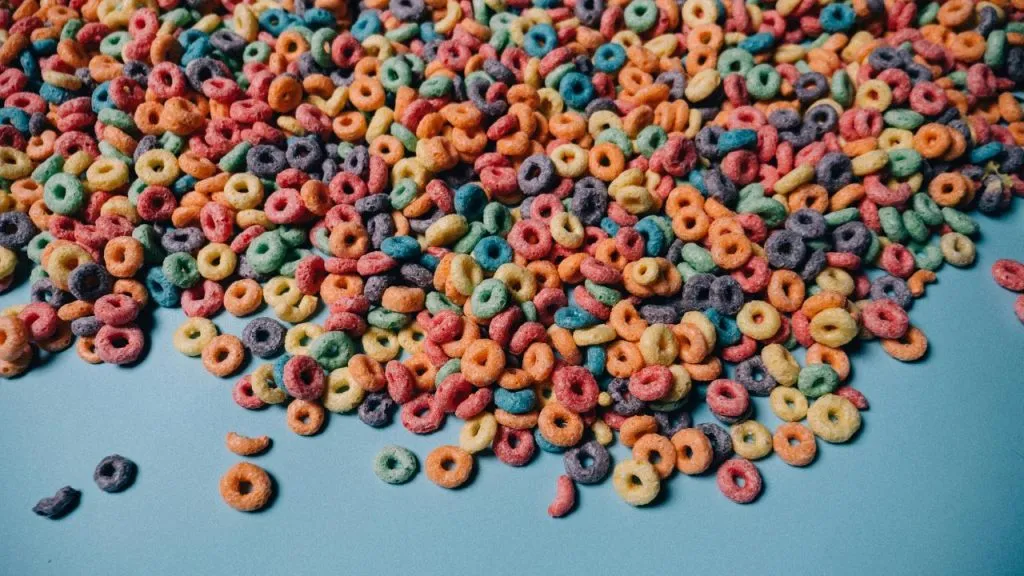
Artificial Red Dye #40, widely used for its vibrant hue, is linked to hyperactivity in children. This synthetic dye can be found in many cereals, enhancing their visual appeal. However, studies suggest a possible connection to increased ADHD symptoms and allergic reactions. The European Union mandates warning labels on foods containing this dye, and some countries have banned it altogether. Opting for cereals without artificial dyes can help minimize potential behavioral impacts.
BVO: Stabilizer or Health Concern?

Brominated Vegetable Oil (BVO) is often used to stabilize citrus flavoring in beverages but is sometimes found in cereal coatings. It contains bromine, which has raised health concerns due to its potential to accumulate in the body and lead to memory loss and skin issues. Banned in Europe and Japan, BVO remains controversial for its possible endocrine disruption effects. Checking ingredient labels and choosing BVO-free cereals can help avoid these potential health risks.
Potassium Bromate: A Risky Additive
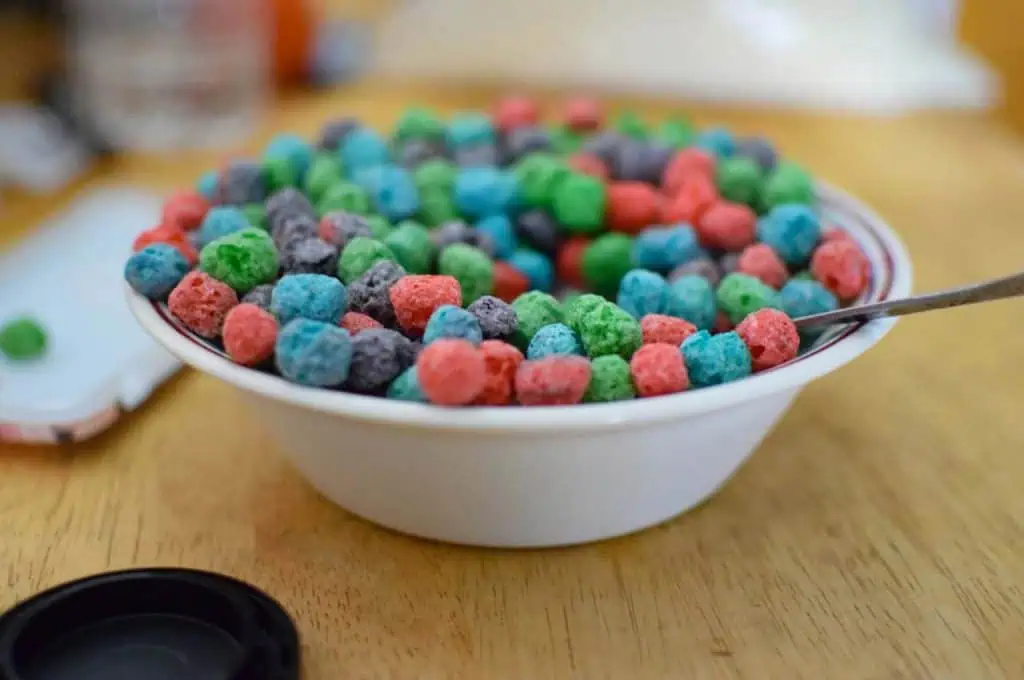
Potassium bromate is used in some cereals to improve texture and volume. However, it is known to cause cancer in laboratory animals and is classified as possibly carcinogenic to humans by the International Agency for Research on Cancer. As a result, it is banned in the EU, Brazil, and other nations. Reducing exposure involves selecting cereals that use safer alternatives, emphasizing the importance of reading ingredient lists meticulously.
Yellow Dye #5: Allergy Trigger

Yellow Dye #5, or Tartrazine, imparts a bright color to cereals but is known for triggering allergies and asthma symptoms in sensitive individuals. Although approved for use in the U.S., it requires a warning label in the European Union due to its potential to cause adverse reactions. Eliminating cereals containing Yellow Dye #5 can be a cautious step for those prone to allergies, supporting a safer and more mindful breakfast routine.
BHA and BHT: Controversial Preservatives

BHA (butylated hydroxyanisole) and BHT (butylated hydroxytoluene) are synthetic antioxidants commonly used in cereals to prevent oils from becoming rancid. While effective in preserving freshness and extending shelf life, they are controversial due to potential health risks. These compounds are banned in several countries due to concerns over links to cancer and other health issues. Home cooks seeking alternatives should prioritize fresh grains and natural preservatives. Consider storing cereals in airtight containers and consuming them promptly to maintain their quality without these additives.


