
12 High-Carb Foods You Should Know About

Understanding high-carb foods is key to fueling the body and enhancing meal diversity. These foods provide essential energy and nutrients, making them ideal components in a balanced diet. This guide introduces 12 high-carb options, delving into their unique qualities and culinary uses, ensuring you make the most of them in your kitchen endeavors.
Bananas: Nature's Energy Snack

Bananas are a convenient, nutrient-rich option for a quick energy boost. Packed with natural sugars, they are perfect before or after workouts. Look for firm, bright yellow bananas with minimal spotting for the most balanced flavor. Slice them into cereals, blend them into smoothies, or simply enjoy them as they are. They’re also excellent when frozen and blended into creamy desserts.
Sweet Potatoes: The Versatile Carb

Sweet potatoes offer a naturally sweet flavor and dense texture, making them a beloved staple. Choose firm, smooth-skinned varieties to ensure freshness. Roast them to enhance their natural sugars, creating a caramelized exterior while maintaining a soft interior. Sweet potatoes can also be mashed, baked, or even spiralized for a nutritious alternative to pasta.
Quinoa: The Ancient Grain with Benefits
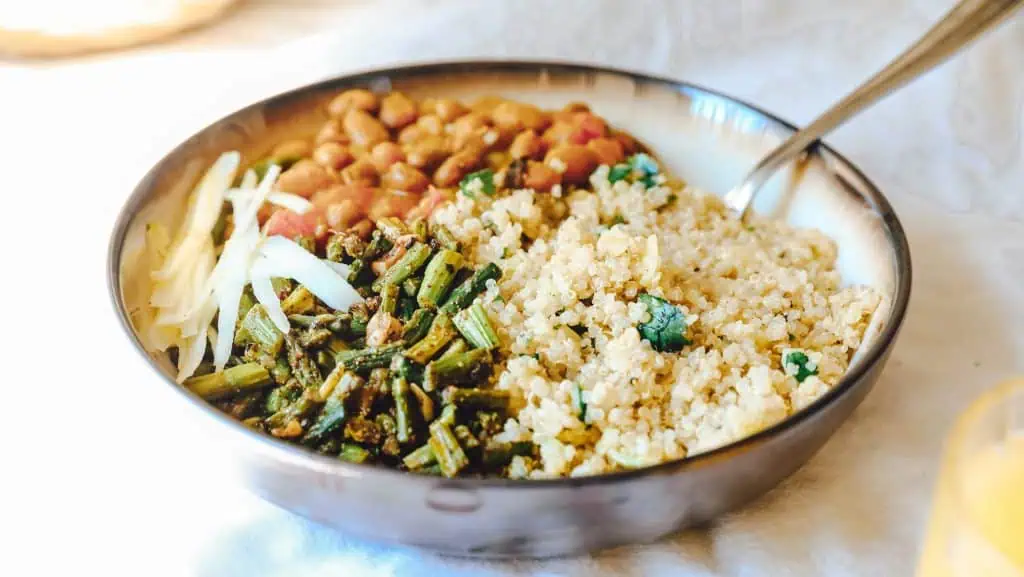
Quinoa is a complete protein source rich in carbohydrates, fiber, and essential amino acids. Rinse it thoroughly before cooking to remove bitterness and achieve a tender texture. Boil in a 2:1 ratio of water to quinoa, then fluff with a fork for a light result. Use it as a base for salads, side dishes, or even breakfast bowls, taking advantage of its nutty flavor and versatility.
Oats: Breakfast's Best Friend
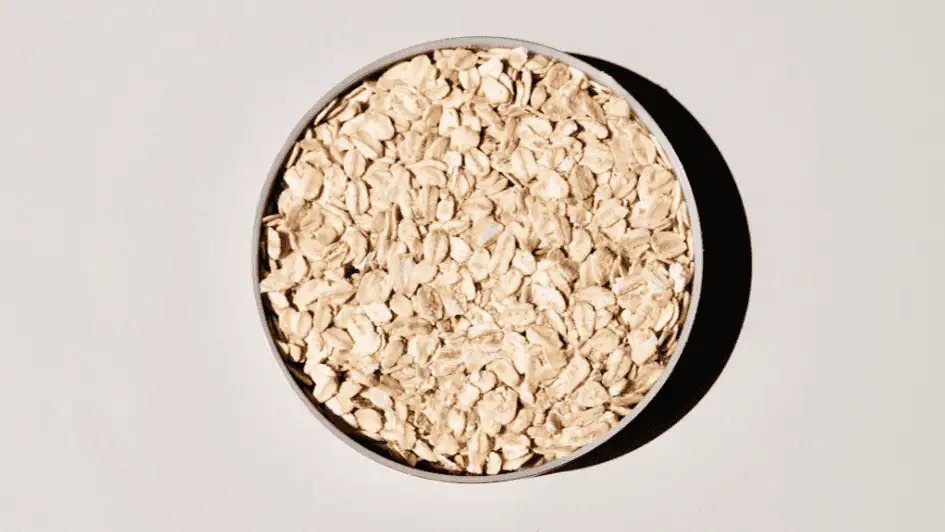
Oats are a classic high-carb option, providing a hearty start to any day. Choose rolled or steel-cut oats for texture variation and substantial nutritional benefits. Simmer with water or milk until creamy, and enhance with fruits, nuts, or spices for added depth. Their versatility extends beyond breakfast—incorporate oats into baked goods or use them as a binding agent in savory dishes.
Brown Rice: A Staple Carb Source
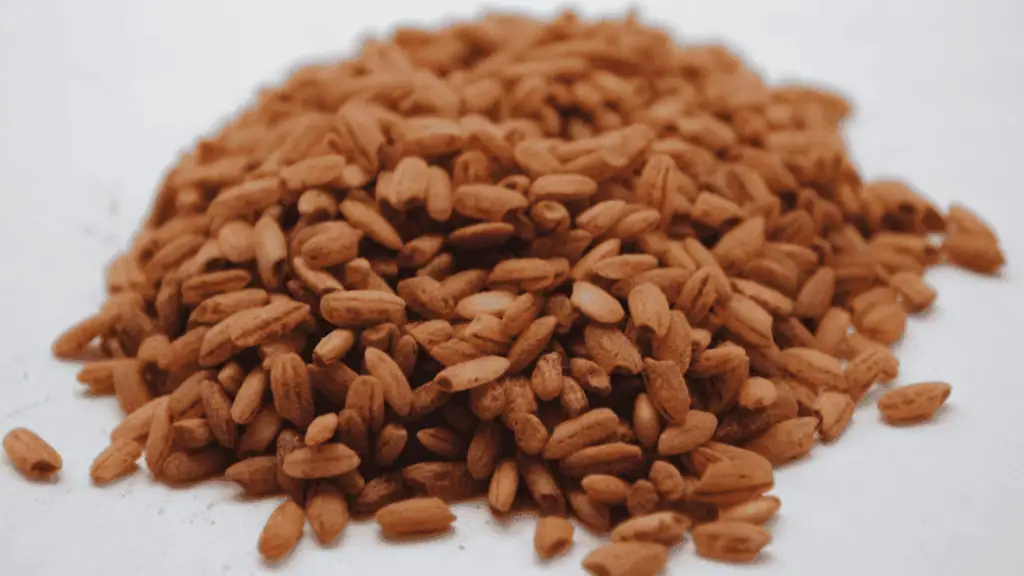
Brown rice is a whole grain that retains its bran and germ, providing a chewy texture and nutty flavor. To prepare it perfectly, rinse the rice under cold water to remove excess starch, then simmer with a 1:2 ratio of rice to water. Cook covered on low heat for about 45 minutes, letting it rest off the heat for 10 minutes to absorb residual moisture. This technique ensures fluffy grains. Rich in fiber and essential minerals, brown rice pairs beautifully with stir-fries, curries, and roasted vegetables.
Apples: Crunchy and Convenient

Apples are a versatile, high-carb fruit, excellent for snacks or cooking. Their crunchy texture and natural sweetness make them a staple in various dishes. Select firm apples for crispness and balance of sweet-tart flavors. Slice thinly to add crunch to salads, or roast wedges to enhance their natural sugars. The added warmth and slight caramelization offer complexity to desserts. With substantial fiber content, apples provide lasting energy, making them ideal pre-workout foods or midday snacks.
Whole Wheat Bread: Essential for Sandwiches

Whole wheat bread is a fiber-rich option, boasting a hearty texture and nutty flavor. Making it at home involves mixing whole wheat flour with water, yeast, and a touch of salt and honey to balance the earthiness. Knead until smooth and elastic, let it rise until doubled, then bake until golden brown. The result is a dense, satisfying loaf perfect for wholesome sandwiches. Its robust crumb complements a variety of fillings, making it a versatile choice for breakfasts or quick lunch fixes.
Legumes: Protein-Packed Carbs

Legumes like chickpeas, lentils, and beans are carbohydrate-rich and protein-packed, making them a nutritious choice. Soak beans overnight to reduce cooking time and enhance digestibility. Lentils require no soaking and cook quickly, ideal for soups and stews. To enrich flavors, simmer with bay leaves, garlic, or onions. Their creamy texture and earthy taste excel in salads, dips, and curries, providing fullness and heartiness. Incorporating legumes into your diet boosts fiber intake while adding varied flavors.
Beets: Earthy and Energizing

Beets offer a sweet, earthy taste and vibrant color, rich in carbohydrates and nutrients. Roasting them accentuates their natural sweetness—wrap whole beets in foil, bake at 400°F for about an hour until tender. Once cooled, their skins slip off easily. Slice or cube them for salads or puree into soups. When raw, beets add crunch to salads when thinly sliced or grated. Their innate sweetness complements tangy dressings and creamy cheeses, making them a dynamic addition to diverse culinary applications.
Pasta: Comfort Food Classic

Pasta is a versatile and beloved component of countless dishes worldwide. Choosing the right pasta shape can enhance your dish; for example, use fusilli or penne for hearty sauces as their grooves capture flavor. Cooking pasta al dente, meaning “to the tooth,” allows for a slight bite and complements sauces beautifully, avoiding a mushy texture. Always salt your pasta water generously; this is your chance to season the pasta itself. Toss cooked pasta immediately with your sauce to allow absorption of flavors, ensuring a cohesive and satisfying meal.
Corn: The Sweet and Savory Carb

Corn holds a unique place in recipes for its dual role as both a grain and a vegetable. When selecting corn, look for bright green husks and plump kernels to ensure freshness and sweetness. Grilling corn enhances its natural sugars, imparting a smoky flavor that's perfect for salads or simply with butter and herbs. Cornmeal and corn flour provide excellent bases for breads and cakes, offering a distinct texture and taste. Whether on the cob, in chowder, or ground into polenta, corn provides a comforting earthiness that's hard to resist.
Lentils: Tiny Nutritional Powerhouses

Lentils are a staple in many cuisines for their nutritional density and adaptability. Available in varieties like green, brown, and red, each type offers unique benefits; red lentils cook quickly into creamy soups, while green and brown hold their shape for salads and stews. Rinse lentils thoroughly to remove any debris and reduce bitterness. Cooking lentils with aromatics like bay leaves or garlic infuses them with flavor. They're rich in protein and fiber, making them ideal for hearty, vegetarian dishes. Integrate lentils into curries, salads, or use them as a flavorful base for meatless patties.


