
3 priciest countries for groceries (and 3 of the cheapest)

Groceries can vary significantly in price worldwide, reflecting local economies and agricultural practices. Understanding which countries are the most expensive or affordable helps travelers and expatriates plan better. By exploring these extremes, readers can appreciate the nuances of global food costs, whether influenced by geography, imports, or market demands. Here, we delve into three countries with the highest grocery prices and three where food shopping is particularly budget-friendly.
Switzerland: The Alpine Price Tag

Switzerland's stunning landscapes come with a steep cost for groceries. High wages and living standards contribute to elevated prices, compounded by limited agricultural space and import reliance. Staples like milk and cheese, though renowned for quality, are notably expensive. The Swiss prefer local products, further driving prices. Practical tips include shopping at cooperatives or border hopping for savings. Understanding these dynamics provides insight into why a simple grocery run here can be pricy.
Iceland: Cold Climes, Hot Prices

Iceland's remote location and harsh terrain present challenges for agriculture, making it heavily dependent on imports. This translates to high grocery costs, especially for fresh produce and meat. Energy costs are mitigated by geothermal sources, yet transportation adds up. To cope, residents often emphasize seasonal, local purchase, such as fish. Visitors should explore traditional items like skyr and lamb, understanding their premium as part of the Icelandic experience.
Singapore: City-State Spending

As a dense urban hub with limited land for agriculture, Singapore relies heavily on imports, leading to steep grocery prices. Despite this, it offers a diverse range from global cuisines, reflecting its multicultural population. Wet markets and hawker centers provide budget-friendly options, though supermarket trips can be costly. To manage expenses, locals commonly shop strategically during sales and prefer essentials like rice and noodles. Understanding these strategies can stretch a grocery budget further.
India: Bargains in Spice Markets
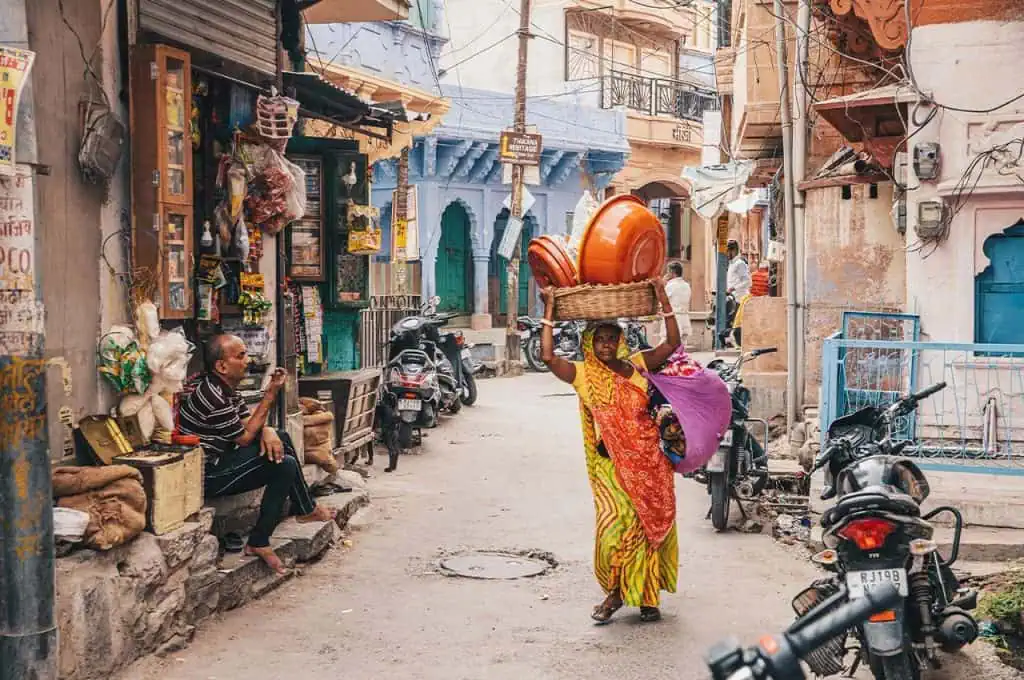
India stands out for its low grocery costs, driven by abundant local production and diverse agricultural sectors. The vibrant spice markets, fresh produce, and staples like lentils and rice are affordably priced, reflecting the country’s rich farming legacy. Bargain hunters enjoy fresh fare at local bazaars, appreciating traditional items without significant expense. While imported goods may carry a premium, a focus on regional specialties keeps food shopping economical and flavorful.
Turkey: A Culinary Value Hub

Turkey offers an enticing blend of quality and affordability when it comes to groceries. The country's vibrant bazaars and modern supermarkets boast an array of fresh produce, meats, and spices. Turkish staples like lentils, bulgur, and olive oil are not only inexpensive but also form the base of many nutritious meals. When cooking, the technique of slow simmering enhances the rich flavors of dishes like lentil soup or stuffed eggplant. Emphasizing fresh herbs such as parsley and dill brings brightness to these cost-effective, satisfying meals.
Vietnam: Affordable Eats Await

Vietnam provides a remarkable assortment of budget-friendly grocery options. Street markets teem with locally sourced vegetables, fragrant herbs, and fresh seafood. Essential ingredients like rice noodles and fish sauce are both economical and pivotal for traditional dishes. When preparing Vietnamese cuisine, balancing flavors with techniques such as pickling and quick stir-frying ensures dishes like pho or banh xeo burst with complex tastes. The emphasis on freshness and texture in Vietnamese cooking delivers satisfying meals that won't break the bank.


