
18 foods Americans learned to eat because of wartime ration programs

Food habits don’t change easily, but war forced change fast. During World War I and especially World War II, ration programs limited access to meat, sugar, butter, coffee, and more. Americans had to stretch ingredients, substitute scarce items, and rethink what counted as a “normal” meal. Many foods that later felt old-fashioned or strange became familiar only because families learned to cook with what was available. These foods weren’t trends; they were survival adaptations that permanently shaped American eating habits.
Spam and Canned Luncheon Meat

Spam and similar canned meats became widely accepted because fresh meat was strictly rationed and prioritized for soldiers. Its long shelf life, high calorie content, and ease of storage made it dependable during uncertainty. Families learned to slice, fry, bake, and mix it into casseroles or breakfasts to stretch meals. While often criticized later, wartime reliance on processed meats proved that convenience foods could function as primary protein sources, not just emergency backups.
Powdered Eggs

Powdered eggs entered American kitchens when fresh eggs became scarce or unreliable. Though the texture and flavor were inferior, they worked for baking, scrambling, and stretching recipes. Families learned to rely on function over enjoyment, valuing reliability instead of taste. This experience permanently changed expectations around food substitutes, paving the way for later acceptance of dehydrated and shelf-stable convenience foods in postwar America.
Margarine

Butter rationing forced Americans to switch to margarine, which was cheaper and easier to mass-produce. Initially unpopular due to taste and texture differences, margarine became familiar through daily use. Families cooked, baked, and spread it out of necessity. Over time, exposure overcame resistance, and margarine remained in grocery stores long after rationing ended, proving how forced substitution can permanently alter consumer behavior.
Meatless Meals

Government campaigns promoted meatless days to conserve protein for the military. Families learned to build meals around beans, grains, eggs, and vegetables instead of meat. This shift required creativity and flexibility, teaching Americans that meals could feel complete without animal protein. Long before modern plant-forward eating, wartime households practiced necessity-driven meat reduction that reshaped meal structure and portion expectations.
Organ Meats

With prime cuts unavailable, Americans turned to liver, hearts, kidneys, and other organ meats. These cuts were affordable, nutrient-dense, and not prioritized for military use. Families learned preparation methods to soften flavors and improve texture. Although later generations rejected them, wartime normalization of organ meats reflected a waste-conscious, resourceful approach that contrasted sharply with postwar abundance.
Cornmeal Dishes

Wheat shortages made cornmeal a dependable alternative. Families cooked cornbread, mush, and pone because corn was abundant, cheap, and filling. Cornmeal-based dishes became daily staples rather than regional foods. Wartime reliance reinforced corn’s role as a foundational American grain and taught households to adapt starches based on availability rather than preference.
Sugar-Stretched Desserts

Sugar rationing forced bakers to reduce the sweetness or substitute it with honey, molasses, or corn syrup. Desserts became simpler, smaller, and less indulgent. Americans learned to accept restrained sweetness and value texture and flavor over sugar intensity. This era influenced long-standing dessert traditions built around moderation rather than excess.
Victory Garden Vegetables
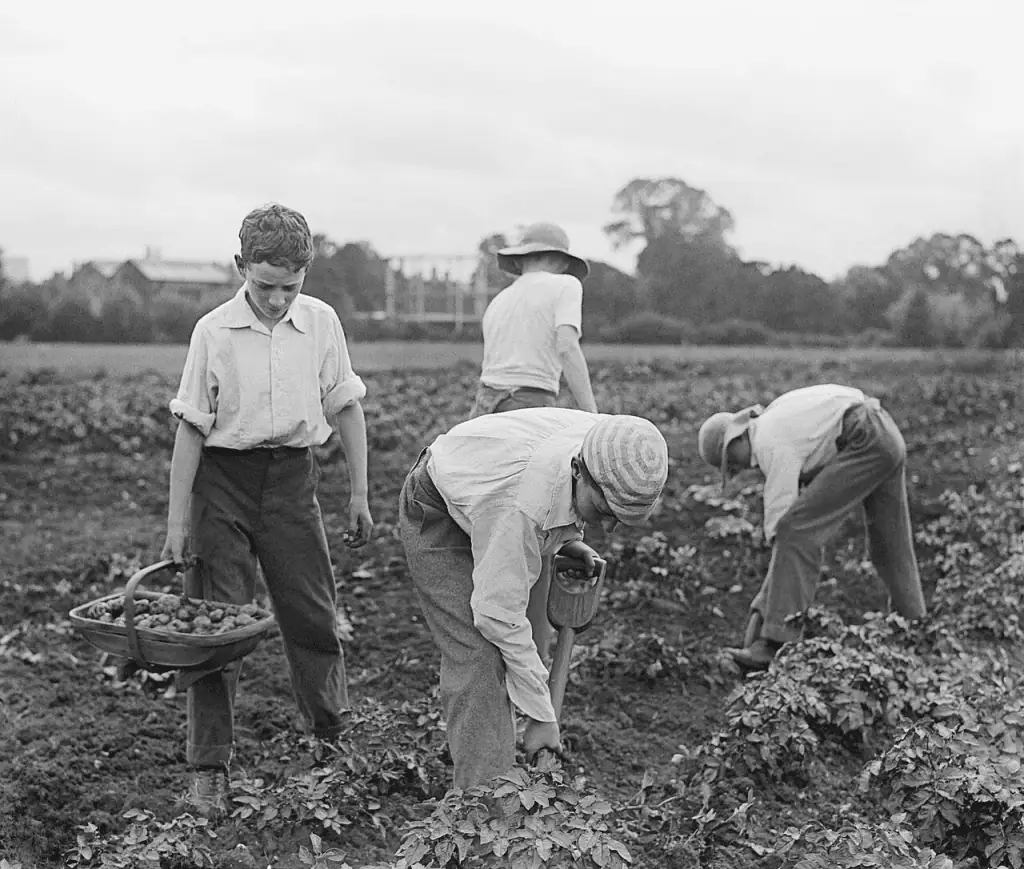
Victory gardens encouraged families to grow their own produce to ease pressure on supply chains. This introduced many Americans to seasonal vegetables they hadn’t cooked regularly before, including beets, turnips, squash, and cabbage. Families learned to plan meals around harvest cycles, reinforcing adaptability and expanding vegetable familiarity across households.
Dried Beans and Legumes

Beans became essential protein replacements when meat was scarce. Dried varieties stored well and fed families cheaply. Americans learned soaking, slow cooking, and seasoning techniques that transformed beans into main dishes. Wartime dependence helped remove stigma around legumes and positioned them as legitimate meal foundations rather than poverty foods.
Evaporated Milk

Fresh milk shortages during wartime made evaporated milk a daily necessity rather than a backup option. Families learned to dilute it with water for drinking, pour it straight into coffee, or rely on it for sauces, custards, and baked goods. Its thick consistency and long shelf life made it dependable when refrigeration and delivery were unreliable. Over time, Americans stopped seeing it as inferior to fresh milk and accepted it as functional dairy. That shift helped normalize shelf-stable milk products and permanently expanded how dairy was used in American kitchens.
Peanut Butter

Peanut butter moved from a modest pantry item to a national staple during wartime rationing. With meat limited, families needed protein that was affordable, filling, and easy to store. Peanut butter fit perfectly, especially for children’s meals and simple sandwiches. It required no cooking, didn’t spoil quickly, and delivered calories efficiently. Wartime reliance introduced many households to peanut butter as a primary protein source, cementing its role as an everyday food rather than a specialty item long after rationing ended.
Fish Cakes and Loaves

When fresh meat became scarce, canned fish like salmon and tuna stepped in as reliable protein. Families transformed these cans into fish cakes, loaves, and casseroles to stretch limited supplies into full meals. These dishes emphasized binding ingredients like breadcrumbs and eggs, making small amounts of fish feel substantial. Wartime cooking taught Americans to view seafood not as a luxury but as a practical everyday option, shaping mid-century dinner traditions centered on canned fish and simple preparation.
Soup-Based Meals

Soups and stews became essential during rationing because they maximized nutrition while minimizing waste. A small amount of meat could flavor an entire pot when combined with vegetables, grains, and broth. Families learned to rely on simmering rather than portion size to create satisfaction. These meals were affordable, filling, and adaptable to whatever ingredients were available. Wartime habits reinforced the idea that hearty meals didn’t require large portions of protein, influencing the comfort-food soups and stews that followed in later decades.
Coffee Substitutes
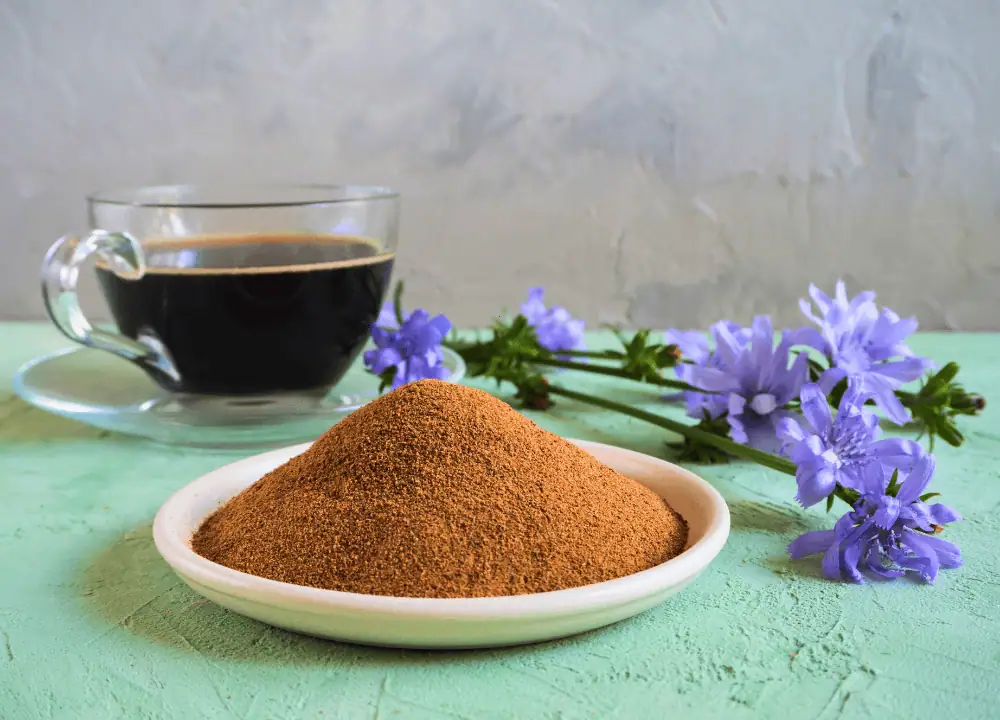
Coffee rationing forced Americans to accept substitutes made from chicory, roasted grains, or roots. While rarely enjoyed, these drinks filled an emotional gap during shortages of a deeply ingrained habit. Families learned to tolerate altered flavors and reduced quality in exchange for routine and comfort. The experience showed how necessity could reshape even strong preferences. Though most people returned to real coffee after the war, the era revealed how flexible food rituals could become under pressure.
Oatmeal and Hot Cereals

With packaged breakfast foods limited and sugar scarce, oats and hot cereals became daily staples. They were inexpensive, filling, and adaptable to small amounts of sweetener or milk. Wartime routines trained families to value simplicity and nourishment over indulgence in the morning. This shift helped normalize hot cereals as practical fuel rather than bland compromise food. Long after rationing ended, oatmeal remained associated with reliability, thrift, and starting the day with something sustaining rather than flashy.
Bread Stretched with Fillers

Wheat shortages forced bakers to stretch flour with potato flour, cornmeal, or alternative grains. The result was bread that varied widely in texture, color, and taste. Families learned that even the most basic staple wasn’t guaranteed to be uniform. This adaptability increased tolerance for variation in everyday foods and lowered expectations of perfection. Wartime bread taught Americans the importance of flexibility, reinforcing the idea that nourishment mattered more than consistency or appearance.
Home-Canned Foods

Rationing pushed food preservation from an optional skill to a household necessity. Families canned vegetables, fruits, and even meats to ensure steady supplies throughout the year. This hands-on approach strengthened self-sufficiency and reduced dependence on stores. Home canning also made people more aware of seasonality and waste. The practice shaped generational attitudes toward food security, thrift, and preservation, leaving a lasting imprint on how Americans thought about storing and valuing food.
Simple One-Pot Meals

Limited ingredients, fuel conservation, and time pressure encouraged one-pot meals during wartime. These dishes combined proteins, starches, and vegetables into a single vessel, reducing cleanup and maximizing efficiency. Presentation mattered less than nourishment and practicality. Repetition turned these meals into comfort food, not compromise. The habit directly influenced postwar casseroles and skillet dinners, helping define the straightforward, no-waste style of mid-century American home cooking.


