
18 Foods You’ll Rarely Find on a Southerner’s Table

Southern cuisine is rich in tradition, characterized by robust flavors and hearty ingredients. Certain foods, though popular elsewhere, rarely find a place on a traditional Southern table. These foods often come in contrast with the deeply ingrained preferences rooted in Southern foodways. Understanding why these items are less favored can provide insight into the unique palate that defines this cherished culinary region.
Unsweetened Iced Tea: A Cold Reception
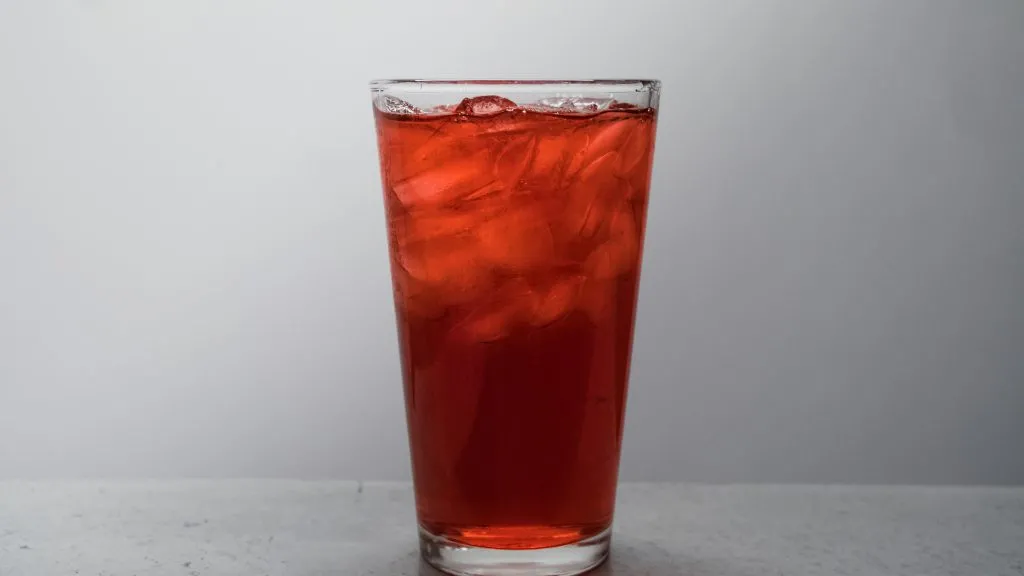
In the South, iced tea is synonymous with sweetness. Unsweetened iced tea, with its stark and unadorned taste, often receives a cold reception. Southern iced tea celebrates the balance of robust black tea flavors and the sweetness that complements it—often achieved with a simple syrup infused during brewing. Without the typical sugary undertone, unsweetened variations lack the comforting familiarity ingrained in the Southern experience.
Tofu: Not Your Southern Protein
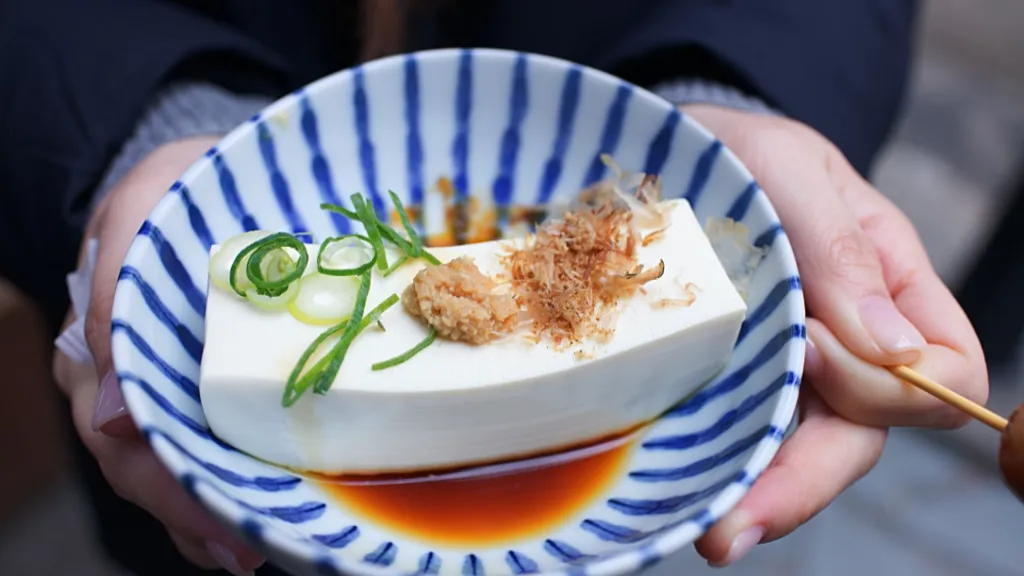
Tofu, a staple in many Asian and vegetarian dishes, rarely graces a Southern table where meat reigns supreme. The soft texture and subtle flavor of tofu contrast sharply with the more commonly celebrated meats like pork, chicken, and beef, which are often smoked, fried, or barbecued to achieve deep, savory notes. Southern cooking emphasizes rich, hearty flavors that tofu may not naturally provide without significant seasoning.
Kale Chips: Crunch without Charm

Kale chips offer a healthier crunch alternative but typically lack the soulful essence Southerners find in traditional snacks. Fried okra or corn bread deliver robust flavors and textures that kale chips, despite their health benefits, cannot easily replicate. Southern snacks emphasize opulent mouthfeel and satisfaction, elements that kale chips, with their light and airy crispness, do not always achieve, leaving them less seen at Southern gatherings.
Quinoa: Alien Grain in Dixie
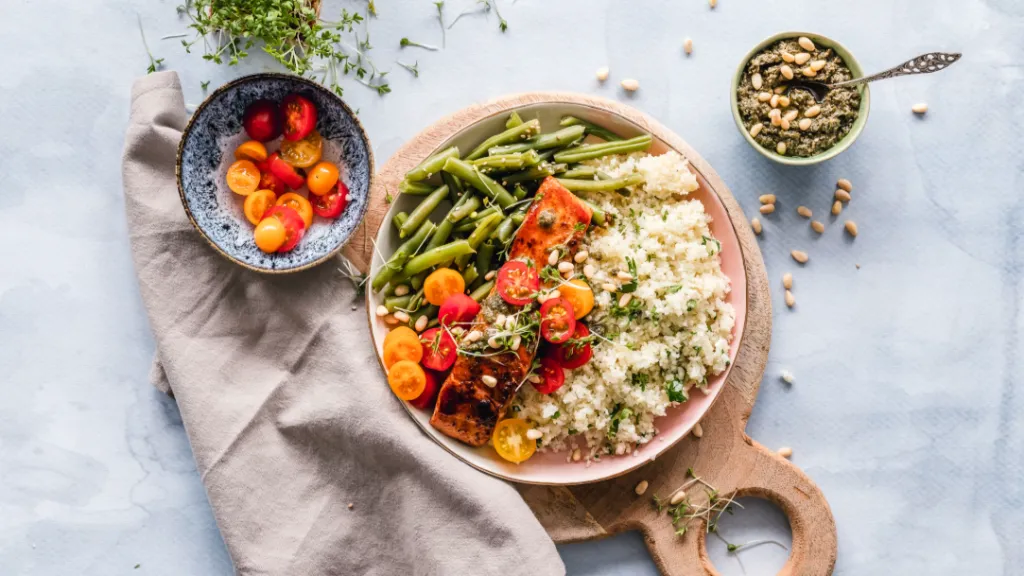
Quinoa, with its earthy flavor and high nutritional value, remains unfamiliar in Southern homes where rice and grits stand as staples. These traditional grains are cherished for their smooth, comforting textures and their ability to carry robust flavors. Quinoa’s distinct texture and nutty taste can feel foreign amidst a meal where flavors are layered with history and tradition, making it a rarity in Southern kitchens.
Avocado Toast: Missing the Country Touch
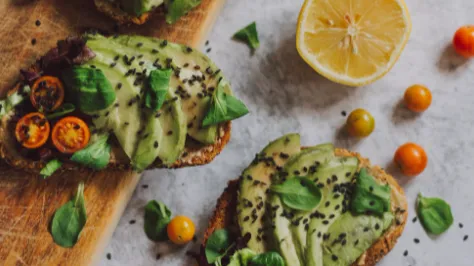
Avocado toast lacks the deep-rooted charm of traditional Southern breakfasts. While the creamy texture of a ripe avocado and the subtle crunch of toasted bread might appeal to many, Southern dishes typically favor hearty options like biscuits and gravy. If you're determined to incorporate avocados, consider spicing it up with a touch of hot sauce or adding a sprinkle of bacon bits for that familiar savory flair. This approach not only respects local palates but subtly integrates the new with the old.
Veggie Burgers: A BBQ Banishment

Southern barbecues celebrate the art of smoking meats to perfection. Veggie burgers, often seen as an alternative, miss the mark with their lack of rich, smoky flavors and satisfying chew. However, if you're crafting a veggie patty and aim to blend in, consider incorporating smoked paprika or liquid smoke, while grilling over an open flame. These techniques can introduce depth and authenticity, aiming to complement the robust profiles beloved in Southern cooking, though it's a tough sell in a meat-loving culture.
Hummus: Dip That's Not Welcome
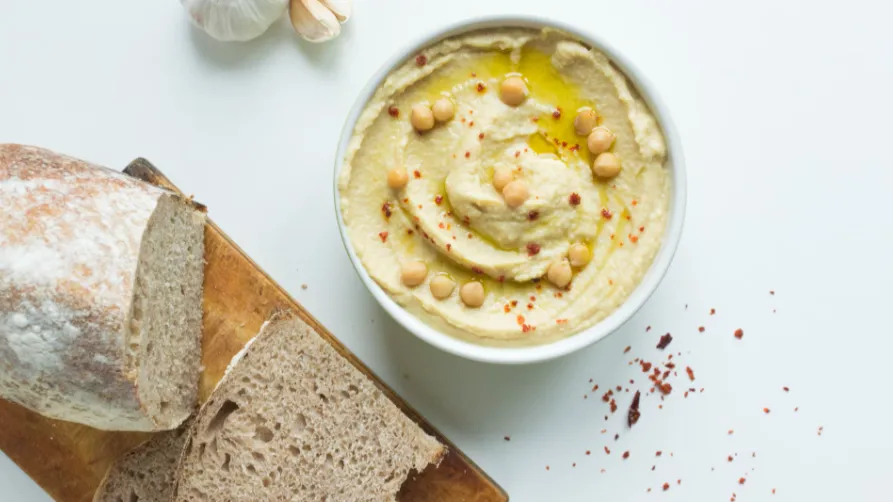
Hummus, with its creamy chickpea base, contrasts starkly with universally cherished Southern dips like pimento cheese. To make hummus more appealing to Southern tastes, try infusing it with local ingredients such as roasted peppers for sweetness or bacon bits for added savoriness. Blending these familiar flavors can make this Middle Eastern staple feel more at home on a Southerner's appetizer spread, though it will often remain secondary to regionally embraced counterparts.
Raw Oysters: Too Uncooked for Comfort
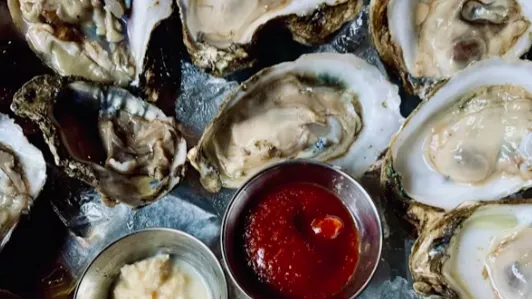
Raw oysters, with their briny taste and gelatinous texture, are often absent from Southern menus, where fried versions reign supreme. Cooking enhances the texture, adding a crisp outer layer beloved in many Southern seafood dishes. If raw oysters are on the menu, a quick grilling with a touch of garlic butter or a sprinkle of parmesan can add the complexity and robustness that align with traditional preferences. This transformation preserves their essence while making them more palatable to local tastes.
Caviar: Sophisticated but Unfamiliar

Caviar, with its luxurious allure, does not typically find favor on Southern tables, where simpler, comfort-driven staples prevail. The delicate, salty pearls demand a different culinary approach than the rich, hearty finishes found in Southern cooking. If attempting to introduce caviar, pairing it with locally sourced ingredients like devilled eggs or cornbread blinis can create a bridge, offering a nod to regional flavors while providing a touch of elegance. Yet, its elite perception often keeps it sidelined.
Store-Bought Pimento Cheese: A Sacrilege
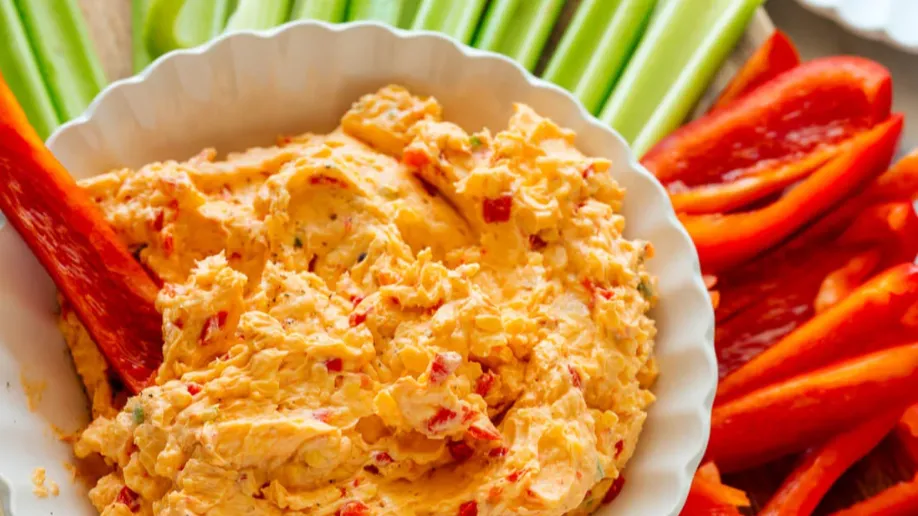
On Southern tables, pimento cheese is considered nothing short of an art form. The homemade blend involves sharp cheddar combined with diced pimentos, mayonnaise, and often enhanced with a touch of garlic or onion powder. Store-bought versions lack the signature creaminess and depth achieved by grating cheese by hand and adjusting seasonings to balance flavors. By crafting it yourself, you control texture and taste, ensuring a spread that's both rich and authentic. Avoid pre-shredded cheese, as it contains anti-caking agents that hinder smoothness.
Get the Recipe: Pimento Cheese.
Artificial Maple Syrup: Unwelcome Substitution

In the South, the experience of a syrup-drenched stack demands real maple syrup, prized for its natural complexity. Artificial alternatives, often cornstarch-laden, fall short with their synthetic sweetness. Embracing the genuine article enhances the buttery crunch of waffles and pancakes, delivering a smoother, more luxurious drizzle. The key is to warm the syrup before serving, ensuring a seamless pour. Investing in 100% pure maple syrup not only honors the dish but elevates the entire meal.
Sushi with Cream Cheese: Roll Away
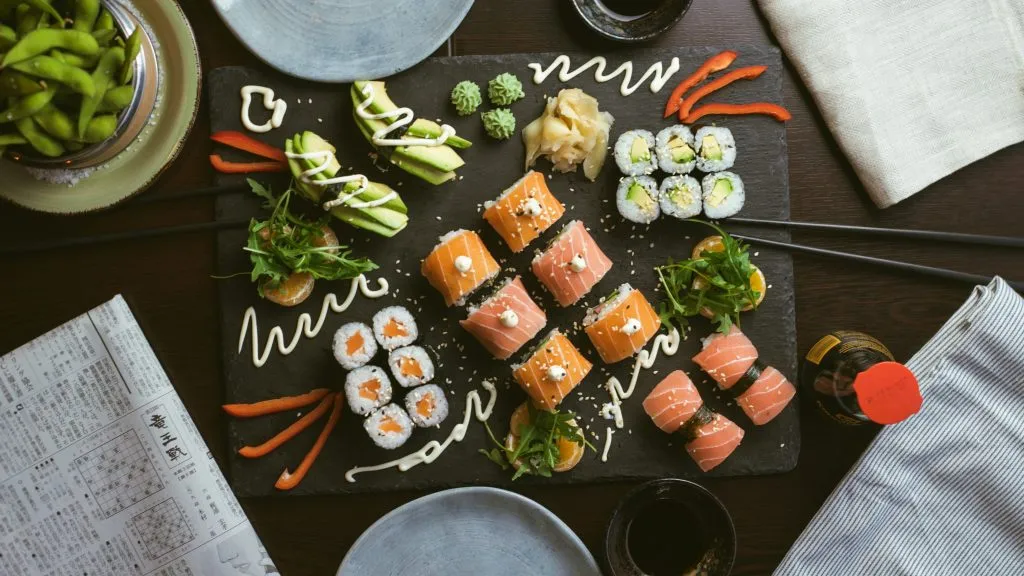
Southern cuisine values integrity in ingredients, which is why sushi adorned with cream cheese doesn't find favor. The rich creaminess overwhelms delicate fish and rice dynamics. Instead, opt for classics emphasizing fresh fish and well-balanced complements like avocado or cucumber. Focus on perfecting sushi rice by rinsing it thoroughly and seasoning it with rice vinegar, sugar, and salt. This ensures each bite is fragrant and nuanced, offering a more harmonious tasting experience without unnecessary heaviness.
Vegan Mac and Cheese: Where’s the Comfort?
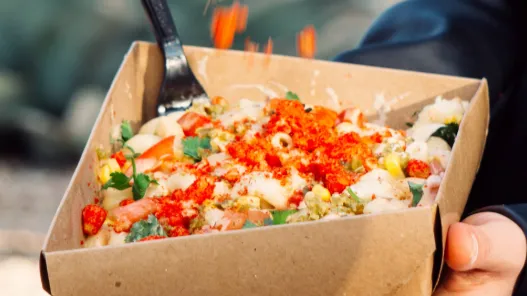
Traditional Southern mac and cheese is revered for its thick, creamy consistency and cheesy punch. Vegan variants, often relying on nutritional yeast for flavor, can lack the hearty satisfaction of the original dish. Focus on achieving creaminess with a blend of cashews and rich plant-based milk, simmered with garlic and onion for depth. If seeking authenticity, experiment with smoked paprika or mustard powder for added warmth. Baking it ensures a golden crust, mimicking the classic Southern presentation.
Wheatgrass Shots: Not the Southern Sip
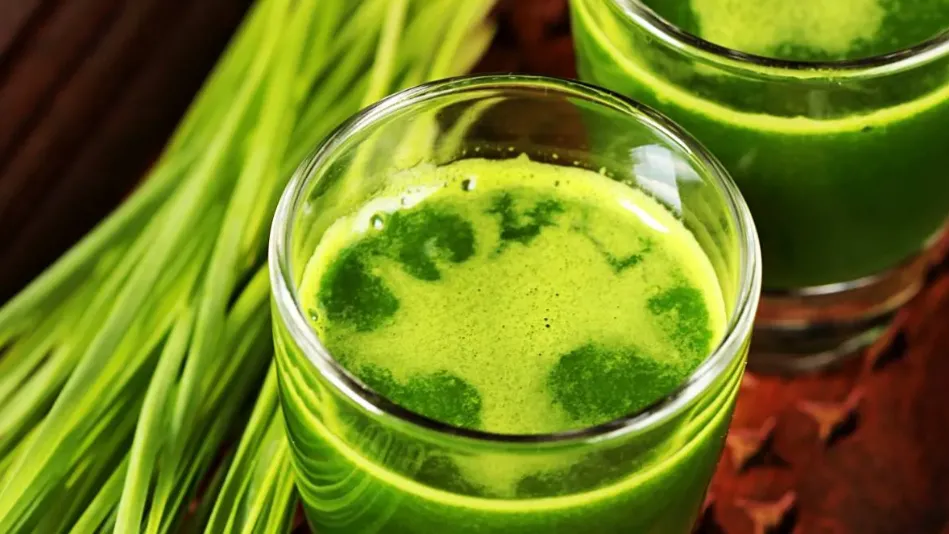
While wheatgrass shots may boast health benefits, they seldom appeal to Southern sensibilities, which favor beverages that marry flavor with refreshment. Instead, traditional sweet tea offers a comforting alternative with its bright tannic notes balanced by sugar. Brew black tea, then chill before adding a generous helping of sugar to taste. A squeeze of fresh lemon enhances its vibrancy, crafting a drink that quenches with a fuller-bodied richness, resonating with time-honored Southern hospitality.
Photo Credit: Wheatgrass Shots
Almond Milk: A Non-Dairy Dilemma
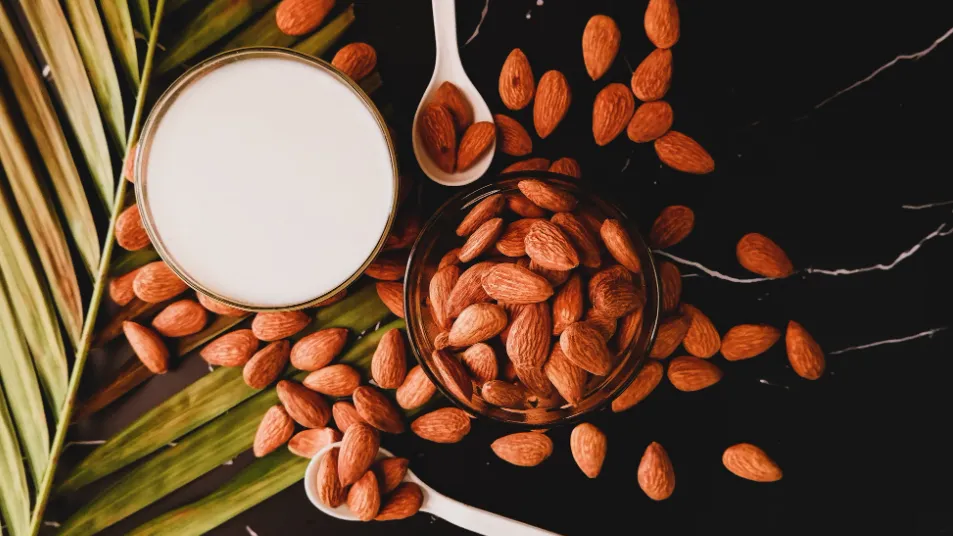
Almond milk often finds itself less favored in Southern kitchens where creaminess is celebrated. Southerners lean towards rich dairy for indulgent textures in classics like baked grits and buttermilk biscuits. Almond milk doesn’t possess the same mouthfeel or ability to emulsify, resulting in dishes that may lack depth. When substituting, pay close attention to how it impacts the viscosity and avoid using it in recipes that rely heavily on dairy’s lusciousness unless a dietary need arises.
Low-Fat Biscuits: Flaky Faux Pas

The South cherishes its biscuits, prized for their tender layers built on ample butter or lard. Low-fat versions tend to miss the mark on flakiness and richness, offering a lackluster experience. Traditional biscuits rely on chilled fats to create steam pockets, achieving a tender crumb. For those keen on reducing fat, consider using a combination of butter and mashed avocado—a tip that preserves texture while lending subtle flavor.
Zoodles: Noodles that Nod No

Zucchini noodles, or zoodles, stray from the hearty, comforting nature of Southern pasta dishes. Their watery texture often fails to hold up against robust sauces or bakes. For authenticity, stick with thick, homemade pasta or rich baked casseroles. If you must indulge in zoodles, salt and drain them beforehand to alleviate excess moisture, and pair with strong flavors like garlic or chili to balance out their mildness.
Instant Grits: Quick without Soul

Instant grits pale in comparison to their stone-ground counterparts that slowly absorb water, developing a creamy texture. The Southern tradition values patience and flavor, which instant varieties lack in their quest for quickness. For true Southern grits, let them simmer—stir often and enrich with butter or cheese to develop a depth of taste. This nurturing method transforms the humble grit into a dish worthy of its staple status.


