
10 Surprising Ways Tech Is Quietly Shaping the Foods We Choose

In an age where technology reaches every corner of our lives, its influence on our culinary choices is both subtle and profound. From how we shop for groceries to the meals we craft at home, tech innovations quietly shape our food habits, offering new possibilities and efficiencies. Home cooks can now access smarter tools and data-driven insights that streamline decision-making and expand culinary creativity.
AI Grocery Tips Guiding Choices

Artificial intelligence now plays a vital role in how we shop for groceries. With AI-driven apps, shoppers receive personalized recommendations based on previous purchases and dietary preferences. These tools analyze consumption patterns, suggesting healthier alternatives or complementary ingredients to enhance planned meals. By integrating seasonal availability data, they also help select the freshest produce, ensuring quality and flavor in every dish prepared.
Meal Kits Tailored by Algorithms

Meal kits curated with algorithmic precision offer personalized dining experiences. These services assess customer preferences using complex data analytics to design menus that cater to specific tastes, dietary needs, or even emerging food trends. Algorithms also optimize ingredient sourcing, reducing waste while ensuring each kit includes exactly what’s needed for the given recipes. This customization allows home cooks to experiment with new flavors confidently and conveniently.
Smart Fridges Plan Your Week

Smart refrigerators have transformed from simple storage units into comprehensive kitchen aides. Equipped with internal cameras and inventory tracking, these appliances monitor contents and expiration dates, providing real-time updates to help minimize waste. By interfacing with recipe databases, they suggest meals based on available ingredients, seamlessly integrating into weekly planning. This technology ensures that every ingredient is utilized efficiently, enhancing culinary creativity.
Voice Assistants Spice Up Cooking

Voice assistants enrich the cooking experience by offering hands-free support in the kitchen. With a simple command, they retrieve recipes, set timers, or suggest pairings, making multitasking more manageable. By integrating with other smart devices, they can adjust oven temperatures or control lighting, creating an optimal cooking environment. These assistants effectively bridge the gap between technology and tradition, encouraging cooks to experiment with novel techniques while enjoying familiar processes.
Social Media Fuels Food Fads
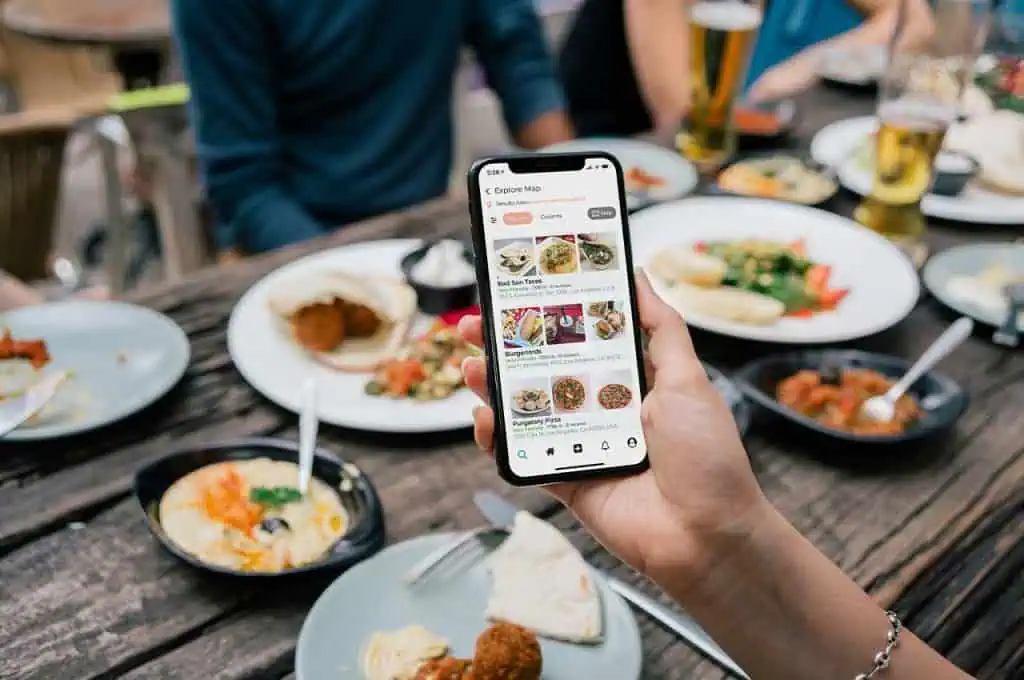
Social media platforms are pivotal in the rapid spread of food trends. As influencers and chefs post visually striking dishes, their vast audiences eagerly replicate and innovate these trends at home. This digital ecosystem elevates traditional ingredients, such as chia seeds in pudding or turmeric in lattes, transforming them into viral sensations. With each post, users not only share recipes but also tips on sourcing and enhancing these ingredients, making once-obscure items essential in modern kitchens.
Wearables Adjust Diet in Real Time

Wearable devices provide users with immediate feedback on their dietary habits, allowing for swift adjustments. By monitoring caloric intake, nutrient balance, and even hydration levels, these gadgets offer tailored suggestions. For instance, if protein intake is deemed low, the device may suggest incorporating more legumes or lean meats. This real-time data serves as a dynamic guide, encouraging healthier choices and more mindful consumption, ultimately shaping a user’s food preferences and habits.
Online Reviews Dictate Ingredients

Online reviews play a critical role in reshaping ingredient preferences. Dishes and products are scrutinized by savvy consumers, who often focus on flavor, quality, and healthfulness. This feedback loop pressures producers to align with consumer expectations, prompting shifts like reduced sugar content or the use of organic produce. Home cooks harness these insights, opting for better-rated items, which leads to enhanced culinary experiences, marked by quality and authenticity.
Trending Dish Alerts from Apps
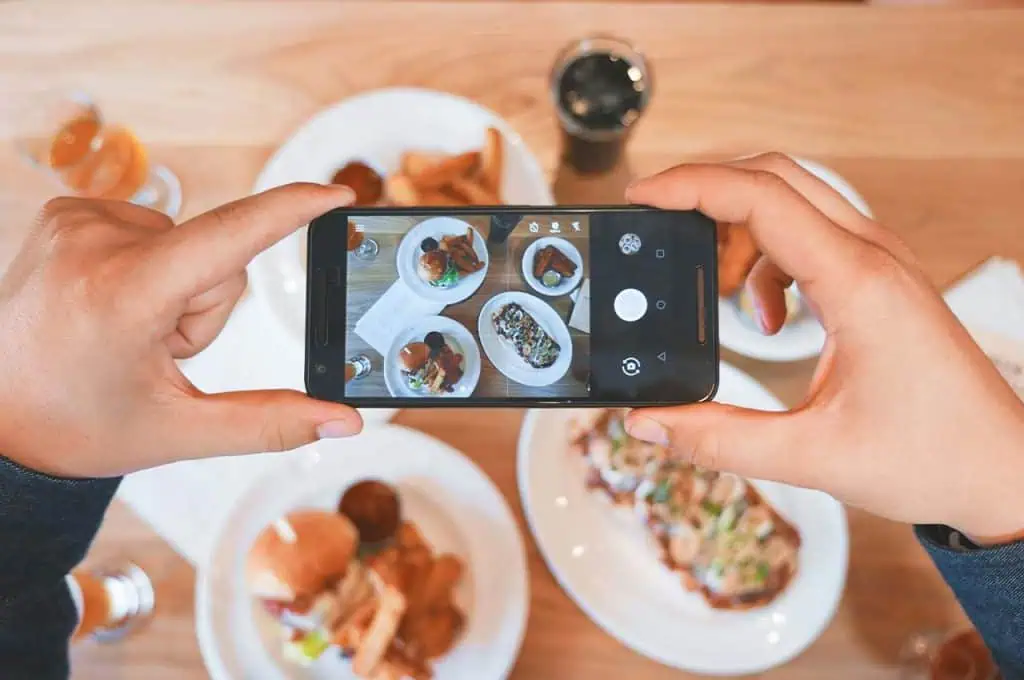
Cooking apps now feature trending dish alerts that inspire cooks to experiment with new recipes. These alerts highlight popular dishes, driven by seasonal ingredients or culinary innovations. Users are urged to try recipes that blend traditional techniques with modern flavors, such as roasted root vegetables with a fusion glaze. By following these trends, home cooks expand their culinary repertoire, staying aligned with contemporary tastes while honing classic skills.
QR Codes Nudge Nutritional Intake

QR codes on food packaging offer immediate access to detailed nutritional information and recipe ideas. By scanning these codes, consumers receive insights on the nutritional impact of their purchases, along with suggestions for balanced meals. This transparency encourages smarter choices, like combining ingredients for optimal nutrient absorption. Such tools empower consumers to tailor their diets according to dietary needs or preferences, facilitating informed and health-conscious decisions.
Digital Deals Drive Shopping Habits
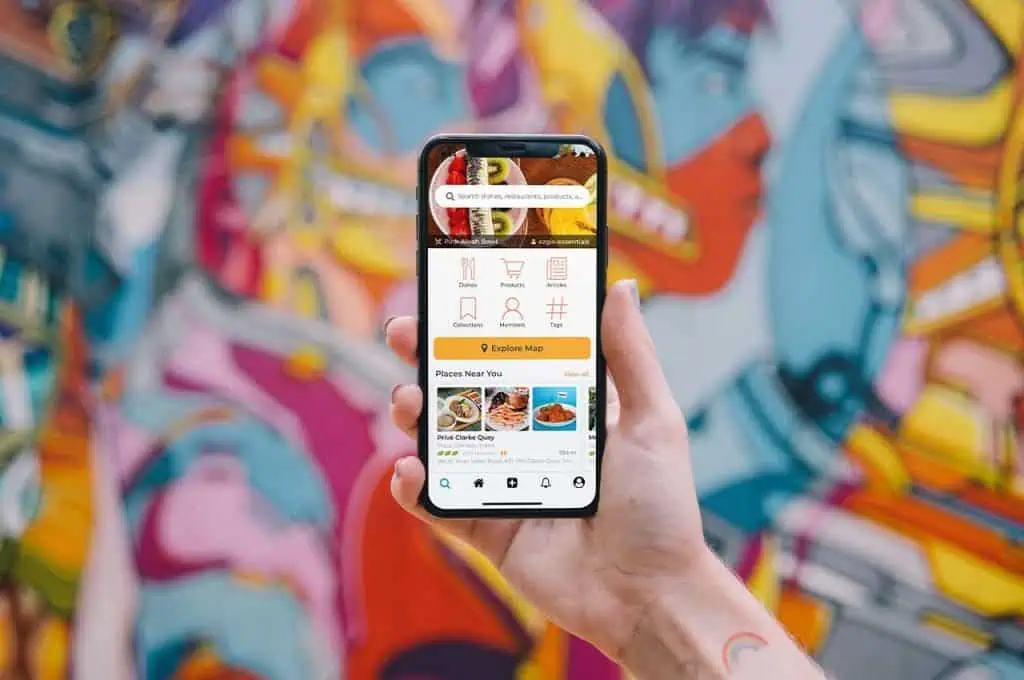
Technology has transformed how we shop for food, with digital deals quietly steering our choices. Online platforms and apps personalize offers, aligning discounts with our preferences. This targeted approach encourages exploration of new products, enhancing our culinary palette. Beyond savings, digital deals influence brand loyalty, as consistent rewards keep us returning to specific items. Understanding this digital landscape not only saves money but also expands our culinary experiences, nudging us to try innovative flavors and preparations that we might otherwise overlook.


