
17 Foods Commonly Linked to Natural Collagen Support

Collagen is a vital protein that supports skin elasticity, joint health, and overall bodily function. Incorporating certain foods into your diet can naturally boost collagen production, harnessing their unique properties to bolster your body's ability to maintain and regenerate its collagen stores.
Bone Broth: The Collagen Elixir

Bone broth, rich in gelatin and amino acids like glycine and proline, is a potent source of natural collagen. Begin with high-quality bones from beef or chicken, and simmer them gently for at least 12 hours. This slow cooking process is essential for breaking down the collagen in the bones into a digestible form. Strain the liquid thoroughly to ensure a smooth, nutrient-rich broth that can be used in soups, stews, or consumed as a warming beverage.
Why Chicken Skin Matters

Chicken skin is more than just a crispy delight; it’s also a solid source of collagen. When cooking chicken, leave the skin on to gain the benefits. Roasting is an ideal method: season the skin with salt and pepper, then roast at high heat to render the fat and crisp the skin for a flavorful, collagen-rich addition to your meal. Incorporating chicken skin can elevate dishes with both texture and nutritional value.
Sardines: Small Fish, Big Benefits

Sardines are packed with omega-3 fatty acids and naturally occurring collagen. Simply grill or sauté for a few minutes on each side, or enjoy them canned for a convenient, nutritious boost. Their bones, often softened during canning or cooking, are easily consumed and provide calcium and collagen. Pair sardines with lemon and herbs to enhance flavor while supporting collagen intake.
Egg Whites: Protein Powerhouse
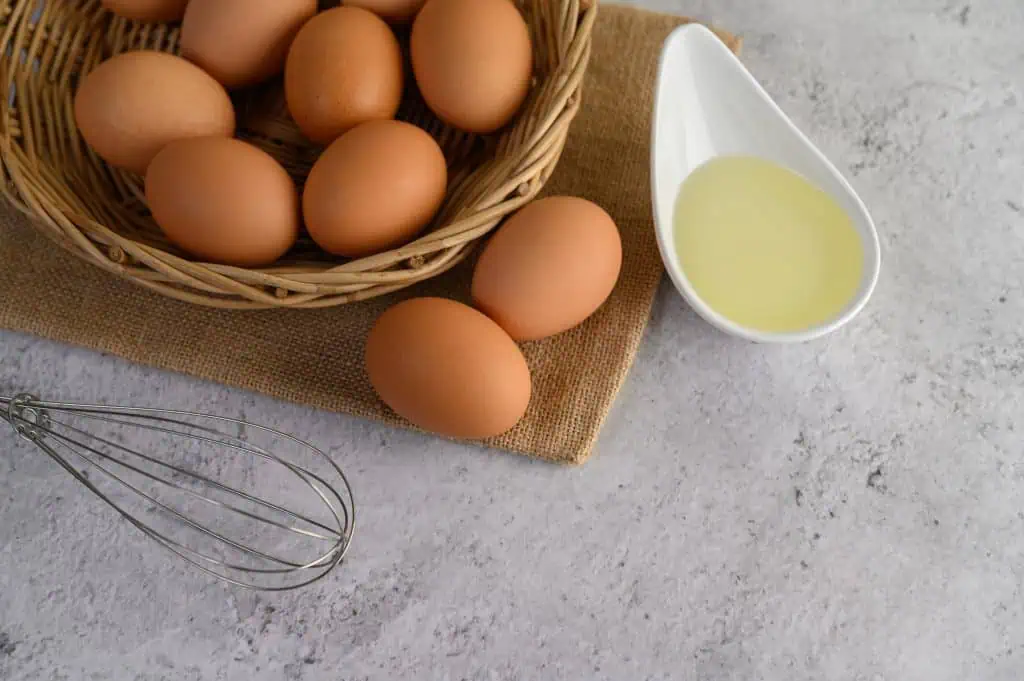
Egg whites are abundant in proline, an amino acid crucial for collagen synthesis. Incorporate them into scrambled dishes or as an ingredient in baking. Whisk whites until frothy for omelets or fold into batter for added fluffiness. Cooking at moderate heat preserves their structure and maximizes their collagen-boosting potential. Egg whites add versatility and protein without the extra fat found in yolks.
Citrus Fruits: Vitamin C Boost

Citrus fruits are a cornerstone in supporting natural collagen production due to their high vitamin C content. This essential vitamin plays a pivotal role in stabilizing collagen molecules and is found abundantly in oranges, lemons, and grapefruits. When incorporating citrus fruits into your diet, consider fresh-squeezing the juice over salads or into dressings to add both flavor and nutritional benefits. Their natural acidity not only enhances taste but can also tenderize proteins, making them ideal for marinades.
Berries: Antioxidant Allies

Berries, such as strawberries, blueberries, and raspberries, are rich in antioxidants, which combat free radicals and protect collagen from damage. Their vibrant colors hint at their nutrient density, with an abundance of vitamins like C and E, crucial for collagen synthesis. To maximize these benefits, enjoy berries fresh or blend them into smoothies. Their natural sweetness allows them to be a healthy substitute in desserts, while maintaining the integrity of your collagen-rich diet.
Garlic: Sulfur-Containing Secret
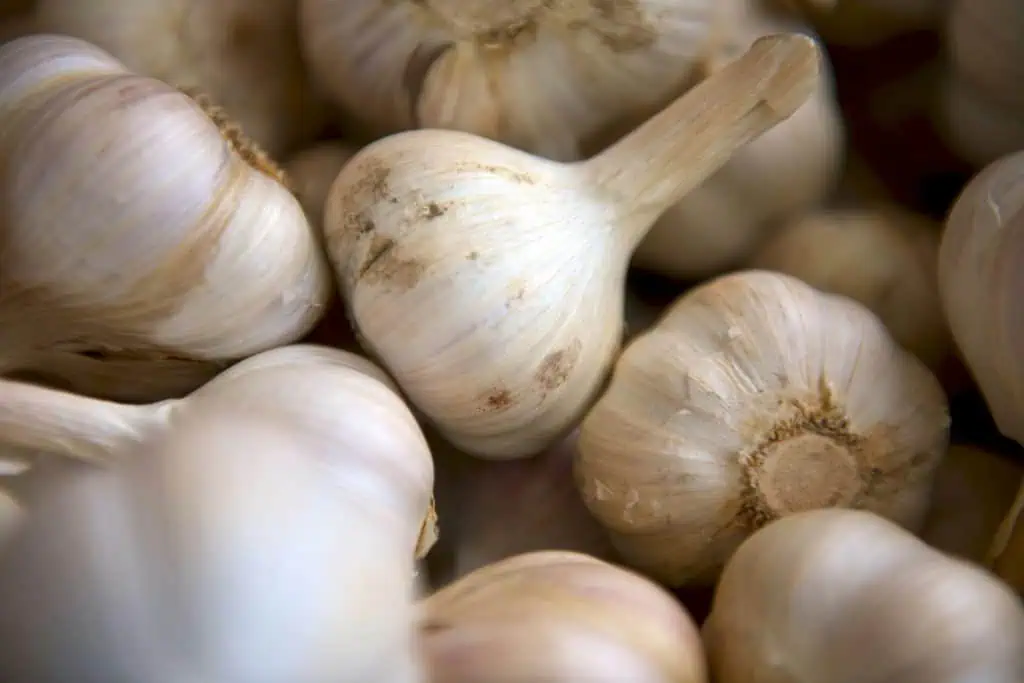
Garlic, a flavor powerhouse, not only enhances dishes but also supports collagen production with its sulfur compounds. These compounds aid in collagen synthesis by maintaining extracellular matrix health. To harness garlic’s full potential, consider using it raw in vinaigrettes or lightly sautéing it to retain its active properties. Crushed garlic releases its beneficial components, making it an effortless addition to soups, pastas, and roasted vegetables, amplifying both taste and health benefits.
Leafy Greens: Nutrient Dense Options
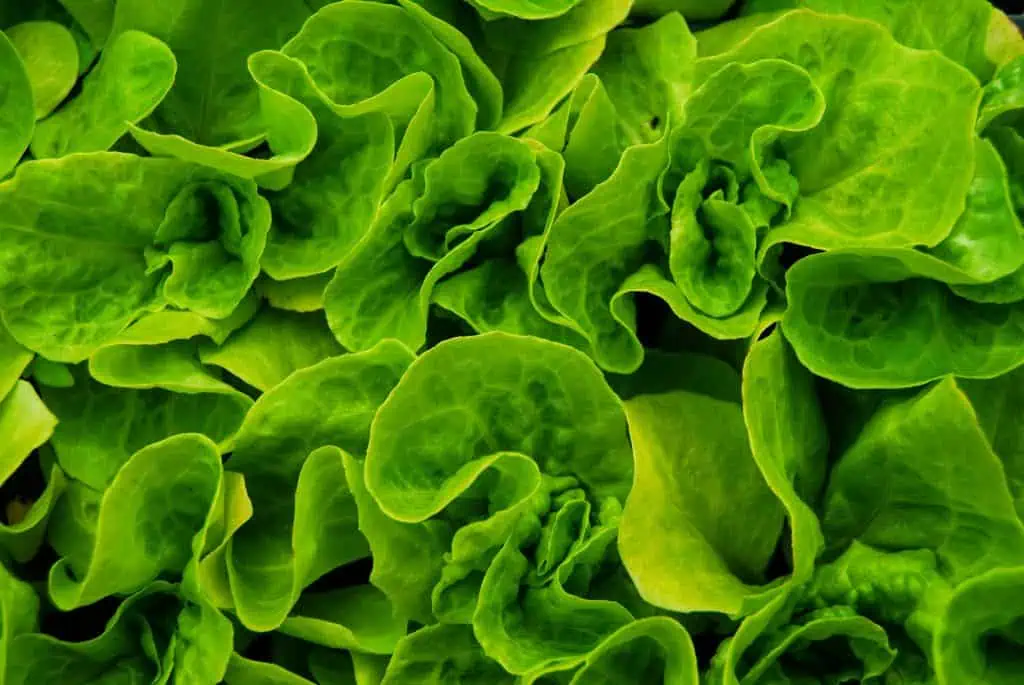
Leafy greens like spinach, kale, and Swiss chard are packed with vitamin A, C, and other antioxidants essential for collagen production and maintenance. They also contain chlorophyll, which may support collagen by fighting harmful free radicals. Use these versatile greens in salads, soups, or smoothies to preserve their nutritional content. Lightly steaming or sautéing can enhance their digestibility while maintaining their vibrant color and nutrient profile.
Bell Peppers: Colorful Collagen Kick

Bell peppers, especially the red variety, are packed with vitamin C, crucial for collagen biosynthesis. Their vivid colors indicate a rich content of antioxidants and phytonutrients. Incorporating them raw into salads or slicing them for a snack ensures maximum vitamin retention. Roasting peppers can deepen their sweetness while maintaining nutritional benefits—ideal for incorporating into dips, fajitas, or pasta dishes, providing a nutritious and colorful dietary enhancement.
Tomatoes: Lycopene-Loaded Choice
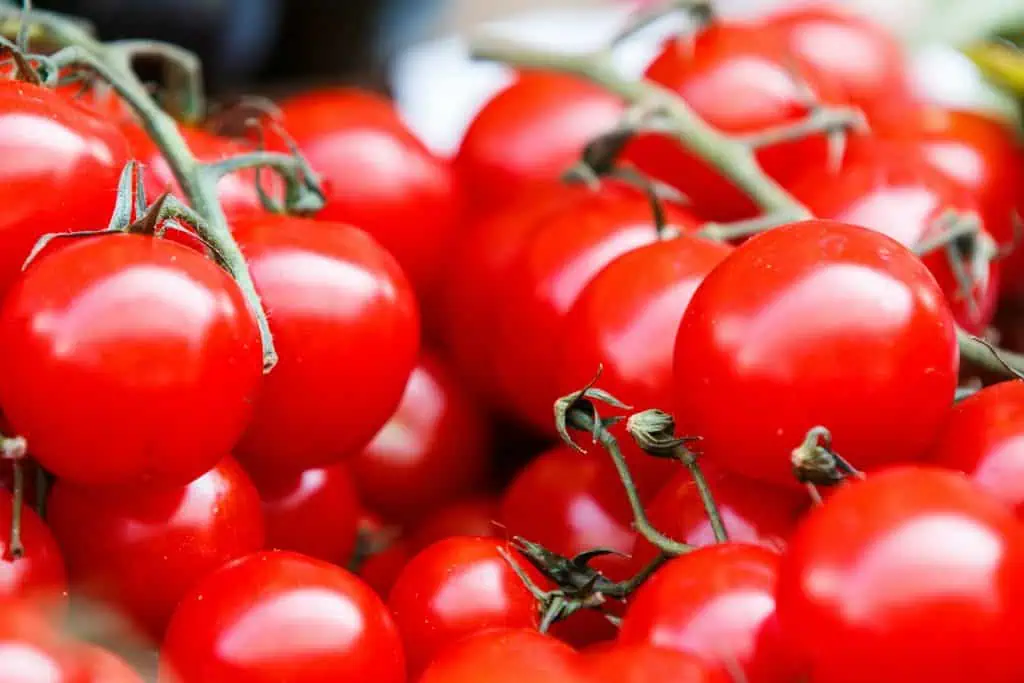
Tomatoes shine as a rich source of lycopene, which plays a crucial role in supporting natural collagen production. Choose ripe tomatoes for maximum potency, as their deeper color indicates higher lycopene content. To unlock their full potential, cook them with a drizzle of olive oil, enhancing lycopene absorption. Incorporate tomatoes in salads, soups, or roasted dishes, balancing their acidity with herbs like basil or oregano. Their juicy texture and vibrant flavor not only elevate your meals but also contribute to maintaining more youthful skin.
Avocados: Healthy Fats for Skin
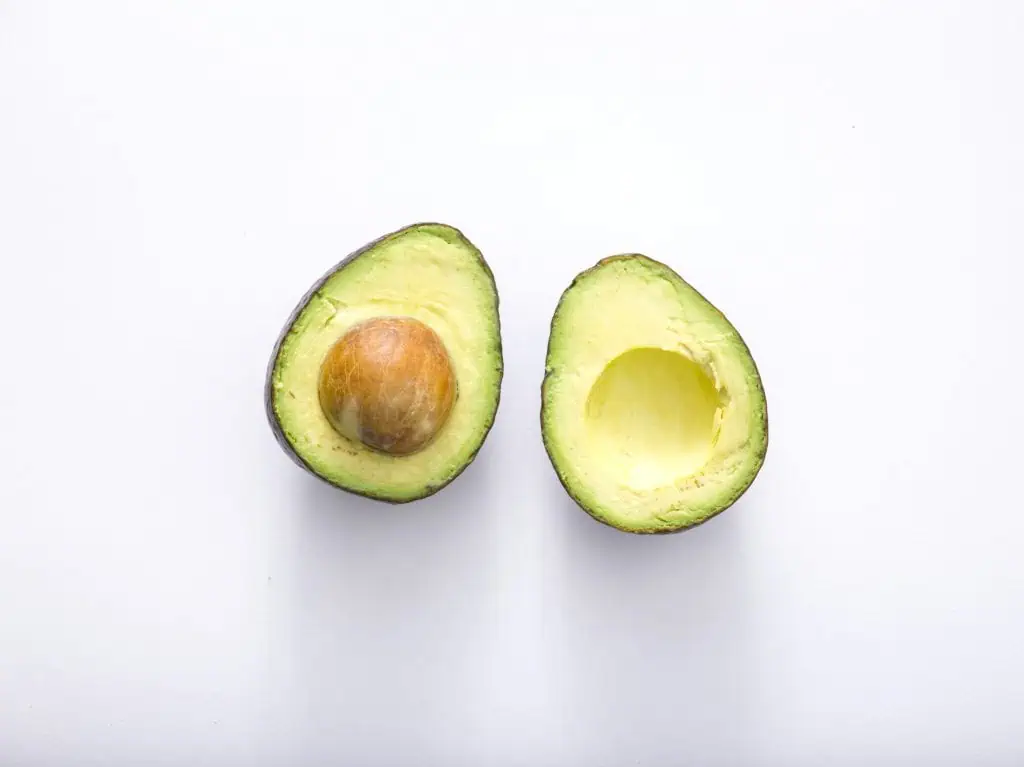
Avocados bring creamy texture and essential healthy fats to the table, supporting skin's ability to retain moisture and elasticity. Their monounsaturated fatty acids are pivotal in collagen maintenance. Use them in guacamole or blend into smoothies for a silky consistency. When choosing avocados, select those that yield slightly to gentle pressure, ensuring optimal ripeness. Sprinkle lemon or lime juice to prevent browning while adding a refreshing zest. Incorporating avocados into your diet enhances skin health with each luscious bite.
Beans: Protein and Zinc Combo
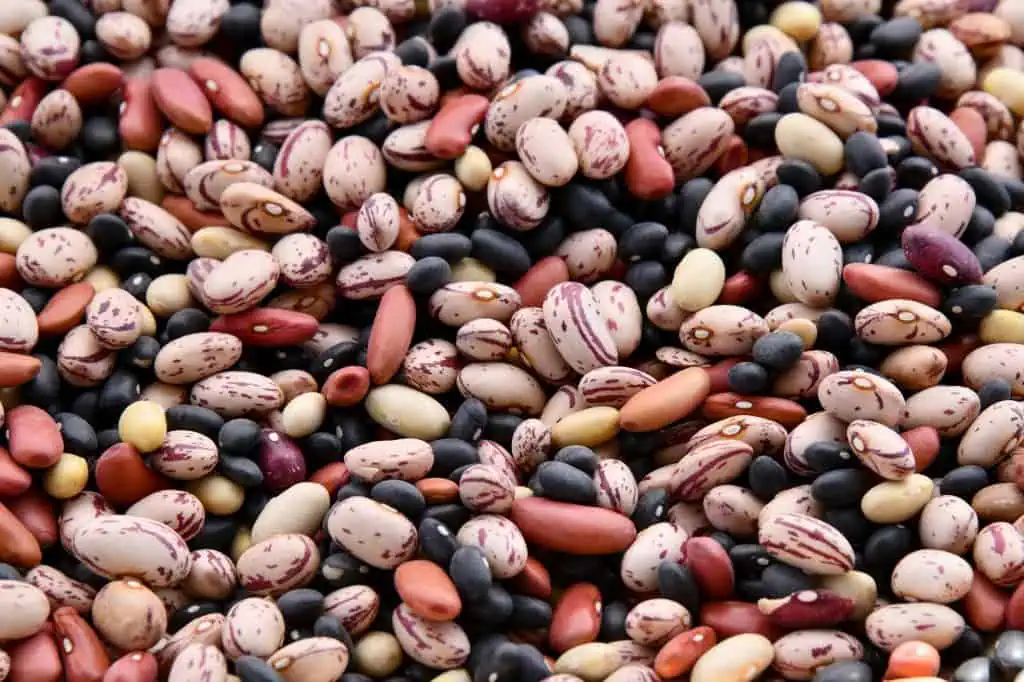
Beans offer a dual benefit for collagen support, providing both protein and zinc. Opt for a variety such as black, kidney, or chickpeas, each bringing its own subtle flavor and texture. Slow-cook or pressure cook beans to achieve a tender yet intact consistency, ideal for salads or stews. Their rich nutrient profile aids in skin renewal and repair. Pair beans with whole grains for a complete protein source, enhancing their nutritional value. Season with spices like cumin or coriander for added depth without overpowering.
Cashews: Nutty Collagen Nurturers
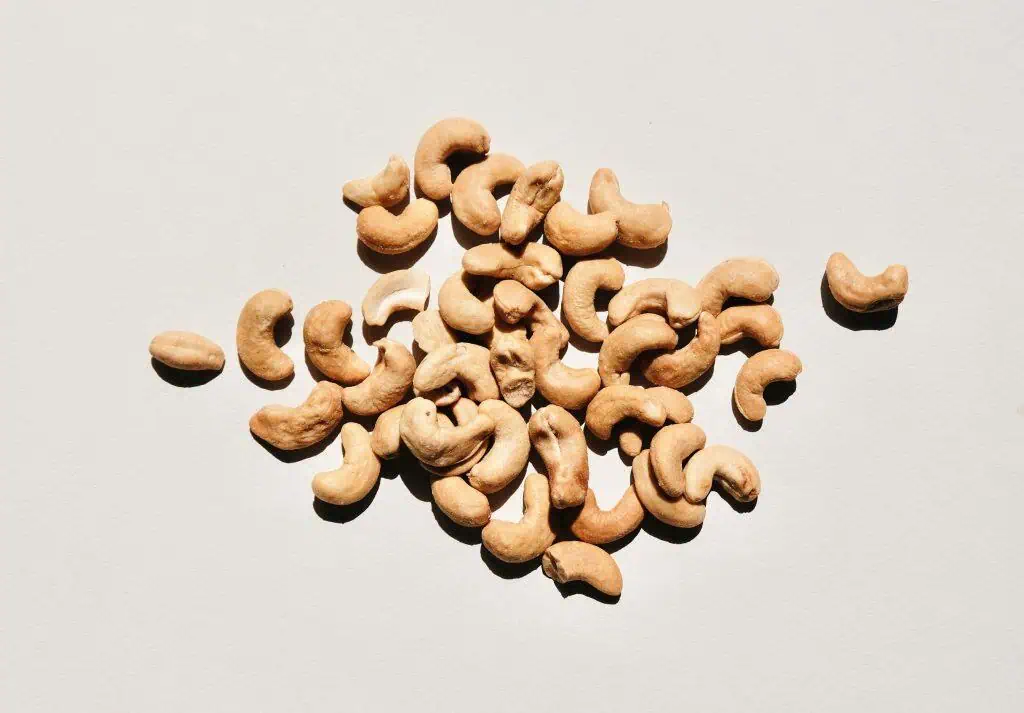
Cashews are a delightful snack and a source of essential minerals that nurture collagen formation. Their mild taste and creamy texture make them versatile in both savory and sweet dishes. Lightly toast cashews to enhance their nuttiness, releasing natural oils that improve flavor. Incorporate them into stir-fries or grind into a smooth paste for sauces. Cashews provide copper and magnesium, vital for collagen synthesis, enhancing skin resilience and glow. Mindful inclusion of these nuts supports not only texture but nutritional integrity.
Pumpkin Seeds: Zinc-Rich Support
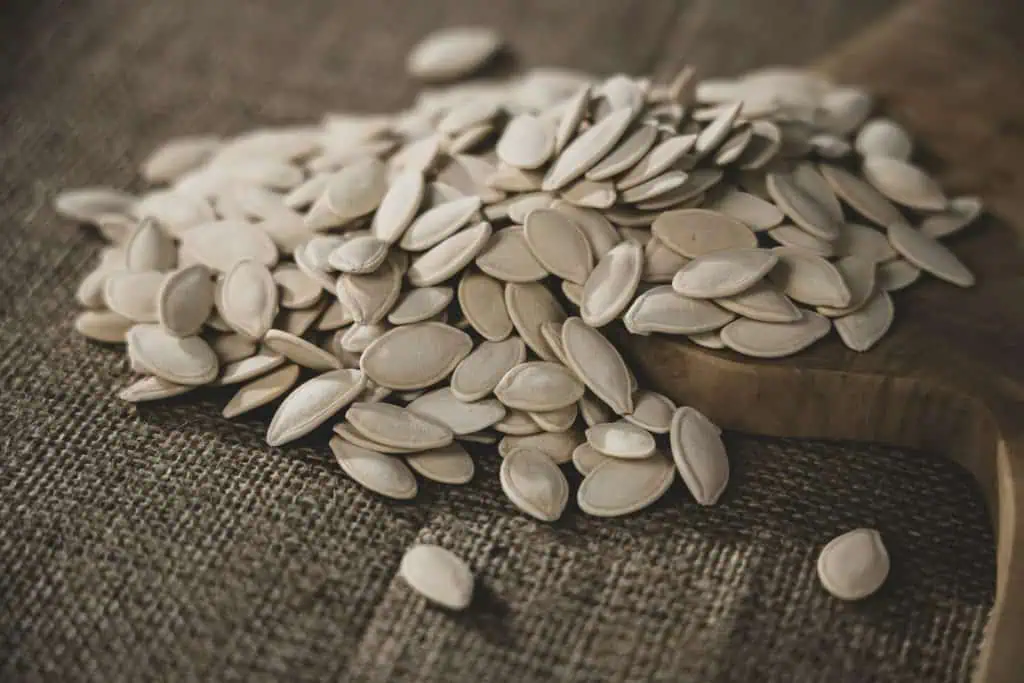
Pumpkin seeds pack a powerful punch of zinc, integral to collagen synthesis and skin repair. For maximum crunch and flavor, toast the seeds until slightly golden, releasing their natural oils and intensifying their nutty essence. Use them as a topping for salads, yogurts, or roasted vegetables, adding a delightful texture. Their small size belies their potency, contributing significantly to your skin's health and elasticity. Integrating these seeds into your diet provides consistent support for maintaining youthful collagen levels.
Soy Products: Plant-Based Potential
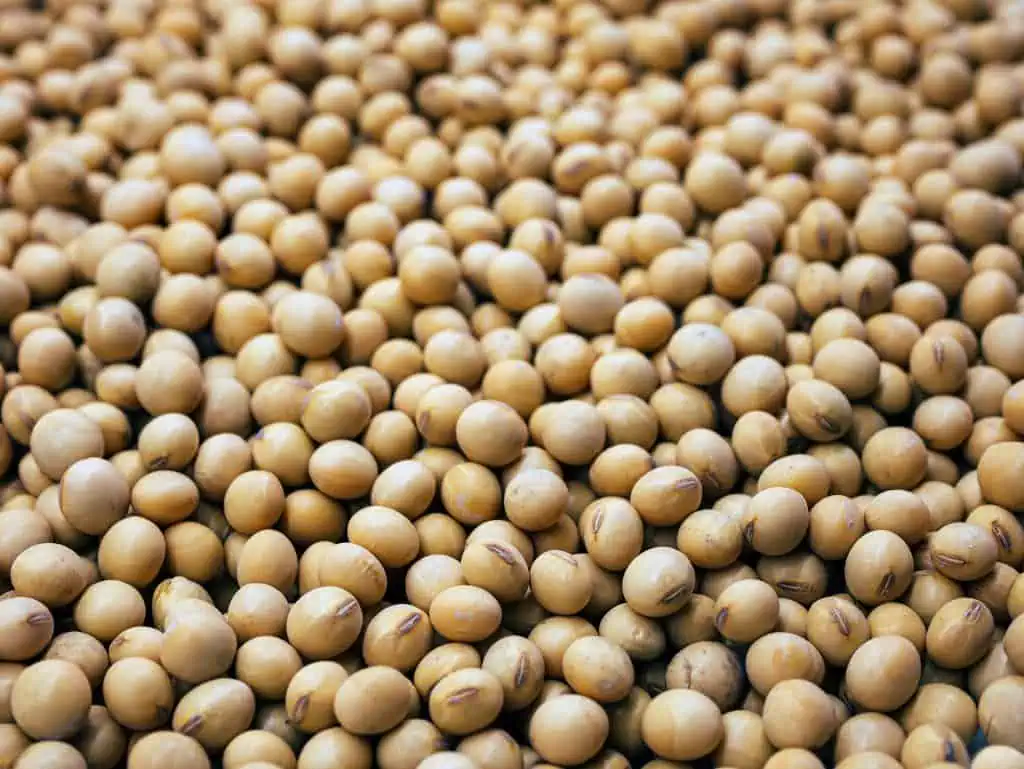
Soy products like tofu and tempeh are rich in genistein, an isoflavone that promotes collagen production. Incorporate soy by marinating tofu in a blend of ginger, garlic, and soy sauce before grilling to enhance its nutty flavor and texture. Tempeh’s firm bite pairs well with a quick sauté in sesame oil, allowing its natural umami to surface. These products not only provide a protein boost but also support skin elasticity. Experiment with different cooking techniques to meld flavors that enhance the soy's natural properties.
Aloe Vera Juice: Soothing Collagen Aid

Consumed internally, aloe vera juice can support collagen production by providing essential nutrients like vitamins C and E. For a refreshing beverage, combine aloe vera juice with freshly squeezed citrus and a hint of honey. The citrus adds a tangy brightness while honey’s sweetness balances the flavors. Chill before serving to enhance its soothing qualities. Look for organic, pure aloe vera juice to ensure you get the maximum benefits without added sugars or preservatives.
Spirulina: Algae with Amino Acids
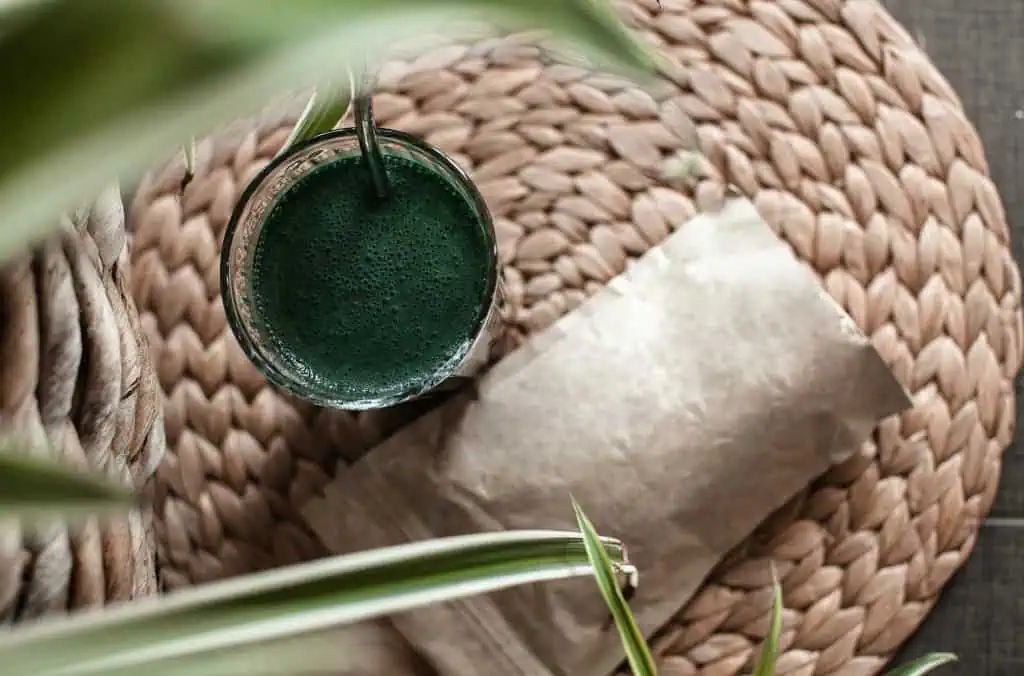
Spirulina, a blue-green algae, is packed with amino acids, essential for collagen synthesis. Try blending spirulina powder into smoothies for a vibrant green hue and a subtle earthy taste. Its high protein content and dense nutrient profile, including iron and B vitamins, make it an excellent supplement. Combine with tropical fruits like pineapple or mango to complement spirulina's flavor. This algae not only aids in collagen support but also boosts overall antioxidant intake.


