
15 Traditional Foods Native Tribes Thrived On Before Colonization

Long before European settlers set foot on American soil, Indigenous communities had already mastered the art of sustainable eating. Their deep connection to the land birthed a diverse food culture rooted in ceremony, survival, and community. These weren't just ingredients—they were lifelines. Let’s rediscover the vital foods that nourished entire nations and still echo in culinary traditions today.
1. The Versatile Power of Corn

Corn wasn’t merely a crop—it was culture. Tribes across the continent grew maize using a companion planting method with beans and squash, ensuring soil health and balance. It was boiled, ground, roasted, or shaped into dishes like tamales and hominy. Each region grew its own variety, from flint to sweet corn. Beyond sustenance, maize played symbolic roles in ceremonies, representing fertility and the cycle of life.
2. Acorns: From Bitter to Life-Giving
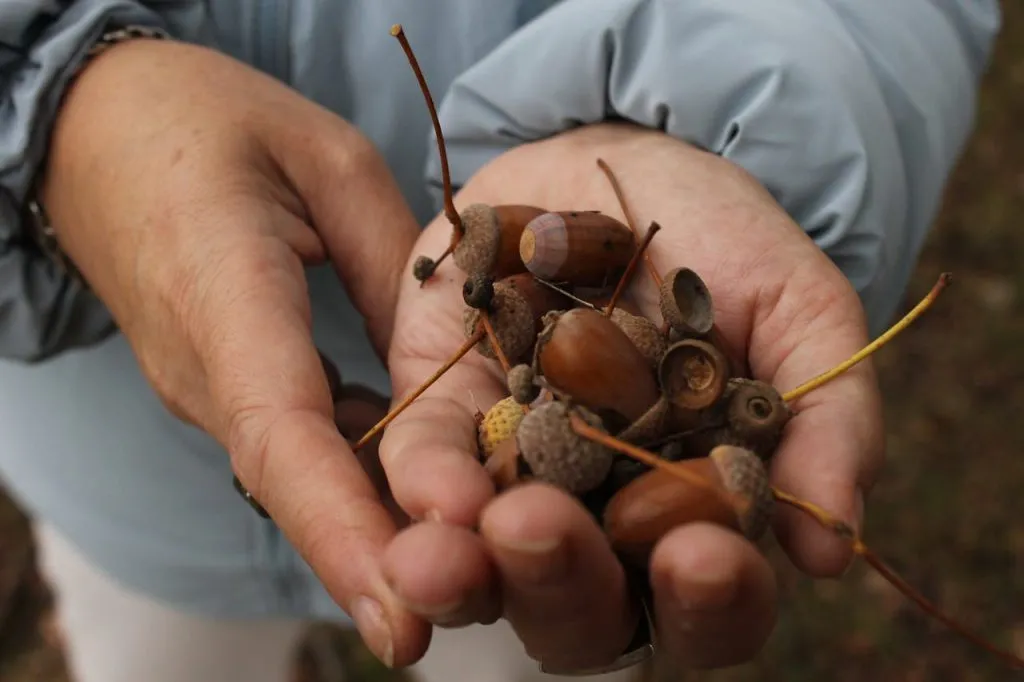
In oak-rich regions like California, tribes such as the Chumash and Miwok turned acorns into an essential food. The process was laborious—shelling, leaching, drying, and pounding—but the reward was nourishing flour for mush and bread. Acorns, rich in fat and carbs, were ideal for storage and survival. Families even stored them as food insurance, showcasing the value of preparation and preservation.
3. Salmon: The Pulse of the Pacific

For tribes of the Pacific Northwest such as the Chinook and Tlingit, salmon was the heartbeat of their diet and culture. Timed with nature’s rhythm, salmon runs shaped calendars and spiritual ceremonies. Fish were preserved through smoking and drying, ensuring year-round food. From nets to wooden weirs, fishing required generational knowledge. Each catch was respected as a gift from the river, not a guarantee.
4. Beans: The Soil Healers

More than just nutrition, beans played a key role in Indigenous agriculture. Grown alongside corn and squash, beans enriched the soil by fixing nitrogen, creating a sustainable loop. The Cherokee, Iroquois, and other tribes relied on their protein-rich seeds to round out plant-based diets. Whether used fresh or dried, they featured in hearty stews and communal meals, supporting both land and life.
5. Wild Rice: A Sacred Water Harvest

Nestled in shallow lakes and rivers, wild rice was a treasured staple for Great Lakes tribes like the Ojibwe. Harvested from canoes with gentle paddling and tapping techniques, this aquatic grass provided both nutrition and tradition. High in protein and resilient through winter, its nutty flavor enriched many dishes. Wild rice also held spiritual weight, often linked to migration stories and seasonal rituals.
6. Maple Syrup: Sweetness from the Trees

When winter loosened its grip, Northeastern tribes like the Haudenosaunee tapped sugar maples to gather sap. Boiled over fire into syrup or hardened into cakes, this natural sweetener provided crucial calories in lean times. Syrup wasn’t just for taste—it was a celebration of survival and seasonal change. Even children enjoyed frozen syrup treats poured over snow, a sugary joy passed down through generations.
7. Buffalo: Provider of More Than Meat

Across the Great Plains, buffalo were sacred providers. Tribes like the Lakota and Comanche relied on them not only for meat but for tools, clothing, and shelter. Nothing was wasted—bones became knives, hides became teepees, and dung became fuel. Meat was preserved as pemmican, a high-energy mix of dried bison, berries, and fat. These massive animals fed more than bodies—they fueled entire lifeways and belief systems.
8. Saguaro Fruit: Desert Harvest Ritual
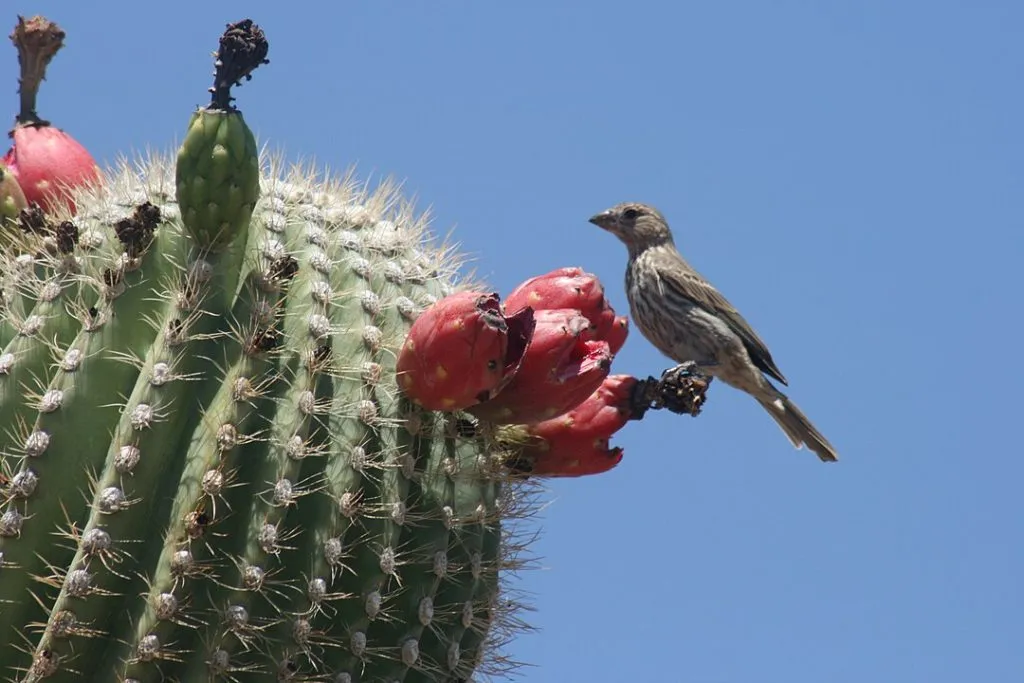
In the heat-scorched Sonoran Desert, the Tohono O’odham people welcomed summer with the saguaro fruit harvest. Using long cactus-rib poles, they knocked the ripe, sweet fruit from towering cacti. Juice was collected for drinking or fermentation during ceremonies, while seeds were ground into nutrient-rich paste. This ritual wasn’t just practical—it marked renewal, gratitude, and the start of a new year in their cultural calendar.
9. Shellfish: Gifts from the Tide

Along ocean coasts, tribes like the Salish and Wampanoag gathered clams, mussels, oysters, and other shellfish from tidal flats. Cooking methods ranged from roasting on stones to smoking for preservation. These protein-rich resources were available year-round, tied closely to the lunar cycle. Ancient heaps of shells—middens—still mark these feasts. Shells weren’t just waste; they became tools, ornaments, and items of trade.
10. Squash: Nourishment That Lasts

Completing the trio in the “Three Sisters” method, squash offered nourishment and environmental protection. Its wide leaves shaded the soil, retaining moisture and deterring weeds. Tribes cultivated varieties ranging from tender summer squash to hardy pumpkins. Eaten roasted, mashed, or sun-dried, squash could sustain families through harsh winters. Even its seeds were roasted for snacks, proving that every part had value.
11. Amaranth: The Sacred Supergrain

Amaranth was no ordinary grain. Cultivated by tribes like the Pueblo and Aztecs, it offered both edible seeds and leafy greens. Its seeds could be toasted, popped, or milled into flour, while the leaves were cooked like spinach. Rich in protein and containing all nine essential amino acids, it stood out nutritionally. Resistant to drought and versatile in use, amaranth also held ceremonial importance, often shaped into sacred cakes.
12. Tree Nuts: Nature’s Fall Bounty

In the forests of the East, tribes like the Creek and Powhatan depended on walnuts, pecans, and hickories during autumn harvests. These energy-dense nuts were roasted, ground into pastes, or even turned into creamy hickory “milk.” High in fats and minerals, they were stored in large quantities for winter sustenance. Nut gathering became an annual community event, transforming wooded groves into temporary larders.
13. Jerusalem Artichoke: Hidden Root Treasure
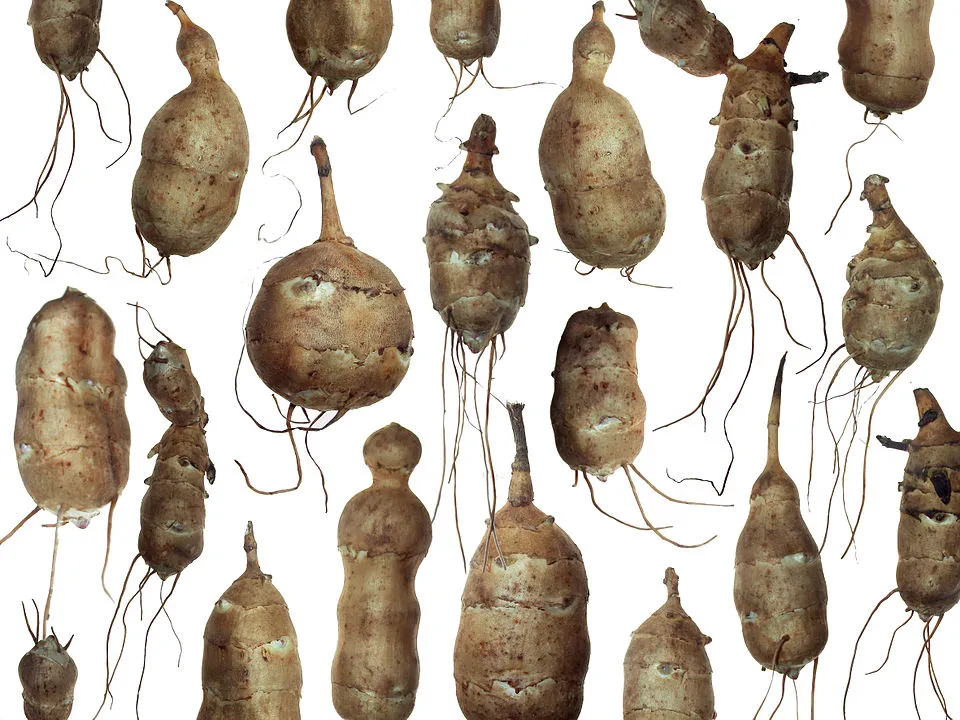
Buried beneath North American soil, the Jerusalem artichoke provided a sweet, nutty root that tribes like the Pawnee and Dakota eagerly unearthed in spring and fall. This perennial required no replanting, making it a dependable food source year after year. High in inulin fiber and beneficial for digestion, it added depth to stews and roasts. It also stored well underground, offering nutrition long after other crops faded.
14. Prickly Pear: Desert Fruit with a Punch

Thorns didn’t stop the Navajo and Apache from harvesting the vibrant prickly pear cactus. Its pads were boiled or grilled like vegetables, while its juicy magenta fruits were peeled and eaten fresh or dried. Packed with vitamin C and antioxidants, prickly pear was both food and medicine. Its juice was used in dyes and healing tonics. In dry climates, it quenched thirst and provided much-needed nutrients.
15. Chokecherries: Tart and Tenacious

Tart and potent, chokecherries were a foraged favorite of Plains tribes like the Crow and Cheyenne. Though puckering when raw, they were transformed into rich pemmican, jam, or juice. After sun-drying the fruit—sometimes with the pit for added nutrition—they were used for both sustenance and medicine. Gathering chokecherries was often communal, reinforcing bonds while preparing food for leaner seasons.


