
Is This the End? The Quiet Decline of a Fast-Food Icon

Fast food, once a symbol of convenience and standardization, is facing a gradual decline. Once ubiquitous outlets are now encountering new challenges that redefine their role in modern cuisine. This shift doesn’t necessarily spell the end, but it highlights significant changes in consumer behavior and industry demands. Understanding these evolving dynamics is crucial for both food enthusiasts and industry insiders who aim to stay ahead in a shifting culinary landscape.
Rising Challenges in the Fast-Food Industry

The fast-food industry is grappling with multiple hurdles that jeopardize its traditional business model. Rising labor costs, increased scrutiny over supply chain practices, and growing environmental concerns are pressing operators to rethink operations. Efficient preparation techniques must balance speed with quality, emphasizing sustainable sourcing and waste reduction. These challenges demand innovation, calling for smarter kitchen technologies and redefined customer engagement strategies to maintain profitability in a competitive market.
Changing Consumer Preferences

Today's consumers are more discerning than ever, seeking authenticity and uniqueness in their culinary experiences. A growing demand for fresh ingredients and transparent sourcing underscores the shift towards quality over convenience. Fast-food chains must adapt by featuring customizable options and promoting their offerings’ nutritional value. Highlighting local produce and crafting flavor profiles that resonate with health-conscious diners can revitalize menus, aligning them with modern gastronomic trends while meeting evolving consumer expectations.
Competition from Healthier Alternatives

Healthier dining options are steadily gaining ground, challenging fast-food establishments to innovate or risk obsolescence. The surge in plant-based and organic food markets offers a glimpse into changing preferences where health factors often outweigh the allure of quick service. Embracing this shift involves adopting plant-forward items and enhancing menu diversity. Successful integration calls for creative culinary approaches that emphasize taste and nutrition without sacrificing the efficiency that defines fast food.
Impact of Digital Transformation

Digital transformation is reshaping how fast food intersects with technology, from mobile ordering apps to advanced kitchen equipment. Efficient data analytics offer insights into consumer preferences, allowing for personalized marketing and enhanced customer experiences. Automation streamlines operations, reducing errors and improving service speed. As online platforms become integral to dining experiences, adaptability to digital innovations is essential for remaining relevant and connecting with a tech-savvy audience.
Declining Franchisee Relations

Franchisee satisfaction is essential for sustaining a brand. Recently, strained franchisee relationships have emerged as a silent threat. Issues stem from increasing operational costs with minimal support from corporate offices, putting a strain on profitability. Encouraging open communication and transparent decision-making between franchisors and franchisees can foster a cooperative atmosphere. Creating support systems, such as regular training and financial assistance programs, can revitalize these crucial partnerships. Addressing these concerns proactively is vital for overall brand stability.
Marketing Missteps and Brand Perception
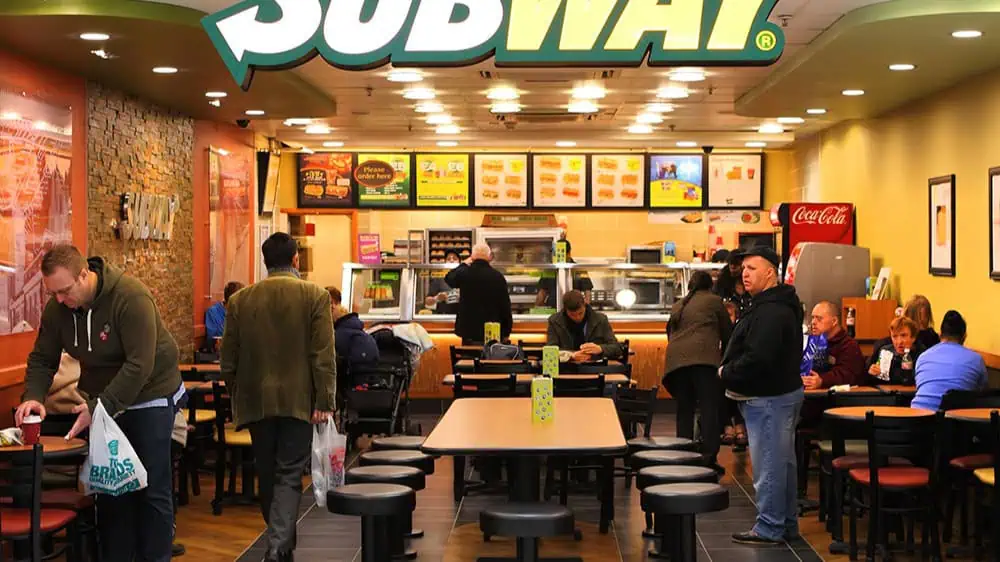
Effective marketing is the backbone of brand perception, yet recent initiatives may not resonate with modern consumers. Overwhelming fragmentation in message or outdated advertising strategies can dilute brand identity. Emphasizing clear, consistent communication that aligns with current trends is crucial. This involves harnessing digital platforms to engage with a younger demographic, utilizing intuitive campaign designs, and crafting relatable narratives. Investing in market research to understand shifting consumer preferences can guide new, impactful promotion strategies.
Global vs. Local Market Dynamics
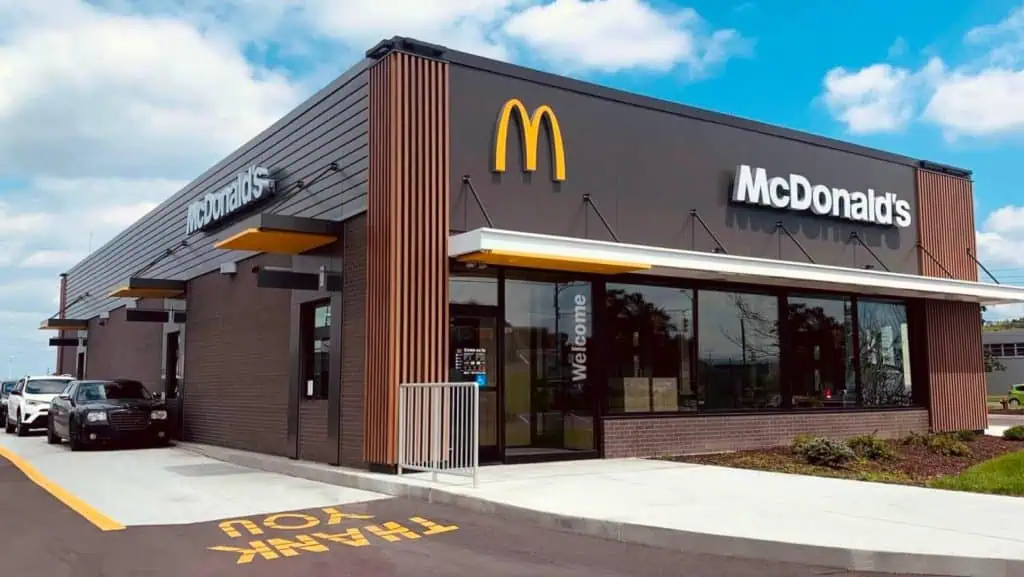
Balancing global standards with local market preferences can be challenging. A uniform approach might not always be effective, as regional tastes and consumer behaviors vary widely. Tailoring offerings to meet local demands while maintaining core brand values allows for more relevant consumer engagement. Assessing competitive landscapes and integrating localized marketing efforts can create resonance with diverse audiences. This balance can drive both growth and loyalty, ensuring products stay desirable across borders.
Efforts to Revitalize the Brand

Revitalizing an iconic fast-food brand requires innovation and adaptation. This involves refreshing menu items to align with health trends, incorporating sustainable practices, and modernizing dining experiences with technology. Inviting consumer feedback through interactive platforms can provide insight into desired changes. Collaborative community engagement can also boost brand image, creating a sense of social responsibility. Strategic partnerships with influencers and leveraging social media can help redefine brand identity, attracting a broad audience.


