
15 Spices Every Home Cook Should Try at Least Once

Exploring a variety of spices can elevate your cooking from ordinary to extraordinary. For home cooks, incorporating new spices into familiar dishes offers an opportunity to experiment with flavors and textures. Each spice brings its own unique characteristics to your culinary repertoire, enhancing not only taste but also the experience of cooking. This guide focuses on 15 essential spices that provide depth and complexity to everyday meals, making them a worthy addition to any spice rack.
Turmeric: The Golden Spice
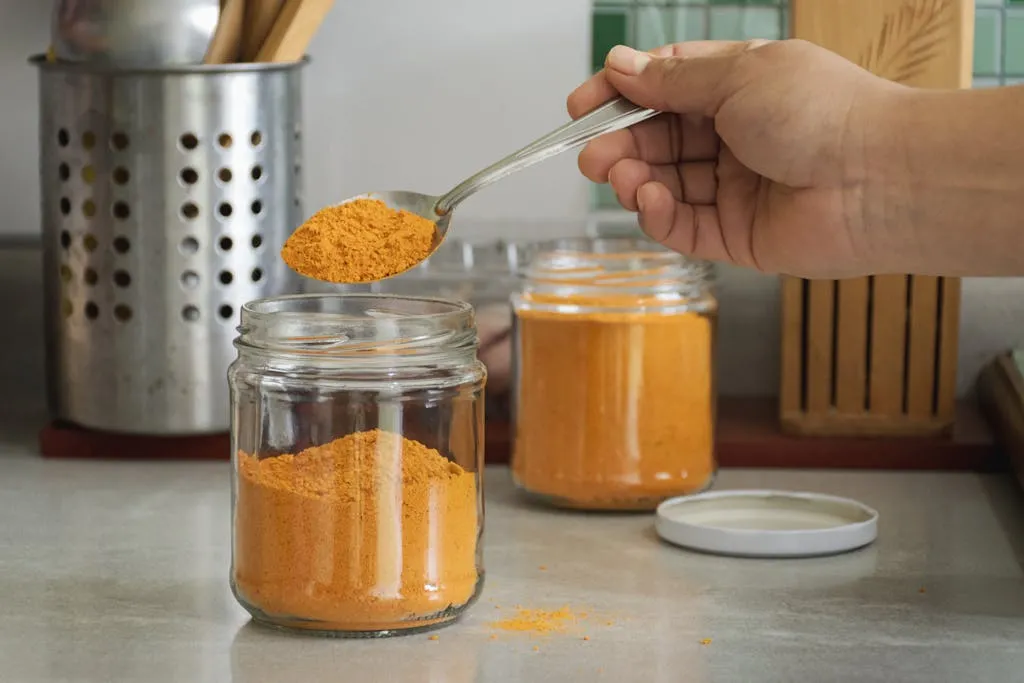
Turmeric is prized for its vibrant color and subtle earthy flavor. When using turmeric, balance its distinct taste by pairing it with compatible spices like cumin and coriander. It's excellent in curries, adding depth and complexity to the dish. To maximize its benefits, gently heat turmeric in oil at the start of cooking to unlock its full aroma. Its color is also perfect for brightening up rice and soups, lending a warm hue that visually enhances your dish.
Cumin: Earthy and Aromatic
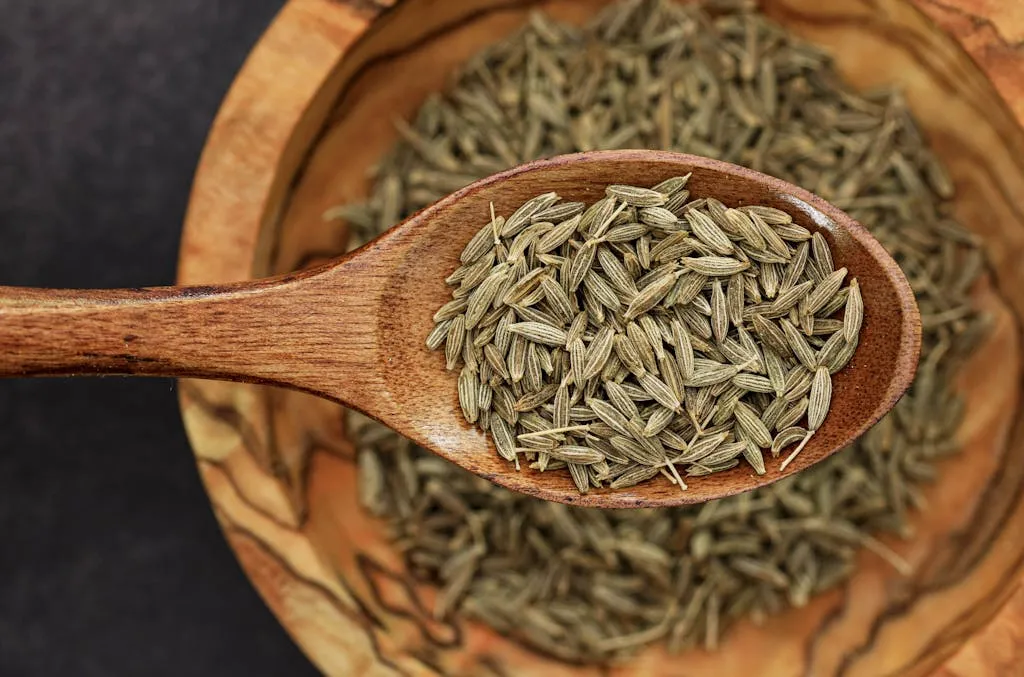
Cumin is known for its warm, nutty flavor that becomes more pronounced when toasted. To bring out its aromatic qualities, toast whole cumin seeds in a dry skillet over medium heat until fragrant, then grind them for a fresher, more potent taste. Whether used in Mexican, Indian, or Middle Eastern cuisines, cumin imparts a unique depth to meats and vegetables. Its affinity for enhancing savory dishes makes it versatile and indispensable in a home kitchen.
Saffron: A Touch of Luxury
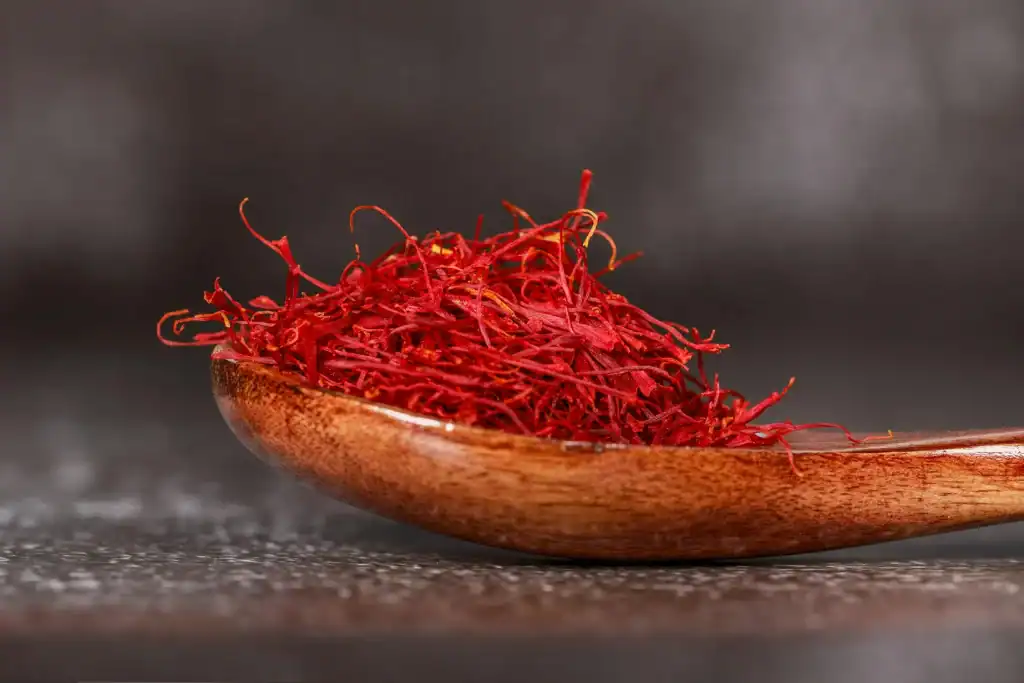
Saffron, with its delicate threads, adds a luxurious touch to any dish. Its distinctive floral flavor and golden hue transform simple recipes into something special. To best utilize saffron, steep the threads in warm water or milk before adding them to your dish, ensuring a more even distribution of color and flavor. A little goes a long way, so use it sparingly to enhance risottos, paellas, and desserts without overpowering other ingredients.
Cardamom: Sweet and Spicy
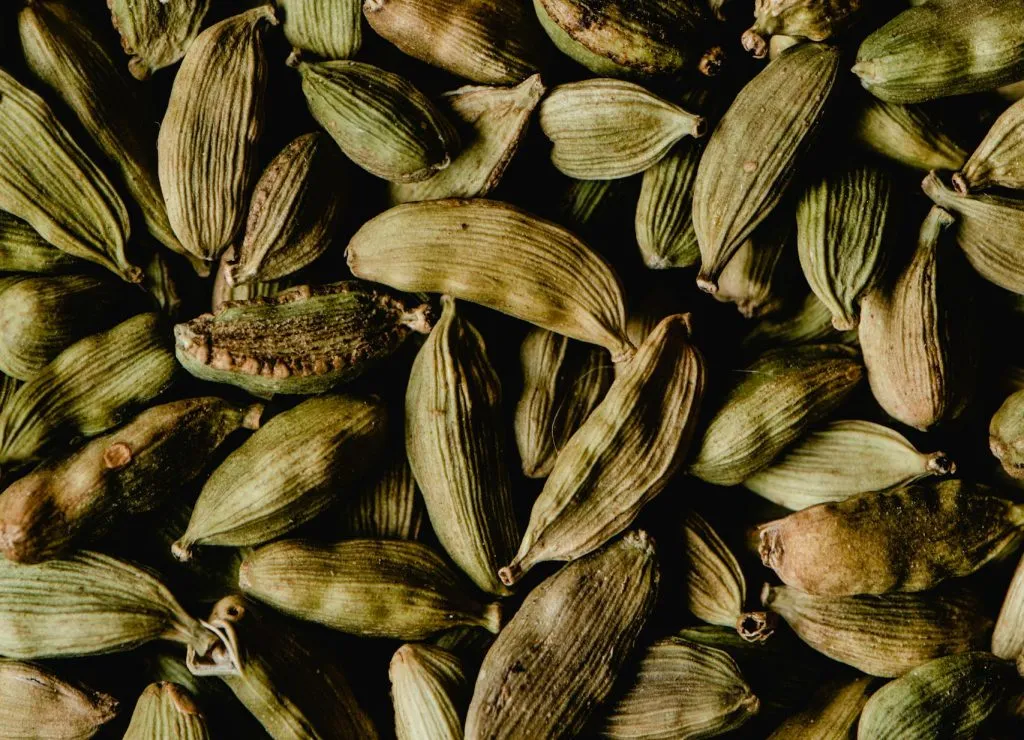
Cardamom’s unique blend of sweet and spicy notes makes it a versatile spice for both savory and sweet dishes. When using cardamom, crush the pods to release the seeds and grind them for a fresher taste. It pairs exceptionally well with cinnamon and cloves, enriching pastries and desserts. In savory dishes, like curries and stews, cardamom adds an aromatic layer that enhances the flavor complexity. It’s an essential spice for those looking to expand their flavor profile.
Smoked Paprika: Bold and Smoky
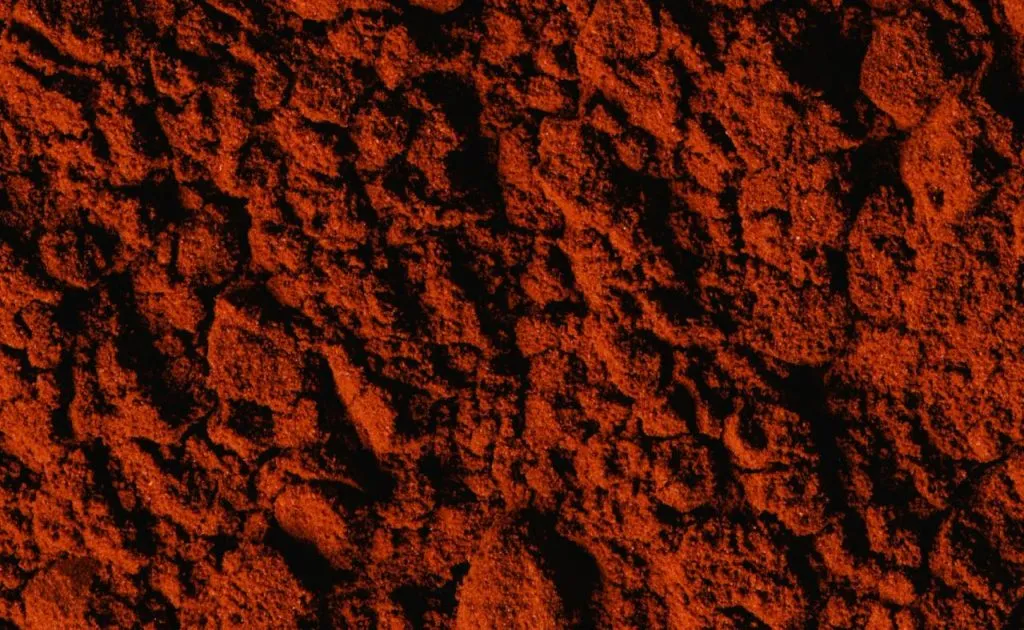
Smoked paprika offers a deep, earthy warmth to various dishes. Its unique aroma comes from smoking the paprika peppers, imparting a robust character. This spice works wonders in rubs for meats, especially pork and chicken, elevating the smoky flavor profile. For vegetarian dishes, a sprinkle on roasted vegetables or in hummus adds complexity. When cooking, begin with a small amount, as its intensity can quickly overshadow milder ingredients. Combining it with olive oil releases its full depth, ensuring an even distribution of flavor across your dish.
Sumac: Tangy and Vibrant
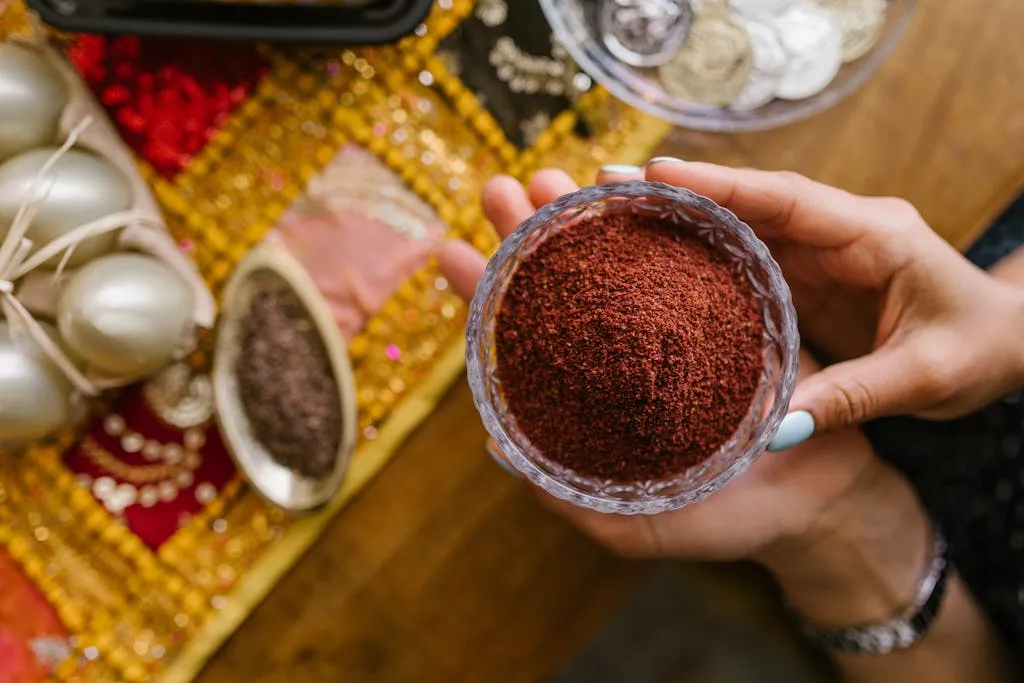
Sumac is prized for its tangy brightness, perfect for adding a lemony zest without the acidity. It’s ideal for seasoning grilled meats, fish, and salads, where a touch of citrusy tang elevates the flavors. Another excellent use is in traditional Middle Eastern dishes like fattoush, where sumac activates the freshness of tomatoes and cucumbers. To get the best results, sprinkle sumac just before serving, as heating can diminish its vibrant taste. Pair sumac with nuts and herbs for a unique, refreshing flavor boost.
Coriander: Fresh and Citrusy
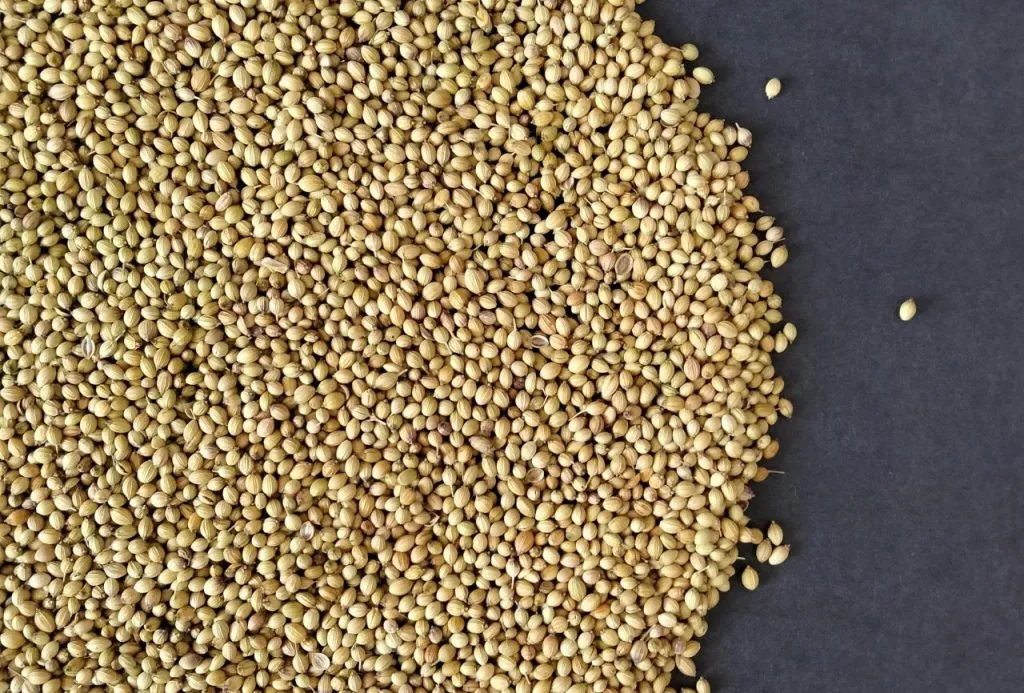
Coriander seeds provide a subtle citrusy note that's both warm and refreshing. When toasted, they release a nutty aroma that enhances curry pastes and marinades. Ground coriander is perfect for seasoning stews, soups, and your favorite BBQ rubs, offering a mild, sweet undertone. To maximize its potential, crush the seeds just before using to release their essential oils. For baking and desserts, a hint of ground coriander can beautifully complement citrus fruits, balancing sweetness with its gentle earthiness.
Star Anise: Exotic and Fragrant
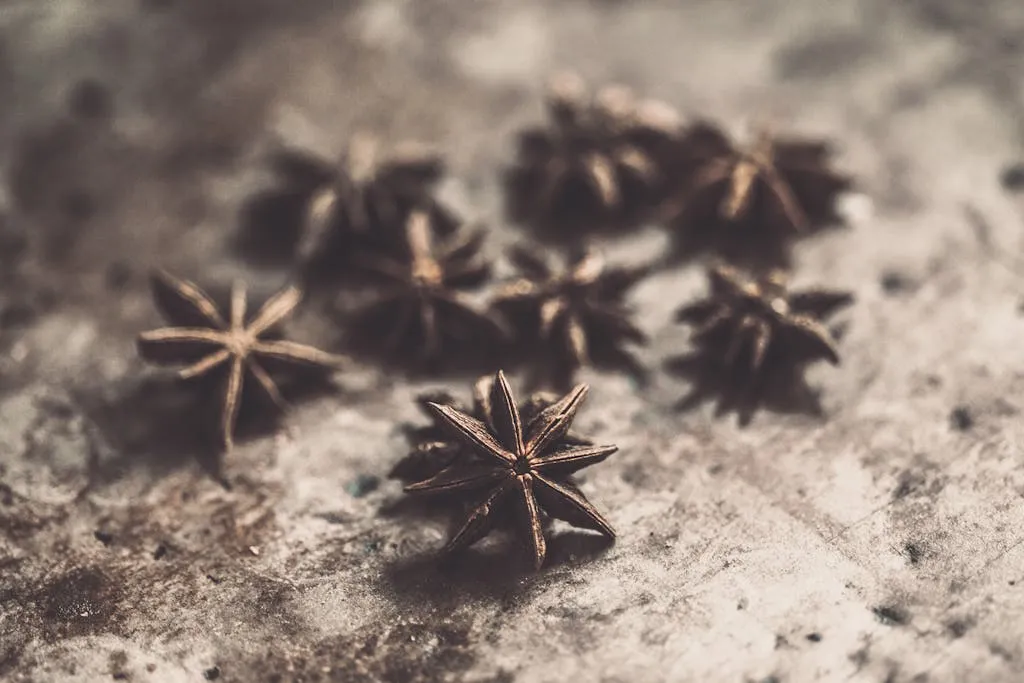
Star anise is renowned for its strong licorice-like aroma, adding depth to both savory and sweet dishes. It's a staple in Chinese five-spice powder and excels in long-simmering dishes like braises and stews, where its flavors can infuse gradually. For desserts, star anise pairs well with pears and apples, accentuating their natural sweetness. To use, remove the spice before serving to prevent overwhelming your dish. Store it in an airtight container to maintain its potent fragrance over time.
Fenugreek: Nutty and Bitter
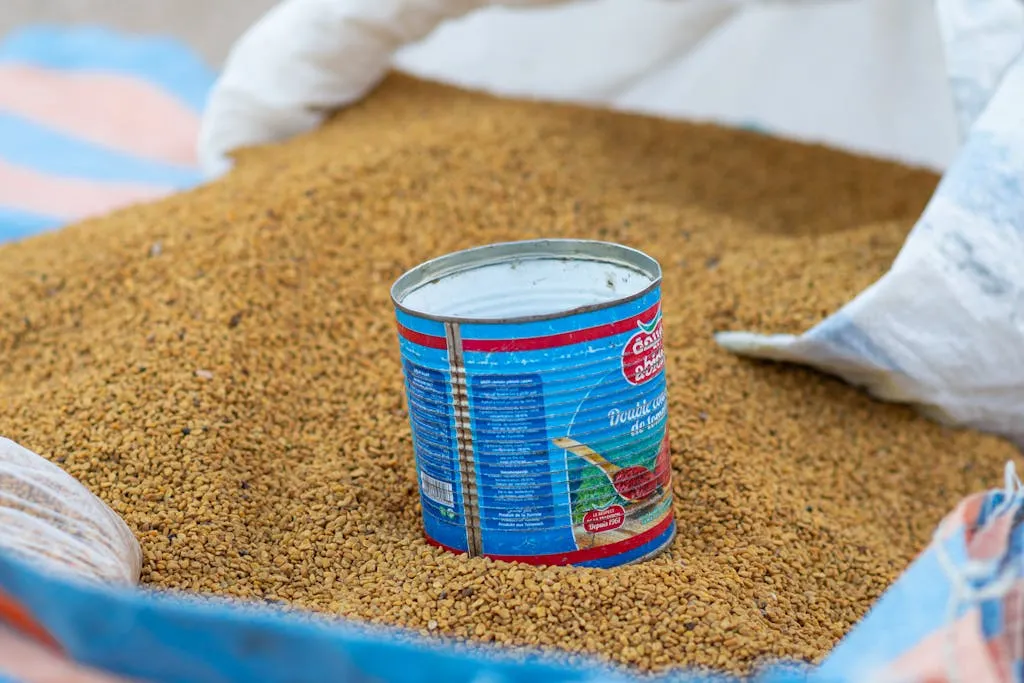
Fenugreek seeds offer a distinct nutty, slightly bitter flavor that transforms as it cooks. Essential in Indian cuisine, they are often used in spice blends like garam masala. Roasting the seeds mellows their bitterness, making them a delightful addition to curries and stews. In small doses, fenugreek enhances sauces and even bread with a hint of maple syrup sweetness. Crush the seeds lightly to release their oils, and incorporate them in lentil dishes for a subtle depth. As a garnish, use fenugreek leaves to add an aromatic finish.
Garam Masala: Warm and Complex
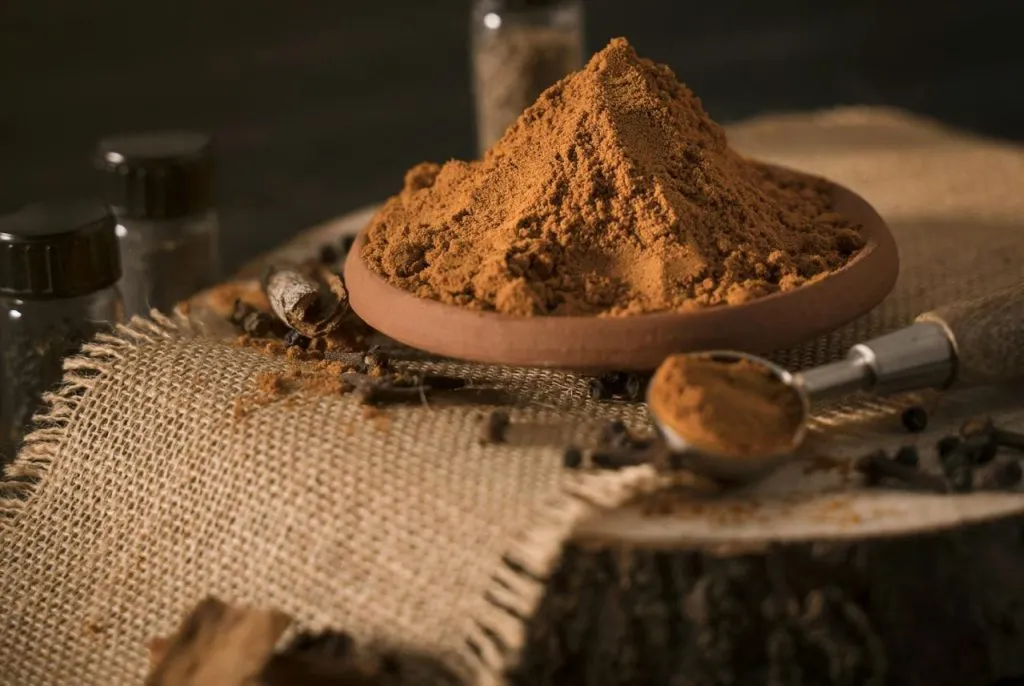
Garam Masala is a quintessential spice blend in Indian cuisine, renowned for its warming and complex notes. Typically combining cumin, coriander, cardamom, cloves, cinnamon, and nutmeg, this spice mix should be toasted briefly before use to unlock its full flavor potential. Use it to season sautéed vegetables or sprinkle over roasted meats just before serving. The careful balance of spices provides a rich depth without overwhelming your dishes, allowing the layers of each ingredient to shine through.
Za’atar: Middle Eastern Zing
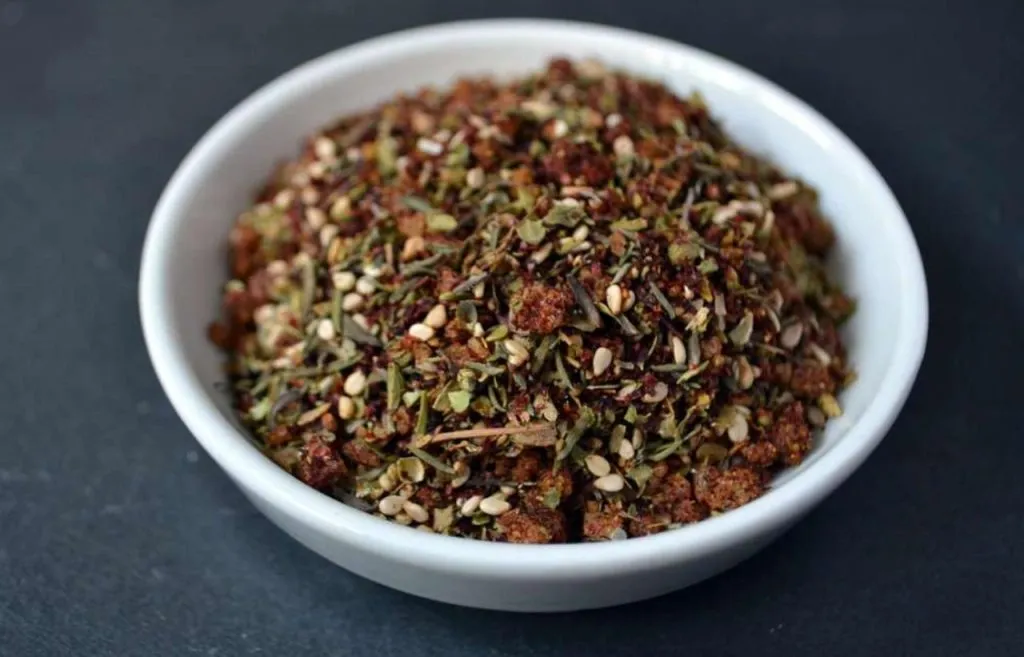
Za’atar delivers a vibrant zing that elevates dishes with its mix of dried thyme, sumac, and sesame seeds. It infuses a nutty, citrusy brightness and pairs beautifully with bread and olive oil for a simple dip. For a fuller application, rub it generously on chicken before baking or sprinkle over roasted vegetables for a fragrant finish. Freshness is key, so store za’atar in an airtight container and use within a few months to ensure the full boldness of its flavors.
Fennel Seeds: Subtle Sweetness
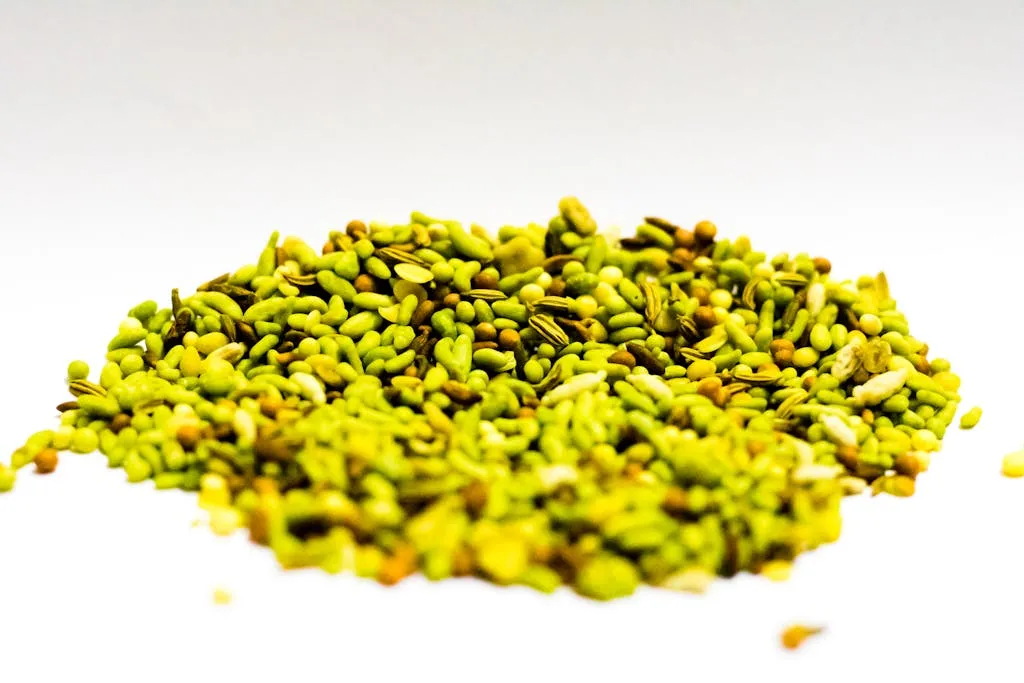
Fennel seeds are cherished for their subtle sweetness and anise-like flavor. These seeds can be dry-roasted and added to spice blends or ground to infuse a gentle freshness into sauces and baked goods. They complement rich meat dishes, and when lightly crushed, can add depth to salads or dressings. To optimize their fragrance, lightly toast in a dry pan until aromatic. Fennel seeds also support digestion, making them a thoughtful addition to post-meal teas.
Mustard Seeds: Spicy Heat
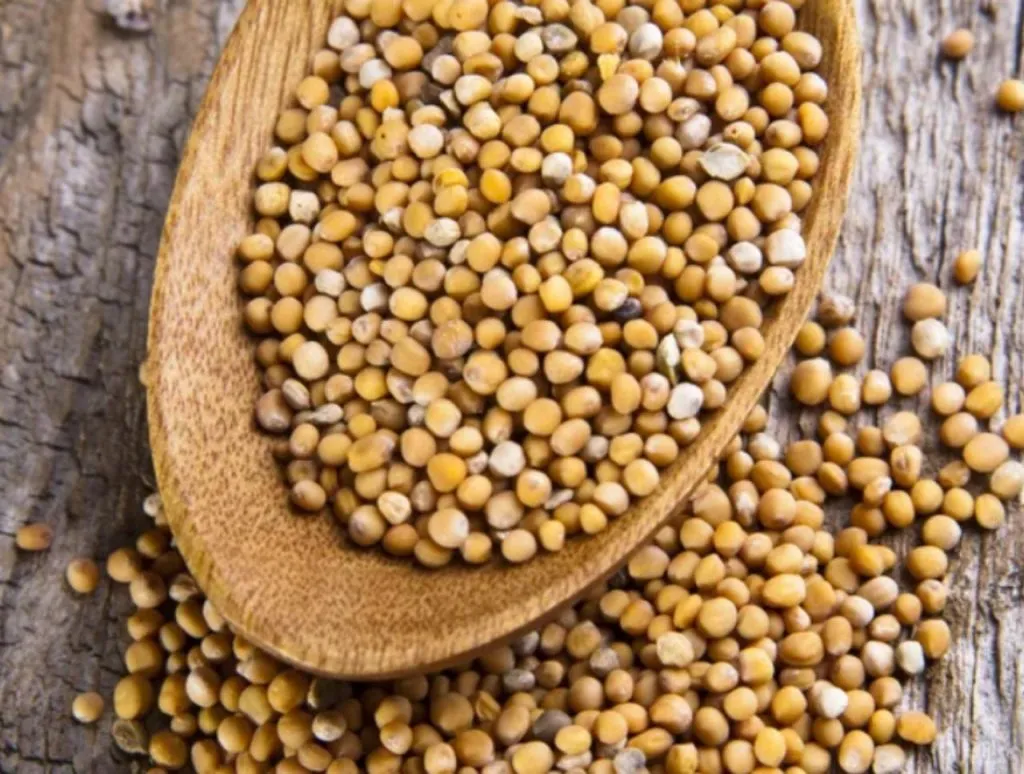
Mustard seeds, whether black, brown, or yellow, bring a unique spicy heat to a dish. When used whole, they add crunch and a punch of flavor to pickles or curries. To temper their heat and coax out a nutty aroma, try popping them in hot oil before adding other ingredients. Ground mustard can be incorporated into sauces and dressings for a tangy kick. The intensity varies with seed color, so experimentation will help identify the right balance for your culinary arsenal.
Cinnamon: Sweet and Savory Uses
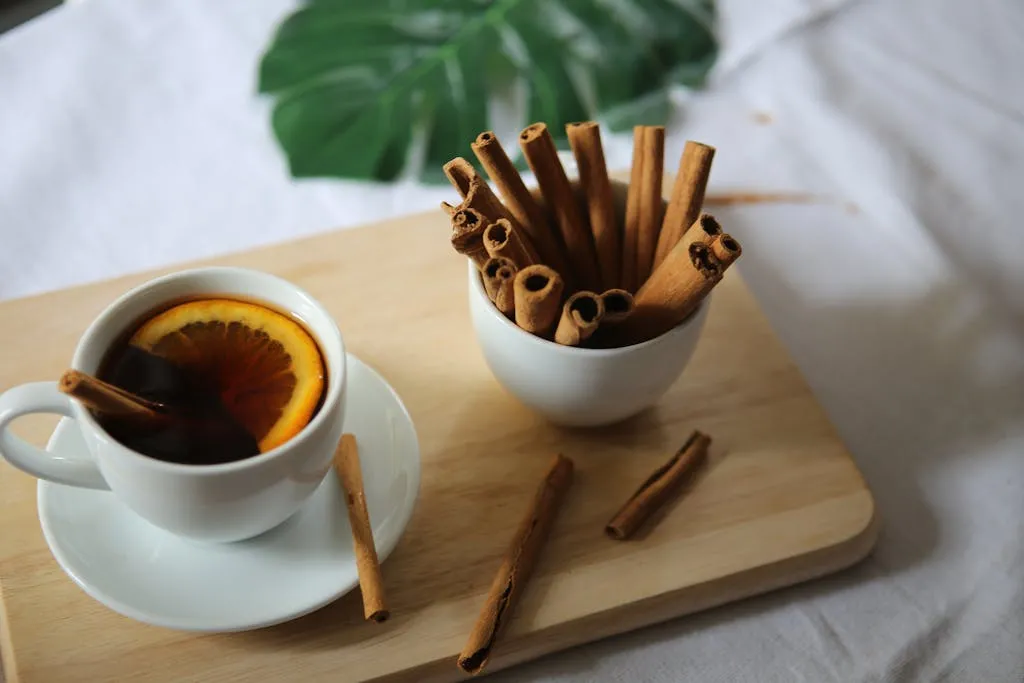
Cinnamon is a versatile spice that straddles the line between sweet and savory. A key player in baked goods, its warm scent enhances desserts and coffee. Alternatively, cinnamon sticks can enrich savory dishes like tagines or curries, imparting warmth without overpowering. When using ground cinnamon, choose freshly grated for the best flavor, and pair with other spices like cloves and nutmeg to build complex profiles. The dual nature of cinnamon makes it a staple in any home cook's spice collection.
Clove: Pungent and Powerful
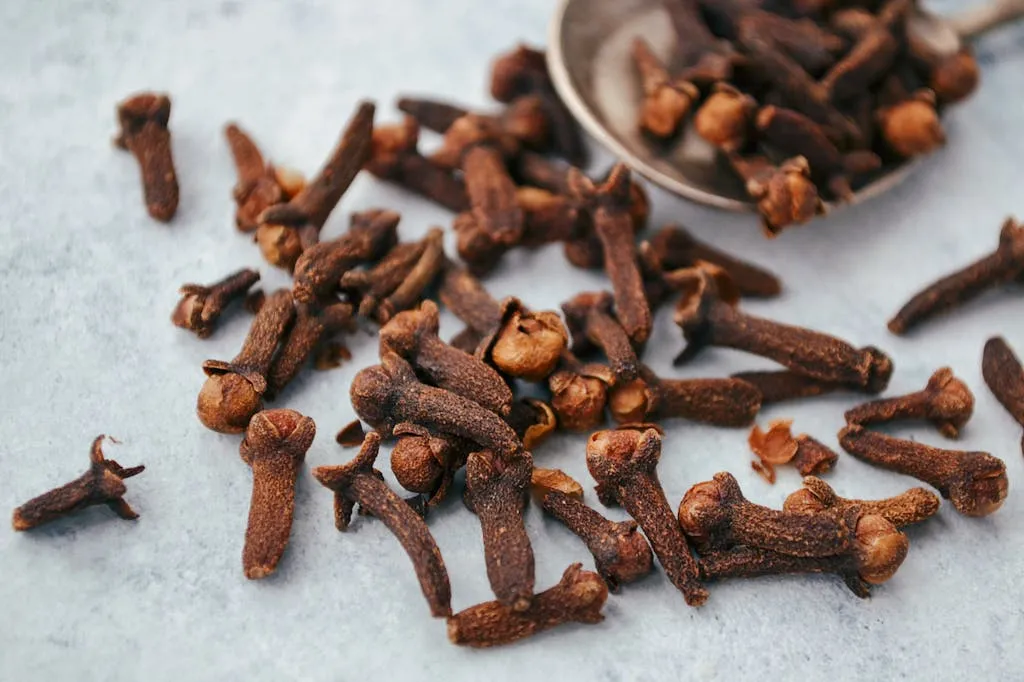
Cloves, with their deep, warm aroma, are renowned for their ability to infuse dishes with a distinctive intensity. This spice is perfect for both sweet and savory applications. When preparing a rich beef stew, consider adding a few whole cloves for a layer of complexity that complements the meat’s natural richness. For baking, ground clove pairs beautifully with cinnamon and nutmeg in spiced cakes or pumpkin pie. It's crucial to use cloves sparingly; their robust flavor can easily overpower a dish. A light hand ensures their aromatic depth enhances rather than dominates.


