
15 Foods Too Expensive in 2025 for Most Shoppers

Grocery bills in 2025 are hitting record highs, with inflation, supply chain issues, and climate pressures driving up food prices around the world. While some staples remain affordable, many everyday favorites have become luxuries for the average shopper. From proteins to produce, these foods have seen price spikes that make them harder to justify at checkout. Here are 15 items straining wallets the most this year.
Beef
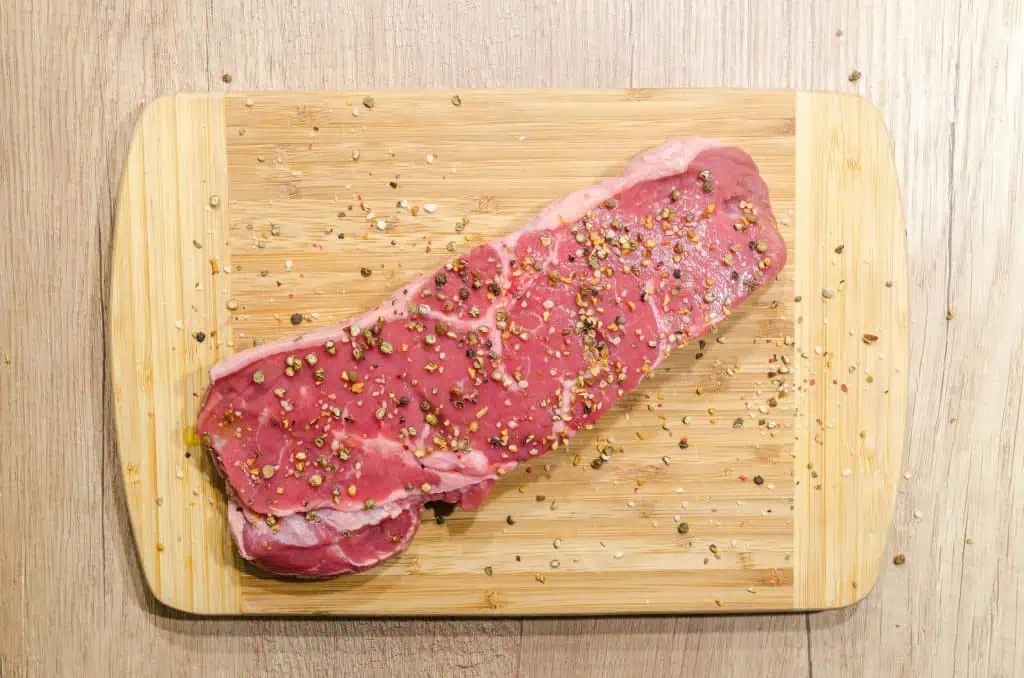
Beef prices have soared due to rising feed costs, drought conditions, and reduced cattle herds. Cuts like steak and brisket have become special-occasion meals instead of weekly staples. For many households, switching to chicken or plant-based proteins is now more practical.
Eggs
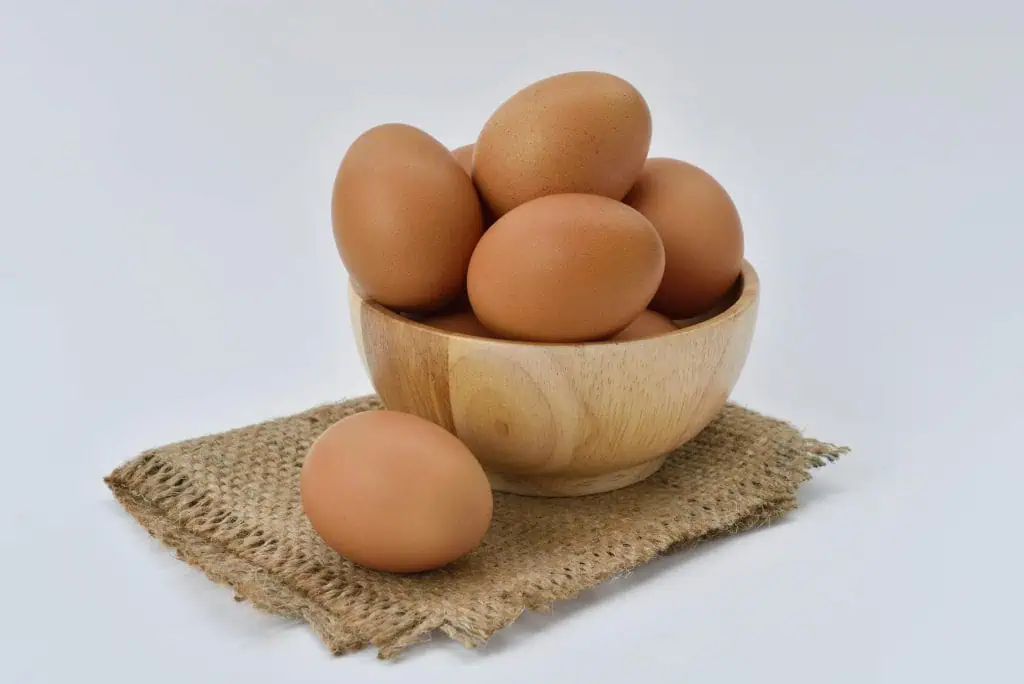
Eggs, once considered a cheap protein source, have faced steep price increases after ongoing outbreaks of avian flu reduced supply. Combined with higher feed and transport costs, a carton of eggs now costs far more than just a few years ago, squeezing breakfast budgets.
Coffee

Coffee beans have been hit by climate change, with poor harvests in key countries like Brazil driving up prices. Supply shortages and growing demand make coffee one of the most noticeable price hikes for everyday consumers, forcing many to cut back or switch to cheaper blends.
Olive Oil

Olive oil has skyrocketed in price due to extreme heat waves and droughts across Mediterranean countries. Production has plummeted, while demand remains strong. Once a kitchen staple, olive oil is now a premium item that shoppers are using more sparingly or replacing with alternatives.
Chicken

Chicken prices, usually a budget-friendly protein, have climbed due to higher feed and processing costs. Labor shortages in poultry plants have also contributed. While still cheaper than beef, chicken has lost much of its reputation as the affordable go-to option for families.
Cheese

Cheese has grown more expensive thanks to rising dairy production costs, supply chain bottlenecks, and strong export demand. Specialty cheeses in particular have become luxury items. Even basic varieties like cheddar and mozzarella are straining household grocery budgets.
Chocolate

Chocolate has become pricier as cocoa crops suffer from poor weather and disease in West Africa. With global demand staying high, shortages have pushed prices up dramatically. Once an affordable indulgence, chocolate is turning into an occasional treat.
Fresh Fish

Seafood prices have spiked as overfishing, fuel costs, and tighter regulations reduce supply. Popular fish like salmon and tuna are now much more expensive, making frozen or canned versions the more realistic choice for most families.
Rice

Rice, a global staple, has seen significant price hikes as major producers restricted exports to protect domestic supply. Climate issues such as floods and droughts have worsened the situation, making rice more costly and less accessible for everyday meals.
Fresh Berries

Blueberries, strawberries, and raspberries have all climbed in price due to climate-related crop failures and higher transportation costs. Once a common addition to breakfast tables, fresh berries are now seen as seasonal luxuries for many households.
Pork
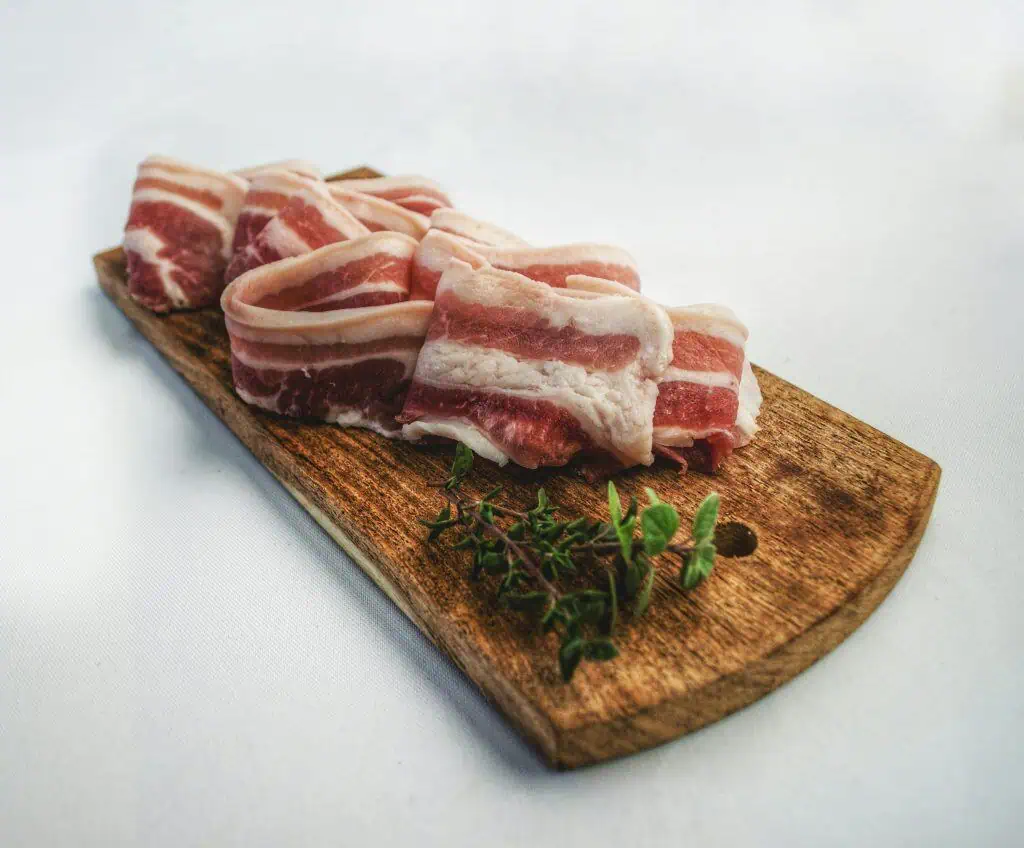
Pork prices have increased with higher feed costs, labor challenges, and global demand, especially from export markets. Cuts like bacon and pork chops are no longer cheap indulgences, and shoppers are opting for smaller portions or less frequent purchases.
Wine

Wine production has been hit hard by unpredictable weather, wildfires, and lower yields in major regions. Bottles that were once affordable mid-range options have nearly doubled in price, making casual wine drinking harder to maintain for many households.
Butter

Butter, a kitchen staple, has surged in price due to increased dairy costs and limited production. Bakers in particular feel the pinch, as recipes require significant amounts. Many consumers are now opting for margarine or plant-based spreads instead.
Lettuce
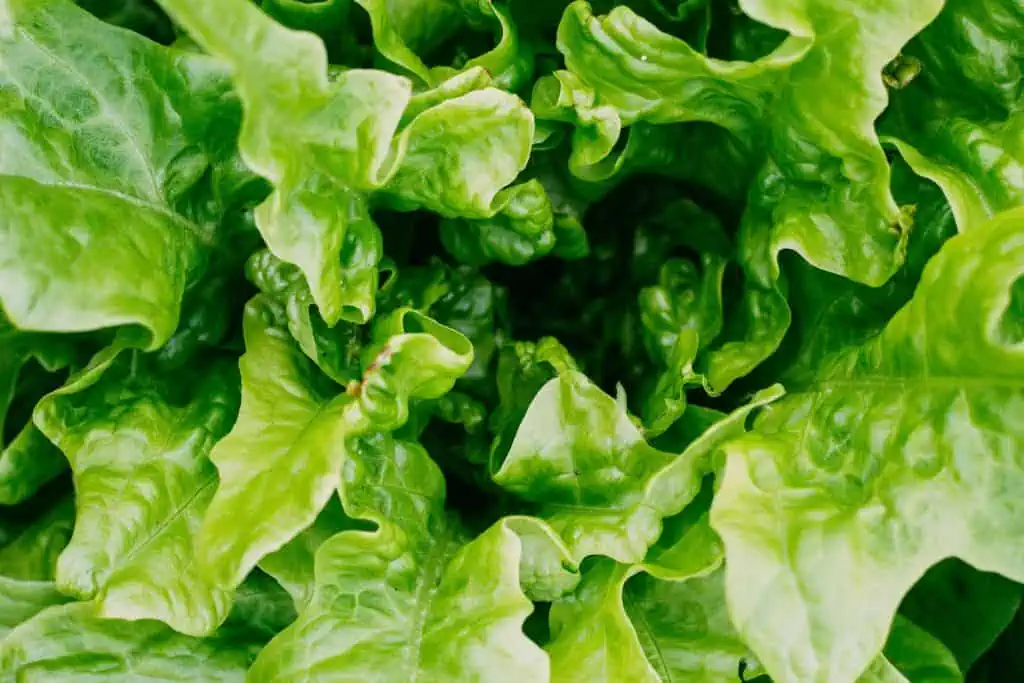
Leafy greens like lettuce have been impacted by droughts and pests, leading to poor harvests and higher prices. Restaurants and home cooks alike are struggling with costs, making salads a more expensive option than ever before.
Oranges
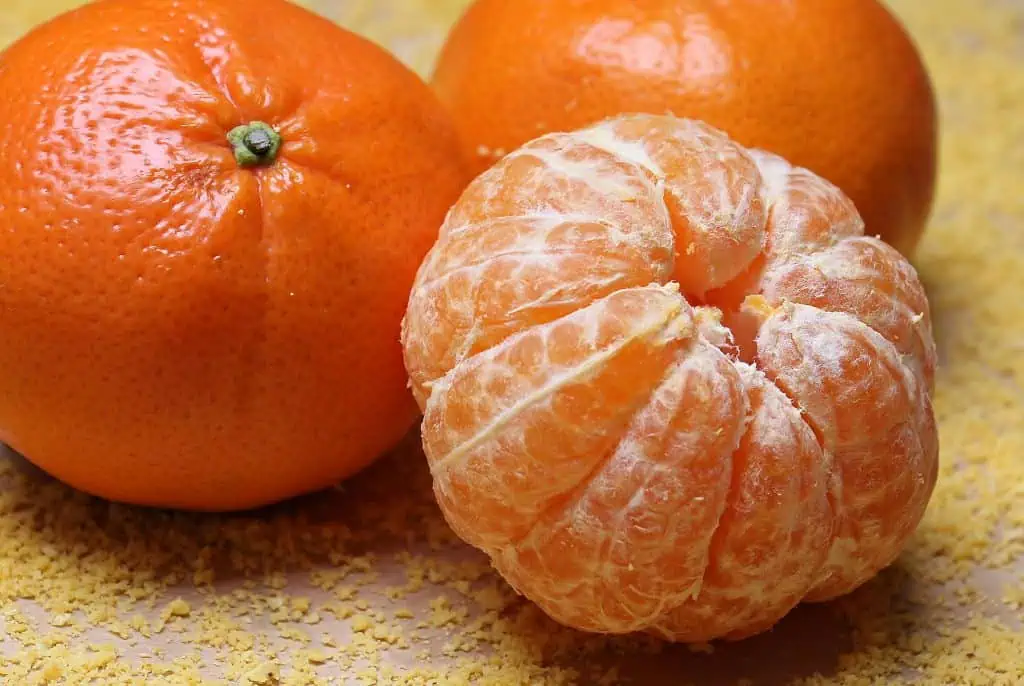
Oranges and other citrus fruits have been hit by disease outbreaks and reduced yields in Florida and Brazil. The shortage has sent juice and fresh fruit prices soaring, making this once-affordable source of vitamin C more difficult for many families to buy regularly.


