
15 Fermented Foods That Work Wonders for Your Gut

Fermented foods offer a powerful boost to gut health, teeming with probiotics that support digestion and resilience. Incorporating these foods into your diet can enhance your body's natural balance and overall well-being. This guide delves into 15 gut-friendly options, providing techniques and tips to maximize their benefits in your culinary routine.
Sauerkraut: A Tangy Gut Booster

Sauerkraut, traditionally made from finely shredded cabbage fermented by lactic acid bacteria, is a staple for any gut-friendly diet. Its tangy flavor and crunchy texture result from the fermentation process, which also enhances its nutritional profile. To get the most benefits, purchase raw sauerkraut or make it yourself to ensure active probiotics. When preparing sauerkraut at home, use a clean, sterilized jar and pack the cabbage tightly under its liquid. This method maintains the needed anaerobic environment for optimal fermentation.
Get the Recipe: Sauerkraut
Kimchi: Spicy and Gut-Friendly

Kimchi, a Korean staple, combines napa cabbage and daikon radish with vibrant spices like garlic, ginger, and gochugaru. This spicy, fermented dish is rich in probiotics and vitamins, supporting gut health and boosting immunity. For homemade preparation, ensure thorough salting and rinsing of the vegetables to maintain crispness. Fermentation can be adjusted to taste, fermenting for 1-2 days at room temperature for mild flavors, or up to a week for deeper tang. Store in a cool place to prolong its shelf life while preserving its health benefits.
Kefir: Creamy Probiotic Drink

Kefir, a fermented dairy product resembling a tangy drinkable yogurt, is loaded with beneficial bacteria and yeast. It offers a broader spectrum of probiotics compared to yogurt, supporting gut microbiota diversity. You can make kefir by adding kefir grains to cow's, goat's, or plant milk. Allow the mixture to ferment at room temperature for about 24 hours, adjusting time for desired thickness. Strain out the grains to reuse, and enjoy the refreshing and slightly effervescent result. Integrate kefir into smoothies or cereals for a gut-friendly start to your day.
Yogurt: Classic Gut Health Hero
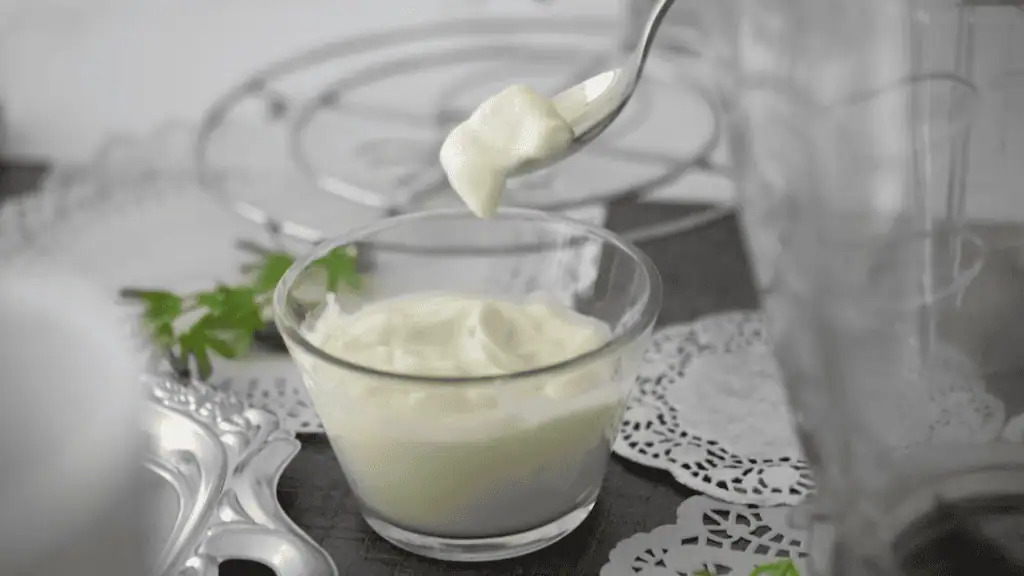
Yogurt stands as a beloved, versatile source of probiotics. Choose varieties labeled with live and active cultures for maximum gut benefits. Greek yogurt offers a creamier, protein-rich option, while plain yogurt serves as a neutral base for sweet or savory dishes. To elevate homemade yogurt, carefully heat milk to around 180°F to enhance texture, then cool to 110°F before adding starter cultures. Keep the mixture warm during fermentation, utilizing a yogurt maker or insulated cooler. This process yields a consistent, healthful product perfect for enhancing your daily meals.
Kombucha: Fizzy Fermented Tea

Kombucha is a tangy, effervescent tea, brewed through the fermentation of sweetened tea by a symbiotic culture of bacteria and yeast (SCOBY). Start with a thoroughly sterilized glass jar to prevent contamination. Use black or green tea as the base for a balanced flavor profile. The fermentation process not only develops a distinct tang but enriches the drink with probiotics, promoting gut health. Experiment with flavoring your kombucha by adding fresh ginger or seasonal fruits post-fermentation for a personal touch.
Miso: Savory Japanese Staple
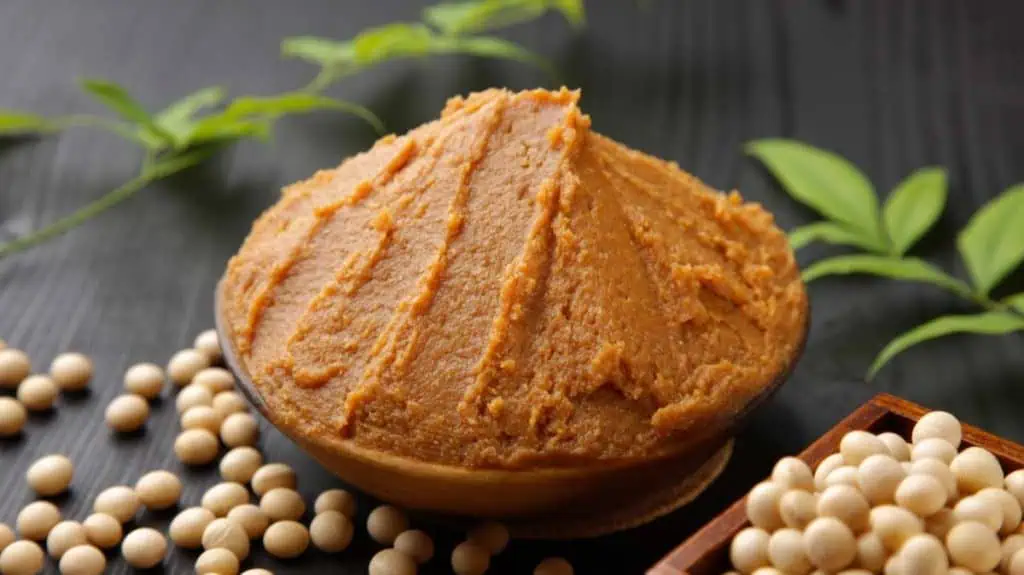
Miso, a paste made from fermented soybeans, boasts a rich, umami depth that elevates many dishes. Choose between white miso for mild sweetness or red miso for a robust, deep flavor profile. Incorporate miso into soups, dressings, or marinades, taking care to mix it with a bit of warm water to dissolve before adding it to dishes. This gentle method retains the probiotic benefits and ensures even distribution without clumping. Miso’s versatility makes it an invaluable pantry staple for any culinary enthusiast.
Tempeh: Protein-Rich Probiotic
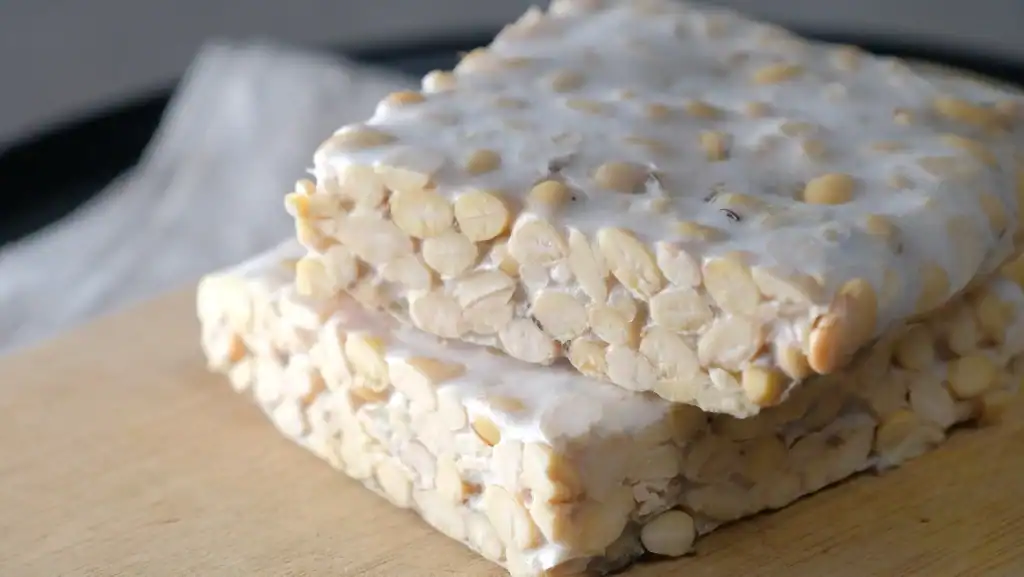
Tempeh is a fermented soybean product known for its firm texture and nutty flavor. Unlike other soy products, tempeh retains the bean’s whole form, offering substantial, textured pieces that absorb marinades exceptionally well. To enhance its flavor, consider steaming it first to remove any bitterness. Then, marinate with soy sauce, garlic, and ginger before grilling or pan-frying for added complexity. Tempeh’s high protein content and probiotics make it a nutritious cornerstone for plant-based meals.
Natto: Japan’s Fermented Soybeans
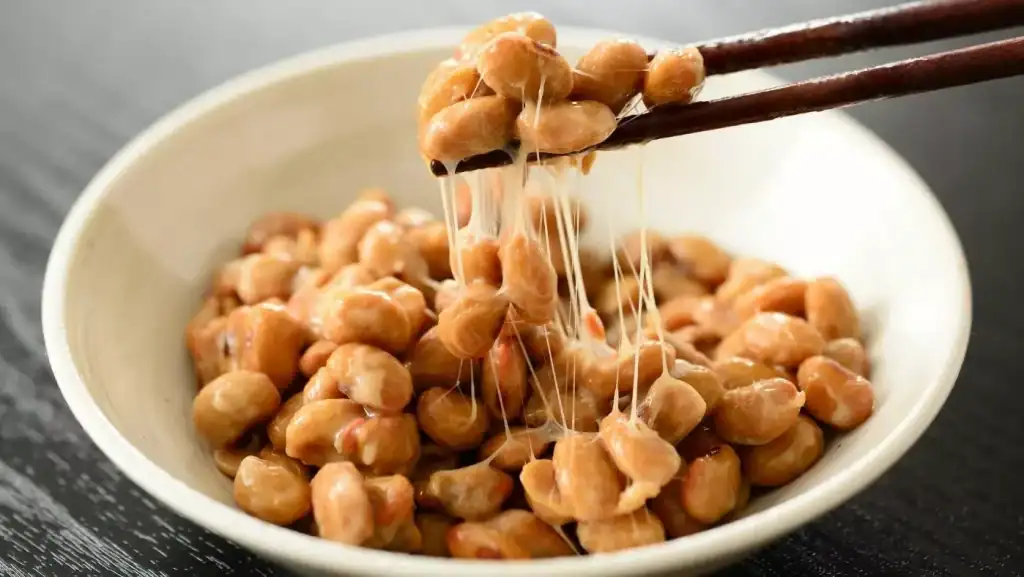
Natto is celebrated for its distinctive texture and bold umami notes. It is made by fermenting soybeans with Bacillus subtilis, resulting in a sticky, stringy dish with a potent aroma. To enjoy natto, serve it over steamed rice, topped with scallions and soy sauce to balance its strong flavor. Stir vigorously to enhance its stickiness, which is indicative of its active probiotics. While natto's taste and texture can be divisive, it remains a powerhouse of nutrition, revered for its gut health benefits.
Pickles: Crunchy and Beneficial

Pickling vegetables through lactic acid fermentation yields a delightful crunch and tartness, enriching them with probiotics. Classic cucumber pickles are favored for their refreshing crispness, but consider branching out to carrots, radishes, or cauliflower for varied textures. Begin by creating a brine of water, non-iodized salt, and spices like dill or garlic. Submerge the vegetables completely to initiate fermentation. Allow them to ferment at room temperature, checking for desired sourness before chilling to halt the process. These homemade pickles not only elevate dishes but also support digestive health.
Sourdough: Bread with Benefits

Sourdough bread, with its tangy flavor and chewy texture, stands out due to its natural fermentation process. This involves wild yeast and lactic acid bacteria, which break down gluten and make nutrients more bioavailable. To achieve a perfect sourdough loaf, maintain a well-fed starter and allow for sufficient bulk fermentation. A long, cool rise enhances both flavor and texture, resulting in a crust that crackles and an interior that's airy yet substantial—a triumph of traditional bread-making techniques.
Get the Recipe: Sourdough
Kvass: Nutrient-Packed Beverage

Kvass, often made from rye bread, is a traditional Eastern European beverage that combines fermentation with subtle sweetness. Begin by toasting slices of dark rye until deeply browned, then allow them to steep with additives like raisins or beets. This mixture ferments, developing a mild, tangy complexity. Kvass not only refreshes but also supports your microbiome. Its carbonation is gentle, making it a unique, gut-friendly alternative to sugary drinks, offering benefits that reach beyond hydration.
Rejuvelac: Homemade Gut Elixir

Crafted from whole grains like wheat or quinoa, rejuvelac is a tonic that aids digestion. By soaking and fermenting these grains, enzymes and beneficial bacteria flourish, producing a slightly tangy and effervescent liquid. It's prepared over a few days, with regular rinsing to prevent off-flavors. The result is a nutrient-rich drink that promotes gut health while also boasting high levels of vitamins. Consuming rejuvelac regularly can introduce beneficial enzymes that support digestion and nutrient absorption.
Fermented Beets: Earthy Gut Boost

Fermented beets offer a striking color and vibrant flavor that pairs earthy sweetness with a tangy finish. Begin by thinly slicing fresh beets and submerging them in a salt brine. Through lacto-fermentation, natural sugars transform, enhancing both flavor and digestive benefits. Fermented beets are versatile, adding depth to salads or accompanying proteins. This process preserves the beets’ nutrient content while proliferating beneficial probiotics, supporting gut health with every bite.
Lassi: Refreshing Probiotic Drink

Lassi, a traditional Indian yogurt-based drink, balances creaminess with a refreshing finish. The probiotics in yogurt supplement gut flora, aiding digestion. To prepare, blend plain yogurt with water or milk, sweetener, and spices like cardamom. For a savory version, incorporate salt and roasted cumin. The drink's versatility allows it to stand as a tangy, slightly sweet treat or a spiced, savory refresher, offering a cooling effect and a dose of friendly bacteria, vital for gut wellness.
Fermented Carrots: Crunchy Delight

Fermented carrots offer a refreshing, crunchy experience that tangibly benefits digestion. To start, slice carrots into sticks or rounds, making them uniform for even fermentation. Submerge them in a salted brine—about 1-3 tablespoons of salt per quart of water—enhancing flavor and inhibiting unwanted bacteria. Add spices like dill seeds or garlic cloves to elevate taste complexity. Seal in a jar and leave at room temperature for 3-7 days. Taste regularly to find your preferred tanginess, then refrigerate. The result is a vibrant, probiotic-rich snack with a satisfying crispness.


