
14 grocery store freebies from the past that will never happen today

In past decades, grocery stores often provided a variety of free samples that made shopping an enjoyable and anticipated experience. These offerings, ranging from savory to sweet, showcased products while inviting customers to explore new tastes. Although these practices are largely discontinued today, they left a nostalgic mark on the shopping landscape. This article highlights some of the memorable freebies that once delighted shoppers.
Cheese Cubes at the Deli Counter

Cheese cubes were a staple sample at deli counters, allowing customers to experience the texture and taste of artisanal cheeses before purchasing. Offered in bite-sized portions, these cubes highlighted the creamy richness of cheddar, the piquancy of blue cheese, or the nuttiness of gouda. Sampling cheese required thoughtful preparation to present each type at its best, often being served at room temperature to enhance flavor complexity. Today, these generous samplings are rare, replaced by pre-packaged and pre-sliced options.
Cookies for Kids at the Bakery
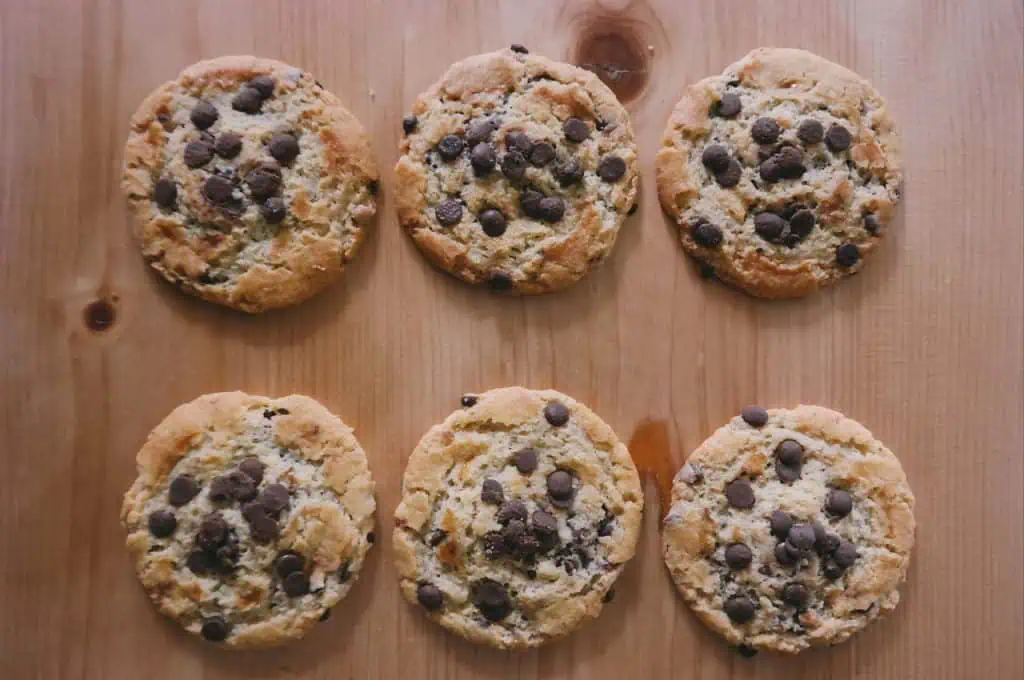
The bakery section traditionally enticed young shoppers with freshly baked cookies. Offered to children as a treat, these cookies showcased the bakery’s commitment to quality with soft interiors and slightly crisp exteriors. Selecting the right dough consistency and baking time was crucial to achieve the perfect cookie, showcasing golden hues and enticing aromas. Although still nostalgic for many, this practice has largely vanished due to changes in health and safety regulations.
Soda Fountain Samples

Soda fountains, once a lively feature, provided small sips of carbonated beverages, inviting shoppers to experience effervescent flavors firsthand. These samples, often served in tiny paper cups, encouraged exploration of new or seasonal flavors. Ensuring proper carbonation and flavor balance was key to delivering an appealing taste experience. With the decline of in-store fountains, these bubbly, thirst-quenching samples are a relic of the past, replaced by more controlled tasting events.
Whole Fruit Samples Offered

Offering whole fruit samples allowed customers to taste and appreciate the freshness and quality of seasonal produce. Perfectly ripe pieces of apples, oranges, or peaches often served to highlight the produce department’s best selections. This practice relied on meticulous quality control, ensuring fruit was at its peak ripeness to deliver optimal flavor and texture. While now largely absent, these samples provided an invaluable opportunity to experience nature’s bounty in its simplest form.
Fresh Bread Slices to Try
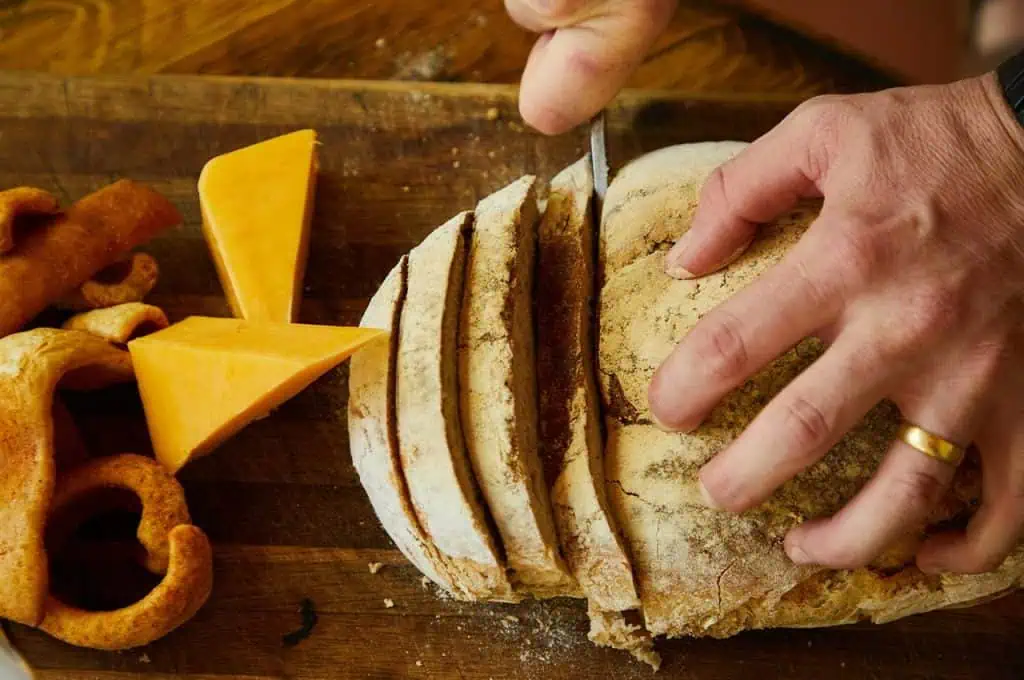
Years ago, fresh bread samples were a bakery staple, allowing customers to taste before they bought. The aroma of warm, crusty bread draws you in, and the texture delivers on that promise with a perfect balance of chewiness and a slight crunch. Choose bread such as sourdough or ciabatta for their robust flavor profiles. Look for a perfectly blistered crust and a soft, airy crumb, indicative of a well-crafted loaf. These slices offered a great way to experience a bakery’s craft first-hand, turning hesitant shoppers into loyal customers.
Butcher Meat Tastings

In the past, sampling a sliver of freshly cooked steak or a piece of marinated chicken at the butcher counter was a common delight. These tastings showcased the butcher's skill in selecting and preparing premium cuts. Focus on the marbling in cuts like ribeye for richness, or try a piece of expertly seasoned chicken breast to experience how seasoning enhances the meat's natural flavors. These samples provided firsthand insight into texture, flavor, and quality, helping customers make informed decisions on their purchases.
Coffee Stations with Perks

Supermarkets once featured coffee stations offering free cups of freshly brewed coffee. This simple perk enhanced the shopping experience with aromatic warmth and helped highlight the store’s selection. Seek medium roast blends for balanced acidity, but don't overlook a dark roast for a bolder flavor. Accompanying creamers or sweeteners allowed customers to customize each cup, bringing a personal touch to their quick caffeine fix. These stations not only provided a pause in a hectic shopping trip but also introduced shoppers to a store’s coffee offerings.
Bulk Nuts and Candy Freebies
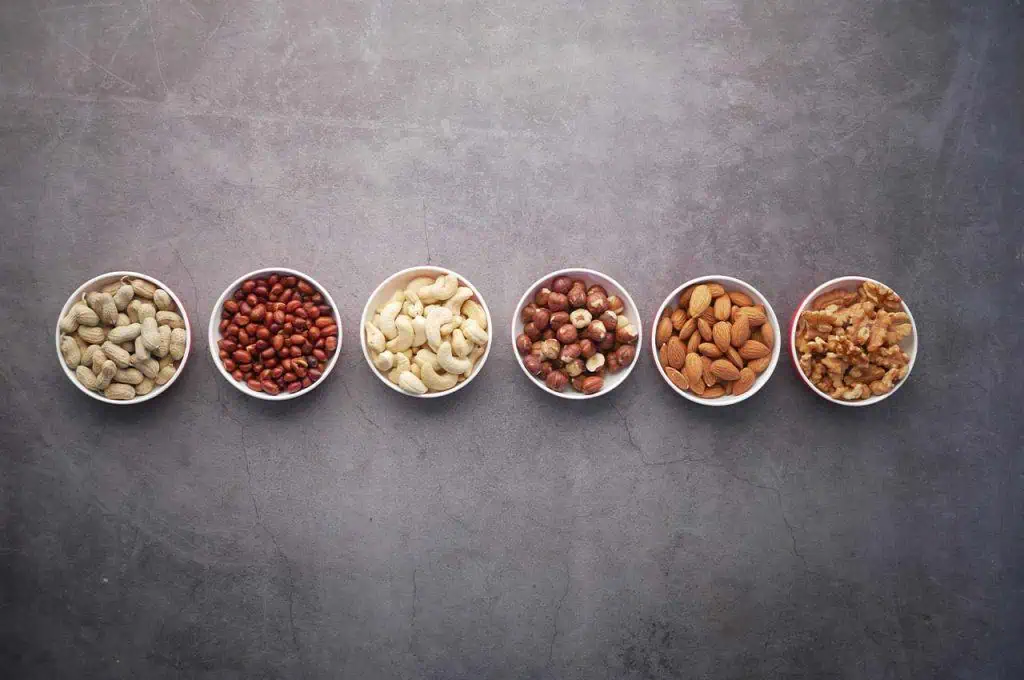
Bulk sections were a treasure trove of samples, allowing customers to try a variety of nuts and candies. This interactive experience encouraged exploring different textures and flavors, from the crunch of roasted almonds to the chewiness of gummy bears. When sampling, notice freshness, nuts should be crisp, and candies delightful in their intended texture. These freebies helped shoppers discover new favorites or seasonal items without commitment, turning an ordinary aisle into a small adventure of taste.
Rotisserie Chicken at Close

Close to closing, supermarkets occasionally offered free rotisserie chicken samples, enticing late shoppers with the savory smell of roasting spices. This practical tactic prevented unsold inventory and highlighted one of the most versatile grocery items. Examine the chicken’s skin; it should be golden and crispy, covering moist, tender meat. The seasoning is crucial, aim for a balanced mix of spices that complement without overpowering. These samples not only pushed sales but also allowed customers to plan meals around a ready-to-eat, flavorful protein option.
Deli Pickles From the Barrel
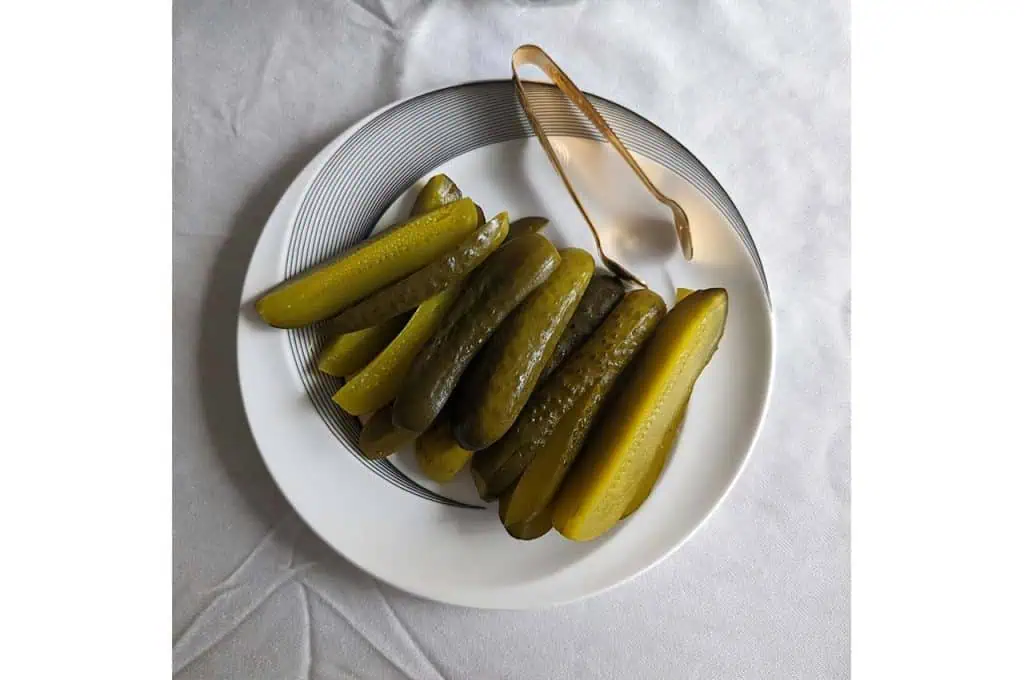
In the past, grocery stores often featured large barrels of dill pickles, freely offered to customers. These pickles, brined to achieve the right balance of tang and crunch, were a nostalgic touchpoint in many food markets. The fermentation process, where cucumbers are submerged in a vinegary brine with garlic and dill, creates a complex mix of flavors that softly explode with every bite. The natural fermenting process not only enhances the flavor but also imbues the pickles with probiotics, a delight notably missing in today's more sanitized settings.
Chip-and-Dip Sample Tables
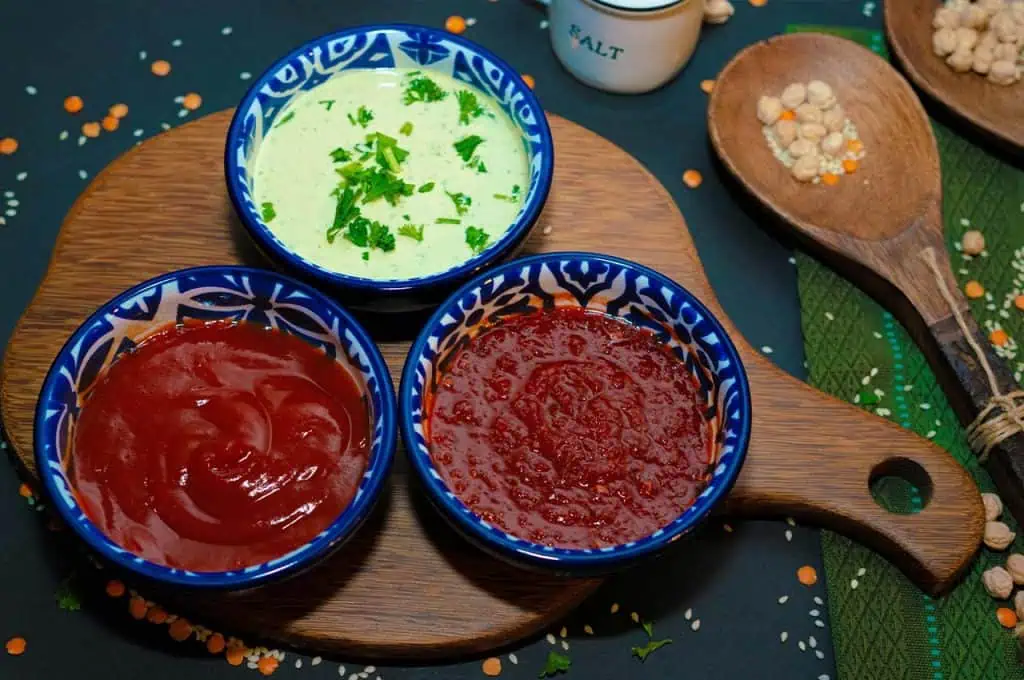
Chip-and-dip stations were once a staple, allowing customers to taste a variety of textures and flavors before purchasing. A proper setup included a range of chips, from thin and crispy to thick and robust, paired with dips like creamy guacamole or tangy salsa. The key to a successful dip is finding the right balance of acidity and seasoning. Fresh ingredients such as ripe avocados, spicy jalapeños, and juicy tomatoes can make homemade dips stand out, providing an unbeatable freshness that complements the crunch of well-selected chips.
Free Seasonal Treats

Grocery stores often matched the rhythm of the seasons with themed treats, delighting customers with samples of holiday cookies or summer fruits. The focus was on showcasing peak flavors, like the natural sweetness of summer strawberries or the warm spices of winter gingerbread cookies. Effective seasoning uses spices to enhance the natural flavors without overpowering them. Consider incorporating cinnamon or nutmeg in cookies or highlighting fresh fruit slices with a touch of lime, simple touches that bring out the best in seasonal produce.
Restock Day Product Giveaways

Restock days used to be events where new products were sampled, with generous giveaways for curious customers. This practice highlighted brands eager to introduce unique flavors, from artisanal breads to creative beverages. The appeal lay in the discovery, encouraging exploration of goods like sourdoughs with complex, tangy flavors or refreshing drinks with intriguing botanical infusions. Understanding the fermentation and rising processes in bread, or balancing sweetness and acidity in beverages, can greatly enhance the appreciation of such products.
Kids' Toy and Sticker Bins

Stores once featured bins filled with toys and stickers, providing children with small delights during shopping trips. While not food-related, these tokens were a way to engage young customers, fostering a family-friendly atmosphere. Just as a well-executed dish balances flavors and textures, these small gestures created harmony in the shopping experience. A welcoming environment can significantly enhance customer satisfaction, akin to ensuring dishes in cooking are both palatable and visually appealing to achieve a memorable dining experience.


