
Grow Something Different: 15 Edible Plants You Never Knew Existed

Explore the world of unique edible plants that elevate your culinary repertoire. Beyond typical greens, discover flavors and textures that invigorate your dishes. This guide introduces you to fifteen remarkable plants, emphasizing their distinctive qualities and culinary versatility. Each section will offer insights into growing conditions, preparation techniques, and pairing suggestions, providing you with the knowledge to seamlessly integrate these gems into your kitchen adventures.
Discover the Ice Plant

Ice Plant, known for its succulent leaves adorned with glistening droplets, offers a crisp texture reminiscent of lightly salted cucumber. It thrives in sandy, well-drained soil with ample sunlight, making it an ideal choice for sunny balconies or gardens. When preparing, rinse thoroughly and use fresh in salads or as a unique garnish. The plant's natural saltiness complements citrus dressings, enhancing bright, refreshing dishes with a clean, oceanic note.
The Crunch of Cactus Pads

Nopal, or cactus pads, are a staple in Mexican cuisine with their tender yet crunchy texture. Select younger pads for reduced slime and tender flesh. Use a sharp knife to scrape off spines, then blanch in boiling water to mellow their flavor. Sauté with onion and garlic, or grill for a smoky touch. Pair with lime and cilantro for a vibrant taco filling, where their mild tang and green-bean-like flavor shine.
Unveil the Magic of Moringa

Moringa, often referred to as the “drumstick tree,” provides nutrient-rich leaves that adapt well to various dishes. Grow in a warm climate with well-drained soil, and harvest regularly to encourage new growth. Use the leaves in soups or blend into smoothies for a nutritional boost. Their earthy, peppery flavor adds depth to sauces and stews. They pair excellently with coconut milk, complementing both its sweetness and creaminess.
Savor the Flavor of Salsify

Salsify, with its subtle oyster-like flavor, is a root vegetable that can transform traditional dishes. It flourishes in well-drained soil and cool climates. Peel and boil until tender, then mash or roast to concentrate its sweet, nutty essence. Incorporate into gratins or pair with butter and herbs. Its delicate flavor profile aligns beautifully with garlic and thyme, enhancing both simple meals and elaborate feasts alike.
Explore the Uniqueness of Chayote

Chayote, a crisp and subtly flavored squash, offers a versatile option for adventurous cooks. Its pale green skin and tender flesh make it suitable for raw and cooked dishes alike. Slice thin and toss into salads, or cube and add to stews, where it absorbs surrounding flavors beautifully. Try pairing it with garlic and lime for a refreshing side dish. Its mild taste serves as a canvas for stronger seasonings, making it perfect for those learning to layer flavors effectively.
Taste the Exotic Romanesco

Romanesco, a striking vegetable known for its fractal-like appearance, combines visual appeal with a nutty, slightly spicy flavor. Its texture holds up well to roasting, which brings out its natural sweetness. For best results, cut into florets, toss with olive oil, and roast until the tips are golden. Finish with a sprinkle of sea salt and lemon zest. Romanesco offers home cooks a fascinating way to enhance traditional recipes, such as pasta or stir-frys, with its unique form and flavor.
The Surprising Sweetness of Squash Blossoms

Squash blossoms, offering a delicate and slightly sweet flavor, can elevate both savory and sweet dishes. Their tender petals and vibrant color make them ideal for stuffing with ricotta and herbs before gently frying until crisp. Alternatively, incorporate them into quesadillas for an unexpected twist. When preparing, remove the stamen for a smoother taste. Freshness is key, so use them as soon as possible after purchasing. This ingredient brings a touch of elegance and unexpected sweetness to the home kitchen.
Indulge in Agretti's Delicacy

Agretti, a Mediterranean plant resembling chive or samphire, has a mild yet tangy flavor profile. Best enjoyed lightly boiled or steamed, it retains a pleasing crispness reminiscent of asparagus. Finish with a drizzle of olive oil and a squeeze of lemon to highlight its natural taste. Agretti makes a perfect accompaniment to grilled fish or can be incorporated into salads for extra texture. The plant adds depth and nuanced taste to simple dishes, showcasing the diversity of lesser-known greens.
The Subtle Spice of Culantro

Culantro, often confused with cilantro, offers a deeper, more pronounced herbal flavor with spicy undertones. An ideal addition to Caribbean and Latin American cuisines, its long leaves can withstand cooking, unlike its delicate counterpart. Use it in stews, soups, or rice dishes where its robust character complements the richness of meats and beans. Chop finely to release more oils and flavors. Culantro presents an opportunity to subtly elevate flavor profiles with a touch of the exotic.
Intrigue with Oca Tubers

Oca tubers, native to the Andes, are a vibrant alternative to traditional potatoes. Their tangy, almost citrus-like flavor makes them a unique addition to any dish. When preparing, try roasting them at high heat to bring out their natural sweetness, tossing with olive oil and a sprinkle of sea salt. The tubers’ texture becomes creamy, with crispy edges that offer a delightful contrast. Perfect for salads or side dishes, oca tubers stand out with their bright, varied colors that maintain their visual appeal even after cooking.
The Vibrant Appeal of Malabar Spinach

Malabar spinach offers a robust, earthy flavor unlike its more common namesake. This climbing vine thrives in heat and humidity, producing thick, glossy leaves that shine in stir-fries and soups. When cooking, consider a quick sauté—just enough to soften its slightly mucilaginous texture. Highlight its unique character with garlic and sesame oil. Its succulent quality provides richness, making it an excellent substitute or complement to leafy greens in warm-weather months.
Rediscover Shiso Leaves
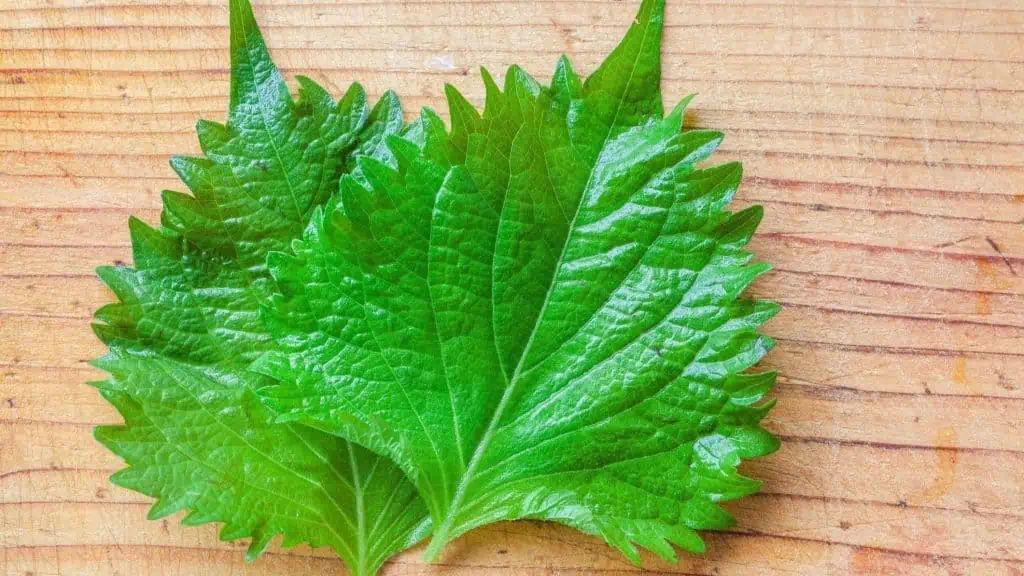
Shiso leaves, also known as perilla, introduce a complex bouquet of mint, basil, and anise flavors to any dish. These broad, serrated leaves can be used fresh or pickled. Incorporate them into salads or as a wrap for grilled fish. For an aromatic garnish, julienne shiso and sprinkle it over noodles or sushi. Their fragrant essence enhances versatile culinary experiences, delivering a refreshing twist to traditional recipes.
Embrace the Nutrient-rich Purslane

Purslane, often dismissed as a garden weed, is a powerhouse of omega-3 fatty acids and antioxidants. Its succulent leaves offer a refreshing lemony tang, ideal for salads and sandwiches. Add purslane raw to maintain its crisp texture, or lightly wilt in warm dishes. Pair it with tomatoes and feta to create a lively contrast of flavors and textures. This resilient plant offers both health benefits and a unique taste profile that's worth exploring.
The Versatility of Fiery Nasturtiums

Nasturtiums, with their bright blooms and peppery leaves, are entirely edible and pack a visual and flavorful punch. Use the flowers as a garnish to elevate salads and appetizers with their vibrant hues. The leaves can be used raw or blended into pesto for a peppery kick. Incorporate nasturtium seeds, pickled or dried, as a zesty substitute for capers. Their adaptability in both sweet and savory dishes makes nasturtiums a truly versatile addition to your culinary repertoire.
Taste the Distinctive Horned Melon

Horned melon, or kiwano, is a striking fruit with vibrant orange skin adorned with small spikes. Inside, its jelly-like texture and refreshing taste combine notes of cucumber and banana. To enjoy this unusual fruit, cut it in half and scoop out the vivid green pulp with a spoon. Pair it with yogurt or blend it into smoothies for a unique twist. Alternatively, use it as a base for a tangy salad dressing. Its natural acidity works as a delightful contrast to sweet or savory dishes, enhancing the overall flavor profile in unexpected ways.


