
12 Superfoods That Deserve a Bigger Spot on Your Plate

Exploring superfoods brings exciting opportunities to enrich your diet with nutrient-dense options. Integrating a variety of these foods into your meals can enhance both flavor and nutrition, making every dish more satisfying. We focus on how to use superfoods efficiently in everyday cooking, highlighting techniques that unlock their full potential. Each superfood offers unique benefits, and understanding these can transform your culinary experience, inspiring healthier choices without sacrificing taste.
Sweet Potatoes: The Nutrient Powerhouse

Sweet potatoes are a versatile and nutritious addition to any meal. Their rich supply of beta-carotene, fiber, and vitamins makes them an excellent choice. Roasting enhances their natural sweetness and creates a caramelized exterior, offering a delightful contrast with the creamy interior. To maximize their nutritional value, leave the skin on, as it’s packed with fiber. Pair them with a sprinkle of cinnamon or a drizzle of balsamic reduction for a balanced and flavorful dish that complements their earthy undertones.
Almonds: Crunchy and Nutrient-Dense

Almonds provide a satisfying crunch and are brimming with nutrients like vitamin E, healthy fats, and protein. Toasting almonds amplifies their flavor, adding a nutty depth to salads and side dishes. For butter or milk forms, soak them first to improve texture and reduce phytic acid, enhancing nutrient absorption. Almonds make a great crust for proteins like chicken, offering both texture and taste. Incorporate almond flour into baking to create moist, flavorful, and gluten-free treats.
Salmon: Omega-3 Rich Delight

Salmon stands out for its rich omega-3 fatty acid content, promoting heart health and vitality. Choose wild-caught varieties for a purer flavor profile. For succulent results, grill or pan-sear salmon, ensuring the skin crisps to perfection while keeping the flesh moist. Season simply with salt, pepper, and a squeeze of lemon, which brightens the fish’s natural richness. Pairing with herbs like dill or a light citrus glaze enhances the delicate flavors without overwhelming the dish.
Quinoa: The Ancient Grain Resurgence
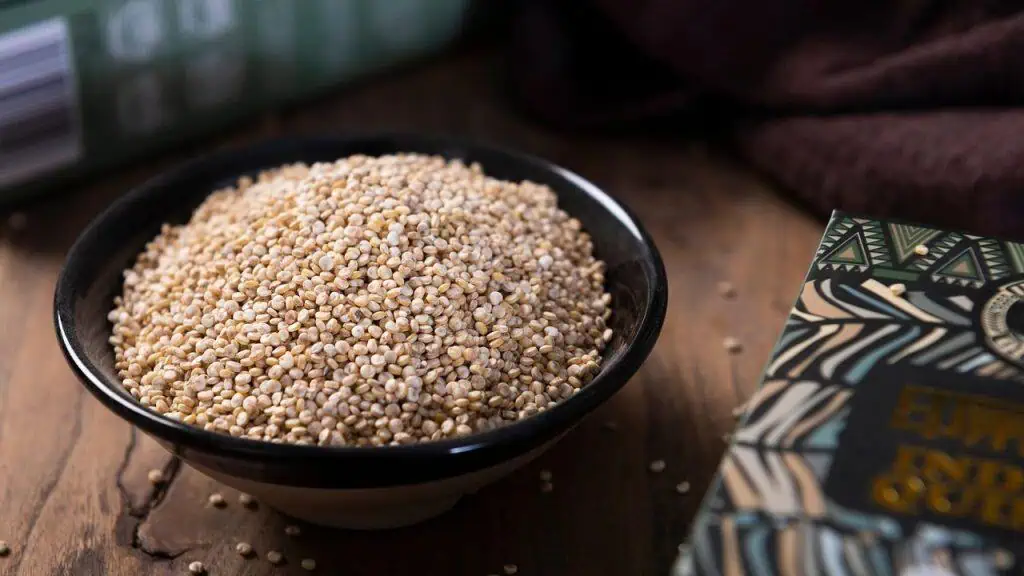
Quinoa, often hailed as a complete protein, has made a strong comeback in modern kitchens. Its nutty flavor and fluffy texture provide the perfect canvas for diverse dishes. Rinse well before cooking to remove its natural saponin coating, which can taste bitter. Boil with a ratio of 1 cup quinoa to 2 cups water for optimal tenderness. Use it as a base for bowls, or mix it with fresh vegetables and a tangy vinaigrette for a refreshing salad, offering both substance and freshness in one bite.
Kale: The Leafy Green Superstar
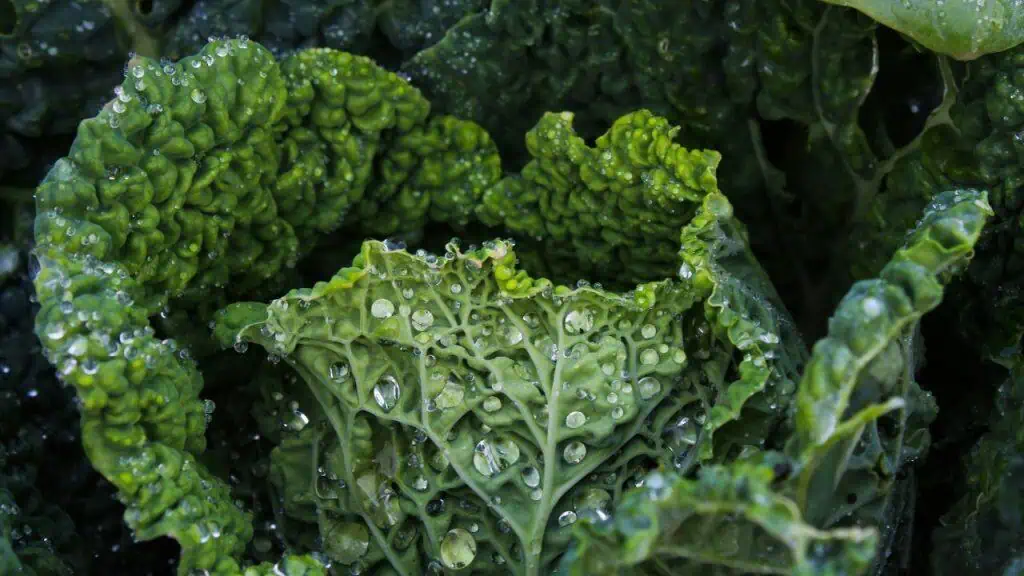
Kale stands out as a versatile and nutritious leafy green. It’s rich in vitamins A, C, and K, providing a robust addition to salads, soups, or smoothies. To maximize flavor, try massaging the leaves with a pinch of salt and a splash of olive oil. This technique breaks down the fibrous texture, making it tender and enhancing its natural sweetness. Sautéing with garlic or adding to a hearty stew also elevates its depth, offering a rich, earthy background to various dishes. Incorporating kale into your meals can transform both flavor and nutritional content.
Blueberries: Antioxidant-Rich Gems
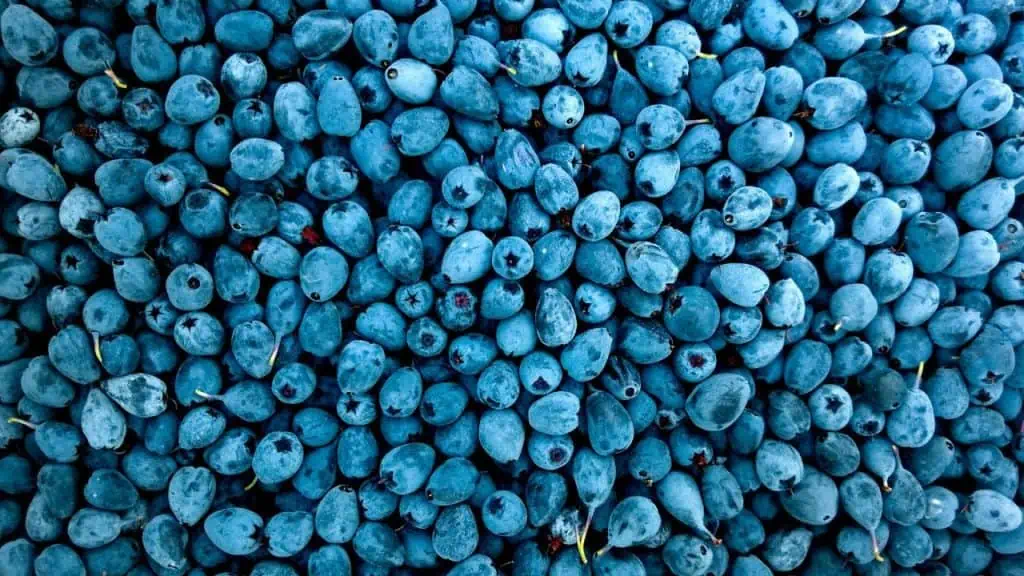
Blueberries are small but pack a powerful punch of antioxidants, particularly anthocyanins. Their sweet-tart flavor makes them a versatile ingredient in both sweet and savory dishes. For the freshest taste, fold them gently into pancake batter just before cooking, or add them to a salad with goat cheese and toasted nuts for a texture-rich experience. Roasting blueberries brings out their natural sugars and concentrates their flavors, making them a unique topping for yogurt or oatmeal. Including these vibrant berries can enhance your diet with color and health benefits.
Chia Seeds: Tiny but Mighty
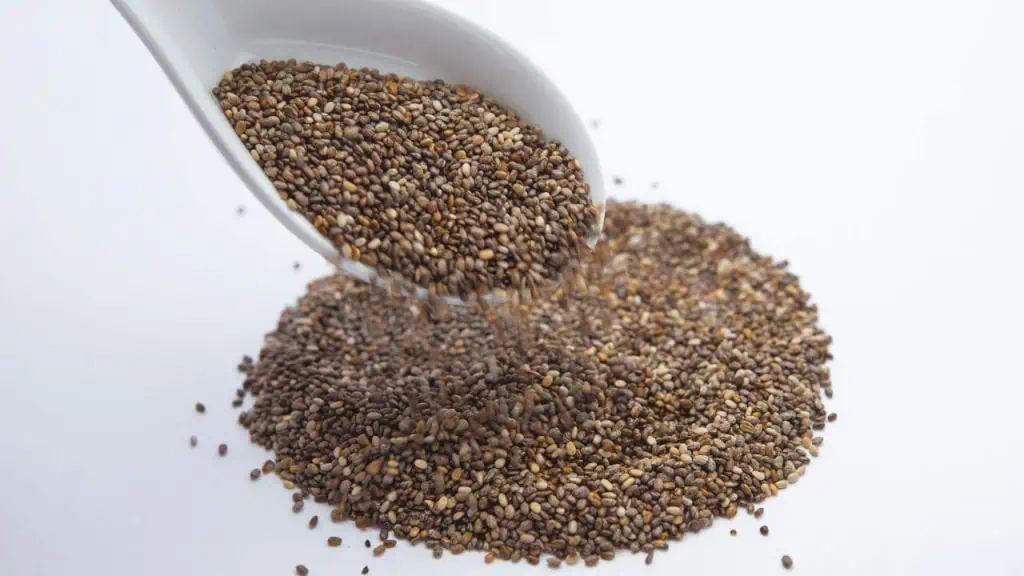
Chia seeds are celebrated for their high fiber and omega-3 fatty acid content. To unlock their full potential, soak them in liquid for several hours, allowing them to expand into a gel-like consistency. This characteristic is perfect for creating a nutrient-dense pudding or thickening smoothies without altering the flavor. For an added crunch, sprinkle them over salads or baked goods. Their subtle nuttiness complements both sweet and savory dishes, providing flexibility in meal planning. These versatile seeds are a simple way to enhance nutrients effortlessly.
Avocado: Creamy Health Booster

Avocado’s smooth texture and rich, buttery flavor make it a standout superfood. High in healthy fats and potassium, it can be smashed onto toast for a quick breakfast or blended into smoothies for added creaminess. To achieve perfectly ripe avocados, gently press near the stem end; a slight give indicates readiness. For an unbeatable guacamole, combine with lime juice, cilantro, and diced tomatoes. Avocados can also replace traditional fats in baking, bringing moisture and a subtle flavor to brownies and muffins, thereby boosting nutritional value.
Turmeric: Spice with Healing Powers
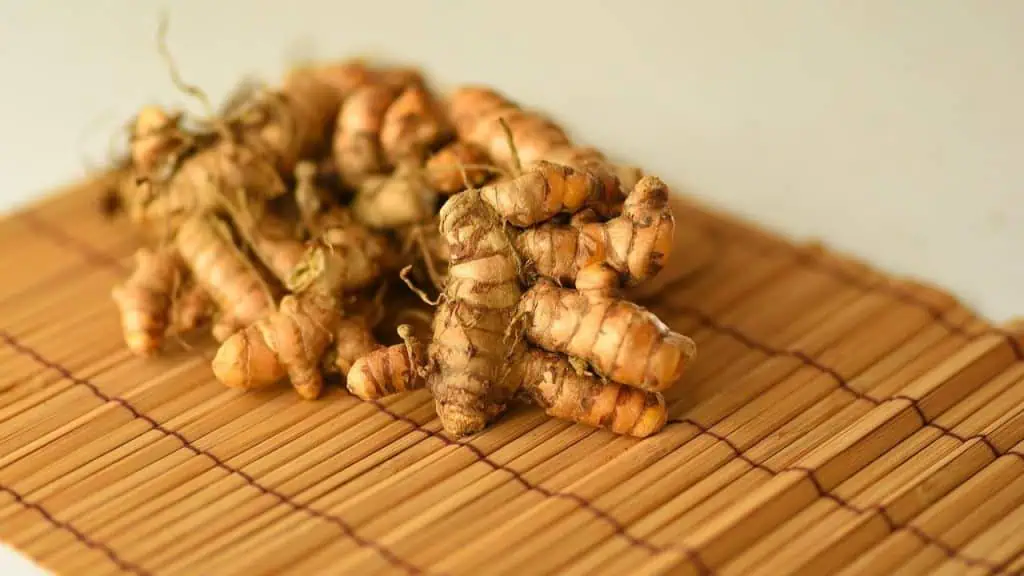
Turmeric is renowned for its anti-inflammatory properties largely due to curcumin. This vibrant yellow spice adds warmth and depth to dishes. Fry it in oil to unlock its full flavor before adding other ingredients. Incorporate turmeric into curries, soups, or rice dishes to imbue them with its characteristic color and gentle bitterness. Pairing with black pepper enhances absorption and health benefits. Fresh turmeric root can be grated into dressings or smoothies, introducing a fiery kick and depth. This multifaceted spice enriches both flavor and wellness in cooking.
Broccoli: The Green Crusader

Broccoli stands as a powerhouse of nutrition, offering fiber, vitamins C and K, and a variety of antioxidants. To maximize its benefits, steaming is an ideal cooking method, preserving both nutrients and that vibrant green color. Consider tossing steamed florets with a bit of lemon zest and virgin olive oil for a refreshing salad. For a heartier dish, roast broccoli with a sprinkle of sea salt and crushed red pepper until lightly caramelized. Each method accentuates its nutty undertones, making every bite both wholesome and flavorful.
Greek Yogurt: Protein-Packed Delight

Greek yogurt earns its place with its creamy texture and high protein content, aiding muscle repair and satiety. It's a versatile ingredient: use it as a base for dressings by blending it with herbs like dill and parsley, or as a substitute for sour cream in dishes. For a sweet touch, pair it with a drizzle of honey and fresh berries, creating a refreshing, balanced treat. Look for full-fat versions for richer taste and texture, ensuring every spoonful is indulgent yet nutritious. This staple effortlessly enhances both savory and sweet creations.
Dark Chocolate: Sweet and Beneficial

Dark chocolate, rich in flavonoids, supports heart health and boosts mood, making it more than just a treat. When choosing, opt for 70% cocoa content or higher for maximum benefits. It melts smoothly into a fondue or enriches baked goods with complexity. Pair with fresh fruit for contrasting textures or shave it over oatmeal for an indulgent breakfast twist. Use moderate amounts to maintain balance; its robust flavor ensures that even a small portion leaves a lasting impression. Incorporating a touch of dark chocolate can transform simple dishes into gourmet experiences.


