
12 Old-School Sunday Dinner Traditions Families Rarely Keep Today

Sunday dinners once held a cherished place in family routine, a time of togetherness, tradition, and hearty meals. While some families maintain these gatherings, many of the rituals are fading. This exploration revisits the practices that once defined these special evenings, offering methods to revitalize them with modern ease. Each element, from the structured meal times to the dishes themselves, can reconnect us to a sense of culinary heritage.
Consistent Sunday Dinner Time

Families used to treat Sunday dinner like an appointment you didn’t break. Whether it was early afternoon or evening, everyone knew exactly when dinner would happen each week. That consistency created structure and something to look forward to, especially in busy households. Now, flexible schedules, shift work, and weekend activities often push meals to odd hours or eliminate them entirely, turning Sunday dinner from a ritual into just another optional meal.
Roast or Baked Chicken Centerpieces

A large roast or baked chicken was once the undeniable centerpiece of Sunday dinner, filling the house with familiar aromas hours before the meal. These dishes symbolized abundance and care, often cooked slowly and served family-style. Leftovers were expected and reused throughout the week. Today, long roasting times feel impractical for many families, replaced by quicker meals or takeout, making these classic centerpieces feel more nostalgic than routine.
Recipes Passed Down by Heart

Sunday dinners relied on recipes memorized rather than written down. Grandparents and parents cooked by instinct, measuring by feel and taste. These dishes carried family history, often tweaked over generations. As convenience foods and online recipes dominate modern kitchens, fewer families rely on inherited cooking knowledge. When older relatives stop cooking, those unwritten recipes often disappear with them, taking a piece of family tradition along.
Kids' Unwilling Kitchen Help

Traditionally, children played a key role in meal preparation, acquiring culinary skills and a sense of responsibility early on. Assign simple, age-appropriate tasks such as washing vegetables, measuring ingredients, or setting the table to involve them meaningfully. Teaching knife safety and basic techniques, like peeling and chopping with a small paring knife under supervision, can build confidence. This participatory approach not only lightens the load but also ingrains essential life skills and fosters family bonds.
Seasonal Side Dishes, Not Trendy

Embrace the rhythm of nature by selecting side dishes based on the season's bounty rather than fleeting trends. For spring, consider a vibrant asparagus salad with lemon vinaigrette, while autumn might call for roasted root vegetables with thyme. This practice enhances flavor and supports sustainability. Seasonality ensures produce is at its peak freshness, adding depth to your dishes. Such choices uphold the tradition of utilizing what is available, practical, and naturally delicious.
Homemade Desserts Served Fresh
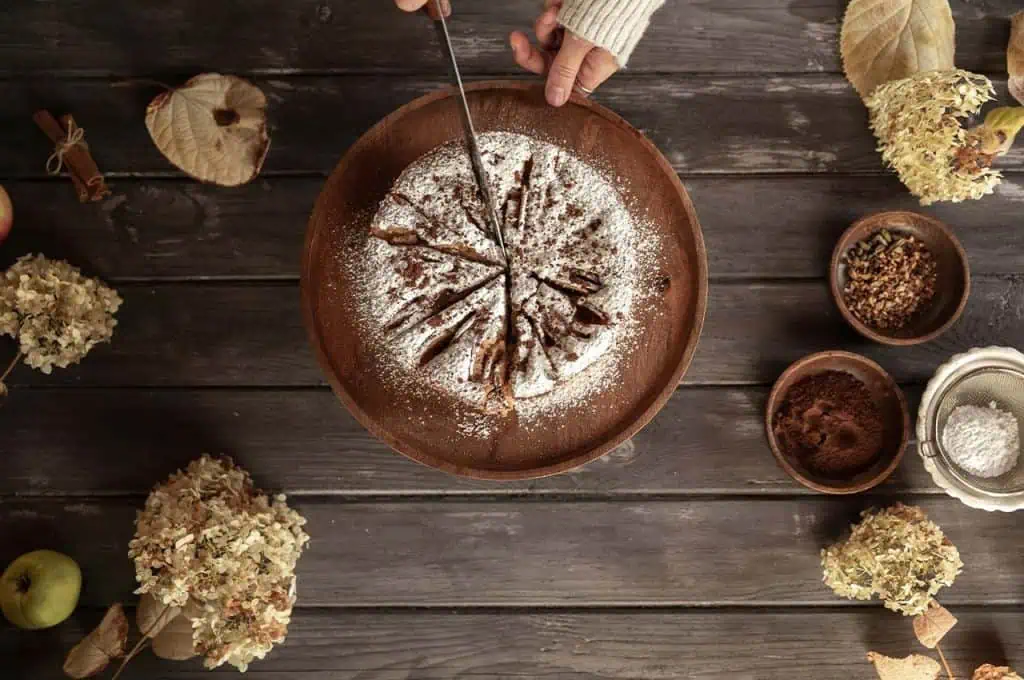
Freshly made desserts were a staple of classic Sunday dinners. Emphasize simplicity and flavor with options like a warm apple crisp or a classic vanilla bean panna cotta. Focus on high-quality ingredients such as ripe, in-season fruits and real vanilla extract to elevate the taste. Techniques like tempering eggs for custards or gently folding whipped cream for mousse can refine textures. These time-honored desserts encourage skill-building while delighting with their fresh, uncomplicated profiles.
Planned Leftovers Strategy

Sunday dinner wasn’t just about one meal—it was designed to feed the family for days. Cooks intentionally made extra portions, knowing roast meat would become sandwiches, soups, or casseroles later in the week. Leftovers weren’t an afterthought but part of a smart, economical plan that saved time and money. Today, smaller households, changing tastes, and a preference for fresh meals have made intentional leftovers far less common, even though the strategy once defined efficient home cooking.
Guests Were Always Welcome

Sunday dinner tables were famously flexible, with room for neighbors, relatives, or unexpected visitors. There was an unspoken rule that no one left hungry, even if an extra place had to be set quickly. Hospitality mattered more than perfect portions. Modern schedules, tighter budgets, and smaller dining spaces have made spontaneous invitations rare, turning Sunday dinner into a more private affair rather than a shared community tradition.
Meals That Lasted for Hours

Sunday dinners used to be marathon affairs, where family members gathered around the table to savor an extended meal. The key to reviving this tradition lies in courses that encourage lingering discussions. Start with a hearty appetizer, like a well-seasoned minestrone, giving ample time for flavors to meld. Follow this with a slow-roasted main, such as a perfectly tender pot roast, allowing its aromas to fill the home. Sides like buttery mashed potatoes and roasted carrots with a hint of thyme complement the meal. Close with a simple dessert, apple pie or a custard, to extend the experience, fostering the joy of being together.
Grace Before Every Meal

The practice of expressing gratitude before meals brings a mindful pause to the dining experience. Consider the intention behind each dish as you prepare, appreciating the effort and the bounty it represents. Encourage simplicity here, a moment of silence or a word of thanks can ground the meal in gratitude. This tradition reminds us to celebrate not only the food but also the company around the table. In a fast-paced world, such pauses reinforce connection to our meals and to each other, framing the dinner not just as sustenance, but as nourishment for the soul.
Shared Dishwashing Duties

Turning cleanup into a communal activity transforms a chore into bonding time. Assign tasks based on ease and preference, one might rinse, another scrub, while a third dries. This shared responsibility not only lightens the workload but reinforces community spirit. Opt for quality cookware with non-stick surfaces to simplify the cleanup process. Use warm, soapy water to loosen food remnants. As you wash, embrace the rhythm, enjoying the shared space with good conversation or favorite tunes. When everyone pitches in, the kitchen quickly returns to order, and the evening feels complete as a collective effort.
Everyone Ate Together—No Distractions

Sunday dinner once meant the entire household sat at the table at the same time, without televisions blaring or phones in sight. It wasn’t optional or rushed. Meals stretched longer, conversations mattered, and kids were expected to participate. This tradition created a rare pause in the week where family presence came before schedules, sports, or screens. Today’s fragmented routines and digital habits have made uninterrupted family dinners increasingly rare, even on Sundays meant for slowing down.


