
12 Lucky Foods People Are Eating on New Year’s Eve in 2026 and Why

As 2026 approaches, New Year’s Eve food choices are about more than celebration, they’re about intention. Across cultures and households, people are turning to foods believed to attract luck, wealth, health, or progress in the year ahead. Some traditions are centuries old, while others have been adapted to modern lifestyles and globalized kitchens. Whether followed seriously or playfully, these foods reflect hope, optimism, and the desire to start fresh. These twelve lucky foods are especially popular going into 2026, along with the reasons people continue to believe in their symbolism.
Black-Eyed Peas

Black-eyed peas remain one of the most widely eaten lucky foods, especially in the southern U.S. In 2026, many people still associate them with prosperity and financial stability in the coming year. Traditionally eaten on New Year’s Day or Eve, the peas symbolize coins or abundance. Their simplicity makes them accessible, while their history adds emotional weight. Even people who don’t follow superstition closely often include them “just in case,” blending tradition with cautious optimism.
Lentils
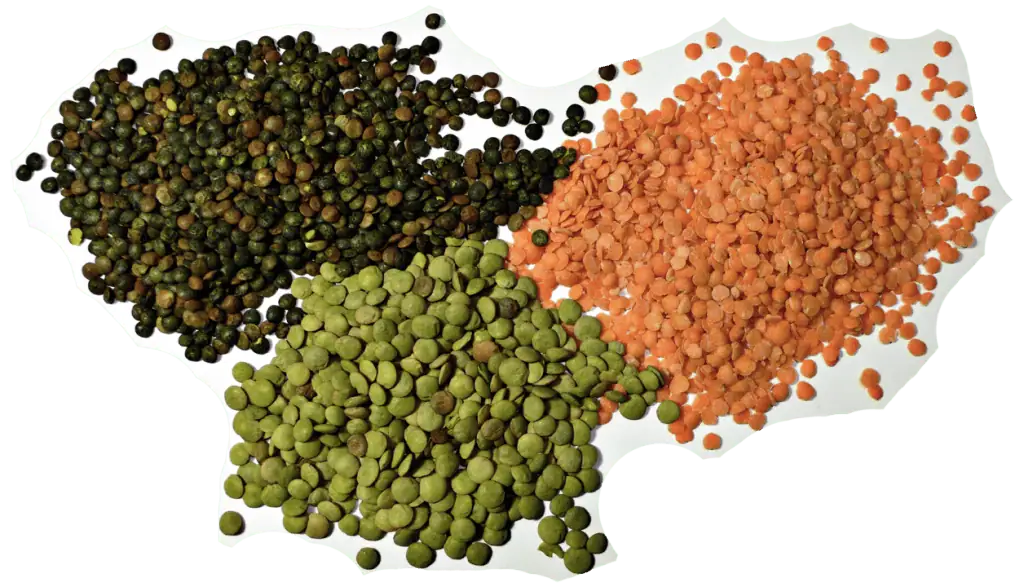
Lentils are gaining renewed popularity because their shape resembles coins, making them symbolic of wealth and growth. In many European traditions, eating lentils on New Year’s Eve is believed to encourage financial success. In 2026, lentils also align with budget-conscious and plant-forward eating habits. Their affordability and versatility make them appealing. People appreciate that a symbolic food can also be practical, filling, and aligned with modern nutrition goals.
Grapes

Eating grapes at midnight remains a strong tradition in many households, particularly those influenced by Spanish and Latin cultures. The custom involves eating one grape for each month of the year, symbolizing good fortune ahead. In 2026, the ritual remains popular because it’s interactive and meaningful. Grapes are light, festive, and easy to share. Even families unfamiliar with the tradition are adopting it as a fun, hopeful way to mark the transition into the new year.
Pork Dishes

Pork continues to symbolize progress and forward movement, as pigs root forward rather than backward. Many people believe eating pork on New Year’s Eve encourages momentum and success. In 2026, pork appears in both traditional roasts and modern preparations. The symbolism resonates during times of change, when people want reassurance they’re moving ahead. Pork’s richness also makes it feel celebratory, reinforcing its place at the holiday table.
Long Noodles

Long noodles are eaten to symbolize longevity and long life, especially in Asian-influenced traditions. In 2026, noodle dishes are increasingly common at New Year’s gatherings across cultures. The belief emphasizes not cutting or breaking the noodles, reinforcing the idea of uninterrupted life and health. People enjoy the symbolism because it’s gentle and positive. The dish itself feels comforting and communal, making it a meaningful addition to the celebration.
Fish
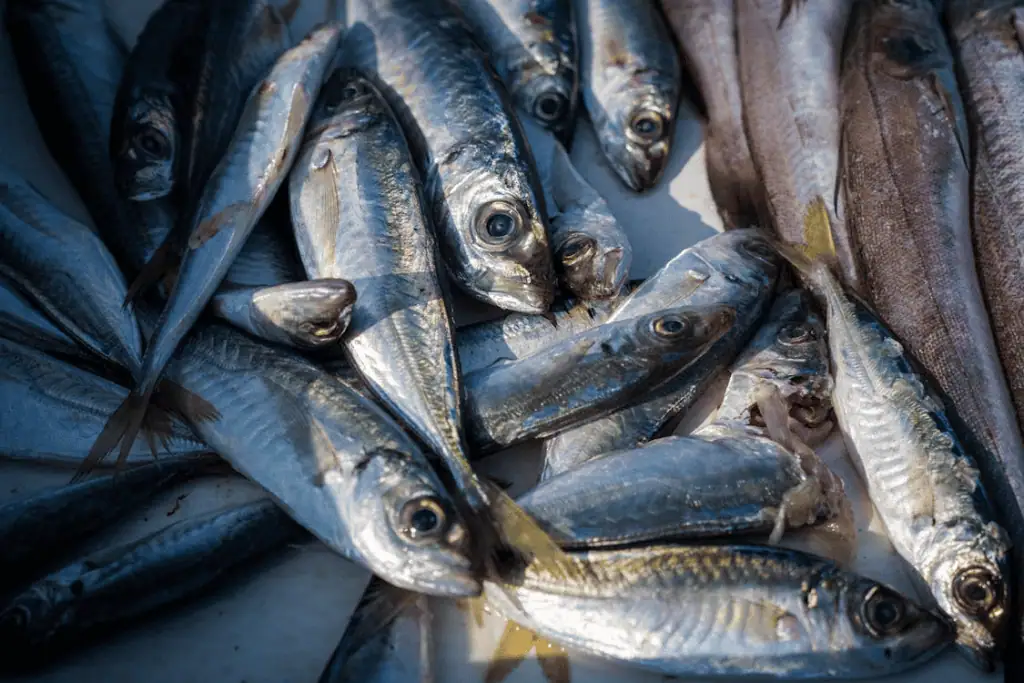
Fish is associated with abundance and prosperity, especially when served whole. In many traditions, fish symbolize surplus and continuity. In 2026, people are choosing fish not only for symbolism but also for lighter, health-conscious celebrations. The idea of starting the year with balance and nourishment resonates strongly. Fish offers meaning without excess, which aligns with modern resolutions around wellness and moderation.
Greens

Leafy greens like collards, kale, or spinach symbolize money and growth because of their color and abundance. In 2026, greens are more popular than ever due to health awareness and affordability. Eating greens on New Year’s Eve represents hopes for financial stability and personal growth. The symbolism feels grounded and realistic. Many people appreciate that luck-based traditions can also support everyday wellness goals.
Rice
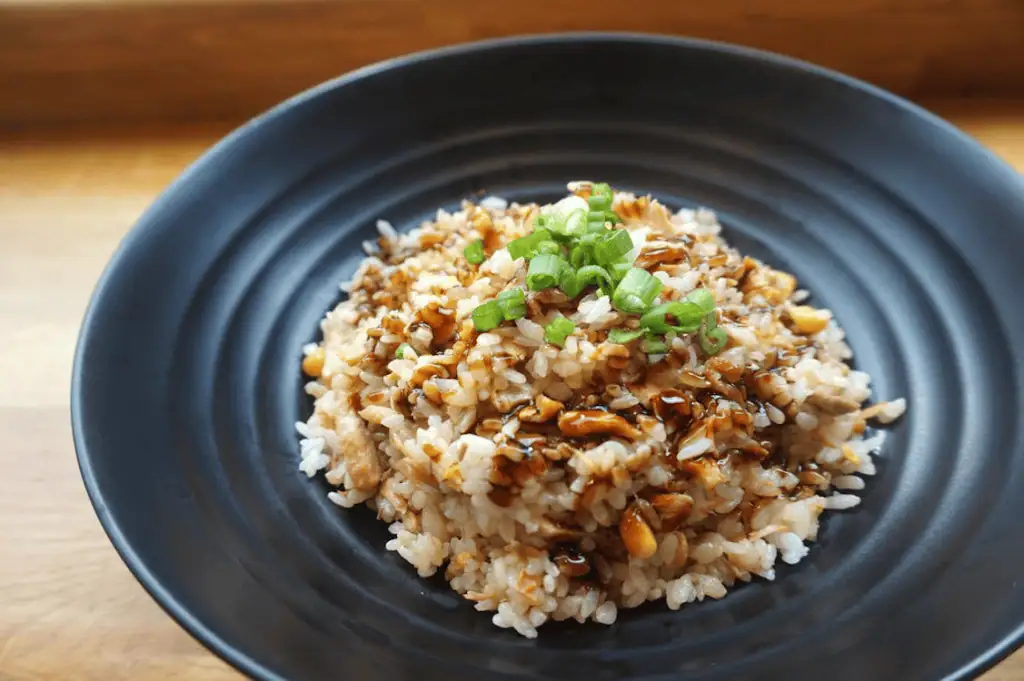
Rice represents abundance, nourishment, and security across many cultures. In 2026, rice-based dishes appear frequently at New Year’s tables because they’re affordable and comforting. The symbolism connects to fullness and stability, values that many people prioritize amid uncertainty. Rice’s global presence makes it one of the most universal lucky foods. It’s often included quietly, without ceremony, yet it holds deep meaning for those who believe in its symbolism.
Pomegranate
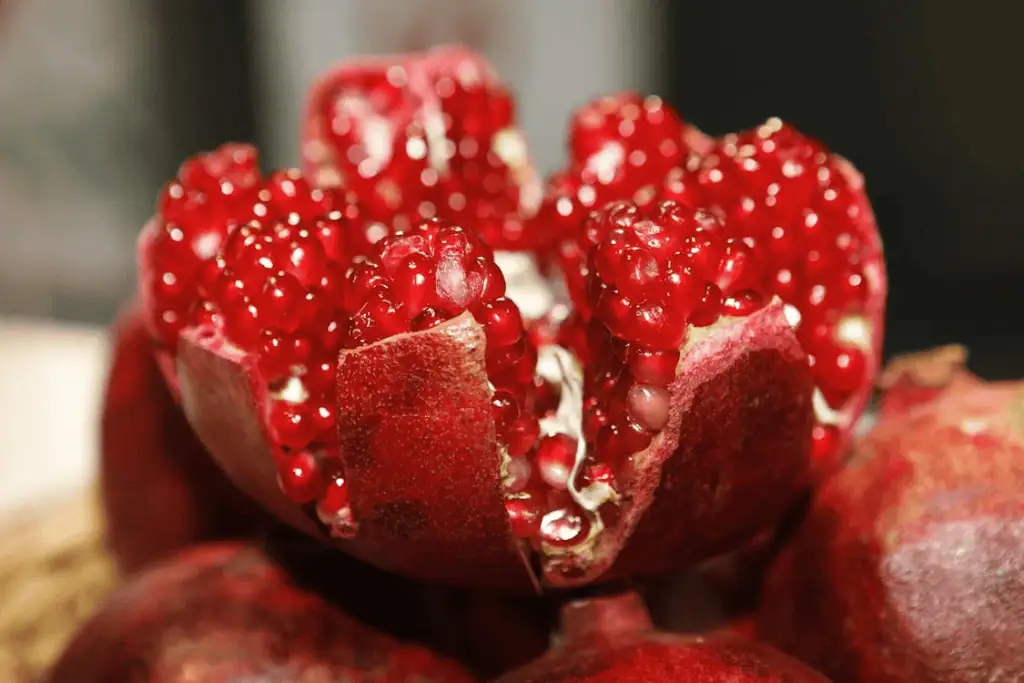
Pomegranates symbolize fertility, prosperity, and renewal due to their many seeds. In 2026, they’re appearing more often as centerpieces, desserts, or garnishes. Their visual richness makes them feel festive and intentional. People are drawn to the idea of multiplying blessings in the year ahead. The fruit’s ancient symbolism feels relevant during a time when many are seeking fresh starts and creative growth.
Cornbread

Cornbread symbolizes gold and wealth in many southern traditions. In 2026, it continues to appear alongside black-eyed peas as part of prosperity-focused meals. The color and sweetness reinforce ideas of richness and comfort. Cornbread is familiar and comforting, making it an easy tradition to maintain. People appreciate traditions that feel warm rather than rigid, and cornbread fits that role perfectly.
Oranges
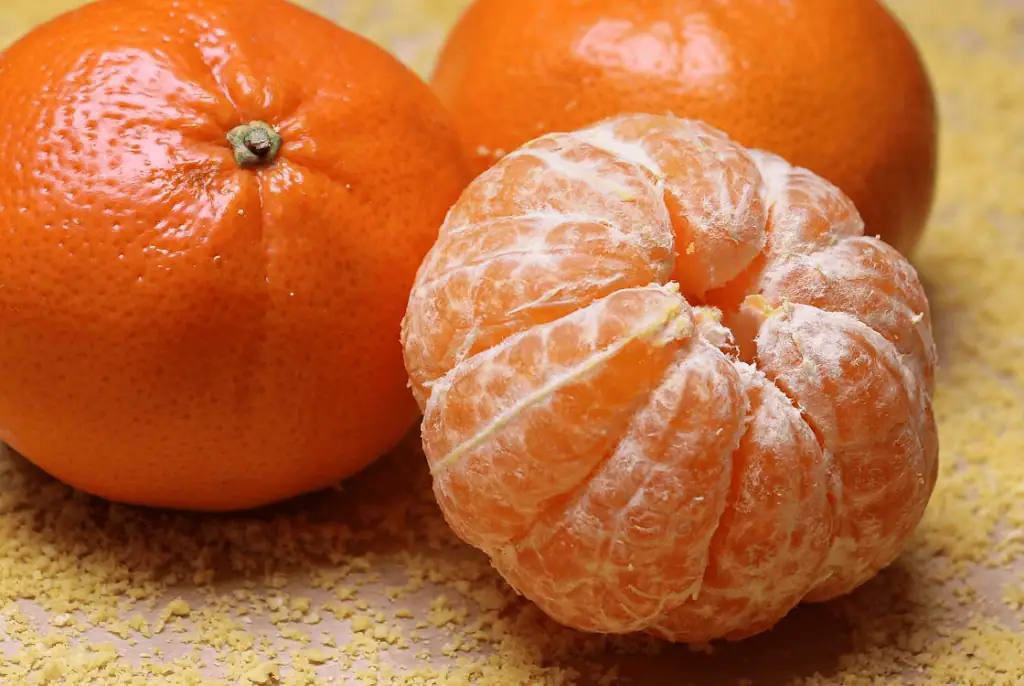
Oranges symbolize good luck, wealth, and happiness in several cultures, particularly in East Asian traditions. Their bright color represents gold and positive energy. In 2026, oranges are popular because they’re easy to serve and visually uplifting. Many people place them on tables or include them in desserts. The symbolism feels cheerful and hopeful, aligning with the emotional tone people want when entering a new year.
Cakes and Round Desserts

Round foods symbolize wholeness, completion, and continuity. Cakes, especially round ones, are seen as signs of unity and good fortune. In 2026, people are choosing simple cakes or pastries to represent a full, balanced year ahead. The symbolism doesn’t require explanation, which adds to its appeal. Ending the year with a round dessert feels emotionally satisfying and symbolically complete.


