
12 Christmas Foods That Instantly Divide Every Family Table

Holiday meals are meant to be comforting and familiar, but Christmas food has a unique way of exposing how different everyone’s tastes really are. Many of these dishes are tied to childhood memories, regional habits, or long-held family traditions, which makes opinions especially stubborn. What feels essential and nostalgic to one person can feel unnecessary, outdated, or even unpleasant to another. These foods don’t just sit on the table, they spark commentary, side-eye, and quiet avoidance. Every year, these twelve Christmas dishes prove that sharing a meal doesn’t always mean sharing the same tastes.
Fruitcake

Fruitcake remains the most infamous Christmas divider because it carries decades of reputation along with it. Supporters argue that a well-made fruitcake is dense, rich, and deeply traditional, especially when soaked properly and balanced with spice. Critics see it as heavy, overly sweet, and filled with strangely textured fruit that feels more decorative than appetizing. Its long shelf life only adds to suspicion. Every Christmas, fruitcake arrives with hope, and every year it quietly reinforces why opinions about it never soften.
Green Bean Casserole

Green bean casserole divides families because it represents two very different ideas of holiday cooking. Fans see it as comforting, creamy, and nostalgic, especially when topped with crunchy onions. Detractors argue it buries vegetables under salt and softness, turning green beans into an afterthought. The reliance on canned ingredients often fuels criticism. Whether loved or avoided, this dish almost always sparks discussion about tradition versus taste the moment it’s served.
Cranberry Sauce
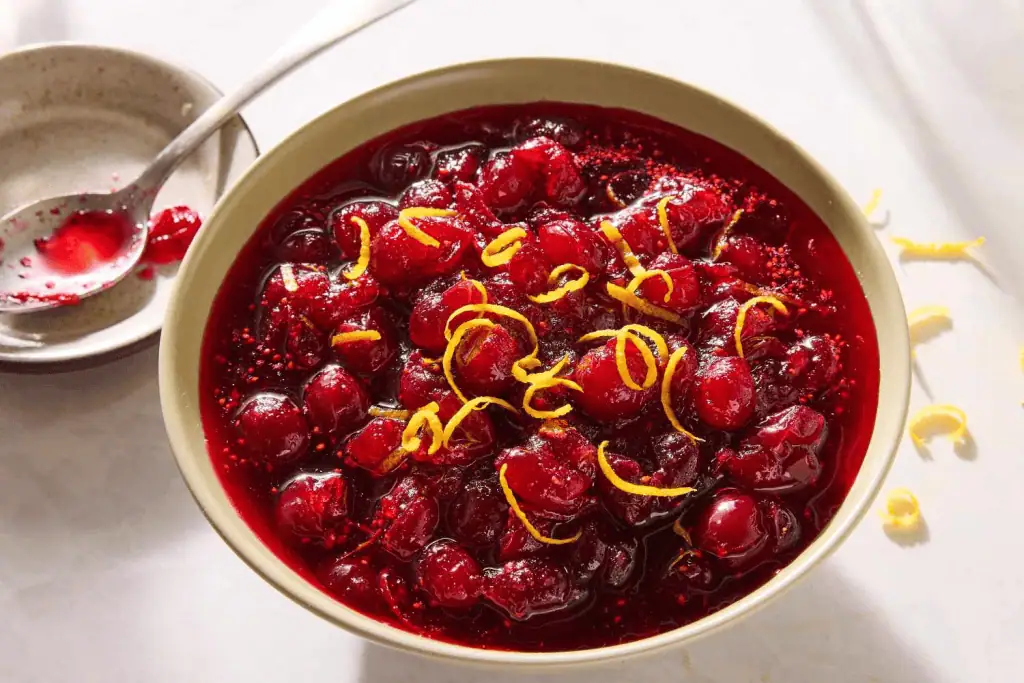
Cranberry sauce splits families straight down the middle, especially when the can appears. Some insist cranberry sauce must be homemade, tart, and barely sweetened to balance rich foods. Others only want the jellied version sliced perfectly from the can, because that’s what Christmas has always tasted like. Texture, sweetness, and purpose are endlessly debated. For some, it’s essential; for others, it stays untouched, quietly judging the plate beside it.
Stuffing vs. Dressing

Stuffing versus dressing is less about ingredients and more about identity. Some families believe stuffing must be cooked inside the bird to absorb flavor and moisture. Others insist it belongs in a dish, baked separately for safety and texture. Bread choice, herbs, and add-ins only deepen the divide. This argument often reflects regional and generational habits. No matter which version appears, someone at the table believes the other one is wrong.
Prime Rib

Prime rib divides families because it signals a shift away from traditional holiday expectations. Supporters see it as luxurious, indulgent, and worthy of a special occasion. Critics find it too heavy, too rare, or wasteful compared to classic roasts. Doneness debates alone can stall dinner conversations. Those who grew up with turkey often see prime rib as unnecessary excess. Its presence often marks a generational change that not everyone welcomes.
Christmas Ham

Christmas ham brings strong opinions thanks to its sweetness and familiarity. Fans appreciate how easy it is to prepare and how well it feeds a crowd. Others find it overly sweet, repetitive, or too similar to everyday meals. The glaze—especially when sugary—often becomes the main point of contention. For some families, ham feels festive and comforting. For others, it feels like settling rather than celebrating.
Oyster Dishes

Oysters instantly divide a Christmas table because they challenge both texture and comfort levels. Fans see them as luxurious and celebratory, often tied to coastal or family tradition. Critics are put off by their raw appearance, smell, or slippery texture. Even cooked oyster dishes can make some guests uneasy. Their presence alone can spark reactions. Oysters rarely go unnoticed, even when only a few people actually eat them.
Brussels Sprouts

Brussels sprouts continue to divide families despite their modern comeback. Some guests appreciate their roasted bitterness and crisp edges, especially when prepared thoughtfully. Others are still haunted by memories of mushy, sulfur-smelling sprouts from childhood. That history is hard to erase. Even improved preparation doesn’t guarantee acceptance. Brussels sprouts show how first impressions can permanently shape how a food is received.
Sweet Potato Casserole

Sweet potato casserole sparks debate over whether it belongs with dinner or dessert. Supporters love its sweetness, marshmallow topping, and nostalgic comfort. Critics argue it turns a vegetable into candy and overwhelms the savory table. The dish often symbolizes holiday excess for some and tradition for others. Its placement on the table alone can trigger commentary before anyone takes a bite.
Liver-Based Dishes
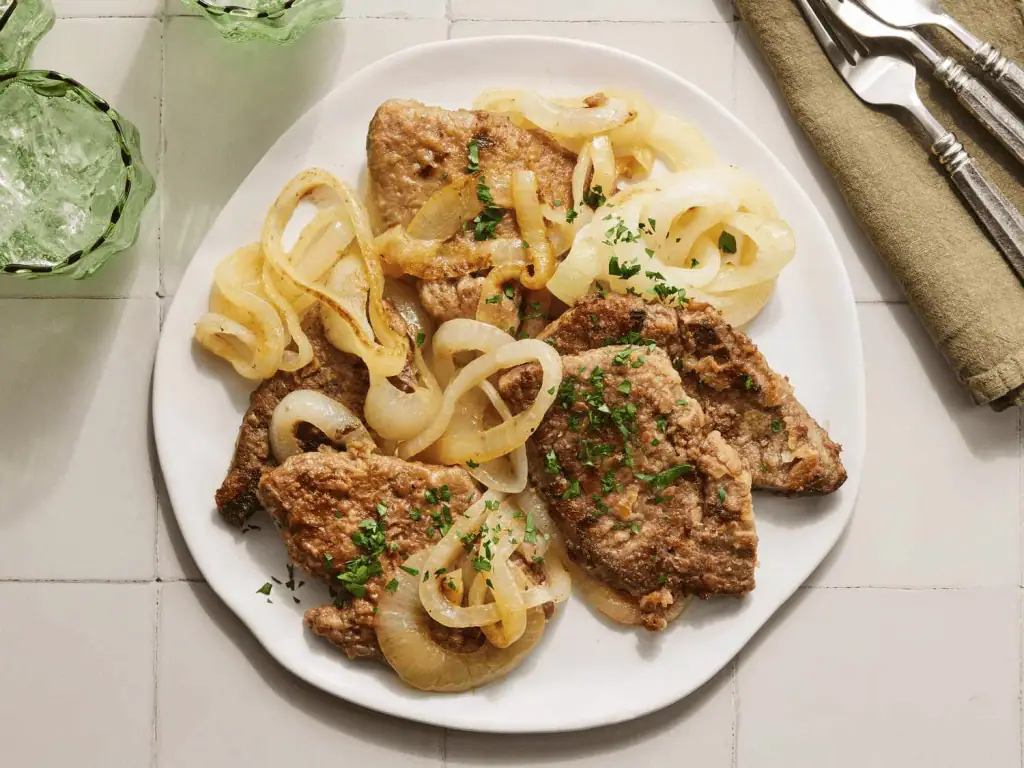
Liver dishes, such as pâté or chopped liver, tend to divide families along generational lines. For some, they’re treasured holiday traditions tied to heritage and memory. For others, the strong flavor and texture are immediate deal-breakers. Even guests who respect the tradition often skip them quietly. Liver dishes rarely convert new fans, making them one of the most consistently polarizing items on the table.
Eggnog

Eggnog divides drinkers with its thick texture and spiced richness. Fans consider it inseparable from Christmas and look forward to it all year. Critics find it heavy, overly sweet, or difficult to finish. Alcohol versus non-alcohol versions add another layer of disagreement. Because it appears only briefly each year, opinions remain frozen in place. Eggnog is either poured eagerly or avoided completely.
Leftover Turkey Sandwiches

Even leftovers aren’t safe from debate. Some family members look forward to turkey sandwiches more than the main meal itself. Others are exhausted by turkey after one serving and want something new immediately. The repetition feels comforting to some and tedious to others. This quiet divide shows up the day after Christmas, proving that even tradition’s afterlife can spark disagreement.


